
Nestled on Florida’s picturesque Gulf Coast, St. Petersburg is a vibrant city renowned for its stunning beaches, thriving arts scene, and consistently pleasant climate. When planning a trip to this sun-drenched destination, understanding its temperature patterns is crucial for crafting the perfect itinerary. Whether you’re dreaming of a winter escape, a summer beach adventure, or a spring exploration of its many attractions, knowing what to pack and when to visit can significantly enhance your experience. This guide delves into the typical temperatures in St. Petersburg, Florida, offering insights into how the weather shapes the city’s vibrant lifestyle and tourism offerings.
Understanding St. Petersburg’s Climate: A Year-Round Appeal
St. Petersburg, Florida boasts a humid subtropical climate, characterized by warm, wet summers and mild, drier winters. This climate makes it an attractive destination throughout the year, drawing visitors seeking sunshine and outdoor activities. The proximity to the Gulf of Mexico plays a significant role in moderating temperatures, preventing extreme highs and lows and contributing to the region’s inviting atmosphere. The city’s location on a peninsula further enhances its connection to the water, influencing breezes and humidity levels, and ultimately, the daily temperature readings.
Seasonal Temperature Breakdowns
Spring (March – May): A Gentle Transition to Warmth
As winter’s chill recedes, St. Petersburg awakens with vibrant energy. Spring is arguably one of the most delightful times to visit, with temperatures gradually warming from comfortable to pleasantly hot.
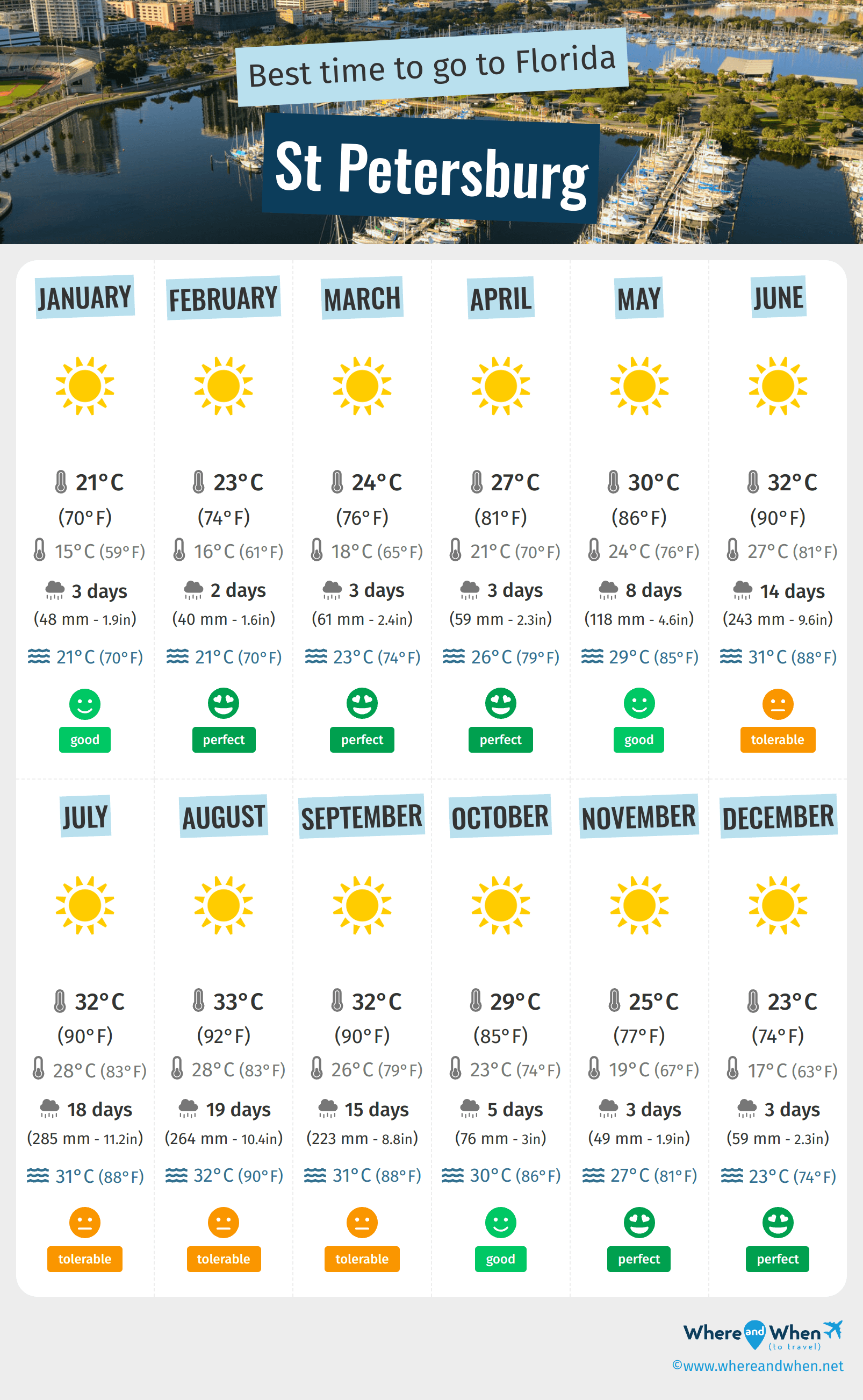
- March: Average daily temperatures begin in the low 70s Fahrenheit (around 21-23°C), climbing steadily as the month progresses. Daytime highs often reach the mid-70s, while evenings remain mild, ideal for strolling along the waterfront or enjoying outdoor dining.
- April: This month typically sees temperatures in the mid-70s Fahrenheit (around 24-26°C). Highs can push into the upper 70s and even low 80s, especially towards the end of April. Humidity starts to increase, but it’s generally still quite manageable, making it perfect for exploring attractions like the Dalí Museum or taking a dip in the Gulf.
- May: The prelude to summer, May brings warmer weather, with average daily temperatures hovering around the mid-80s Fahrenheit (around 27-29°C). Daytime highs frequently exceed 85°F (29.4°C), and the humidity becomes more noticeable. This is an excellent time for beach lovers to enjoy St. Pete Beach and its pristine sands before the peak summer heat.
Spring in St. Petersburg offers a beautiful balance of warm sunshine and comfortable evenings. It’s a prime season for outdoor adventures, from kayaking in the mangroves to exploring the city’s numerous parks and gardens.
Summer (June – August): Embrace the Heat and Humidity
Summer in St. Petersburg, Florida is synonymous with heat, sunshine, and the invigorating presence of the Gulf. While temperatures are undeniably warm, the coastal location provides some relief, and the city offers plenty of ways to cool off.
- June: As summer officially begins, temperatures rise significantly. Average daily temperatures are in the high 80s Fahrenheit (around 30-32°C), with daytime highs frequently reaching the low 90s. Humidity is a prominent factor, making the “feels like” temperature higher. Afternoon thunderstorms are common, offering a brief respite from the heat before the sun returns.
- July: This is typically the hottest and most humid month. Average daily temperatures are in the upper 80s Fahrenheit (around 31-33°C), with daily highs consistently in the low to mid-90s. The muggy conditions can feel intense, but the cooling waters of the Gulf and numerous indoor attractions provide ample opportunities to escape the heat. This is a popular time for families on vacation, and resorts like the Don CeSar offer extensive pool areas.
- August: Similar to July, August remains hot and humid. Average daily temperatures are in the upper 80s Fahrenheit (around 31-33°C), with highs in the low to mid-90s. The possibility of afternoon rain showers continues, acting as a natural air conditioner for brief periods. Despite the heat, the allure of the beaches and water activities remains strong.
Summer in St. Petersburg is for those who love intense sunshine and don’t mind a bit of humidity. The city buzzes with activity, and the warm evenings are perfect for enjoying the nightlife and beachfront dining.
Autumn (September – November): A Pleasant Return to Comfort
As the intense heat of summer subsides, autumn ushers in a period of welcome relief and continued warmth in St. Petersburg. This season offers a fantastic combination of pleasant temperatures and fewer crowds, making it an ideal time for exploration.
- September: While still technically summer, September brings a gradual decrease in heat and humidity. Average daily temperatures are in the mid-80s Fahrenheit (around 29-31°C), with highs often in the upper 80s. Humidity levels begin to drop, making outdoor activities more comfortable. Afternoon thunderstorms are still possible but become less frequent.
- October: October is often considered one of the most beautiful months in St. Petersburg. Average daily temperatures are in the mid-70s Fahrenheit (around 24-26°C), with daytime highs typically in the mid-to-upper 70s. The air is drier, and the evenings are comfortably cool, perfect for enjoying events like the St. Petersburg Jazz Festival or exploring the historic downtown.
- November: The transition into cooler weather continues. Average daily temperatures are in the low 70s Fahrenheit (around 21-23°C), with highs reaching the mid-70s. Evenings become noticeably cooler, often dipping into the 60s, making light jackets or sweaters a welcome addition to your packing list. This is an excellent time for visiting landmarks like the Sunken Gardens or enjoying a leisurely bike ride along the waterfront.
Autumn in St. Petersburg provides a fantastic opportunity to experience the city’s charm without the intense heat of summer, making it a favored time for many travelers.
Winter (December – February): Mild and Sunny Escapes
St. Petersburg’s winters are a major draw for those seeking to escape colder climates. The city experiences mild, sunny days that are perfect for a variety of activities, making it a popular destination for snowbirds and winter vacationers alike.
- December: Winter officially begins with mild temperatures. Average daily temperatures are in the low 70s Fahrenheit (around 21-23°C), with daytime highs frequently in the mid-70s. Evenings are cool, often in the 50s, requiring a light jacket. It’s a festive time with holiday decorations and events, and the pleasant weather is perfect for exploring attractions like the Mahaffey Theater.
- January: January is typically the coolest month, but “cool” in St. Petersburg still means quite pleasant for many. Average daily temperatures are in the high 60s Fahrenheit (around 20-21°C), with highs often reaching the low 70s. Evenings can be chilly, with temperatures dipping into the 50s, making layers essential. This is a great time for visiting museums, enjoying nature walks, or attending sporting events.
- February: Temperatures begin to climb again as winter draws to a close. Average daily temperatures are in the low 70s Fahrenheit (around 21-23°C), with highs frequently in the mid-to-upper 70s. The weather remains mostly dry and sunny, offering a perfect escape from harsher winter conditions elsewhere. It’s an ideal time for outdoor dining and enjoying the city’s vibrant atmosphere before the spring crowds arrive.
Winter in St. Petersburg offers a delightful respite from the cold, characterized by sunshine and mild temperatures that make outdoor activities a pleasure year-round.
Factors Influencing Temperature and Weather Patterns
Several geographical and atmospheric elements contribute to the unique climate of St. Petersburg, Florida. Understanding these factors can provide a deeper appreciation for the city’s weather patterns and how they impact daily life and travel.
The Gulf of Mexico’s Moderating Effect
The expansive Gulf of Mexico plays a crucial role in regulating St. Petersburg’s temperatures. The large body of water acts as a thermal buffer. During the summer, it absorbs heat, preventing temperatures from soaring to extreme levels, and during the winter, it releases stored warmth, keeping the city milder than inland areas. The sea breeze, generated by the temperature difference between land and sea, is a significant cooling factor, especially in the afternoons. This daily phenomenon provides a welcome respite from the heat and is a signature feature of the coastal climate.
Humidity and Rainfall Patterns
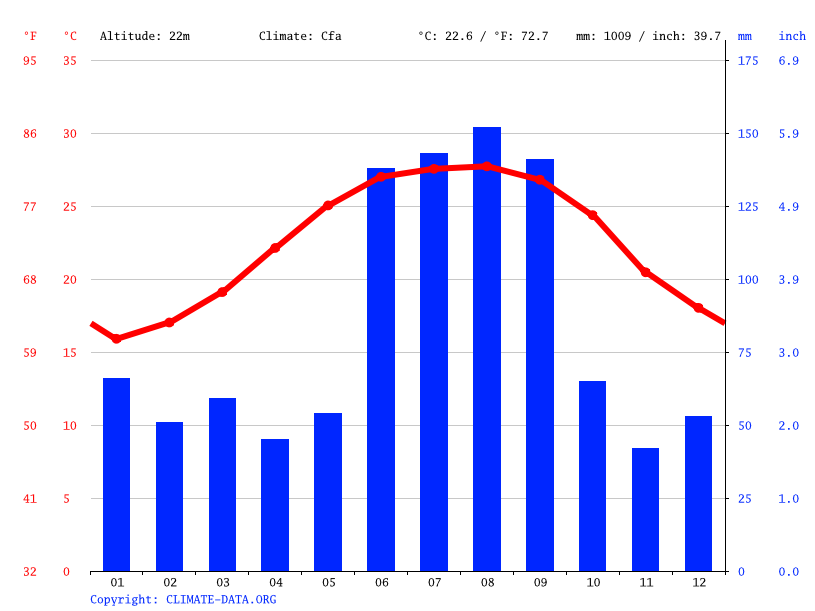
St. Petersburg experiences high humidity levels, particularly during the summer months. This is due to its proximity to the ocean and the warm, moist air masses that are common in the region. While high humidity can make the temperatures feel hotter, it also contributes to the lush tropical vegetation found throughout the area. Rainfall is most abundant during the summer, often occurring in the form of brief, intense afternoon thunderstorms. These storms are typically short-lived and are followed by clear skies and sunshine, adding to the dynamic nature of the summer weather. Winters are generally drier, with less frequent rainfall.
Planning Your Visit: Packing and Activities Based on Temperature
Knowing the temperature in St. Petersburg, Florida at your planned time of visit is essential for effective packing and optimizing your itinerary. Whether you’re aiming for a relaxing beach vacation, an immersive cultural experience, or an adventurous exploration, aligning your plans with the weather will ensure a more enjoyable trip.
Packing Essentials for Every Season
- Spring & Autumn: These shoulder seasons offer a delightful climate. Pack light clothing like t-shirts, shorts, and sundresses for daytime. Include a light sweater or jacket for cooler evenings. Comfortable walking shoes are a must for exploring attractions like the St. Pete Pier. Don’t forget swimwear for beach days and sunscreen to protect your skin from the ever-present Florida sun.
- Summer: The key here is lightweight, breathable fabrics. Pack plenty of shorts, tank tops, and light dresses. A wide-brimmed hat and sunglasses are essential. Bring a reusable water bottle to stay hydrated. While you’ll live in swimwear and beachwear, a light rain jacket or umbrella is advisable for those sudden afternoon showers. Comfortable, quick-drying sandals are ideal for the beach and casual outings.
- Winter: Evenings can be cool, so pack layers. Bring light long-sleeved shirts, jeans, and perhaps a light fleece or jacket for the mornings and evenings. Daytime temperatures are often warm enough for shorts and t-shirts, so packing a mix is advisable. Sunscreen is still crucial, as the winter sun can be quite strong, and a swimsuit is still a good idea for those unexpectedly warm days or if your accommodation has a heated pool.
Activities Tailored to the Climate
The consistent warmth of St. Petersburg, Florida makes it a playground for outdoor enthusiasts year-round.
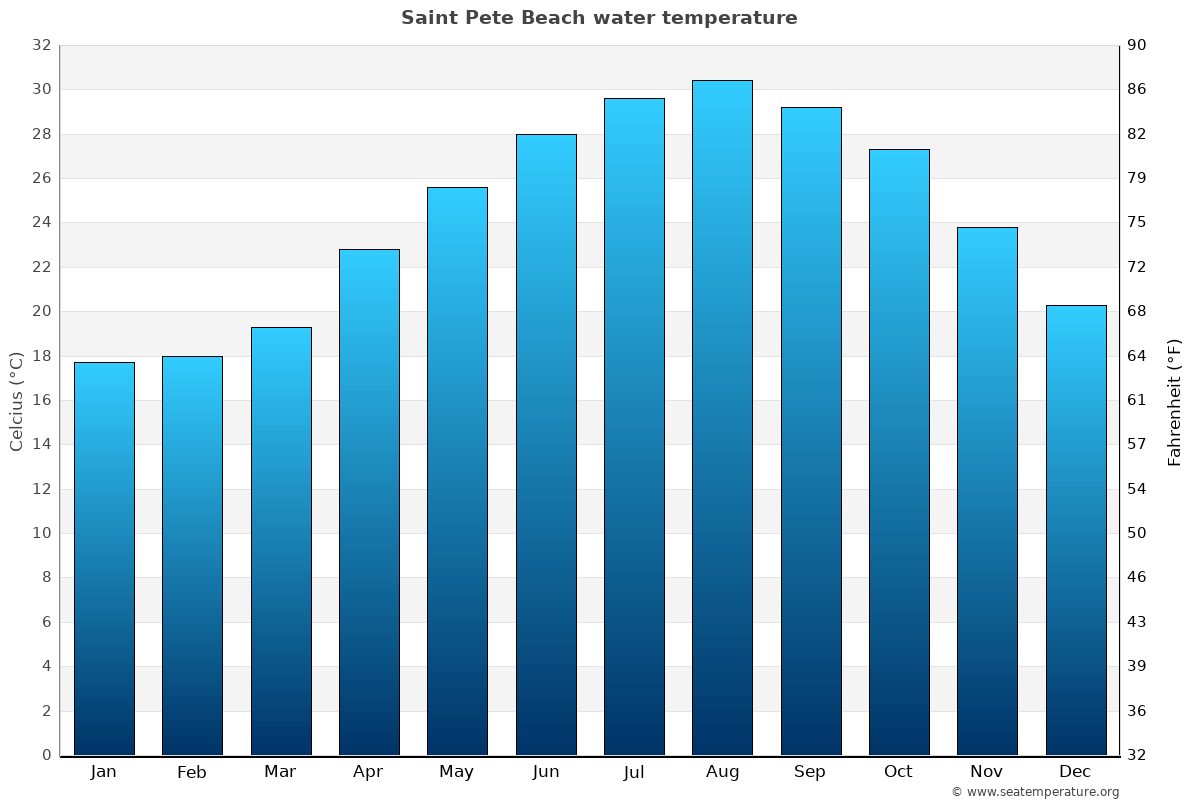
- Beach and Water Activities: From the serene sands of Fort De Soto Park to the lively shores of Clearwater Beach (a short drive away), swimming, sunbathing, paddleboarding, and kayaking are popular year-round. The warmer months are ideal for extended time in the water, while the milder winter days offer a pleasant alternative for those who prefer not to swim in cooler temperatures but still enjoy the beach scenery.
- Cultural Exploration: With a thriving arts and culture scene, St. Petersburg offers plenty of indoor activities that are perfect regardless of the weather. Visit the world-class Salvador Dalí Museum, explore the Museum of Fine Arts, or catch a performance at the Mahaffey Theater. These are excellent options for escaping the midday sun in summer or seeking shelter from a rare rain shower.
- Outdoor Recreation and Sightseeing: The mild winters and pleasant spring and fall seasons are perfect for exploring the city’s numerous parks, such as Weedon Island Preserve, or biking along the Pinellas Trail. Even in summer, early mornings and late evenings offer cooler opportunities for outdoor adventures. Visiting landmarks like the Historic Kenwood neighborhood with its vibrant arts scene is enjoyable in any season.
By considering the temperature and seasonal nuances of St. Petersburg, Florida, travelers can ensure their trip is filled with sunshine, comfort, and unforgettable experiences, making the most of this charming Gulf Coast gem.
LifeOutOfTheBox is a participant in the Amazon Services LLC Associates Program, an affiliate advertising program designed to provide a means for sites to earn advertising fees by advertising and linking to Amazon.com. Amazon, the Amazon logo, AmazonSupply, and the AmazonSupply logo are trademarks of Amazon.com, Inc. or its affiliates. As an Amazon Associate we earn affiliate commissions from qualifying purchases.