
Understanding the precise time in California is far more than a mere curiosity for travelers; it’s a foundational element for meticulous planning, seamless experiences, and an unforgettable journey through one of the United States’ most diverse and captivating states. From the sun-drenched beaches of San Diego to the bustling urban landscapes of Los Angeles and the iconic fog-kissed vistas of San Francisco, California operates on a specific time zone that dictates everything from flight schedules and hotel check-ins to restaurant reservations and the optimal timing for visiting world-renowned landmarks.
For anyone venturing into the Golden State, whether for a luxurious escape, a family adventure, a business trip, or an immersive cultural exploration, grasping the nuances of its time zone is paramount. It influences when you can connect with loved ones back home, schedule critical business calls, or simply ensure you arrive on time for that coveted tour of Alcatraz Island or a tasting session in Napa Valley. This article delves into the intricacies of California’s time, providing insights into how it impacts travel, accommodation choices, tourism activities, and the overall lifestyle experience, ensuring your trip is as smooth and enriching as possible.
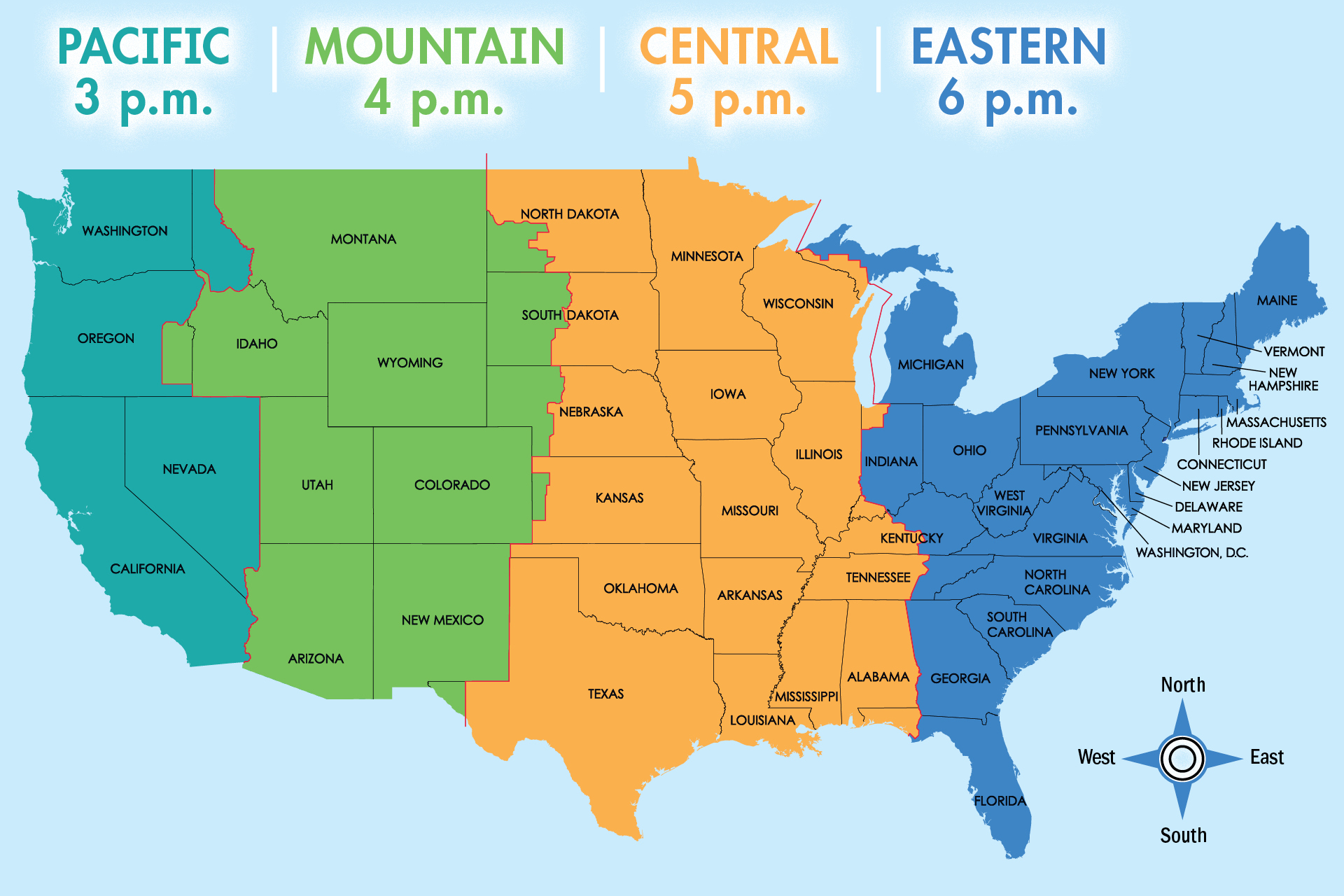
Understanding California’s Time Zone: Pacific Standard Time (PST) and Pacific Daylight Time (PDT)
California observes two distinct time designations throughout the year, switching between them to accommodate Daylight Saving Time. These are Pacific Standard Time (PST) and Pacific Daylight Time (PDT).
During the winter months, typically from early November to mid-March, California operates on Pacific Standard Time (PST). This time zone is UTC-8, meaning it is eight hours behind Coordinated Universal Time. As spring approaches, residents and visitors alike “spring forward,” adjusting their clocks one hour ahead to Pacific Daylight Time (PDT). PDT is UTC-7, observed from mid-March to early November, providing an extra hour of daylight in the evenings. This annual shift is a critical consideration for travelers, especially those planning multi-month stays or visits spanning the changeover dates.
The impact of this time zone on both domestic and international travel cannot be overstated. For travelers arriving from the East Coast of the United States, the time difference can be significant – three hours behind Eastern Time (ET) and two hours behind Central Time (CT). This often leads to jet lag, requiring careful planning to adjust sleep schedules and maximize energy for exploration. For international visitors, particularly those from Europe or Asia, the time difference is even more pronounced, potentially requiring several days to acclimate fully. Understanding this initial time barrier is the first step in designing a successful itinerary.
Navigating Time Differences for Seamless Travel Planning
Effective travel planning hinges on a solid grasp of time zones. When booking flights, particularly those with connections, ensuring you account for time changes between departure and arrival cities is crucial. A flight departing New York at 9:00 AM Eastern Time will land in Los Angeles approximately 6-7 hours later, but the local time upon arrival will only be around 12:00 PM to 1:00 PM Pacific Daylight Time (assuming a direct flight during PDT). This seemingly favorable time difference on paper can mask the internal clock disruption.
To combat jet lag, experts recommend gradually adjusting your sleep schedule in the days leading up to your trip, shifting it by an hour or two closer to California’s time. Upon arrival, immerse yourself in the local time as quickly as possible: stay hydrated, seek natural daylight, and try to avoid long naps, even if you feel tired. For business travelers, scheduling critical meetings requires careful coordination, factoring in the time differences with colleagues or clients in other parts of the world. Utilizing online time zone converters and communication tools that display participant local times can be invaluable. Even for leisure travelers, coordinating virtual check-ins with family or friends back home needs awareness of the time difference to avoid inconvenient call times.
Maximizing Your California Experience: Timing Your Visit and Activities
The “when” of your visit to California is just as important as the “where.” The state’s vast geographical and climatic diversity means that the ideal time to visit its different regions can vary significantly. For instance, coastal cities like San Francisco and Santa Monica boast mild, Mediterranean-like climates, making spring and fall pleasant for exploration. Inland areas, such as Palm Springs or Death Valley National Park, experience scorching summers, making cooler months like winter or early spring more suitable for outdoor activities.
Destinations like Lake Tahoe truly shine in winter for skiing and snowboarding, and transform into a haven for hiking and water sports during the summer. Yosemite National Park is stunning year-round, but specific attractions like waterfalls are at their peak in spring after snowmelt, while crowds are thinner in fall. Even within a city like Los Angeles, the time of day can dramatically affect your experience. Visiting popular theme parks like Disneyland Resort first thing in the morning allows you to beat the longest queues, while catching the sunset from Griffith Observatory offers unparalleled city views.
From Sunrise to Sunset: Iconic Landmarks and Must-See Attractions
California’s appeal lies in its diverse offerings, and optimizing your schedule around the sun can truly enhance your experience.
Morning: Start your day early to explore San Francisco’s iconic Golden Gate Bridge, either by foot or bike, before the midday fog (or crowds) fully descend. In San Diego, a morning stroll through Balboa Park or along the shores of La Jolla allows for peaceful enjoyment. A sunrise hike in Joshua Tree National Park or Anza-Borrego Desert State Park offers breathtaking desert landscapes under soft, golden light.
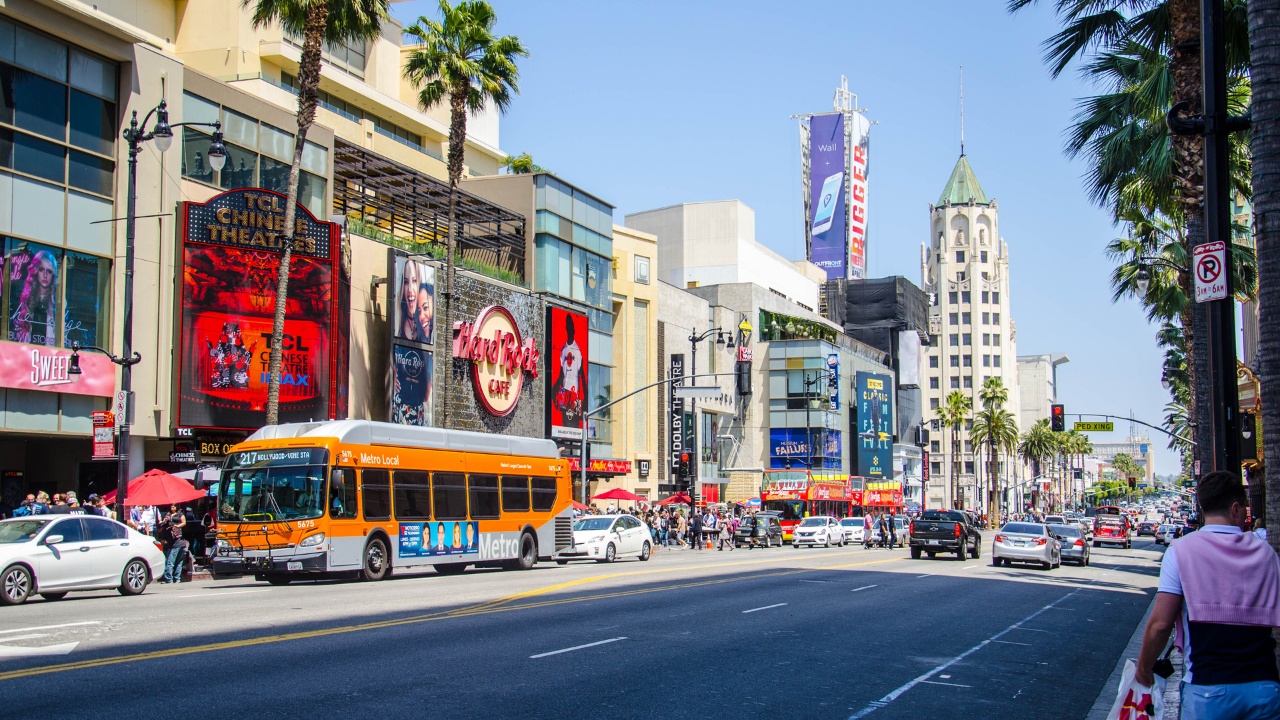
Midday: This is often the best time for indoor attractions or activities that involve a short drive. In Los Angeles, delve into the magic of Universal Studios Hollywood or explore the renowned The Getty Center. History buffs can tour the state capital, Sacramento, or venture to Hearst Castle along the Central Coast. For a unique blend of nature and architecture, a drive along Big Sur at midday offers dramatic coastal views with clearer skies.
Afternoon: As the day progresses, consider activities that transition into evening. A visit to the famous piers like Pier 39 or Fisherman’s Wharf in San Francisco can evolve into an early dinner. In Santa Monica, the Santa Monica Pier is vibrant with street performers and rides, perfect before watching the sunset over the Pacific Ocean. Wine tasting tours in Napa Valley or Sonoma Valley are often structured to conclude in the late afternoon, leaving time for a relaxed dinner.
Evening: California’s evenings offer a different kind of magic. Catch a show in Hollywood, dine at a Michelin-starred restaurant in San Francisco, or enjoy a bonfire on Huntington Beach. For stargazers, remote areas like Sequoia National Park or Redwood National Park in the Sierra Nevada Mountains provide unparalleled views of the night sky, far from city lights.
Accommodation and Lifestyle: Adapting to California Time
The time in California also significantly impacts your accommodation experience and the overall lifestyle you can expect or create during your stay. Whether you’re booking a luxury suite, a family-friendly resort, a charming apartment, or an opulent villa, check-in and check-out times are strictly adhered to, typically around 3:00 PM or 4:00 PM for check-in and 11:00 AM or 12:00 PM for check-out. Being aware of the local time upon arrival is vital to avoid unnecessary waiting or late fees. Many establishments offer amenities like early check-in or late check-out for an additional fee, or luggage storage for those arriving before their room is ready or departing after check-out.
The diverse lifestyle options in California cater to every traveler, each influenced by the local clock. Luxury travelers might find themselves coordinating spa appointments, private tours, or exclusive dining experiences, all scheduled precisely to Pacific Daylight Time. Budget travelers, on the other hand, might prioritize morning hikes to avoid peak attraction times, or seek out happy hour specials that align with an early dinner. Family trips often revolve around children’s nap times and early bedtimes, making morning activities and well-timed breaks crucial. Business stays in areas like Silicon Valley demand strict adherence to meeting schedules, often requiring early starts to accommodate clients in different time zones.
Choosing the Right Stay: Hotels, Resorts, and Unique Accommodations
California’s accommodation landscape is as varied as its scenery, offering everything from sprawling resorts to quaint boutique hotels. When planning your stay, consider how your internal clock will adapt. Resorts like those found in Palm Springs or along the Orange County coast often have extensive amenities, allowing guests to relax and adjust to the time difference at their own pace. Urban hotels, such as a Four Seasons Hotel in Beverly Hills or San Jose, are often designed for efficiency, with concierge services that can help reconfirm bookings and make local arrangements according to the current time.
For a more unique experience, consider an Airbnb apartment in Venice Beach or a villa in Malibu. These self-catering options offer more flexibility with meal times and daily routines, which can be beneficial when trying to overcome jet lag. Booking platforms allow you to compare options, read reviews, and often filter by specific amenities, but remember that the advertised check-in/out times are always in California local time. For long-term stays, understanding the time zone becomes even more ingrained in daily life, affecting everything from mail delivery to utility appointments.
Culinary Delights and Local Culture: Dining by California’s Clock
California’s vibrant food scene and rich local culture are deeply intertwined with its time zone. Early morning farmers’ markets in cities like San Francisco or Santa Barbara offer fresh produce and artisan goods, best experienced before the midday rush. Brunch culture is particularly strong on weekends, with many restaurants offering extended hours into the early afternoon. Lunch typically runs from 11:30 AM to 2:00 PM, while dinner service often begins around 5:00 PM or 6:00 PM, peaking between 7:00 PM and 9:00 PM.
Making reservations for popular restaurants, especially in culinary hotspots like Napa Valley, Los Angeles, or Carmel-by-the-Sea, is highly recommended, and these must be made with California local time in mind. Happy hour specials are a common feature in many bars and restaurants, typically running from 4:00 PM to 6:00 PM, providing an excellent opportunity to sample local flavors at a more budget-friendly price. Beyond dining, cultural events, concerts, museum hours (such as the Legion of Honor Museum or the California Academy of Sciences in Golden Gate Park), and local festivals all operate on the Golden State’s clock. Being mindful of these timings ensures you don’t miss out on immersive experiences, from exploring the Danish village of Solvang to embarking on a whale watching tour off the coast of Monterey or a day trip to Catalina Island.
Navigating Time Zones Beyond California: Planning Multi-Destination Trips
While this article focuses on California, many travelers incorporate the state into broader itineraries across the United States or even internationally. When planning a multi-destination trip, the complexities of time zones multiply. For example, traveling from Florida (Eastern Time) to California (Pacific Time) involves a three-hour adjustment, while continuing eastward to Europe or Asia introduces even more significant shifts.
Strategic planning is key. Grouping destinations with similar time zones can help minimize disruption. If you’re traveling across several U.S. time zones, consider building in extra rest days at the beginning of each major time zone shift. For international travel, utilizing layovers to break up long flights and gradually adjust can be beneficial. Always double-check flight times, hotel bookings, and reservation confirmations in the local time of each destination. Mobile apps and smartwatches that automatically update time zones are invaluable tools for seamless transitions, ensuring you’re always on schedule, no matter where your adventure takes you.
In conclusion, knowing “What’S The Time In California?” is the gateway to a well-orchestrated and enjoyable journey. From understanding the difference between Pacific Standard Time and Pacific Daylight Time to timing your visits to iconic landmarks and coordinating your accommodation, every detail contributes to a smoother travel experience. By embracing the local clock and planning thoughtfully, visitors can fully immerse themselves in the diverse offerings of California, making memories that last a lifetime.
LifeOutOfTheBox is a participant in the Amazon Services LLC Associates Program, an affiliate advertising program designed to provide a means for sites to earn advertising fees by advertising and linking to Amazon.com. Amazon, the Amazon logo, AmazonSupply, and the AmazonSupply logo are trademarks of Amazon.com, Inc. or its affiliates. As an Amazon Associate we earn affiliate commissions from qualifying purchases.