
For many travelers, the allure of the Sunshine State is undeniable. With its pristine beaches, world-class theme parks, vibrant cities, and serene natural landscapes, Florida beckons millions of visitors each year. But before you can dive into the magic, there’s a fundamental question that can significantly impact your travel plans and overall experience: “What’s the time in Florida?” While seemingly straightforward, understanding Florida’s time zones is an essential first step in planning a seamless trip, especially when coordinating flights, hotel check-ins, attraction visits, or even a crucial business meeting. Beyond the clock, this understanding unlocks a deeper appreciation for how to maximize every moment in this diverse and dynamic state, ensuring you get the most out of its travel, tourism, accommodation, landmarks, and lifestyle offerings.
Navigating Florida’s Time Zones: A Traveler’s Essential Guide
Florida is a state of captivating contrasts, not only in its geography and culture but also in its approach to time. Unlike many states that adhere to a single time zone, Florida spans two distinct zones, a detail that is often overlooked but crucial for any itinerary. For seasoned travelers and first-time visitors alike, clarity on this matter can prevent missed connections, late arrivals, and unnecessary stress.
Eastern Time vs. Central Time: The Geographic Split
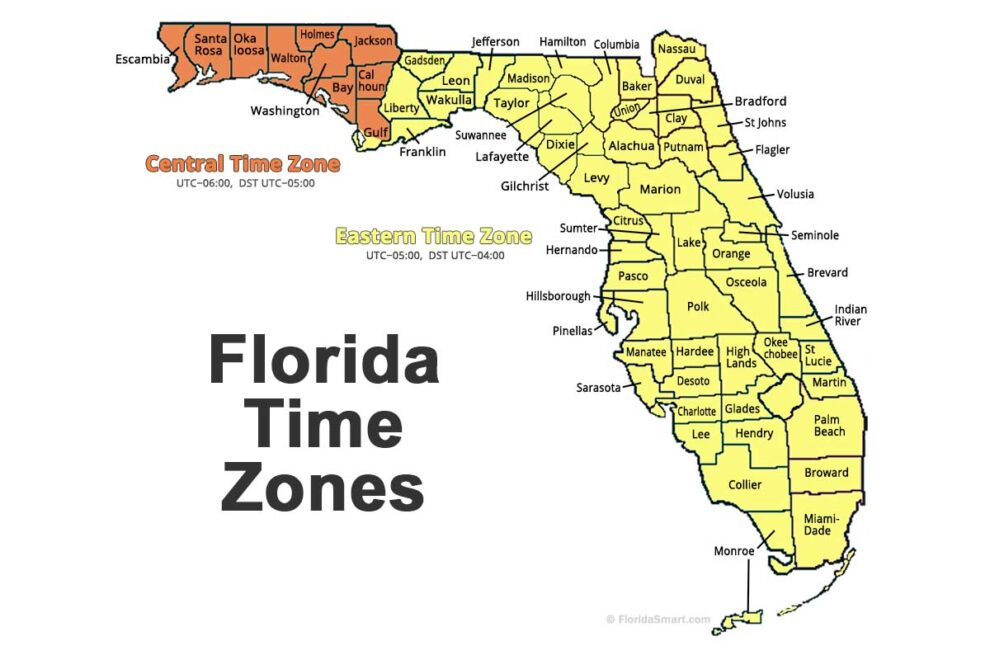
The vast majority of Florida, including popular destinations like Orlando, Miami, Jacksonville, and the entire Florida Keys, operates on Eastern Time (ET), which is typically GMT-5 during standard time and GMT-4 during Daylight Saving Time. This covers the entire Atlantic Coast and much of the central and southern regions, where the bustling theme parks and iconic beaches create an endless array of experiences.
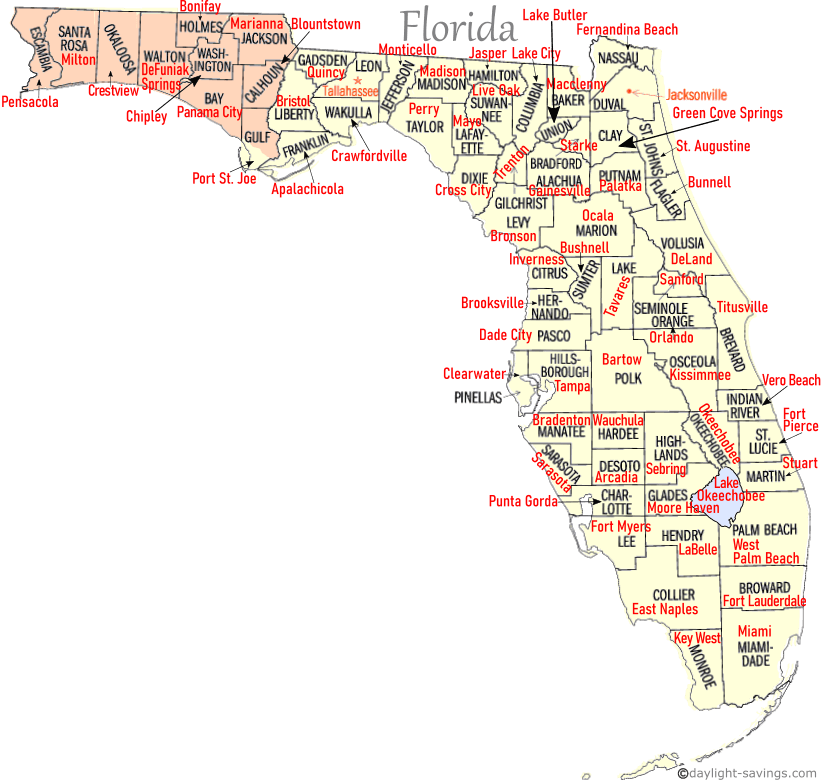
However, a significant portion of Florida’s western Panhandle observes Central Time (CT). This includes counties west of the Apalachicola River, such as Escambia County, Santa Rosa County, Okaloosa County, and Walton County, encompassing cities like Pensacola, Destin, and Panama City Beach. Central Time is one hour behind Eastern Time, meaning when it’s 3 PM in Miami, it’s 2 PM in Pensacola. This time difference is crucial for anyone traveling across the state, especially if your itinerary includes destinations in both parts. Imagine planning to meet friends arriving in Panama City Beach at what you believe is 4 PM, only to realize you’re an hour off because you forgot about the time zone shift!
Daylight Saving Time in the Sunshine State
Like most of the United States, Florida observes Daylight Saving Time, which typically begins on the second Sunday in March and ends on the first Sunday in November. During this period, clocks spring forward one hour, effectively making Eastern Time GMT-4 and Central Time GMT-5. While proposals have been made to make Daylight Saving Time permanent in Florida (dubbed the “Sunshine Protection Act”), as of now, the state continues to adjust its clocks twice a year. This means travelers must factor in these seasonal changes when planning their trips, particularly if booking flights or making reservations many months in advance. Always double-check current local times, especially if your journey bridges the spring forward or fall back dates. Accurate timekeeping isn’t just a matter of punctuality; it’s a foundational element of stress-free travel, ensuring you align perfectly with the rhythms of your chosen destination within the Sunshine State.
Beyond the Clock: Maximizing Your Florida Experience
While understanding Florida’s time zones is practical, the true essence of a trip to the state lies in how you fill those hours. Florida offers an unparalleled spectrum of experiences, from thrilling adventures to serene escapes, making it a prime destination for various travel styles and interests. Planning meticulously around the clock allows you to immerse yourself fully in the rich tapestry of destinations, accommodation options, and local lifestyle.
Iconic Destinations and Must-See Attractions
Florida is a treasure trove of world-renowned landmarks and attractions that cater to every whim. The magnetic pull of Orlando is undeniable, home to the magic of Walt Disney World Resort, featuring its four iconic theme parks: Magic Kingdom, Epcot, Hollywood Studios, and Animal Kingdom. Nearby, the Universal Orlando Resort captivates visitors with Universal Studios Florida, Universal’s Islands of Adventure, and the enchanting Wizarding World of Harry Potter. These colossal entertainment complexes demand significant time and careful planning to navigate, making timed entries and show schedules paramount.
Further south, the vibrant city of Miami offers a completely different vibe, with its dazzling South Beach, Art Deco architecture, and a pulsating nightlife. It’s a hub for luxury travel, art, and a thriving Cuban culture that permeates its cuisine and music. The historical charm of St. Augustine, the nation’s oldest continuously inhabited European-established settlement, presents a journey back in time, boasting landmarks like the Castillo de San Marcos and quaint cobblestone streets.
For nature enthusiasts, the vast wilderness of Everglades National Park offers unique airboat tours and wildlife viewing, including alligators and rare birds. The Florida Keys, stretching southwest from the mainland, culminate in the quirky and bohemian Key West, famous for its sunset celebrations at Mallory Square and the Ernest Hemingway Home and Museum.
Along the Gulf Coast, cities like Tampa blend urban sophistication with family fun, home to Busch Gardens Tampa Bay and a revitalized waterfront. Nearby, Clearwater Beach and St. Petersburg are celebrated for their stunning white sands and cultural attractions like the Dalí Museum. For those fascinated by space exploration, the Kennedy Space Center Visitor Complex at Cape Canaveral offers an awe-inspiring look into NASA’s history and future missions, often with opportunities to witness rocket launches. These diverse attractions underscore the importance of meticulous planning, ensuring ample time is allocated to experience each landmark fully.

Where to Stay: Finding Your Perfect Florida Accommodation
Florida’s hospitality landscape is as varied as its attractions, offering an accommodation type for every budget and travel style. Whether you’re seeking a luxurious retreat, a family-friendly resort, or a cozy budget option, the state delivers.
Luxury Travel & Resorts: For those indulging in a luxury lifestyle, Florida boasts an array of opulent hotels and resorts. In Palm Beach, the historic The Breakers Palm Beach offers unparalleled elegance and beachfront access. Miami Beach is home to iconic establishments like the Fontainebleau Miami Beach, known for its lavish pools and vibrant scene, and countless five-star boutique hotels. These resorts often come with extensive amenities, including world-class spas, gourmet dining, and private beach clubs, ensuring a pampered experience.
Family-Friendly Options: Traveling with family often means prioritizing space and child-friendly amenities. Orlando is replete with vast resorts offering suites, kid-centric pools, and shuttle services to theme parks. Brands like Disney’s Contemporary Resort and Universal’s Hard Rock Hotel provide immersive experiences right on the property. Vacation rentals, including spacious apartments and villas, are also popular choices, offering kitchens and multiple bedrooms, ideal for longer stays or larger groups.
Budget-Friendly Stays & Unique Experiences: For budget travelers, numerous hotels and motels offer comfortable stays without breaking the bank, particularly in cities like Tampa, Fort Lauderdale, and along the Gulf Coast. Beyond traditional hotels, Florida offers unique accommodations like charming bed and breakfasts in historic towns or eco-lodges near natural preserves. Booking platforms allow for easy comparison of prices and reviews, while focusing on areas slightly outside the main tourist hubs can often yield significant savings. Regardless of your choice, ensuring your accommodation aligns with your itinerary’s timing, especially check-in and check-out, is vital for smooth transitions.
Embracing the Florida Lifestyle: Food, Culture, and Activities
The Florida lifestyle is a vibrant blend of laid-back coastal charm, energetic urban living, and rich cultural influences. A trip here isn’t complete without diving into its unique culinary scene and diverse activities.
Culinary Delights: Florida’s food landscape is a delicious reflection of its diverse population and coastal location. Fresh seafood, from succulent Gulf shrimp to delicate snapper, is a staple, especially along the Gulf of Mexico. In Miami, the Cuban influence is paramount, with authentic Cuban sandwiches, cafecitos, and vibrant Little Havana eateries. Don’t forget to try a slice of key lime pie, the official state pie, particularly in the Florida Keys. Food tours are an excellent way to sample local flavors and learn about the region’s gastronomic history.
Activities for Every Interest: Beyond the theme parks, Florida offers an endless array of activities. The state’s extensive coastline along both the Atlantic Ocean and the Gulf of Mexico provides perfect conditions for swimming, sunbathing, surfing, paddleboarding, and snorkeling. The warm, clear waters are also ideal for diving, with shipwrecks and vibrant coral reefs, particularly around Key Largo and Islamorada. Inland, countless state parks and nature preserves offer hiking, kayaking through mangrove tunnels, and bird watching. Golf enthusiasts will find an abundance of championship courses, especially around Naples and Sarasota. For those seeking cultural immersion, cities like St. Petersburg and Fort Lauderdale boast impressive art museums, theaters, and live music venues. Whether you’re planning a budget trip filled with free beach days, a luxurious spa retreat, a family adventure with kids, or a business stay that allows for some leisure, Florida has an activity to suit every lifestyle choice and time slot.
Practical Tips for a Seamless Florida Journey
A truly memorable Florida experience goes beyond booking flights and hotels; it involves thoughtful planning to ensure every moment is enjoyed. From the best time to visit to navigating local transport and managing your budget, these practical tips will help you create a seamless journey.
Best Time to Visit: Florida’s climate is generally warm year-round, but distinct seasons impact crowds and activities. The dry season, from November to May, offers cooler temperatures, lower humidity, and less rainfall, making it ideal for outdoor activities and theme park visits. However, this is also peak tourist season, meaning higher prices for flights and accommodation, and larger crowds. The summer months (June to October) are hot, humid, and prone to afternoon thunderstorms and hurricane season concerns. While prices might be lower and crowds thinner, be prepared for intense heat and plan indoor activities or water-based excursions. Spring (March-April) and Fall (October-November) offer a good balance of pleasant weather and manageable crowds. Always check the local weather forecast for your specific destination before and during your trip.
Transportation: Getting around Florida often requires a rental car, especially if you plan to explore multiple cities or attractions outside urban centers. Major airports like Orlando International Airport (MCO), Miami International Airport (MIA), and Tampa International Airport (TPA) have numerous rental car agencies. For shorter distances within cities, ride-sharing services (Uber, Lyft) are widely available. Public transportation is more limited, though Miami has a Metromover and Metrorail system, and Orlando offers some bus routes. The Brightline high-speed rail connects Miami, Fort Lauderdale, and West Palm Beach, and has plans for expansion to Orlando, providing a convenient alternative for inter-city travel along the southeastern coast. When driving, always account for potential traffic, especially in major metropolitan areas during peak hours, as this can easily eat into your carefully planned schedule.
Packing Essentials: Given Florida’s climate, lightweight, breathable clothing is a must. Don’t forget swimwear, sunscreen, a hat, and comfortable walking shoes. Even during cooler months, a light jacket or sweater might be needed for evenings. If visiting during the summer, a compact umbrella or rain jacket can be handy for sudden downpours. Insect repellent is also advisable, especially if you plan to spend time in natural areas like the Everglades. Remember to pack any essential medications and keep important documents like passports and booking confirmations easily accessible.
Budgeting: Florida can accommodate various budgets, from extravagant luxury getaways to economical family vacations. Accommodation and theme park tickets often represent the largest expenses. To save money, consider visiting during the off-season, booking flights and hotels in advance, and looking for package deals. Eating out can add up quickly, so balancing restaurant meals with grocery store visits or self-catering accommodation can help. Many of Florida’s most beautiful attractions, such as its beaches and state parks, offer relatively low-cost or free entry, allowing for rich experiences without a hefty price tag. Planning your budget effectively ensures that your time in Florida is spent on experiences rather than unexpected costs.
In conclusion, knowing “What’s the time in Florida?” is more than a simple geographical query; it’s the gateway to meticulously planning and fully appreciating every facet of this incredible state. From coordinating your schedule across its two time zones to aligning your accommodation with your travel style and immersing yourself in its diverse culture, food, and activities, careful consideration of time is key. With its endless sunshine, captivating landmarks, and varied lifestyle options, Florida promises an unforgettable experience, as long as you plan your precious hours wisely. So, set your watch, embrace the adventure, and prepare to make timeless memories in the Sunshine State.
LifeOutOfTheBox is a participant in the Amazon Services LLC Associates Program, an affiliate advertising program designed to provide a means for sites to earn advertising fees by advertising and linking to Amazon.com. Amazon, the Amazon logo, AmazonSupply, and the AmazonSupply logo are trademarks of Amazon.com, Inc. or its affiliates. As an Amazon Associate we earn affiliate commissions from qualifying purchases.