
For anyone planning a journey to the Lone Star State, understanding its geography and, more specifically, its time zones, is more than just a trivial detail; it’s a fundamental aspect of seamless travel planning. Texas, a land of vast horizons and diverse landscapes, is so expansive that it doesn’t adhere to a single time zone. While the majority of the state proudly operates on the Central Time Zone (CT), a small but significant portion in its western reaches observes the Mountain Time Zone (MT). This seemingly minor distinction can have considerable implications for everything from flight connections and hotel check-ins to making dinner reservations and attending crucial business meetings.
Imagine landing in Dallas, setting your watch to CT, and then driving west towards El Paso without accounting for the time change – you could arrive an hour late for a reservation or miss a breathtaking sunset activity. Furthermore, like most of the United States, Texas observes Daylight Saving Time, adding another layer to the temporal puzzle as clocks “spring forward” in March and “fall back” in November. For the discerning traveler, the meticulous planner, or the curious explorer, mastering the clock in Texas is the first step towards unlocking an unforgettable experience across its rich tapestry of destinations, attractions, and cultural nuances. This guide will delve into the intricacies of Texas’s timekeeping, offering essential insights for planning your perfect trip, optimizing your schedule, and truly making the most of every moment in this extraordinary state.
Navigating Texas’s Time Zones: A Traveler’s Essential Guide
Understanding where and when time shifts in Texas is paramount for any traveler. This knowledge isn’t just about punctuality; it’s about maximizing your itinerary, avoiding logistical headaches, and ensuring you’re always in sync with local happenings. The state’s considerable size means that a casual approach to time differences can lead to missed connections or shortened experiences.
The Dominant Central Time Zone (CT)
The vast majority of Texas falls within the Central Time Zone (CT), which is UTC-6 during standard time and UTC-5 during Daylight Saving Time. This encompasses all the major metropolitan hubs that draw millions of visitors annually. Cities like Houston, Dallas, Austin, San Antonio, and Fort Worth all operate on Central Time.
For travelers, this means that if your itinerary primarily focuses on these bustling urban centers or the sprawling landscapes between them, you’ll generally be on Central Time. This consistency simplifies planning when booking flights into major airports such as Dallas/Fort Worth International Airport or George Bush Intercontinental Airport in Houston, reserving hotels, or scheduling tours of iconic landmarks like the Sixth Floor Museum at Dealey Plaza in Dallas or Space Center Houston. However, even within this dominant zone, always double-check specific operating hours for attractions, especially during holidays or off-peak seasons, as these can sometimes vary. A reliable smartphone or travel watch that automatically updates time zones is an invaluable tool for ensuring you’re always on schedule.

The Mountain Time Zone (MT) Anomaly
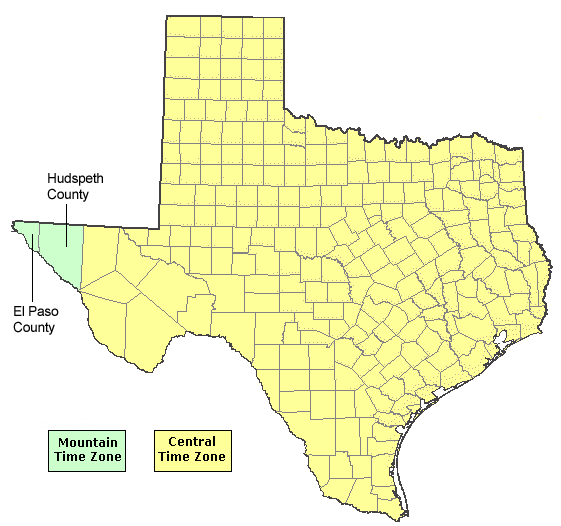
The exception to Texas’s Central Time dominance lies in its far western reaches. El Paso County and Hudspeth County observe the Mountain Time Zone (MT), which is UTC-7 during standard time and UTC-6 during Daylight Saving Time. This means that if you’re traveling from, say, San Antonio to El Paso, you’ll gain an hour upon arrival, and conversely, lose an hour when heading east.
This time shift is crucial for several reasons. Firstly, if you’re flying into El Paso International Airport, remember that the local time will be one hour behind the rest of the major Texan cities. Secondly, road trippers exploring the vast desert landscapes of West Texas, perhaps en route to Big Bend National Park or Guadalupe Mountains National Park, need to be acutely aware of this change, particularly when coordinating with others or making timed reservations. Missing the cutoff for a park entrance or a guided tour due to a simple time zone oversight can be frustrating. Furthermore, if you’re venturing across the border to Ciudad Juárez in Mexico, it’s important to note that Juárez also observes Mountain Time, aligning with El Paso and simplifying cross-border travel in that region. Always confirm the local time upon arrival, especially in these specific western counties, to ensure your tourism plans proceed without a hitch.
Beyond the Clock: Experiencing Texas’s Diverse Lifestyle and Attractions
While knowing the time is practical, the true essence of travel in Texas lies in how you spend those precious hours. The state’s incredible diversity, from bustling urban centers to serene natural reserves, offers a kaleidoscope of experiences for every interest, all meticulously planned around local time.
Cityscapes and Cultural Hubs
Texas’s major cities are vibrant cultural epicenters, each offering a unique flavor of the Lone Star State. In Houston, the energy capital of the world, you can explore the Museum District during the day and enjoy its world-class dining scene in the evening. Dallas merges high-fashion and Western heritage, where a morning visit to the Dallas Arts District can be followed by an afternoon of shopping or a rodeo experience. Austin, the “Live Music Capital of the World,” invites visitors to cool off at Barton Springs Pool in Zilker Park before catching a live show as the sun sets. San Antonio, steeped in history, is home to the iconic Alamo and the enchanting River Walk, best enjoyed with a leisurely boat ride and an evening meal. Far west, El Paso offers a unique blend of Texan and Mexican culture, with landmarks like the Mission Trail and stunning desert vistas from Franklin Mountains State Park. Each city, with its distinct rhythm, demands careful planning of your time to fully immerse yourself in its offerings, from museum opening hours to the start times of concert gigs.
Natural Wonders and Outdoor Adventures
Beyond the urban sprawl, Texas boasts an incredible array of natural beauty, perfect for outdoor enthusiasts. The majestic Big Bend National Park in West Texas, a crown jewel of the national park system, offers vast hiking opportunities and stunning desert landscapes. Here, the Mountain Time Zone becomes particularly relevant when planning sunrise hikes or stargazing tours. Similarly, Guadalupe Mountains National Park challenges hikers with its rugged peaks and boasts the highest point in Texas.
For a coastal escape, the Padre Island National Seashore offers miles of undeveloped beaches, ideal for birdwatching, fishing, or simply relaxing by the Gulf of Mexico. In the panhandle, Palo Duro Canyon State Park, the second-largest canyon in the United States, provides dramatic geological formations and excellent trails. When venturing into these natural landmarks, understanding sunrise and sunset times, especially concerning the time zone, is critical for safety, optimal viewing, and ensuring you don’t overstay your welcome in remote areas. Whether it’s a family trip or an adventurous solo expedition, synchronizing with nature’s clock and local time is key to an enriching outdoor experience.

Your Texas Accommodation: Maximizing Comfort Across Time Zones
After a day of exploring Texas’s diverse attractions, a comfortable and well-chosen accommodation is essential. The state offers a wide spectrum of lodging options, from opulent luxury resorts to charming boutique hotels and practical vacation rentals, each playing a vital role in enhancing your travel experience.
From Luxury Resorts to Boutique Stays
Texas caters to every taste and budget when it comes to places to stay. In Dallas, the Hyatt Regency Dallas offers iconic city views and direct access to downtown attractions, making it perfect for both business stays and leisure. Austin boasts historic gems like The Driskill Hotel, combining Victorian elegance with modern amenities in the heart of the city. For a unique blend of history and contemporary luxury, Hotel Emma in San Antonio’s Pearl District stands out with its industrial-chic design and riverfront charm. If you’re seeking a serene escape, the JW Marriott San Antonio Hill Country Resort & Spa provides a sprawling retreat with golf courses, pools, and extensive spa facilities, ideal for a relaxing getaway.
Regardless of your choice, understanding the local time is crucial for hassle-free check-ins and check-outs, especially if you’ve traveled from a different time zone. Confirming your reservation times and any specific amenities like spa treatments or restaurant bookings well in advance, and aligning them with the local clock, ensures a smooth and enjoyable stay. Many resorts and hotels offer airport shuttle services, and coordinating these pickups with your arrival time, factoring in any time zone changes, is a small detail that makes a big difference in comfort.
Planning Your Stay: Booking and Beyond
The digital age has made booking accommodation easier than ever, but precision is key. When using online platforms for booking hotels or vacation rentals, always ensure that the displayed times (for check-in, check-out, or specific services) are consistent with the local time zone of your destination within Texas. Reading reviews from previous guests can also provide valuable insights into a property’s responsiveness and overall experience.
For those considering long-term stays, perhaps for an extended business trip or a deep dive into local culture, the nuances of time management become even more significant. Synchronizing with local rhythms for daily activities, grocery runs, or even just adjusting your internal clock after a cross-state drive, will greatly enhance your stay. Whether you’re comparing apartments or villas, remember that a well-chosen base not only offers comfort but also serves as your personal time sanctuary, allowing you to recharge and make the most of your explorations across the vast and varied landscape of Texas.
Embracing the Texas Lifestyle: Time, Food, and Festivities
To truly understand Texas is to immerse yourself in its distinctive lifestyle, where time dictates everything from the perfect barbecue smoke to the start of a legendary music festival. The state’s culture is as rich and varied as its landscapes, offering an array of culinary delights and lively events, all scheduled according to the local clock.
Culinary Journeys: A Taste of Texas
Texas’s culinary scene is an experience in itself, deeply rooted in its history and diverse influences. No visit is complete without indulging in authentic Texas barbecue. Places like Franklin Barbecue in Austin are legendary, with lines forming hours before opening, making time management a literal test of patience and commitment. The fusion of Mexican and Texan flavors gives us Tex-Mex, a staple across the state, with institutions like Mi Tierra Café & Bakery in San Antonio serving up classics 24/7. Fine dining options abound in cities like Houston and Dallas, offering everything from upscale steakhouses to international cuisine.
When planning your culinary adventures, especially for popular establishments, making reservations well in advance and being punctual according to the local time zone is crucial. A leisurely lunch might be a different experience than a bustling dinner service, so factor in the time of day and the local rhythm of dining. From hearty breakfasts to late-night Tex-Mex cravings, syncing your appetite with the local clock ensures you don’t miss out on any of Texas’s delicious offerings.
Events and Festivals: Timing Your Visit Perfectly
Texas is a state that loves to celebrate, hosting a packed calendar of events and festivals throughout the year. Timing your visit to coincide with one of these spectacles can elevate your trip from great to unforgettable. Austin’s South by Southwest (SXSW) in March is a global phenomenon, blending film, music, and interactive media, attracting hundreds of thousands. The State Fair of Texas in Dallas, typically running for three weeks in the fall, is an iconic celebration of Texan culture, famous for its food, rides, and college football rivalry game. Rodeo Houston, held annually in March, is the largest rodeo and livestock exhibition in the world, featuring star-studded concerts.
For any of these major events, understanding their schedules, which are always based on the local time zone, is absolutely critical. Tickets often sell out months in advance, and arrival times for prime viewing spots can be surprisingly early. Even smaller, local festivals celebrating everything from wildflowers to chili cook-offs require a keen eye on the clock. Whether you’re attending a budget travel friendly county fair or a luxury travel experience at an exclusive event, knowing “what’s the time now in Texas?” will be the key to ensuring you’re there for every unforgettable moment.
In conclusion, while the question “What’s the time now in Texas?” might seem straightforward, its answer reveals the geographical vastness and intricate planning required for an optimal visit. From navigating the Central Time Zone in Houston to adjusting your watch for Mountain Time Zone in El Paso, time awareness is your silent guide throughout the Lone Star State. By understanding these nuances, you’re not just staying punctual; you’re unlocking the full potential of Texas’s vibrant cities, breathtaking natural wonders, diverse accommodation options, and rich cultural experiences. So, set your clocks, embrace the Texas spirit, and prepare for an adventure where every moment counts.