
Planning a trip to Boston means considering more than just what historical landmarks you’ll explore or which award-winning restaurants you’ll dine at. The weather in this iconic New England city plays a pivotal role in shaping your travel experience, from the activities you can enjoy to the type of accommodation that best suits your needs. Boston, nestled on the coast of Massachusetts, is renowned for its four distinct seasons, each offering a unique charm and a set of considerations for visitors. Understanding these seasonal shifts is key to unlocking the full potential of your Boston adventure, ensuring you pack appropriately, book the right tours, and choose a hotel that provides comfort regardless of what the skies bring. Whether you’re dreaming of vibrant fall foliage, sun-drenched summer strolls, blossoming spring gardens, or a cozy winter retreat, Boston’s dynamic climate promises a memorable backdrop for every journey.

Understanding Boston’s Climate: A Year-Round Perspective
Boston’s climate is characterized by its distinct seasonal variations, making it a city that truly transforms throughout the year. Located on the Atlantic Ocean coastline, it experiences a humid continental climate, meaning warm, often humid summers and cold, snowy winters. Spring and autumn serve as beautiful transitional periods, each with its own unpredictable charm. Travelers planning their visit should embrace this variability, as it’s an intrinsic part of the Boston experience. From the bustling streets near Faneuil Hall Marketplace to the serene pathways of the Public Garden, the city adapts, offering different attractions and atmospheres with each change of season. This dynamic environment influences everything from tourism trends to the availability and pricing of accommodation, making seasonal planning an essential aspect of any comprehensive guide to visiting Boston.
Spring’s Unfolding Beauty (March – May)
Spring in Boston is a season of awakening, but it’s also famously unpredictable. March can still feel like winter, with lingering cold snaps and even late-season snowstorms, especially at the beginning of the month. However, by April, temperatures typically rise, and the city begins to bloom, offering a fresh, crisp atmosphere perfect for exploring the outdoors. Average temperatures range from 40°F (4°C) in early spring to 60°F (15°C) by late May, though significant daily fluctuations are common. Rain showers are frequent, so a waterproof jacket and umbrella are essential.
This is a fantastic time for travel if you appreciate milder weather and fewer crowds than the peak summer season. The Boston Marathon in April brings an electric energy to the city, drawing visitors from around the globe. Many outdoor attractions, like the Freedom Trail and the Boston Common, become more inviting for walking tours. For accommodation, you might find slightly better deals than in summer, but it’s wise to book in advance, especially around major events. Hotels like the historic Omni Parker House offer a cozy retreat after a day of exploring, providing comfort regardless of the spring chill. Lifestyle travelers on a budget might find more affordable options in early spring, while those seeking luxury can enjoy the emerging vibrancy without the full summer rush.
Summer’s Vibrant Buzz (June – August)
Boston truly comes alive in the summer. Warm temperatures, generally ranging from 70°F (21°C) to 85°F (29°C), with occasional heat waves pushing into the 90s (32°C+), characterize these months. Humidity can be high, making the city feel warmer. Summer is peak tourism season, and for good reason: the city’s outdoor activities are in full swing. From relaxing on the Charles River Esplanade to catching a Boston Red Sox game at Fenway Park, there’s an abundance of things to do.
Packing light, breathable clothing, sunscreen, and a hat is crucial. Hydration is also key. The bustling Boston Harbor offers cruises and whale watching tours, providing a refreshing escape from the city heat. Due to high demand, accommodation prices are at their peak. It’s imperative to book hotels, suites, and even apartments months in advance. Many hotels, including luxury options like the Four Seasons Hotel Boston, feature excellent air conditioning and sometimes even rooftop pools, essential amenities for a comfortable summer stay. For family trips, the New England Aquarium and Museum of Science offer indoor alternatives to beat the heat, blending education with entertainment.
Autumn’s Golden Glow (September – November)
Many consider autumn the absolute best time to visit Boston. The weather is often idyllic: crisp, clear days with comfortable temperatures ranging from 50°F (10°C) to 70°F (21°C) in September and October, gradually cooling to the 40s (4°C) by November. The humidity dissipates, and the city explodes in a spectacular display of fall foliage, particularly in areas like the Public Garden and surrounding New England regions such as Cape Cod.
This season is perfect for walking tours of historic neighborhoods like Beacon Hill and the North End, as well as day trips to nearby college towns like Cambridge to explore Harvard University or MIT. Events like the Head Of The Charles Regatta add to the vibrant atmosphere. Packing layers is highly recommended, including sweaters, light jackets, and comfortable walking shoes. While still popular, especially for fall foliage tours, the crowds begin to thin after Columbus Day. Accommodation prices may remain relatively high through October but tend to drop significantly in November. Boutique hotels such as The Liberty Hotel offer unique experiences amidst the autumn charm, often featuring cozy lounges perfect for cooler evenings.
Winter’s Enchanting Chill (December – February)
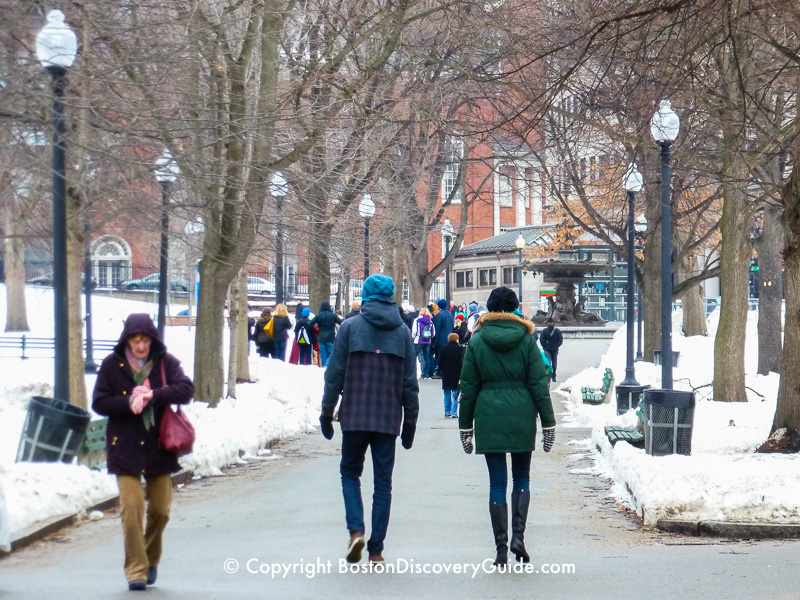
Boston in winter is a magical, albeit cold, experience. Temperatures often hover around freezing, ranging from 20°F (-6°C) to 40°F (4°C), and the city frequently receives snowfall, sometimes heavy. Winter transforms Boston into a postcard-perfect scene, especially around the holidays. While challenging for outdoor enthusiasts, it offers a unique opportunity for cozy, cultural, and budget-friendly travel.
Heavy coats, hats, gloves, scarves, and waterproof boots are absolute necessities. Despite the cold, many activities thrive. Ice skating on the Frog Pond in Boston Common, exploring world-class museums like the Museum of Fine Arts or the Isabella Stewart Gardner Museum, and enjoying the festive decorations are popular pastimes. The holidays bring Christmas markets and New Year’s Eve celebrations, offering a festive lifestyle. Winter is generally the off-peak season for tourism, which means significantly lower accommodation prices, making it ideal for budget travelers or those seeking luxury stays at a more accessible rate. Resorts with indoor amenities, spas, and heated pools become particularly appealing. For long-term stays, you might find attractive rates on serviced apartments, offering a home-away-from-home feel during the colder months. Be mindful that heavy snowfall can occasionally disrupt travel, especially at Logan International Airport, so flexible booking options are a wise choice.
Planning Your Trip: Packing and Activities for Boston Weather

Effective trip planning for Boston hinges on understanding and preparing for its diverse weather patterns. Each season dictates not only what you should pack but also the types of activities and experiences that will be most enjoyable and accessible. From the historic cobblestone streets of Beacon Hill to the modern vibrancy of the Seaport District, Boston’s landscape offers a different canvas for adventure depending on the forecast. Your packing list, choice of attractions, and even your dining preferences will naturally align with the prevailing weather, ensuring a comfortable and fulfilling visit.
Essential Packing Strategies for Every Season
Regardless of when you visit, layering is a universal rule for packing for Boston. Even in summer, evenings can be cooler, and indoor spaces might be air-conditioned. In spring and fall, daily temperature swings mean you might start your day in a jacket and end it in short sleeves, or vice versa.
- Spring: Focus on versatile layers. A waterproof and windproof jacket is non-negotiable. Include sweaters, long-sleeved shirts, and some short-sleeved options. Comfortable, waterproof walking shoes are a must, as you’ll likely encounter rain. Don’t forget an umbrella!
- Summer: Lightweight, breathable fabrics are your friends. Shorts, t-shirts, and sundresses are ideal. Bring a light sweater or jacket for cooler evenings or air-conditioned museums. Sunscreen, a hat, and sunglasses are essential. If you plan on visiting beaches or taking a ferry to places like Martha’s Vineyard or Nantucket, pack swimwear.
- Fall: This is another season for strategic layering. Sweaters, flannels, and a medium-weight jacket are perfect. As the season progresses into November, you’ll need warmer layers, possibly a heavier coat. Comfortable walking shoes are crucial for enjoying the vibrant fall foliage around Boston Common and beyond.
- Winter: This is when you bundle up. A heavy, insulated, and waterproof winter coat is essential. Thermal layers, sweaters, hats, scarves, gloves, and waterproof, insulated boots are non-negotiable. Wool socks will keep your feet warm and dry.
Remember that Boston is a walking city, so comfortable footwear is paramount, regardless of the season.
Seasonal Activities and Local Lifestyle
The weather profoundly impacts the rhythm of life and available activities in Boston.
- Spring: As the city thaws, outdoor markets reappear, and parks like the Public Garden become popular for strolls. St. Patrick’s Day celebrations in South Boston bring lively parades, while the Boston Marathon is a major draw. It’s a great time for historical tours along the Freedom Trail before the summer crowds arrive.
- Summer: This is prime time for outdoor festivals, concerts on the Esplanade, and al fresco dining in neighborhoods like the North End. Boston Harbor cruises, whale watching, and trips to nearby islands are popular. Baseball fans flock to Fenway Park, soaking in the quintessential American summer experience.
- Fall: Beyond the breathtaking foliage, autumn is excellent for exploring Boston’s academic heart in Cambridge, visiting museums like the Museum of Fine Arts or the Isabella Stewart Gardner Museum, and enjoying the many university events. The Head Of The Charles Regatta is a world-renowned rowing event that draws large crowds to the Charles River in October.
- Winter: While outdoor activities are limited, Boston offers a cozy charm. Indoor attractions like the New England Aquarium and the Museum of Science are popular. Holiday markets, ice skating, and enjoying the city’s vibrant theater scene provide warmth and entertainment. Many businesses offer festive decor and special menus around Christmas and New Year’s Eve, making it a magical time for those who don’t mind the cold.
Beyond the Forecast: Indoor Comfort and Accommodation in Boston
While outdoor activities are heavily weather-dependent, Boston offers a wealth of indoor attractions and a diverse range of accommodations designed to ensure comfort regardless of the forecast. Whether you’re seeking refuge from a summer downpour, a winter blizzard, or just a respite from a long day of sightseeing, the city’s hotels and cultural institutions provide inviting havens. This focus on indoor comfort is crucial for a year-round destination like Boston, allowing travelers to experience its rich history and modern amenities without being entirely at the mercy of the elements.
Choosing Your Sanctuary: Hotel Amenities and Location
Your choice of accommodation in Boston should strongly consider the seasonal weather. In summer, properties with air conditioning are essential, and those offering pools, like some luxury hotels in the Back Bay or Seaport District, can be a delightful escape from the heat and humidity. For instance, The Godfrey Hotel Boston in the Downtown Crossing area offers a stylish urban base, often with good climate control.
Conversely, in winter, a hotel with robust heating, cozy common areas, and perhaps an indoor pool or spa can be a true blessing. Proximity to public transportation is also more critical during colder, wetter months, as it minimizes time spent outdoors. Booking accommodations near key indoor attractions like Quincy Market or the Theater District can also be a strategic move. For business stays, selecting hotels with good connectivity to the convention centers or corporate hubs becomes even more important when navigating potentially inclement weather. Consider amenities like complimentary hot beverages in the lobby during winter or a well-equipped fitness center for year-round comfort.
Embracing Indoor Experiences: Culture, Food, and Shopping
Boston’s indoor scene is incredibly rich, offering world-class museums, historic sites, diverse culinary experiences, and extensive shopping opportunities that are perfect for any weather.
- Museums and Galleries: On a rainy spring day or a chilly winter afternoon, explore the vast collections at the Museum of Fine Arts, marvel at the unique architecture and art at the Isabella Stewart Gardner Museum, or delve into science and technology at the Museum of Science. The New England Aquarium offers an immersive underwater experience for all ages.
- Historical Sites: Many of Boston’s pivotal historical sites, such as the Old State House, Paul Revere House, and various churches along the Freedom Trail, offer indoor tours and exhibits that provide fascinating insights into American history, perfectly insulated from the outdoor elements.
- Dining and Culinary Tours: Boston’s food scene is vibrant year-round. From traditional New England clam chowder in a cozy tavern to authentic Italian cuisine in the North End, there are endless indoor dining options. Consider a culinary walking tour in the North End or through Quincy Market for a delicious way to experience local culture indoors.
- Shopping: For those looking for retail therapy, Copley Place and the Prudential Center offer climate-controlled indoor shopping experiences with a range of luxury and mainstream brands. Faneuil Hall Marketplace also provides a mix of indoor and outdoor shopping and dining, with plenty of covered areas.
- Performing Arts: Boston boasts a thriving performing arts scene, with theaters offering Broadway shows, concerts, and local productions throughout the year. Catching a show is an excellent way to spend an evening, particularly during cooler months.
Ultimately, Boston’s weather is an integral part of its charm and character. By understanding its seasonal nuances and leveraging the city’s robust infrastructure of indoor attractions and diverse accommodation options, travelers can craft an unforgettable experience tailored to their preferences, ensuring comfort and enjoyment no matter what the forecast predicts. Whether you’re planning a luxurious escape or a budget-friendly adventure, embracing Boston’s dynamic climate will only enrich your journey through this historic and vibrant city.
LifeOutOfTheBox is a participant in the Amazon Services LLC Associates Program, an affiliate advertising program designed to provide a means for sites to earn advertising fees by advertising and linking to Amazon.com. Amazon, the Amazon logo, AmazonSupply, and the AmazonSupply logo are trademarks of Amazon.com, Inc. or its affiliates. As an Amazon Associate we earn affiliate commissions from qualifying purchases.