
Las Vegas, a city synonymous with dazzling lights, world-class entertainment, and unforgettable experiences, draws millions of visitors each year. Whether you’re planning a romantic getaway, a family adventure, a business trip, or a solo exploration of the iconic Las Vegas Strip, understanding the weather is a crucial element in ensuring a seamless and enjoyable visit. This guide delves into the typical weather patterns in Las Vegas, offering insights into what to expect throughout the year and how to best plan your accommodation and activities based on the climate.
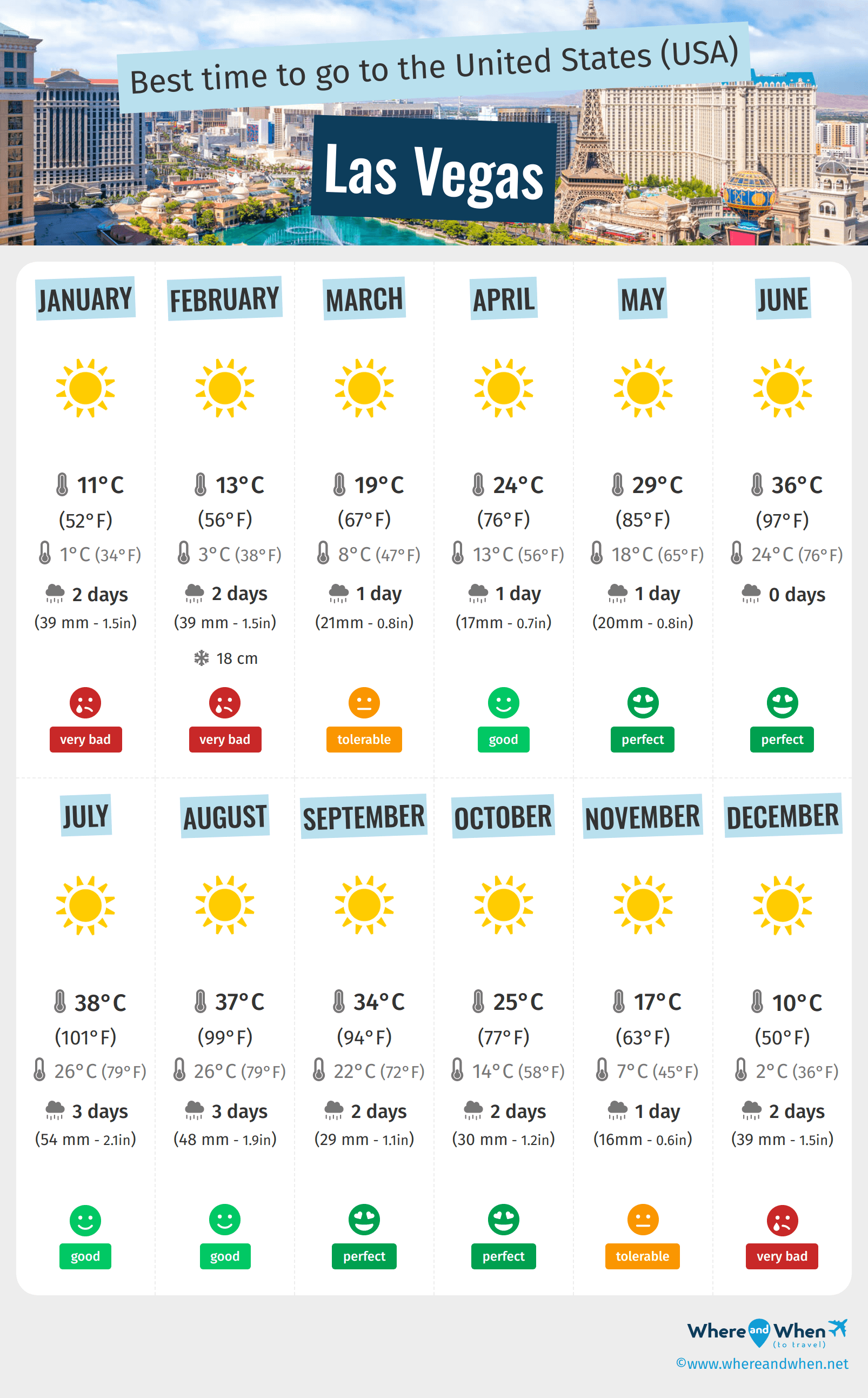
The Mojave Desert climate that defines Las Vegas means that you can generally expect sunshine and warm temperatures. However, like any desert environment, there are distinct seasons, each with its own charm and considerations for travelers. From the scorching heat of summer to the pleasantly mild winters, knowing what to pack and what to do will significantly enhance your Las Vegas experience.
Seasonal Weather Breakdowns and Their Impact on Your Vegas Adventure
Understanding the nuances of Las Vegas weather throughout the year is key to maximizing your enjoyment. Each season offers a unique set of atmospheric conditions that can influence your choice of activities, attractions, and even your hotel selection.
Spring (March – May): Pleasant Beginnings and Outdoor Opportunities
Spring in Las Vegas is often considered one of the most delightful times to visit. The harsh summer heat has yet to fully descend, and the cooler temperatures provide a comfortable backdrop for exploring the city and its surrounding natural beauty.
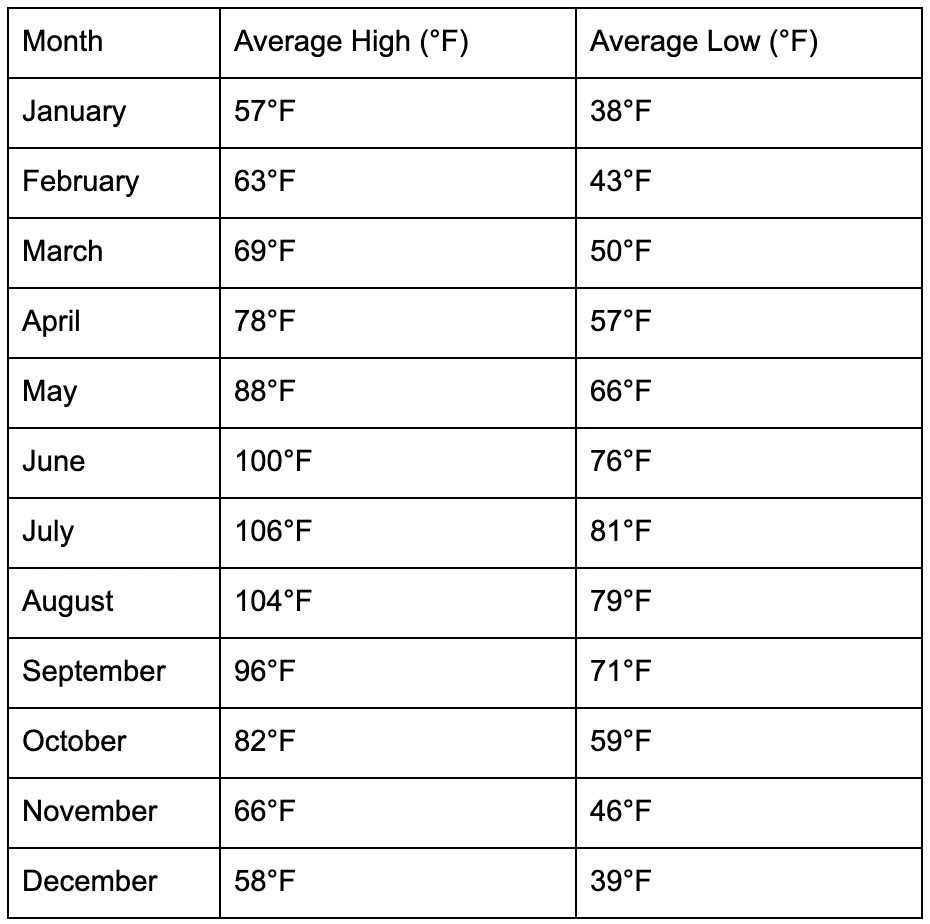
March typically marks the transition into warmer weather, with average daily temperatures gradually rising from the high 60s to the mid-70s Fahrenheit. While evenings can still be a bit cool, requiring a light jacket, the daytime is usually perfect for strolling the Strip, visiting resorts, or venturing out for some outdoor tourism. Rainfall is generally minimal during this period, making it a low-risk month for weather-related disruptions to your plans.
As April progresses, the temperatures climb further, with averages settling into the low to mid-80s Fahrenheit. This is an ideal time for outdoor experiences like exploring the Neon Museum, taking a day trip to Red Rock Canyon National Conservation Area, or enjoying the numerous swimming pools that are a hallmark of Las Vegas hotels. The evenings remain pleasant, allowing for al fresco dining and enjoying the vibrant nightlife.
May signals the approach of summer, with temperatures frequently reaching the high 80s and even crossing into the 90s Fahrenheit. The days are long and sunny, perfect for soaking up the sun at a luxurious resort pool or exploring landmarks like the Bellagio Conservatory & Botanical Gardens. While still comfortable for most activities, if you’re sensitive to heat, you might want to schedule strenuous outdoor activities for the early morning or late afternoon.
The Spring Break period can see an influx of visitors, so booking your accommodation and popular attractions in advance is highly recommended, regardless of the weather. The pleasant climate during spring makes it a prime season for budget travel as well, with more affordable deals on hotels before the peak summer crowds arrive.
Summer (June – August): Embrace the Heat and Indoor Delights
Summer in Las Vegas is synonymous with intense heat. The desert sun blazes fiercely, making outdoor activities during the peak hours of the day challenging for those not accustomed to such temperatures.
June typically sees temperatures soaring into the 90s Fahrenheit, often exceeding 100°F. The air is dry, and the sunshine is relentless. This is the season where Las Vegas truly showcases its indoor lifestyle. Hotels and resorts become oases of cool air-conditioned comfort, offering a plethora of activities from elaborate shows and world-class dining to thrilling casino floors and relaxing spa treatments. Pool parties are at their peak, with many resorts featuring elaborate pool complexes designed for maximum enjoyment.
July is usually the hottest month, with daily highs consistently above 100°F, often reaching 105-110°F. Direct sunlight can be intense, so staying hydrated and seeking shade is paramount if you plan to be outdoors. This is the perfect time to delve into the city’s cultural offerings, explore indoor attractions like the Mob Museum, or enjoy a performance at one of the many theaters. The iconic Fountains of Bellagio show is particularly magical in the evening when the cooler air provides a welcome respite.
August continues the summer heat, with temperatures remaining in the triple digits. While the heat is a significant factor, it doesn’t deter visitors from experiencing what Las Vegas has to offer. Smart planning, such as planning business stays with indoor meetings and evening entertainment, or family trips focused on indoor theme parks and attractions, becomes essential. As August draws to a close, you might notice a slight decrease in the intensity of the heat, hinting at the coming autumn.
For summer travelers, accommodation with excellent pool facilities is a major draw. Many villas and apartments also offer private pools, providing an exclusive escape from the heat. Remember to pack light, breathable clothing, sunscreen, hats, and plenty of water.
Autumn (September – November): A Return to Comfortable Exploration
As the summer heat begins to wane, autumn ushers in a period of incredibly pleasant weather in Las Vegas, making it another highly sought-after season for travel.
September still carries some of the summer’s warmth, with daytime temperatures often in the high 80s and low 90s Fahrenheit. However, the intensity of the sun begins to soften, and the evenings become noticeably cooler and more comfortable. This transition period is ideal for those who enjoy warm days but prefer not to endure extreme heat. Outdoor activities like hiking in Valley of Fire State Park or exploring the Arts District become more appealing.
October is arguably one of the best months for weather in Las Vegas. Average daily temperatures hover in the comfortable mid-70s Fahrenheit, with cooler evenings perfect for enjoying the vibrant nightlife or attending outdoor events. The Halloween season can bring themed events and decorations across the Strip, adding an extra layer of excitement to your visit. This is an excellent time for luxury travel and experiencing the fine dining and entertainment Las Vegas is famous for.
November continues the trend of mild and pleasant weather, with daytime temperatures typically in the 60s Fahrenheit. The evenings can become quite crisp, sometimes dipping into the 40s, so packing warmer layers is advised. This is a fantastic time to explore the city on foot, visit historical landmarks, or take advantage of the increasing number of holiday-themed events that begin to pop up. The start of the holiday season brings a unique festive atmosphere to Las Vegas, with elaborate decorations adorning many of the resorts.
Autumn is a great time for budget travel as well, as the crowds thin out slightly after the summer rush, potentially leading to more competitive deals on hotels and flights. The comfortable climate also makes it ideal for longer stays, allowing you to explore more of the local culture and food scene without being constrained by extreme temperatures.
Winter (December – February): Mild Days and Crisp Nights
Las Vegas winters are characterized by mild daytime temperatures and cool to cold nights. While not as extreme as in many other parts of the United States, it’s a distinct shift from the scorching summers.
December sees average daytime temperatures in the 50s Fahrenheit, with nights often dropping into the 30s. While you might not be lounging by the pool during the day, the weather is perfectly suitable for sightseeing, shopping, and enjoying indoor entertainment. The city is famously decorated for the holidays, with stunning light displays and festive events that create a magical atmosphere. Many resorts offer special holiday packages, making it an attractive time for family trips and festive celebrations.
January and February are the coolest months. Daytime temperatures typically range from the high 40s to the low 50s Fahrenheit, and nights can be chilly, often falling below freezing. Snowfall in Las Vegas is rare but not unheard of, particularly in the surrounding mountainous areas. Despite the cooler temperatures, the abundant sunshine usually makes for pleasant days for exploring attractions like the Eiffel Tower Viewing Deck or the High Roller Observation Wheel. This is also a good time to experience some of Las Vegas‘s renowned foodie scene and warm up in cozy restaurants.
For winter visitors, packing layers is essential. A warm coat, sweaters, and comfortable walking shoes are must-haves. While pool time might be limited, many hotels offer heated pools or indoor aquatic centers. The cooler weather can also be an advantage for those looking to enjoy the natural beauty of the Grand Canyon on a day trip, as the crowds are thinner, and the temperatures are more manageable for hiking.
Winter is also a prime time for business stays, as conferences and conventions are frequently held during these months. The milder climate compared to many other cities makes Las Vegas an attractive destination for corporate events.
Packing Smart: Tailoring Your Wardrobe to Las Vegas Weather
The key to enjoying your Las Vegas vacation, regardless of the season, is packing appropriately. Here’s a guide to help you dress for success in the desert climate:
Spring and Autumn Essentials
During spring and autumn, Las Vegas offers the most versatile weather, allowing for a wide range of packing options.
- Daytime: Lightweight, breathable clothing is your best bet. Think t-shirts, blouses, shorts, skirts, and light trousers. For April and May in spring, or September and October in autumn, you might want to include some lighter dresses or polo shirts.
- Evenings: As the sun sets, temperatures can drop considerably. A light jacket, cardigan, or a stylish shawl is highly recommended. For those cooler evenings in late autumn, a slightly warmer jacket might be necessary.
- Footwear: Comfortable walking shoes are non-negotiable, as you’ll likely be doing a lot of exploring on foot along the Strip and at various attractions. Sandals are great for warmer days, while closed-toe shoes are better for cooler evenings or if you plan on extended walking.
- Sun Protection: Even in cooler months, the desert sun can be strong. Pack sunglasses, a hat, and sunscreen.
Summer Survival Gear
Summer in Las Vegas demands a focus on staying cool and protected from the intense heat.
- Clothing: Prioritize very light and airy fabrics like cotton and linen. Opt for shorts, tank tops, sundresses, and loose-fitting trousers. The less fabric, the better, during the peak heat of June, July, and August.
- Swimwear: With numerous pools and water activities, swimwear is a must. Many resorts have elaborate pool complexes, and some apartments and villas offer private pools.
- Footwear: Sandals, flip-flops, and breathable sneakers are ideal. You’ll want footwear that allows your feet to breathe in the heat.
- Sun Protection: This is absolutely critical. Pack a wide-brimmed hat, high SPF sunscreen, sunglasses, and consider bringing a light, long-sleeved cover-up for added sun protection during outdoor excursions.
- Hydration: While not clothing, carrying a reusable water bottle is a smart move. Staying hydrated is paramount in the summer heat.
Winter Wardrobe Considerations
Las Vegas winters are mild but can be cool, especially in the evenings.
- Layering is Key: This is the most important strategy for winter packing. Start with a base layer of t-shirts or long-sleeved tops.
- Mid Layers: Add sweaters, fleece jackets, or cardigans.
- Outerwear: A medium-weight jacket or coat is essential for evenings and cooler days. Consider one that is wind-resistant.
- Bottoms: Jeans, comfortable trousers, or thicker leggings are suitable.
- Footwear: Closed-toe shoes are a must. Boots can be comfortable and stylish for evening outings.
- Accessories: A scarf and gloves can be welcome additions for chilly evenings.
Beyond the Temperature: Other Weather Factors to Consider
While temperature is the most obvious weather factor, other elements can influence your Las Vegas travel plans.
Rainfall and Humidity
Las Vegas is famously arid, meaning humidity levels are generally very low. This can be a blessing, as it makes the heat feel less oppressive than in more humid climates. However, it also means you need to be extra diligent about staying hydrated.
Rainfall is infrequent, especially during the spring, summer, and autumn months. When it does rain, it often comes in the form of brief, intense thunderstorms, particularly during the monsoon season which can occur in late summer. These storms are usually short-lived but can cause temporary disruptions to outdoor activities. It’s always wise to check the forecast for any unusual weather patterns before your trip.
Wind
While not a significant factor year-round, occasional windy conditions can occur, particularly in the desert environment. This is usually more noticeable if you plan to explore areas outside the city, such as Red Rock Canyon. It’s unlikely to significantly impact your Las Vegas hotel stay or your experience on the Strip, but it’s something to be aware of if you’re planning outdoor adventures.
Air Quality
As a desert city with significant traffic, Las Vegas can occasionally experience elevated levels of dust or pollutants. This is generally not a major concern for most visitors, but individuals with respiratory sensitivities may want to monitor air quality reports during their stay.
In conclusion, Las Vegas offers a climate that, for much of the year, is conducive to enjoying its vast array of attractions, entertainment, and lifestyle offerings. By understanding the seasonal weather patterns and packing accordingly, you can ensure your trip to this iconic desert oasis is as comfortable and memorable as possible. Whether you’re drawn by the allure of the casinos, the world-class dining, the breathtaking landmarks, or simply the promise of a good time, a little weather-wise preparation goes a long way in making your Las Vegas adventure a resounding success.