
Planning a trip to the vibrant city of Miami involves more than just booking flights and accommodation; understanding the local climate is crucial for packing the right gear and scheduling the perfect activities. Whether you’re dreaming of sun-drenched days on the beach, exploring iconic landmarks, or indulging in the lively nightlife, Miami’s weather plays a significant role in shaping your experience. This guide delves into what you can expect from Miami’s weather throughout the year, offering insights to help you make the most of your visit to this captivating Floridian metropolis.
Miami is renowned for its tropical monsoon climate, characterized by hot, humid summers and warm, drier winters. This distinct weather pattern is largely influenced by its southeastern location in Florida, a state that juts out into the Atlantic Ocean, bringing with it maritime influences and proximity to the warm Gulf Stream current. The city experiences a pronounced wet season and a distinct dry season, with temperature fluctuations being less extreme compared to continental climates. Understanding these nuances will empower you to tailor your travel plans, from choosing the ideal time to visit to knowing what to pack for your adventures, be it a relaxing stay at a luxurious resort or an active exploration of its many attractions.
Decoding Miami’s Climate: A Seasonal Overview
Miami’s weather is best understood by breaking it down into its two primary seasons: the wet season and the dry season. Each offers a unique set of conditions that can influence your travel decisions and the types of activities you might enjoy.
The Wet Season: Summer’s Embrace (June to October)
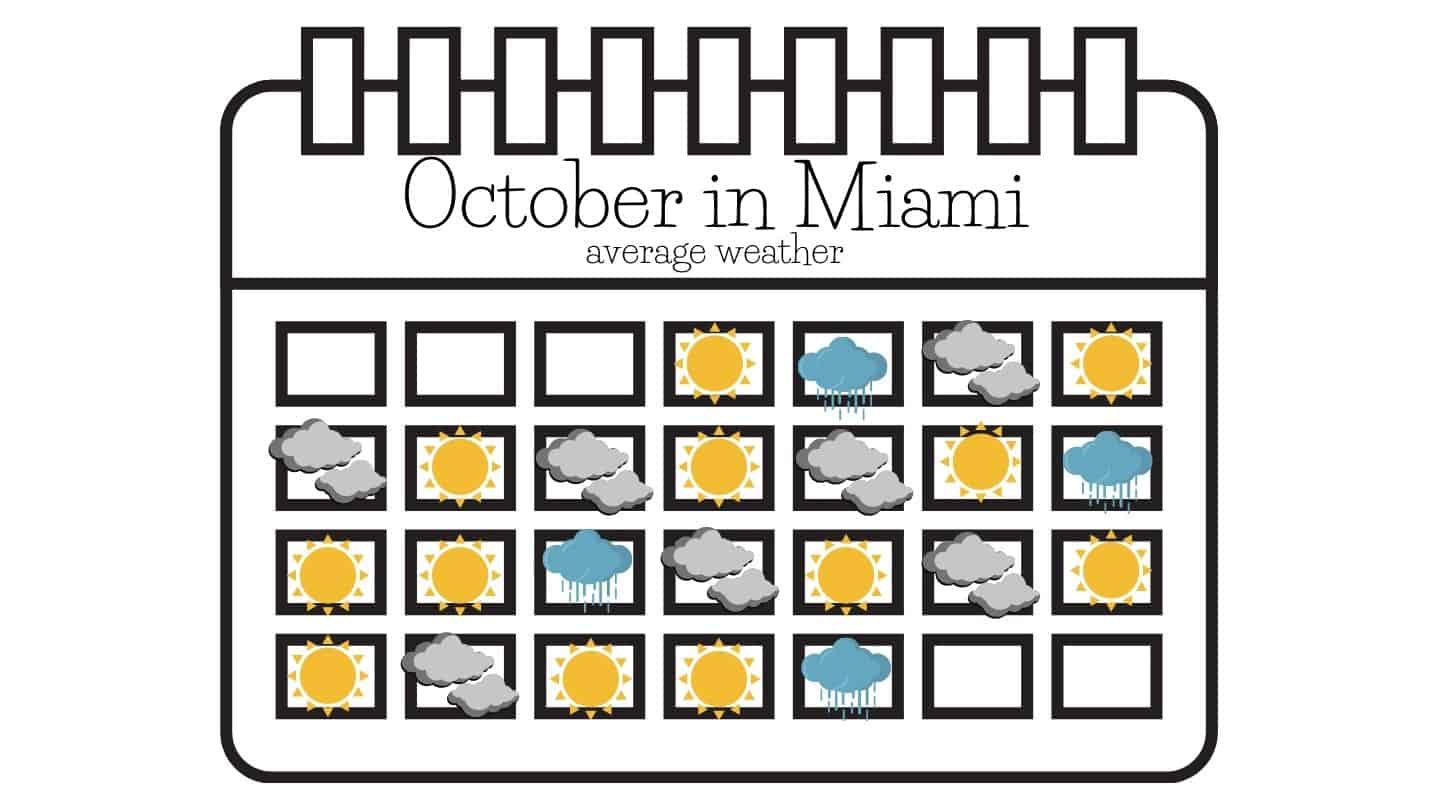
The months from June through October constitute Miami’s wet season, a period dominated by heat, humidity, and a higher probability of rainfall. This season aligns with the summer months in the Northern Hemisphere, and the weather reflects this with consistently high temperatures and a palpable sense of tropical intensity.
High Temperatures and Humidity:
During the wet season, daily temperatures in Miami typically hover in the upper 80s to low 90s Fahrenheit (around 30-33°C). However, the significant factor that makes these temperatures feel even hotter is the high humidity. Dew points are often in the mid-70s Fahrenheit, leading to a “feels like” temperature that can easily reach the low 100s Fahrenheit. This pervasive humidity can make outdoor activities feel more strenuous, so staying hydrated and seeking air-conditioned environments during the hottest parts of the day is advisable. Popular spots like the beaches of South Beach or the vibrant streets of Wynwood can be enjoyed, but planning for breaks in indoor attractions or under the shade of a beachfront cabana is key.
Afternoon Thunderstorms:
A hallmark of Miami’s wet season is the almost daily occurrence of afternoon thunderstorms. These are typically brief but intense, often characterized by heavy downpours, lightning, and sometimes strong gusts of wind. They usually develop in the early afternoon, fueled by the intense solar heating of the moist air, and dissipate as quickly as they arrive, often clearing up before sunset. While these storms can interrupt outdoor plans, they also bring a welcome, albeit temporary, cooling effect. They are rarely an all-day affair and often occur after a sunny morning. This means that morning activities are usually safe, and evenings can often be clear and pleasant after a brief deluge. Experiencing these tropical storms can even be part of the unique charm of a Miami visit, offering dramatic skies and a refreshing break from the heat.
Hurricane Season:
It’s important to note that the wet season in Miami also coincides with hurricane season, which officially runs from June 1st to November 30th. While hurricanes are infrequent and not a daily concern, there is a heightened risk of tropical storms and hurricanes, particularly between August and October. Visitors traveling during this period should stay informed about weather forecasts, monitor advisories from the National Hurricane Center, and have a contingency plan in place. Many hotels, including renowned establishments like the Fontainebleau Miami Beach, have robust hurricane preparedness plans to ensure guest safety.
The Dry Season: Winter’s Mild Charm (November to May)
The dry season in Miami, spanning from November to May, offers a stark contrast to the summer months, characterized by milder temperatures, lower humidity, and less rainfall. This period is often considered the most pleasant time to visit, attracting a significant influx of tourists seeking a respite from colder climates elsewhere.
Pleasant Temperatures and Lower Humidity:
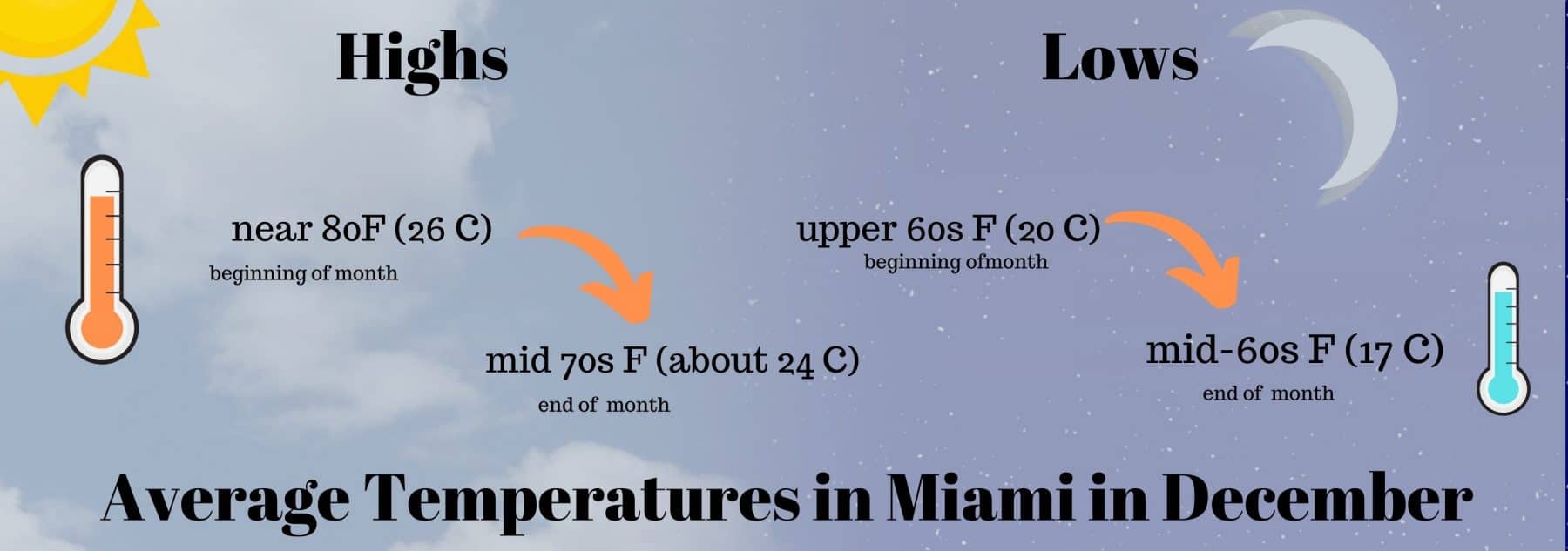
During the dry season, daytime temperatures in Miami typically range from the mid-70s to low 80s Fahrenheit (around 24-28°C). Nights can be cooler, often dropping into the 60s Fahrenheit (around 15-20°C), making for comfortable evenings. The humidity levels are significantly lower than in the summer, making the air feel much drier and more comfortable. This creates an ideal environment for exploring the city’s many outdoor attractions, from strolling along the historic Art Deco Historic District in Miami Beach to enjoying boat tours through the Biscayne Bay. The comfortable climate makes it perfect for activities like visiting Vizcaya Museum & Gardens or exploring the bustling markets.
Minimal Rainfall:
Rainfall is significantly reduced during the dry season, with only occasional light showers. These are typically much less disruptive than the heavy thunderstorms of the wet season and are often short-lived. This predictability in weather allows for more consistent planning of outdoor activities and events. Visitors can confidently schedule outdoor dining, beach days, and excursions to places like the Everglades National Park without the constant worry of a sudden downpour. The sunshine hours are plentiful, offering ample opportunities for sunbathing, water sports, and exploring the diverse landscapes Miami has to offer.
Peak Tourist Season:
Due to the exceptionally pleasant weather, the dry season, particularly from December through April, is considered peak tourist season in Miami. This means higher hotel rates and larger crowds at popular attractions. If you’re planning a visit during this time, booking accommodation and tours well in advance is highly recommended. Staying at boutique hotels or considering off-peak periods within the dry season can offer a more relaxed experience. For example, booking a stay at the Faena Hotel Miami Beach in January might be more competitive than in March.
Planning Your Miami Adventure: Weather-Informed Tips
Understanding Miami’s climate is instrumental in maximizing your enjoyment. Whether you’re a seasoned traveler or planning your first trip, tailoring your itinerary and packing list to the expected weather can make all the difference.
Packing Essentials for Every Season
Your wardrobe for a Miami trip should be dictated by the season you’re visiting. The overarching theme is lightweight, breathable clothing, but specific items will enhance your comfort.
For the Wet Season (June to October):
- Lightweight, Quick-Dry Clothing: Think cotton or linen fabrics that dry quickly after a sudden downpour or if you get caught in humidity. Shorts, t-shirts, and sundresses are ideal.
- Rain Gear: A light, packable raincoat or umbrella is essential for those frequent afternoon showers.
- Waterproof Footwear: Sandals or waterproof shoes are practical for navigating wet streets.
- Sun Protection: High SPF sunscreen, a wide-brimmed hat, and sunglasses are crucial to protect against the intense sun, even during rainy periods.
- Insect Repellent: Humidity can attract mosquitoes, especially in the evenings.
For the Dry Season (November to May):
- Light Layers: While generally warm, evenings can sometimes be cooler, especially by the coast. A light sweater or jacket can be useful.
- Swimwear: Essential for enjoying Miami’s world-class beaches like Lummus Park or hotel pools.
- Casual Daytime Wear: Shorts, t-shirts, skirts, and comfortable walking shoes are perfect for exploring.
- Slightly Dressier Options: For dining in renowned restaurants or experiencing the nightlife in areas like Brickell, pack some smart-casual or evening wear.
- Sun Protection: Even in the drier months, the Florida sun is strong. Sunscreen, hats, and sunglasses remain important.
Regardless of the season, comfortable walking shoes are a must for exploring landmarks like the Bayside Marketplace or the vibrant streets of Little Havana. Don’t forget any necessary medications, a portable phone charger, and travel documents.
Activities Aligned with Miami’s Climate
Miami’s diverse range of attractions can be enjoyed year-round, but the weather can influence the best way to experience them.
Embracing the Sun and Sea:
Miami’s coastline is its biggest draw. Whether you’re looking for the bustling atmosphere of Ocean Drive or a more serene experience at Crandon Park Beach, the beach is always an option. The dry season offers the most predictable conditions for extended sunbathing and water sports like jet-skiing or paddleboarding. During the wet season, mornings are often the best time for beach activities before the afternoon thunderstorms roll in.
Cultural Immersion and Sightseeing:
Exploring Miami’s rich cultural tapestry is a pleasure in any weather. The dry season is ideal for walking tours of neighborhoods like the Design District or the aforementioned Art Deco Historic District. Museums like the Pérez Art Museum Miami and the Phillip and Patricia Frost Museum of Science offer excellent indoor escapes during any rain showers. Even in the wet season, a morning visit to the vibrant street art of Wynwood Walls or a tour of iconic architecture can be very rewarding, followed by an afternoon exploring a museum or enjoying the amenities at a luxury hotel like the Four Seasons Hotel Miami.
Culinary Delights and Nightlife:
Miami’s food scene is a year-round celebration, from casual eateries in Coconut Grove to upscale dining in Brickell. Outdoor dining is more consistently enjoyable during the dry season, but many restaurants offer covered patios or indoor seating perfect for any weather. Miami’s nightlife, a significant part of its lifestyle, thrives regardless of the climate. Rooftop bars offer stunning views, and clubs provide an energetic escape, making for memorable evenings throughout the year.
Navigating Travel During Peak and Off-Peak Times
The weather significantly influences the ebb and flow of tourism in Miami, impacting everything from accommodation prices to crowd sizes.
Peak Season (November to May):
As highlighted, the dry season is the most popular time to visit Miami. This is when the city buzzes with activity, from outdoor festivals to international sporting events. The pleasant weather attracts snowbirds from colder climates and international visitors seeking sunshine. If you plan to travel during this period, expect:
- Higher Prices: Flights and accommodation, especially at sought-after hotels like the Ritz-Carlton Key Biscayne, will be at their highest.
- Larger Crowds: Popular attractions, beaches, and restaurants will be busier. Booking in advance is crucial for popular tours and dining experiences.
- Ideal Conditions: The trade-off for higher prices and crowds is the near-perfect weather, making it ideal for outdoor exploration and relaxation.
Shoulder Seasons (April-May and October-November):
These transitional periods can offer a great balance between good weather and fewer crowds.
- Late Spring (April-May): The weather remains pleasant, though humidity begins to increase, and the chance of rain rises. You might find slightly better deals on accommodation compared to peak winter months.
- Late Fall (October-November): This is after the peak of hurricane season and before the major holiday rush. The weather is typically warm and less humid, with a lower chance of rain. It’s an excellent time for enjoying outdoor activities without the intense summer heat.

Off-Peak Season (June to September):
The wet season, despite its challenges, can be an attractive option for budget-conscious travelers or those who don’t mind occasional rain.
- Lower Prices: Flights and hotel rates are significantly lower during this period. This could be an opportunity to experience luxury accommodations like the Turnberry Isle Miami Resort & Club at a fraction of the peak season cost.
- Fewer Crowds: Attractions will be less crowded, offering a more relaxed experience.
- Weather Considerations: Be prepared for heat, high humidity, and frequent afternoon thunderstorms. It’s essential to have flexible plans and indoor alternatives. The risk of hurricanes also increases during this time, so staying informed and having travel insurance is advisable.
By considering these seasonal variations and planning accordingly, your trip to Miami can be an unforgettable experience, perfectly suited to your preferences and budget, no matter what the weather forecast holds.
LifeOutOfTheBox is a participant in the Amazon Services LLC Associates Program, an affiliate advertising program designed to provide a means for sites to earn advertising fees by advertising and linking to Amazon.com. Amazon, the Amazon logo, AmazonSupply, and the AmazonSupply logo are trademarks of Amazon.com, Inc. or its affiliates. As an Amazon Associate we earn affiliate commissions from qualifying purchases.