
As the sun-drenched shores of Miami beckon, one of the most crucial elements for planning an unforgettable trip is understanding its ever-shifting climate. Whether you’re dreaming of lounging on the iconic beaches of South Beach, exploring the vibrant Art Deco Historic District, or indulging in the rich culture of Little Havana, the weather will undoubtedly play a significant role in shaping your experiences. This comprehensive guide delves into the typical weather patterns of Miami, Florida, offering insights to help you pack wisely and make the most of your visit, no matter the season.
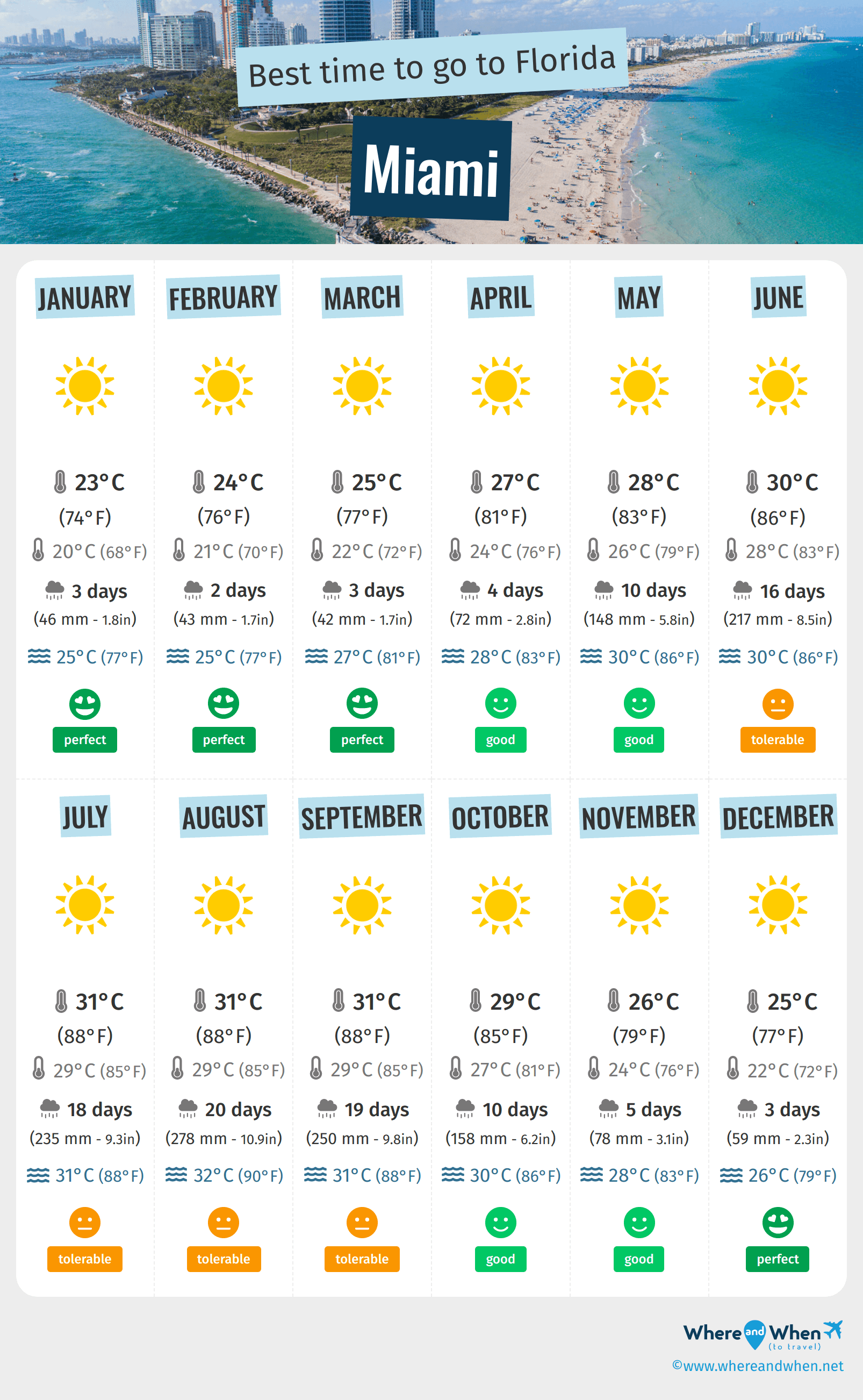
Miami, a jewel of the Florida Keys, is renowned for its subtropical climate, characterized by warm temperatures year-round and a distinct wet and dry season. This means that regardless of when you choose to visit, you can generally expect sunshine and balmy conditions, though preparedness for occasional rain showers is always advisable.
Understanding Miami’s Seasonal Climate
Miami’s weather can be broadly divided into two main seasons: the dry season (winter and spring) and the wet season (summer and fall). Each brings its own unique ambiance and a different set of considerations for travelers.
The Dry Season: Pleasant and Picture-Perfect
From roughly November to April, Miami experiences its dry season. This period is often considered the most idyllic time to visit, boasting comfortable temperatures, lower humidity, and less rainfall.
Winter (December – February)
Winter in Miami is a welcome escape for many from colder climates. Average temperatures hover around the comfortable mid-70s Fahrenheit (around 24 degrees Celsius), with evenings offering a gentle coolness, occasionally dipping into the 60s Fahrenheit (around 15-20 degrees Celsius). Humidity is at its lowest during these months, making outdoor activities particularly enjoyable. Sunshine is abundant, with clear blue skies being the norm. This is the peak tourist season for a reason – the weather is simply spectacular for exploring the city’s numerous attractions.
When visiting during the winter months, packing light, breathable clothing is still key. However, a light jacket or sweater might be appreciated for cooler evenings, especially if you plan on dining outdoors or enjoying a stroll along the waterfront after sunset. Sunglasses, sunscreen, and a hat are absolute essentials, as the sun’s rays remain strong even in the “cooler” months. This is also an excellent time to explore the natural beauty of the nearby Everglades National Park or take a day trip to the Florida Keys. For those seeking luxury, resorts like the Fontainebleau Miami Beach offer prime beachfront access perfect for soaking up the winter sun.
Spring (March – April)
Spring continues the delightful weather trends of winter, with temperatures gradually warming up. March is typically still quite dry and pleasant, while April sees a slight increase in both temperature and humidity as summer approaches. Expect daytime temperatures to range from the mid-70s to the low 80s Fahrenheit (around 24-28 degrees Celsius). The beaches are lively, and outdoor festivals and events begin to proliferate. This is a fantastic time for water sports, exploring the colorful murals in the Wynwood Walls, or enjoying a leisurely bike ride through Key Biscayne.
As spring progresses into April, the chance of isolated afternoon showers increases, though these are typically brief and followed by sunshine. Packing for spring is similar to winter, with a focus on light clothing, swimwear, and sun protection. However, carrying a light umbrella or a rain jacket might be a prudent addition, especially for late April visits. This is also a popular time for families, and the pleasant weather makes it ideal for visiting attractions like the [Miami Seaquarium](https://lifeoutofthebox.com/miami- જુ).
The Wet Season: Heat, Humidity, and Afternoon Thunderstorms
The wet season in Miami spans from May through October, characterized by higher temperatures, increased humidity, and the almost daily occurrence of afternoon thunderstorms. While this might sound less appealing, it’s important to remember that these storms are often short-lived and can provide a refreshing break from the heat.
Summer (May – August)
Summer in Miami is undeniably hot and humid. Daytime temperatures frequently reach into the upper 80s and even 90s Fahrenheit (around 31-37 degrees Celsius), with the heat index often making it feel even hotter. Humidity levels are high, which can make the heat feel more intense. The defining characteristic of Miami summers, however, is the consistent pattern of afternoon thunderstorms. These storms typically develop rapidly, bringing heavy downpours, lightning, and strong winds, but they usually clear up as quickly as they arrive, often by early evening.
Despite the heat and humidity, summer is a vibrant time in Miami. The beaches remain popular, and the city’s nightlife is in full swing. It’s also a great time for indoor activities, such as visiting world-class museums like the Pérez Art Museum Miami or exploring the trendy shops and restaurants in areas like Brickell City Centre. For those who don’t mind the heat, early mornings and late evenings offer the most comfortable times for outdoor exploration. Packing for summer should focus on lightweight, moisture-wicking fabrics, plenty of swimwear, and, crucially, a good umbrella or rain poncho. Staying hydrated is paramount, so always carry a water bottle. Many hotels, such as the W South Beach, offer excellent pool facilities for cooling off.
Fall (September – October)
As summer transitions into fall, the weather patterns largely remain consistent with high heat and humidity. September and October are often the warmest months of the year. The likelihood of afternoon thunderstorms continues, and this period also falls within hurricane season, which officially runs from June 1st to November 30th. While a direct hit from a hurricane is infrequent, it’s a possibility to be aware of when planning a trip during these months. Travel insurance is highly recommended for any trips booked during this time.
The defining characteristic of fall in Miami is the continued warmth and the presence of the wet season’s thunderstorms. Temperatures will still be in the 80s Fahrenheit (around 27-32 degrees Celsius), and humidity remains high. As the season progresses into late October, there might be a slight hint of cooler, drier air, but it’s generally not significant until November. Like summer, embrace early morning activities, enjoy the air-conditioned indoors, and be prepared for sudden downpours. This is a good time to experience the culinary delights of Miami, from Cuban coffee in Little Havana to high-end dining in South of Fifth.
Impact of Weather on Activities and Experiences
The weather in Miami has a profound impact on the types of activities you can enjoy and the overall experience you will have. Understanding these nuances can help you tailor your itinerary to maximize your enjoyment.
Beach and Outdoor Activities
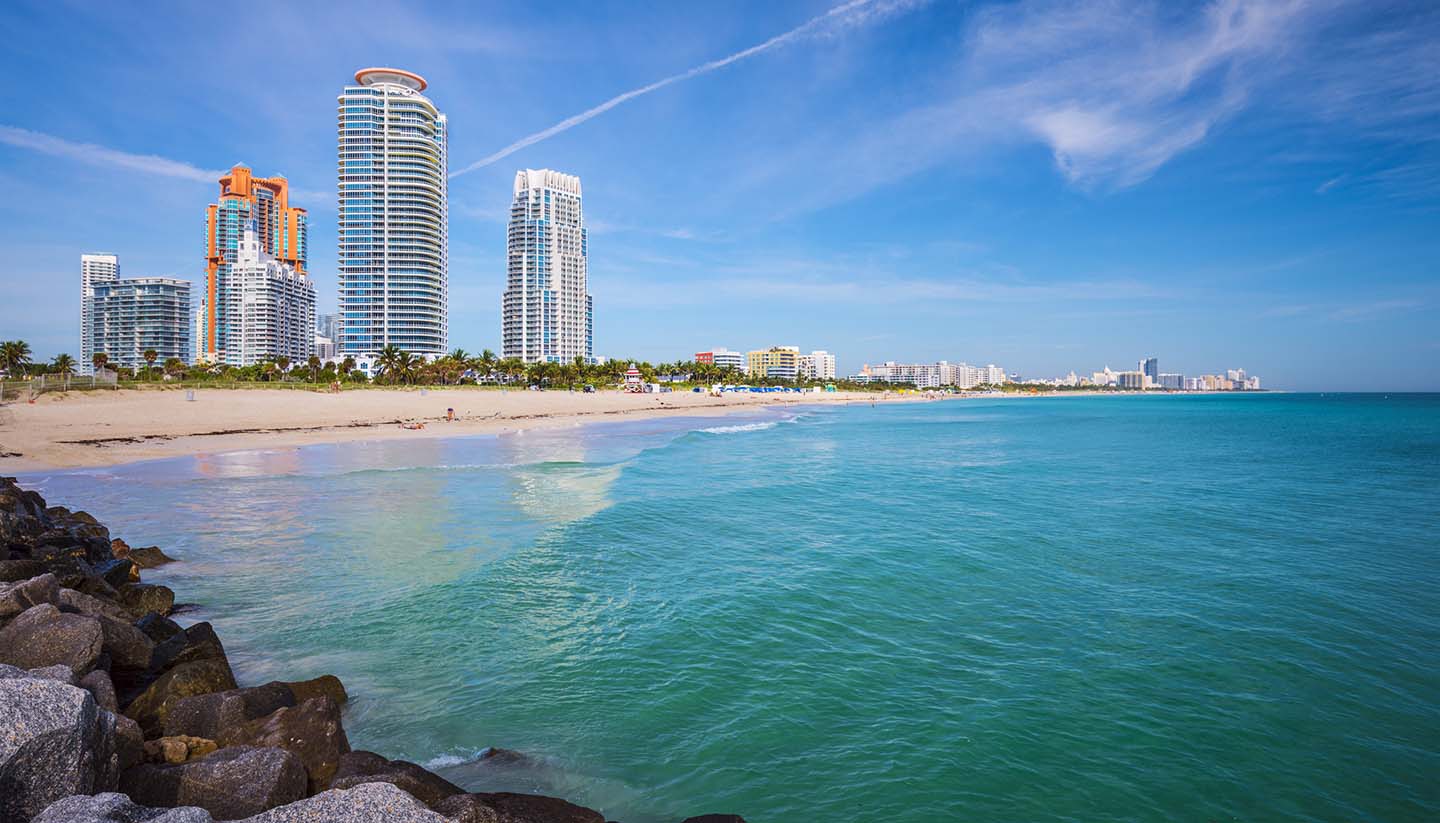
Miami’s world-famous beaches are undeniably a major draw, and the weather dictates their usability. The dry season, with its lower humidity and pleasant temperatures, is unequivocally the best time for extended beach days, swimming, sunbathing, and water sports like paddleboarding and jet skiing. The sun is strong, so sun protection is vital year-round.
During the wet season, especially in the summer, beach visits might be shorter, often punctuated by the need to seek shelter from afternoon storms. However, mornings can still be glorious, and many visitors enjoy the vibrant atmosphere even with the possibility of rain. The heat can also make prolonged sun exposure uncomfortable for some. For those who appreciate a vibrant, lively atmosphere, the summer can be exciting, with many events and festivals taking place.
Cultural and Urban Exploration
Miami’s rich cultural tapestry, from the historic architecture of the Art Deco Historic District to the lively streets of Wynwood and Little Havana, can be explored year-round. However, the comfortable temperatures of the dry season make walking tours, exploring outdoor markets, and simply strolling through neighborhoods much more pleasant.
In the wet season, while outdoor exploration is still possible, it often requires more strategic planning. Consider visiting popular outdoor attractions earlier in the day or opting for more indoor cultural experiences like museums, galleries, and indoor shopping centers such as Bayside Marketplace. The heat and humidity of summer can make extensive walking tours feel taxing, so shorter excursions followed by refreshing breaks in air-conditioned cafes or shops are often preferred.
Dining and Nightlife
Miami’s culinary scene and vibrant nightlife are largely resilient to the weather. Whether it’s a beachfront restaurant in South Beach or a trendy cocktail bar in Brickell, dining and nightlife options are abundant and enjoyable regardless of the season.
Outdoor dining experiences are more prevalent and comfortable during the dry season. Many restaurants offer al fresco seating, allowing you to soak in the Miami ambiance. During the wet season, especially in the summer, dining may shift more indoors, though many establishments still offer covered outdoor seating or create a magical experience even amidst the rain. The energy of Miami’s nightlife is year-round, with clubs and bars offering a cool escape from the tropical nights.
Tips for Packing and Planning
To ensure your trip to Miami is as comfortable and enjoyable as possible, thoughtful packing and planning based on the weather are essential.
Packing Essentials by Season
Dry Season (November – April)
- Lightweight clothing: Cotton t-shirts, shorts, skirts, sundresses.
- Swimwear: Essential for the beach and hotel pools.
- Light jacket or sweater: For cooler evenings.
- Comfortable walking shoes: For exploring the city.
- Sandals or flip-flops: For beach and casual wear.
- Sunscreen, hat, sunglasses: High SPF sunscreen is crucial year-round.
- Light rain jacket or umbrella: While dry, brief showers can occur.
Wet Season (May – October)
- Moisture-wicking fabrics: To help manage humidity.
- Breathable clothing: To stay cool in the heat.
- Plenty of swimwear: For enjoying the water.
- Lightweight rain jacket or poncho: Essential for daily afternoon storms.
- Quick-drying shoes or sandals: To avoid discomfort from getting wet.
- Insect repellent: Especially if planning excursions into more natural areas.
- Sunscreen, hat, sunglasses: Still vital due to strong tropical sun.
- Consider travel insurance: Due to the potential for hurricanes.
Planning Your Itinerary
When planning your itinerary, it’s always wise to have a mix of indoor and outdoor activities. During the dry season, you can be more ambitious with outdoor plans. However, even then, scheduling some indoor downtime is a good idea to escape the midday sun.
In the wet season, building flexibility into your schedule is key. Plan your outdoor excursions for the mornings, leaving afternoons open for indoor attractions or relaxation. Be prepared for sudden changes in weather and have alternative plans ready. Many attractions, like the Vizcaya Museum & Gardens, offer both indoor and outdoor elements, allowing for enjoyment regardless of a brief shower.
Accommodation Considerations
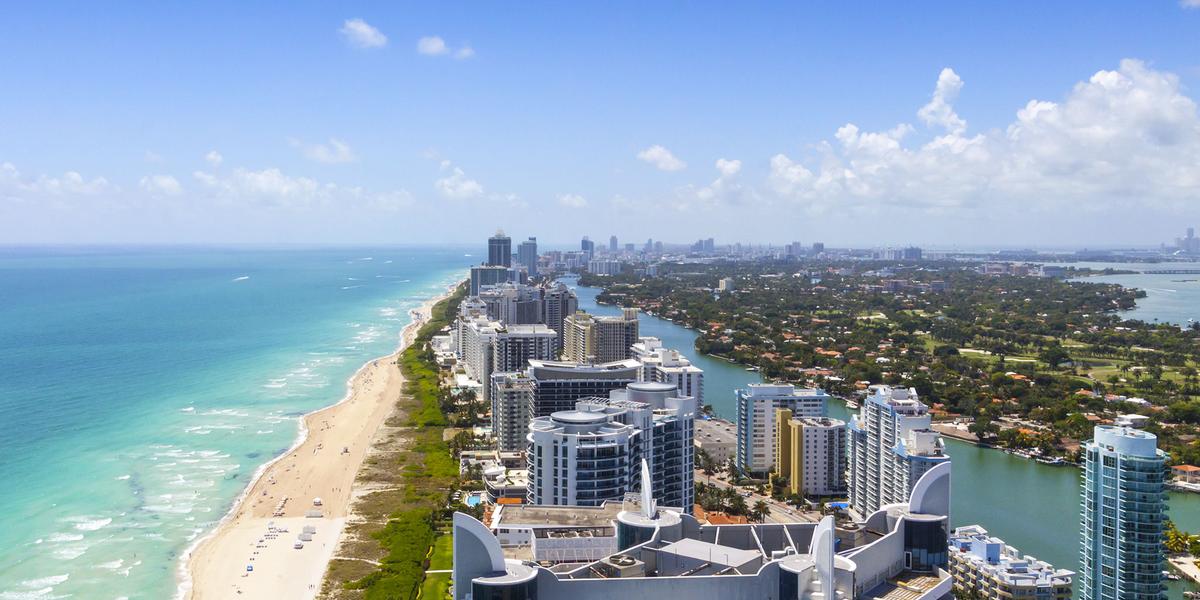
The type of accommodation you choose can also be influenced by the weather. Many hotels in Miami, from luxurious resorts like the Faena Hotel Miami Beach to more budget-friendly options, offer excellent amenities like air-conditioned rooms, swimming pools, and proximity to attractions.
If traveling during the wet season, prioritize accommodations with good indoor facilities, such as spacious lounges, on-site restaurants, or covered pool areas. For longer stays, consider apartments or villas that offer more space and the option to relax indoors comfortably. When booking, always check reviews for comments on air conditioning effectiveness and indoor comfort.
Ultimately, Miami is a destination that shines year-round. By understanding its weather patterns and preparing accordingly, you can ensure a fantastic trip filled with sunshine, culture, and unforgettable experiences. Whether you’re seeking relaxation on the beach, vibrant city life, or a deep dive into local culture, Miami’s charm awaits, and with a little planning, you can embrace its tropical climate with confidence.