
Embarking on a journey to a new destination often involves a myriad of preparations: securing the perfect accommodation, plotting out attractions and landmarks to visit, and delving into the local culture and cuisine. However, one crucial element that can profoundly shape your entire travel experience, often overlooked until the last minute, is the weather. When considering a visit to Denver, Colorado, understanding its climate isn’t just a matter of checking a five-day forecast; it’s about appreciating the unique meteorological tapestry that defines life in the Mile High City and impacts every facet of your trip, from your packing list to your daily itinerary. Denver is renowned for its diverse weather patterns, offering a distinct experience in every season, often within the span of a single day. This variability, coupled with its high altitude and proximity to the majestic Rocky Mountains, makes Denver a fascinating and sometimes challenging destination to plan for. Whether you’re seeking sun-drenched adventures, snow-covered escapades, or the vibrant hues of autumn, being prepared for Denver’s weather is key to unlocking the full potential of this incredible Colorado gem.

Understanding Denver’s Climate: A Four-Season Playground
Denver’s climate is a masterclass in contrasts, offering a true four-season experience, each with its own charm and challenges. The city benefits from over 300 days of sunshine annually, a figure often surprising to those who associate Colorado with heavy mountain snows. While the mountains certainly receive abundant snowfall, Denver itself often enjoys milder, sunnier conditions, thanks to its position on the high plains at the base of the Front Range. This unique geographical location means weather can be highly unpredictable, with dramatic swings in temperature and conditions occurring rapidly. Understanding these seasonal nuances is essential for planning any tourism venture or extended stay, ensuring you’re equipped for whatever the Colorado sky throws your way.
Springtime in the Rockies: A Season of Renewal and Surprises
Spring in Denver is perhaps the most capricious season, a beautiful but unpredictable dance between winter’s lingering chill and summer’s impending warmth. March and April can bring significant snowfalls, often heavy and wet, covering the city in a fresh blanket of white. However, these snows rarely last, typically melting within a day or two under the bright Colorado sun. By May, the city usually transitions to milder temperatures, with flowers blooming and trees budding, signalling the true arrival of spring. Average temperatures range from the low 40s to low 60s Fahrenheit (4-17°C), but can easily swing 20-30 degrees in a single day.
For travelers during this period, this variability means packing layers is non-negotiable. One might start the day in a winter coat, shed it for a light jacket by midday, and don a sweater in the evening. This shoulder season offers distinct lifestyle advantages, particularly for budget-conscious explorers. Many hotels and accommodations offer better rates before the peak summer rush, making it an ideal time for extended visits. Outdoor activities like hiking in the lower elevations of nearby Golden or Boulder are popular, though trails can still be muddy or occasionally snow-covered. Denver Botanic Gardens transforms into a vibrant display of early blooms, offering a serene escape. Spring also marks the beginning of the city’s outdoor patio season, allowing visitors to enjoy the burgeoning warmth while savoring local craft beers or farm-to-table cuisine.
Summer Sunshine and Mountain Breezes: Peak Season Perfection
Summers in Denver are generally hot and dry, characterized by abundant sunshine and low humidity, making even high temperatures feel more comfortable than in many other parts of the country. July and August see average daytime highs in the upper 80s to low 90s Fahrenheit (30-34°C), with cooler evenings dropping into the 60s (15-20°C). Afternoon thunderstorms are common, especially in July, providing a brief, refreshing downpour before the sun reappears. The dry air and high elevation mean the sun’s intensity is significant, requiring diligent use of sunscreen and hats.
This is prime time for tourism and outdoor activities. The majestic Rocky Mountain National Park becomes fully accessible, offering unparalleled hiking, wildlife viewing, and scenic drives. Within Denver itself, City Park, Cherry Creek State Park, and Red Rocks Park and Amphitheatre host a plethora of outdoor concerts, festivals, and recreational opportunities. Hotels and resorts across the city and in popular mountain towns like Vail and Aspen are typically at their busiest, necessitating advance booking, especially for highly-rated properties like The Brown Palace Hotel and Spa or the Hyatt Regency Denver at Colorado Convention Center. The vibrant street scene, bustling patios, and endless opportunities for exploration make summer a peak lifestyle experience, ideal for families and adventure seekers alike.
Autumn’s Golden Glow: Crisp Air and Stunning Foliage
Fall in Denver is arguably one of the most beautiful times to visit, offering a delightful reprieve from summer heat and a breathtaking display of nature’s artistry. September and October bring crisp, clear days with comfortable temperatures, typically ranging from the 50s to 70s Fahrenheit (10-21°C). The humidity is low, and the sun continues to shine brightly, creating ideal conditions for outdoor exploration. As the season progresses, aspen trees in the mountains turn brilliant shades of gold, creating some of the most iconic landscapes in the United States.
This period is a haven for travelers seeking scenic beauty and pleasant weather for hiking, biking, and photography. A drive along the Peak to Peak Scenic Byway offers unparalleled views of the autumn foliage. Denver’s urban areas also participate in the seasonal change, with numerous parks and tree-lined streets bursting with color. Cultural events and harvest festivals abound, including the renowned Great American Beer Festival, drawing visitors from around the globe. Accommodation can still be competitive, particularly on weekends during the peak foliage season, so early planning is advisable. Many hotels and resorts leverage the pleasant weather for outdoor programming and special events.
Winter Wonderland: Snow-Capped Peaks and Urban Charms
Winter in Denver is often milder than many anticipate, especially when compared to the heavy snows of the surrounding mountains. While the city does experience snow, it often melts quickly due to the abundant sunshine and mild “Chinook” winds. Average daytime temperatures range from the mid-30s to mid-40s Fahrenheit (0-7°C), though significant cold snaps can drop temperatures into the single digits or below zero (-18°C). Snowfall varies greatly year to year, but when it does fall, it transforms the city into a picturesque winter scene.
For those seeking a true winter wonderland experience, the proximity to world-class ski resorts like Breckenridge, Vail, Aspen, Winter Park Resort, and Keystone Resort is a major draw. Denver serves as a perfect base camp for ski trips, offering a vibrant urban lifestyle with easy access to mountain sports. Within the city, winter brings festive holiday markets, ice skating rinks, and cozy indoor attractions such as the Denver Art Museum and Denver Zoo. Hotels in Denver often have special holiday packages, and many offer amenities like indoor pools or fireplaces, perfect for cold evenings. Long-term stay accommodations can be found for those looking to experience a full winter season, perhaps combining urban living with regular mountain excursions.
Planning Your Colorado Adventure: Weather-Wise Travel Tips
Navigating Denver’s diverse climate requires more than just checking a forecast; it demands a strategic approach to packing and planning. Understanding the nuances of Colorado’s weather will significantly enhance your comfort and enjoyment, allowing you to seamlessly transition between urban exploration and outdoor adventures.
Packing Smart for Denver’s Variable Climate
The golden rule for packing for Denver is layers, layers, layers. Due to the significant temperature swings within a single day and across seasons, versatility is key. Even in summer, evenings can be cool, especially after a brief thunderstorm. In spring and fall, be prepared for anything from warm sun to sudden snow. Pack a mix of short-sleeved shirts, long-sleeved shirts, sweaters or fleeces, and a waterproof or water-resistant outer shell. For winter, a warm, insulated, and waterproof coat is essential, along with hats, gloves, and scarves, especially if heading to the mountains.
Regardless of the season, include comfortable walking shoes, as Denver is a city best explored on foot, and many nearby trails beckon. Sun protection is also paramount due to the high altitude; bring sunglasses, a wide-brimmed hat, and high-SPF sunscreen, as the sun’s rays are much stronger here. Staying hydrated is also crucial, so consider a reusable water bottle.
Best Times to Visit Denver for Specific Experiences
Your ideal time to visit Denver heavily depends on the experiences you seek:
- Winter Sports Enthusiasts: December through March is peak season for ski resorts. Plan your accommodation in advance, especially for ski-in/ski-out options or popular mountain resorts.
- Hiking and Outdoor Adventures: Late May through early October offers the best conditions for hiking in the Rocky Mountains and exploring Denver’s extensive park system.
- Fall Foliage: Late September to early October provides stunning autumnal views, particularly in the mountain towns.
- Budget Travel & Fewer Crowds: The shoulder seasons (April-May and late October-November) often see fewer tourists and more competitive hotel rates. While the weather can be unpredictable, it’s a great time for savvy travelers.
- Festivals and Events: Summer (June-August) is brimming with outdoor concerts, food festivals, and cultural events. The Denver Film Festival often takes place in the fall, offering an indoor alternative.
Navigating High Altitude and Its Effects
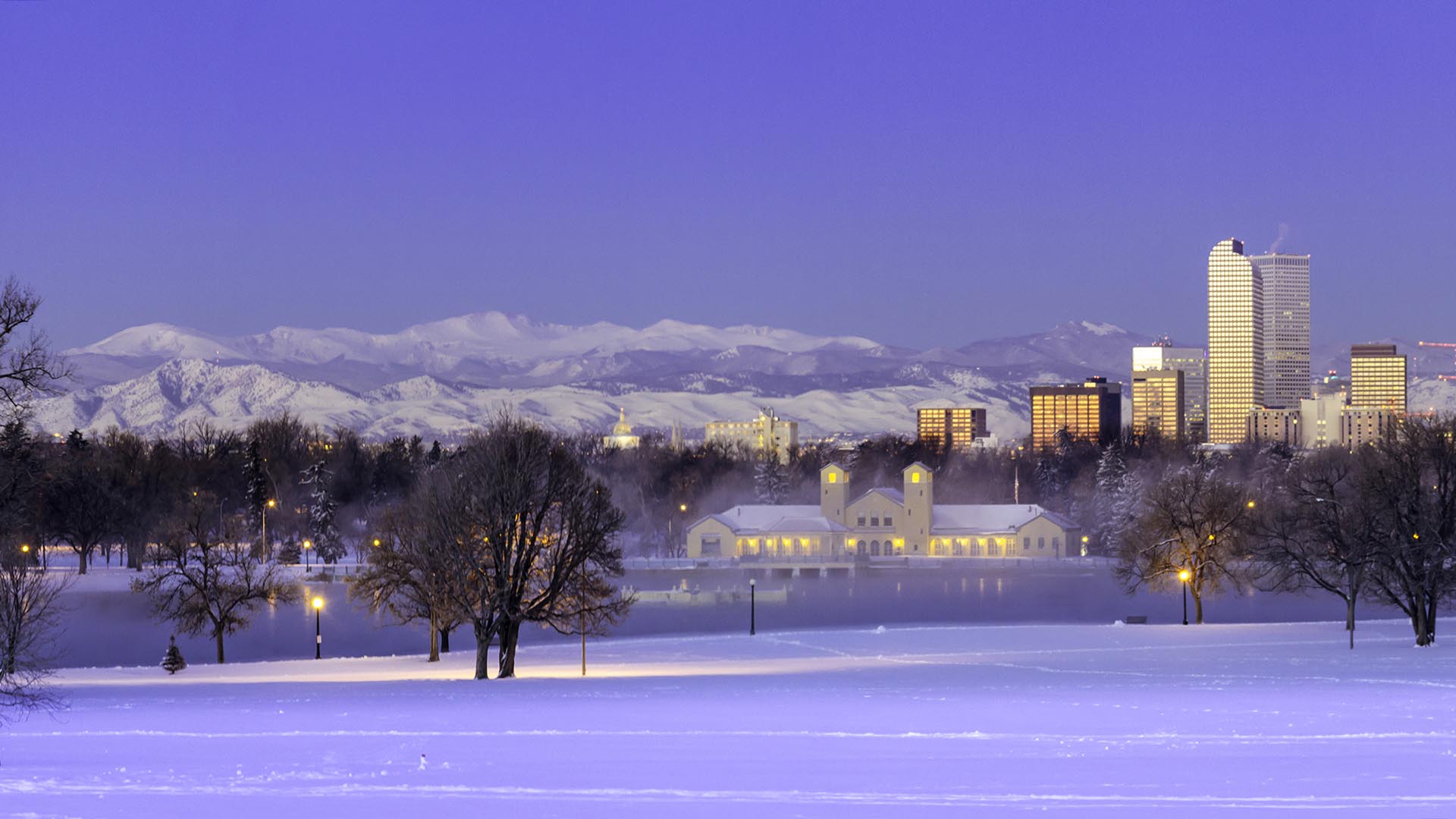
Denver proudly stands as the “Mile High City” at an elevation of approximately 5,280 feet (1,609 meters) above sea level. While many visitors experience no issues, some may encounter mild symptoms of altitude sickness, especially during their first 24-48 hours. Symptoms can include headaches, dizziness, nausea, and shortness of breath.
To mitigate these effects, focus on hydration. Drink plenty of water before and during your trip, avoiding excessive alcohol or caffeine, which can contribute to dehydration. Take it easy on your first day, avoiding strenuous activities and giving your body time to adjust. Listen to your body, and if symptoms persist or worsen, seek medical advice. Staying at a downtown hotel like the Ritz-Carlton, Denver offers comfort and ease of access to urban amenities as you acclimate.
Weather’s Influence on Denver’s Lifestyle and Attractions
Denver’s unique weather patterns don’t just dictate what you pack; they are deeply woven into the fabric of the city’s lifestyle and the very nature of its attractions. The abundance of sunshine encourages an outdoor-centric way of life, while the distinct seasons provide a dynamic backdrop for cultural and recreational pursuits.
Outdoor Living: Parks, Patios, and Mountain Access
The pervasive sunshine in Denver fuels a vibrant outdoor lifestyle. The city boasts an impressive network of parks, trails, and open spaces, with residents and visitors alike flocking to them year-round. From cycling along the Cherry Creek Trail to picnicking in City Park, outdoor recreation is a way of life. The many breweries and restaurants across the city embrace the good weather with expansive patios, becoming social hubs where people gather to enjoy the sun and mountain views.
The immediate access to the Rocky Mountains means that within a short drive, city dwellers can be hiking, climbing, mountain biking, or skiing. Landmarks like Red Rocks Park and Amphitheatre exemplify this blend, offering world-class concerts under the stars, framed by stunning geological formations, an experience highly dependent on cooperative weather. Even in winter, sunny days invite residents to ski or snowboard in the morning and return to Denver for an evening out, showcasing the versatility of Colorado living.
Culinary Scene and Seasonal Delights
Denver’s culinary scene, an integral part of its tourism appeal, also reflects the changing seasons. Farm-to-table restaurants thrive on locally sourced ingredients that vary throughout the year, from fresh spring produce to hearty root vegetables in winter. The abundance of sunshine and dry air also makes Denver an ideal location for brewing, contributing to its reputation as a craft beer mecca, with many breweries offering outdoor beer gardens that are popular when the weather is fine.
Outdoor dining is particularly cherished. In warmer months, nearly every restaurant with a sidewalk space or rooftop deck opens it up, creating a lively al fresco atmosphere that becomes a central part of the dining experience. Even in cooler weather, many establishments offer heated patios, allowing the outdoor dining lifestyle to extend further into the year.
Events and Festivals: Weather-Dependent Celebrations
Many of Denver’s most popular events and festivals are scheduled to take full advantage of the city’s favorable weather. Summer is packed with outdoor music festivals, art markets, and community gatherings in parks like City Park or on the pedestrian mall. Iconic events like the Great American Beer Festival in the fall capitalize on the crisp, comfortable autumn air, drawing thousands to celebrate craft brewing.
Even in winter, when outdoor conditions can be challenging, Denver finds ways to celebrate. Holiday lights displays, ice skating rinks, and indoor cultural events like the Denver Film Festival offer a different kind of seasonal charm. The weather, therefore, not only dictates what people do but also when they do it, shaping the city’s vibrant annual calendar of attractions and experiences.
Choosing Your Stay: Accommodation for Every Weather Scenario
The choice of accommodation in Denver can significantly impact your comfort and enjoyment, especially when considering the city’s variable weather. From urban sanctuaries to mountain retreats, the type of stay you select should align with your itinerary and preparedness for Colorado’s diverse climate. The website categories of Hotels, Suites, Resorts, Apartments, and Villas are all relevant here, offering options to suit every preference and weather-related need.
Urban Comforts: Hotels and Apartments in the City
For those prioritizing proximity to Denver’s downtown attractions and desiring shelter from extreme weather, urban hotels and apartments are ideal. A luxury hotel like The Brown Palace Hotel and Spa offers historic charm and opulent comfort, complete with amenities that provide a respite from a hot summer day or a chilly winter evening. Indoor pools, spas, and gourmet dining options mean you can enjoy your trip regardless of what’s happening outside. Similarly, modern establishments such as the Hyatt Regency Denver at Colorado Convention Center provide easy access to events and indoor entertainment, making them excellent choices for business travelers or those on a city break.
Renting an apartment or suite in neighborhoods like LoDo (Lower Downtown) or RiNo (River North Art District) can offer a more authentic local experience, complete with kitchen facilities that are particularly useful during variable weather. You can cook warm meals on a snowy day or prepare light snacks for a sunny afternoon picnic. Union Station, a beautifully restored landmark, houses not only a hotel but also a hub of shops and restaurants, offering an all-weather destination under one roof.
Mountain Retreats: Resorts and Villas Near the Slopes
If your primary goal is to engage with Colorado’s natural beauty, especially the mountains, then opting for resorts or villas closer to the Rocky Mountains might be preferable. During winter, choosing a resort in Breckenridge, Vail, or Aspen means you’re literally at the doorstep of world-class ski resorts, complete with ski-in/ski-out access, cozy fireplaces, and amenities designed for snowy conditions. These often feature heated outdoor pools or hot tubs, offering a unique contrast to the cold air.
In summer, these mountain resorts transform into havens for hiking, mountain biking, and scenic chairlift rides, with villas offering spacious and private accommodation for families or groups. While you might sacrifice immediate access to Denver’s urban core, you gain unparalleled immersion in the mountain lifestyle and direct access to attractions less impacted by Denver’s specific weather patterns. Many offer long-term stay options for those seeking an extended mountain escape.
Budget-Friendly Options and Long-Term Stays
Weather can also influence choices for budget travel and long-term stays. During the shoulder seasons of spring and fall, when weather can be variable, Denver offers more affordable accommodation options compared to the peak summer or winter months. This allows travelers on a tighter budget to experience the city when temperatures are often still pleasant, though preparedness for sudden changes is key.
For long-term stays, particularly for those who wish to experience all four seasons, apartments or villas with robust heating and air conditioning systems are crucial. Proximity to amenities like grocery stores and public transportation becomes more important for extended periods, especially during snowy winter months when driving might be less appealing. Comparison sites for accommodation will be invaluable here, helping to find the best value and amenities for a multi-season visit.
In conclusion, the weather in Denver, Colorado, is as dynamic and captivating as the city itself. Far from being a mere backdrop, it’s an active participant in shaping the travel experience, influencing everything from daily wardrobe choices to the availability of attractions and the charm of various accommodations. By understanding its four distinct seasons and preparing accordingly, visitors can ensure their journey to the Mile High City is comfortable, enjoyable, and filled with unforgettable moments, no matter what the Colorado sky brings. So, whether you’re chasing summer sunshine on a mountain trail, admiring golden aspens, or embracing a snowy winter wonderland, Denver’s weather invites you to experience its unique magic year-round.