
Florida, often dubbed the Sunshine State, is a premier travel destination renowned for its pristine beaches, world-class theme parks, and vibrant culture. However, understanding its diverse and often unpredictable weather patterns is paramount to planning a truly enjoyable and hassle-free Florida getaway. From the subtropical warmth of its southern reaches to the more temperate climes of the Panhandle, Florida’s climate plays a significant role in shaping the travel experience, influencing everything from optimal booking times for accommodation to the kind of activities you can enjoy. This comprehensive guide will delve into the intricacies of Florida’s weather, offering insights and tips to help you make the most of your visit, regardless of the season.
Understanding Florida’s Diverse Climate Throughout the Year
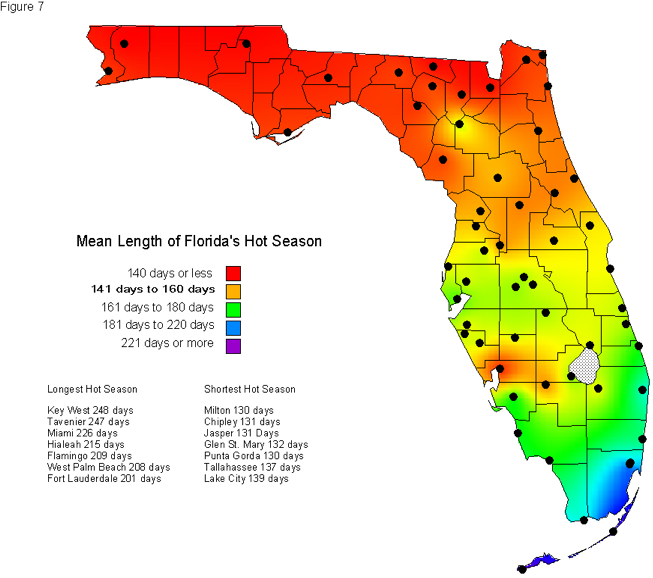
Florida’s weather is characterized by two primary seasons: a hot, humid wet season from late spring through early autumn, and a milder, drier dry season from late autumn through early spring. However, this broad categorization doesn’t fully capture the nuances, especially when considering the state’s significant north-south geographical stretch.
The Sunshine State’s Distinct Seasons: Summer, Fall, Winter, and Spring
Summer (June – September): The Hot and Humid Peak
Florida’s summer is synonymous with high temperatures, often reaching into the low to mid-90s Fahrenheit (32-35°C), coupled with significant humidity that can make the heat index feel even higher. This is also the rainy season, marked by frequent, intense afternoon thunderstorms. While these storms are usually brief and help cool things down, they can disrupt outdoor plans. Furthermore, hurricane season officially runs from June 1st to November 30th, with peak activity typically occurring from August through October.
Despite the challenging weather, summer remains a popular time for families, especially around the major theme parks in Orlando. Walt Disney World Resort and Universal Studios Florida are bustling, offering a host of indoor attractions and water rides to combat the heat. Coastal areas like Miami Beach and Fort Lauderdale thrive with beachgoers, though afternoon downpours are a common occurrence. When booking accommodation during this period, prioritize resorts and hotels with excellent air conditioning, indoor amenities, and flexible cancellation policies in case of severe weather.
Fall (October – November): A Transition to Cooler Comfort
Fall in Florida offers a welcome respite from the intense summer heat, making it an increasingly popular time for tourism. Temperatures begin to cool, ranging from the mid-70s to low 80s Fahrenheit (24-29°C), and humidity levels gradually decrease. While hurricane season is still active through November, the frequency of afternoon thunderstorms lessens considerably.
This season is ideal for outdoor activities that might be too strenuous in the summer. Many festivals and events take place, such as the Epcot International Food & Wine Festival at Walt Disney World Resort and Fantasy Fest in Key West. Travelers looking for a blend of pleasant weather and fewer crowds than winter will find fall particularly appealing for exploring Florida’s landmarks and natural beauty.
Winter (December – February): The Peak Season for Perfect Weather
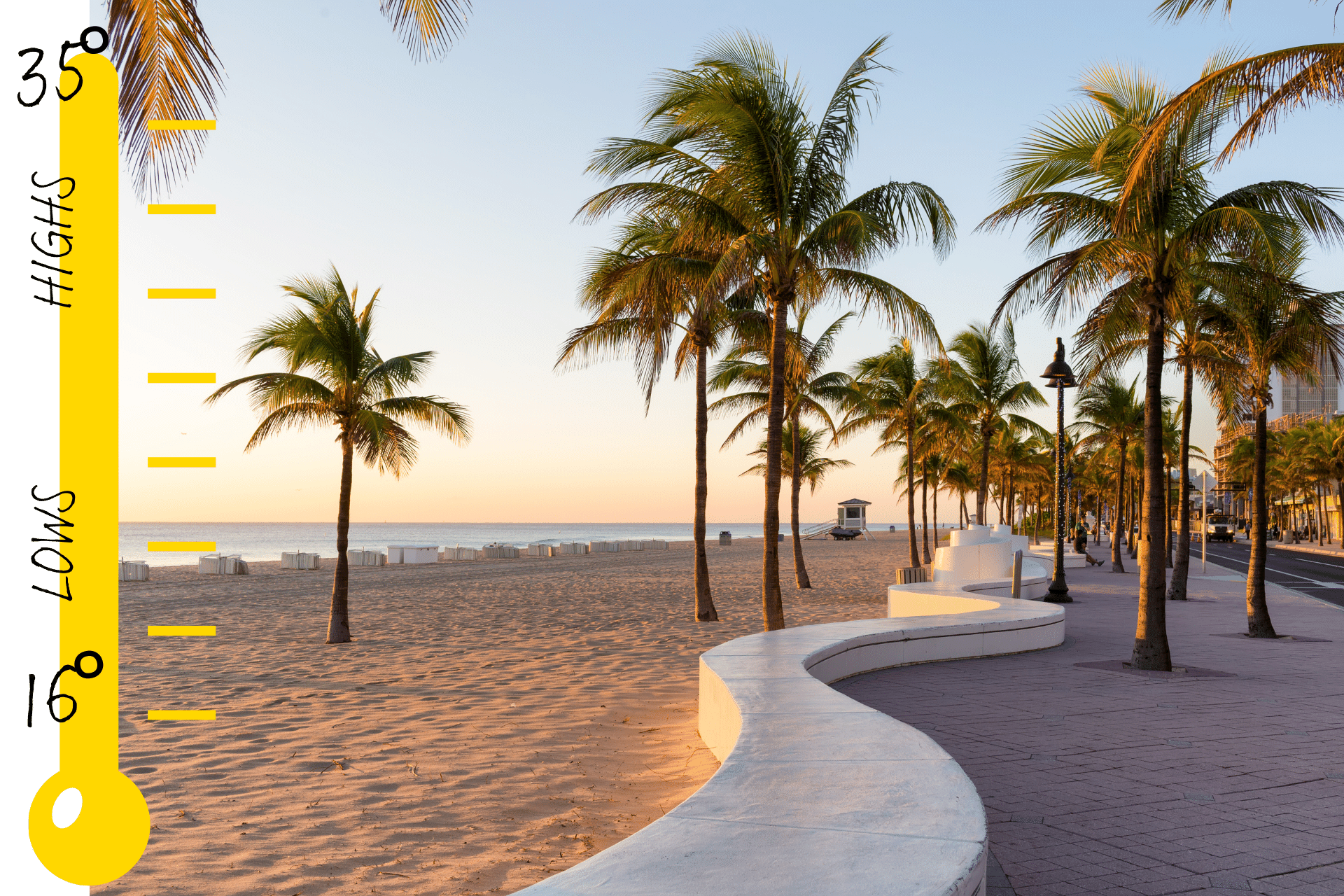
Florida’s winter is, without a doubt, its peak tourism season, drawing visitors from colder climates seeking warmth and sunshine. Average temperatures range from the low 60s in North Florida to the mid-70s Fahrenheit (15-24°C) in South Florida and the Florida Keys. Humidity is low, rainfall is minimal, and skies are typically clear. While occasional cold fronts can bring cooler temperatures, especially to the northern and central parts of the state, these are usually short-lived.
This is the prime time for all outdoor activities, from golfing on championship courses to exploring the wildlife of Everglades National Park or enjoying the beaches of Sarasota and Clearwater Beach. Due to high demand, accommodation prices for hotels, resorts, and villas are at their highest, and attractions are often crowded. Booking well in advance is highly recommended, especially for popular destinations like Miami, Orlando, and the Florida Keys.
Spring (March – May): Pleasant Temperatures and Lively Atmospheres
Spring offers some of the most pleasant weather conditions in Florida, with warm temperatures typically in the 70s and 80s Fahrenheit (21-30°C) and relatively low humidity. Rainfall gradually increases as the season progresses, but prolonged downpours are rare.
This season is characterized by vibrant Spring Break crowds in coastal cities like Panama City Beach and Daytona Beach. Beyond the student revelry, spring is an excellent time for travel to explore Florida’s natural springs, enjoy fishing or boating, and visit cities like St. Augustine and Tampa before the intense summer heat sets in. It strikes a good balance between agreeable weather and slightly fewer crowds than the peak winter months, though early spring can still be quite busy.

Regional Weather Variations: From Panhandle to the Keys
Florida’s elongated shape means there are noticeable differences in weather across its various regions:
- North Florida (e.g., Jacksonville, Tallahassee, Amelia Island): This region experiences more distinct seasons, with cooler winters that can occasionally see freezing temperatures and even light frost. Summers are hot and humid, similar to the rest of the state, but are somewhat less prone to direct hurricane impacts than the southern coastlines.
- Central Florida (e.g., Orlando, Tampa, Sarasota): Home to major theme parks and cultural hubs, this area enjoys mild, pleasant winters and hot, humid summers with frequent afternoon storms. It’s less susceptible to tropical systems than coastal areas but can still feel their effects.
- South Florida (e.g., Miami, Fort Lauderdale, Naples, Palm Beach): This region boasts a truly subtropical climate, with very warm winters and long, hot, humid summers. Temperatures rarely drop below 60°F (15°C) even in winter. It is also the most vulnerable to hurricanes and tropical storms.
- Florida Keys (e.g., Key West, Key Largo): Extending furthest south, the Keys have the most consistently warm weather year-round. They experience very little temperature fluctuation, with average highs in the 70s and 80s Fahrenheit (24-32°C) throughout the year. However, they are also highly exposed to tropical systems during hurricane season.
Planning Your Florida Getaway Around the Weather
Strategic planning based on Florida’s weather patterns can significantly enhance your travel experience, especially concerning booking accommodation, choosing activities, and even how you pack.
Best Times for Beach Vacations and Theme Parks
For Beach Vacations:
The ideal time for a Florida beach vacation is during the dry season (November to May).
- Winter (December-February): Offers perfect beach weather in South Florida and the Keys with pleasant warmth and gentle breezes, ideal for sunbathing, swimming, and water sports. However, be prepared for higher prices and larger crowds.
- Spring (March-May): Excellent beach weather across the entire state. The Gulf Coast beaches like Clearwater Beach and those on Sanibel Island and Captiva Island are particularly inviting.
- Fall (October-November): Also a good choice, especially late fall, as hurricane season winds down and the ocean temperatures remain warm enough for swimming, with fewer people.
For Theme Parks (e.g., Orlando, Tampa):
The optimal times to visit Florida’s theme parks are when the weather is mild and crowds are manageable.
- Late Fall (October-November) & Late Winter/Early Spring (January-April, avoiding Spring Break): These periods offer the best combination of pleasant temperatures and lower crowd levels (excluding holidays). Attractions like Walt Disney World Resort, Universal Studios Florida, and Busch Gardens Tampa Bay are more enjoyable with shorter wait times.
- Summer: While popular, the intense heat, humidity, and afternoon thunderstorms can make long days at the parks challenging. Plan to start early, take midday breaks, and utilize indoor shows and attractions. Many Orlando hotels and resorts offer excellent amenities to cool off, like expansive water parks and pools.
Navigating Hurricane Season: Preparedness and Peace of Mind
The Atlantic hurricane season runs from June 1st to November 30th. While the probability of a direct hit on your specific destination on your exact travel dates is statistically low, it’s crucial to be prepared if traveling during this period.
- Stay Informed: Monitor weather forecasts closely before and during your trip. Official sources like the National Hurricane Center are invaluable.
- Travel Insurance: Consider purchasing comprehensive travel insurance that covers weather-related cancellations or interruptions. Many hotels and airlines offer waivers or flexible rebooking options during declared hurricane watches or warnings.
- Flexible Bookings: When booking flights and accommodation, especially for major resorts in coastal cities like Miami, Fort Myers, or Key West, look for options with generous cancellation or change policies.
- Evacuation Plans: Familiarize yourself with local evacuation routes and emergency procedures for your chosen destination. Most Florida hotels and resorts have well-established plans.
Despite the risk, many travelers choose to visit during hurricane season due to lower prices and fewer crowds (outside of peak summer). The vast majority of days are sunny and beautiful, even during this period.
Packing Essentials and Weather-Proof Activities for Your Florida Trip
Packing smart and having alternative plans for unexpected weather are key to a successful Florida vacation, regardless of when you visit.
Rainy Day Fun in Florida’s Cities
Even the Sunshine State has its rainy days, especially during summer’s afternoon thunderstorms. Fortunately, Florida’s major cities and tourist hubs offer a wealth of indoor attractions.
- Museums: St. Petersburg boasts the renowned The Dalí Museum and the Chihuly Collection. Miami offers the Pérez Art Museum Miami (PAMM) and the Phillip and Patricia Frost Museum of Science. Orlando has the Orlando Science Center.
- Aquariums and Marine Centers: The Florida Aquarium in Tampa, Clearwater Marine Aquarium, and Miami Seaquarium provide fascinating indoor experiences.
- Shopping Malls: Florida is home to numerous impressive shopping destinations like Sawgrass Mills near Fort Lauderdale and the Mall at Millenia in Orlando, perfect for a rainy afternoon.
- Indoor Entertainment: Consider indoor karting, escape rooms, or catching a movie. Many resorts also offer extensive kids’ clubs and family entertainment options.
- Kennedy Space Center Visitor Complex: While it has outdoor elements, a significant portion of this landmark is indoors, making it an excellent rainy-day option for space enthusiasts.
Staying Comfortable in the Heat and Humidity
For those visiting during the warmer months, especially summer, preparing for the heat and humidity is crucial for a comfortable trip and to prevent heat-related illness.
- Lightweight Clothing: Pack breathable fabrics like cotton or linen. Light colors are also preferable.
- Sun Protection: Sunscreen (SPF 30+), wide-brimmed hats, and sunglasses are non-negotiable. The Florida sun is intense.
- Hydration: Drink plenty of water throughout the day, even if you don’t feel thirsty. Consider electrolyte drinks, especially if you’re active outdoors.
- Footwear: Comfortable, breathable shoes are a must, especially if you plan on visiting theme parks or walking extensively. Sandals or water shoes are good for beach days.
- Early Mornings/Late Evenings: Plan outdoor activities, such as visiting Everglades National Park or golfing, for the cooler parts of the day.
- Accommodation Amenities: When booking hotels or villas, check for good air conditioning, access to a pool, and perhaps even private outdoor showers to rinse off after a sweaty day. Many luxury resorts offer cooled cabanas or refreshing spas.
- Embrace the Water: Florida is surrounded by water. Utilize the beaches, natural springs, water parks, and resort pools to stay cool and refreshed.
Florida’s Climate and its Impact on Travel and Lifestyle
The diverse weather patterns in Florida not only dictate the best times for specific travel activities but also deeply influence the unique lifestyle and tourism offerings that make the state so captivating.
Wildlife Encounters and Outdoor Adventures
Florida’s climate is a primary reason for its incredible biodiversity. The warm temperatures and abundant rainfall create lush environments, perfect for a myriad of wildlife encounters and outdoor adventures.
- Everglades National Park: Best visited during the dry, cooler months (November to April) when wildlife, including alligators and various bird species, are more active and easier to spot along receding water levels.
- Manatee Sanctuaries: Manatees seek warmer waters in Florida’s natural springs during the winter months. Locations like Crystal River offer unique opportunities to swim with these gentle giants.
- Kayaking and Paddleboarding: Can be enjoyed year-round, but are most comfortable in the milder seasons or early mornings/late afternoons in summer. Exploring mangrove tunnels in the Florida Keys or calm rivers in Central Florida is a fantastic way to experience nature.
- Fishing: Florida is a world-class fishing destination. Different species are abundant at different times of the year, so checking seasonal charts for your preferred catch is advisable.
Seasonal Events and Festivals
Florida’s event calendar is heavily influenced by its weather, with many major outdoor festivals and sporting events scheduled during the cooler, drier months.
- Winter: Hosts numerous art festivals, music concerts, and culinary events across the state. The South Florida social scene, from Miami to Boca Raton and Palm Beach, is particularly vibrant.
- Spring: Along with Spring Break, this season sees many flower and garden shows at Epcot and local community celebrations.
- Fall: Offers harvest festivals, Halloween events at theme parks, and food and wine showcases as the weather becomes more comfortable.
- Summer: While dominated by family vacations and theme park visits, coastal cities like Vero Beach and Fort Lauderdale often host beachside fireworks displays and water-based events around holidays.
In conclusion, Florida’s weather is an integral part of its charm and challenge. By understanding its seasonal rhythms and regional variations, travelers can effectively plan their trips, ensuring optimal enjoyment of the state’s diverse attractions and luxurious lifestyle offerings. Whether you’re seeking the warm embrace of winter sunshine, the energetic buzz of a summer theme park adventure, or the pleasant mildness of spring and fall, Florida offers a climate for every travel preference – with a little foresight and preparation.
LifeOutOfTheBox is a participant in the Amazon Services LLC Associates Program, an affiliate advertising program designed to provide a means for sites to earn advertising fees by advertising and linking to Amazon.com. Amazon, the Amazon logo, AmazonSupply, and the AmazonSupply logo are trademarks of Amazon.com, Inc. or its affiliates. As an Amazon Associate we earn affiliate commissions from qualifying purchases.