
Planning a trip to Las Vegas involves meticulous consideration of many factors, from securing the perfect suite at a luxury resort to mapping out the most exhilarating attractions. Yet, one element often overlooked but critically important is the weather. Nestled in the heart of the Mojave Desert in Nevada, Las Vegas boasts a unique desert climate that dramatically influences everything from your packing choices to your daily itinerary. Understanding the seasonal nuances of this vibrant city is key to ensuring your United States adventure is as comfortable and enjoyable as possible.
The desert climate of Las Vegas is characterized by abundant sunshine, minimal rainfall, and significant temperature swings between day and night. While the city is famous for its sizzling summers, the other seasons offer a vastly different experience, often more conducive to exploring its many facets beyond the air-conditioned confines of casinos. Whether you’re chasing the sun by a sprawling resort pool or embarking on a scenic day trip to a nearby natural wonder, knowing what to expect from the skies above Las Vegas is your first step to a perfectly curated travel experience.
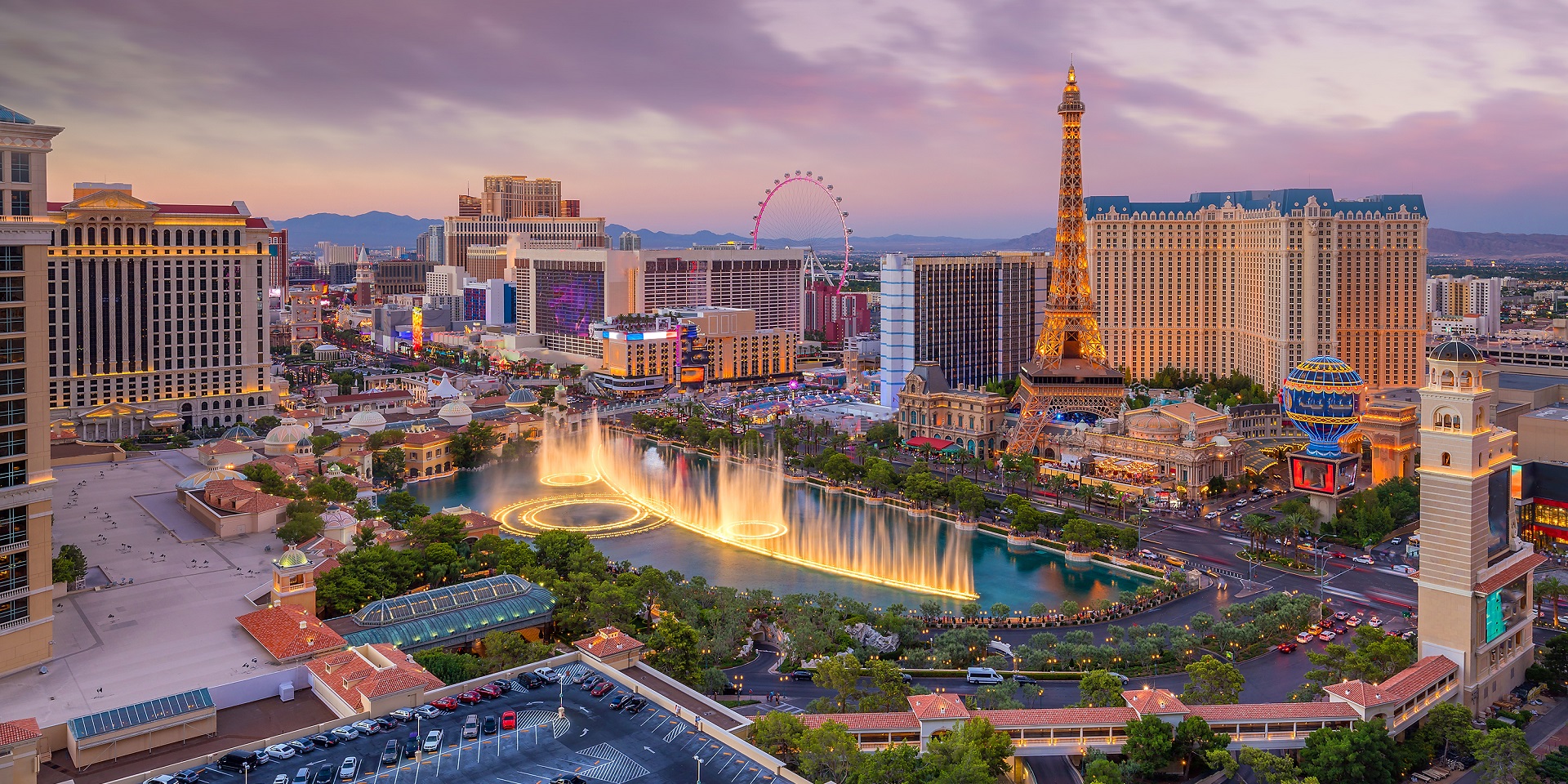
Understanding Las Vegas’s Desert Climate
The fundamental truth about Las Vegas’s weather is its desert nature. This means low humidity, intense sun exposure, and often, extreme temperatures. While many visitors associate Las Vegas solely with scorching heat, the reality is far more nuanced. The arid environment contributes to clear skies for much of the year, making it an ideal destination for those seeking sunshine. However, this also means staying hydrated is paramount, regardless of the season.
The dry air makes heat feel less oppressive than humid climates, but it also means temperatures can plummet rapidly once the sun sets, especially during cooler months. Average annual rainfall is sparse, typically less than five inches, with most precipitation occurring during winter months or sporadic summer monsoons. This low rainfall ensures that outdoor activities are rarely hampered by wet weather, but dust storms can occasionally roll through, particularly in spring. Understanding these overarching characteristics helps set the stage for a deeper dive into what each season brings to the table for the discerning traveler.
Seasonal Breakdown: Planning Your Visit
Each season in Las Vegas offers a distinct atmosphere and presents unique opportunities and challenges for visitors. From the energetic pool parties of summer to the comfortably cool exploration days of winter, timing your visit can significantly enhance your travel style and experiences.
Sizzling Summer (June to August)
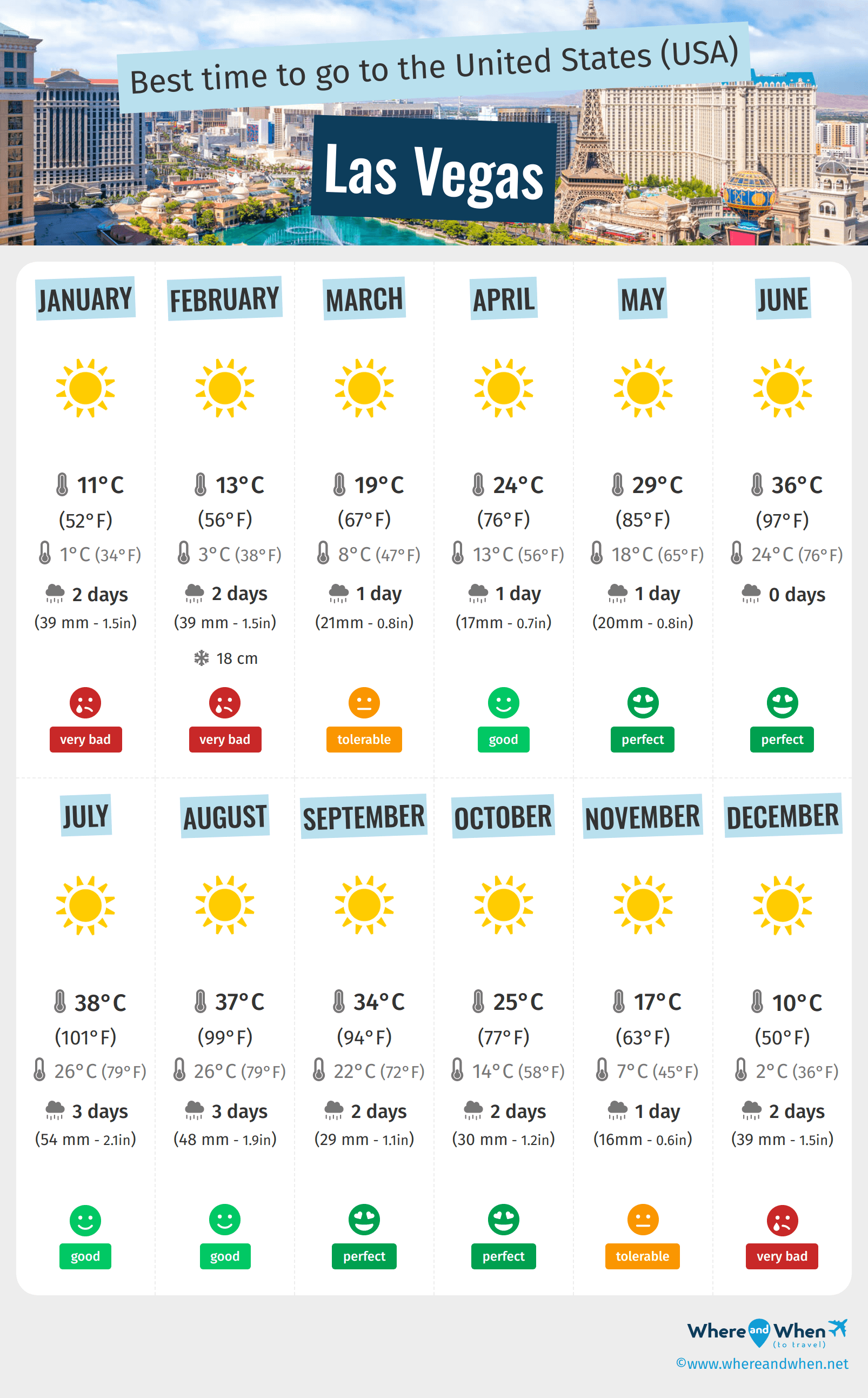
Summer in Las Vegas is synonymous with heat – often intensely so. Daytime temperatures frequently soar above 100°F (38°C), sometimes even reaching 115°F (46°C). The nights offer some relief, usually staying in the high 70s or low 80s°F (25-30°C), which is still remarkably warm. Humidity remains low, preventing the sticky feeling common in many other summer destinations, but the sun’s intensity is undeniable.
Traveler’s Takeaway: This is peak season for pool parties and indoor entertainment. Resorts like the Bellagio, Caesars Palace, and The Venetian Resort transform into aquatic oases, offering elaborate pool complexes that are destinations in themselves. If you’re planning a summer trip, prioritize hotels with excellent pool amenities and strong air conditioning. Hydration is crucial; carry water bottles everywhere. Outdoor activities like visiting the Grand Canyon or Red Rock Canyon National Conservation Area are best reserved for early mornings or late evenings, or even skipped in favor of indoor attractions. This is also a popular time for luxury travel focused on high-end shows, world-class dining, and exclusive nightlife, as the heat encourages an indoor-centric lifestyle.
Autumn’s Allure (September to November)
Many consider autumn the most pleasant time to visit Las Vegas. The extreme summer heat begins to subside, giving way to beautifully warm and comfortable days. September can still be quite warm, with averages in the 90s°F (32-37°C), but October brings ideal conditions, usually in the 70s and 80s°F (21-30°C). By November, temperatures cool further into the 60s and 70s°F (15-25°C), with crisp, cool evenings. Rainfall remains minimal, ensuring plenty of sunshine.
Traveler’s Takeaway: Autumn is perfect for balancing indoor and outdoor activities. You can still enjoy resort pools in early fall, but the cooler temperatures make exploring outdoor landmarks like the Hoover Dam or Valley of Fire State Park incredibly enjoyable. Strolling along the Strip or enjoying the Fremont Street Experience in Downtown Las Vegas becomes a delight. This season is also ideal for golf enthusiasts and those looking to explore the burgeoning culinary scene with outdoor patio dining. Accommodation might be slightly easier to secure compared to peak summer or convention periods, making it a great time for both budget and luxury travelers.
Winter Wonderland (December to February)
Winter in Las Vegas is surprisingly mild, especially for visitors accustomed to colder climates. Daytime temperatures typically range from the mid-50s to mid-60s°F (10-18°C). Nights can be quite chilly, dropping into the 30s and 40s°F (0-10°C), occasionally dipping below freezing. While snow is rare in the city itself, the nearby Spring Mountains and Mount Charleston often receive snowfall, offering a unique opportunity for winter sports just an hour away. Las Vegas does experience its highest chance of rain during these months, though “rain” usually means light showers rather than prolonged downpours.
Traveler’s Takeaway: Winter is prime time for indoor entertainment, world-class shows, shopping at places like the Fashion Show Mall or The Forum Shops at Caesars, and fine dining. It’s also an excellent season for day trips to more distant landmarks like Death Valley National Park, where the summer heat is unbearable. For those planning a family trip, many resorts offer heated pools and indoor attractions. Business travelers attending conventions will find the cooler weather comfortable for navigating between venues. Hotels like Wynn Las Vegas and Aria Resort & Casino offer luxurious indoor environments perfect for winter escapes.
Springtime Serenity (March to May)
Spring mirrors autumn in its pleasantness, often considered another “best time” to visit. Temperatures steadily rise from the 70s°F (21-26°C) in March to the high 80s and 90s°F (30-37°C) by May. The days are long and sunny, and the nights are comfortably cool. While occasional spring winds can bring dust, the overall weather is magnificent for outdoor activities.
Traveler’s Takeaway: Spring is ideal for exploring Las Vegas’s outdoor attractions and enjoying resort pools before the intense summer rush. It’s perfect for hiking, golf, and enjoying outdoor spectacles like the Bellagio Fountains or the Mirage Volcano without discomfort. Consider taking a scenic drive to Lake Mead or venturing out on a bicycle tour. This season often sees a surge in tourism, as many seek to escape colder climates, so booking accommodation and attractions well in advance is advisable, especially for popular resorts like the Cosmopolitan of Las Vegas or MGM Grand.
Packing Essentials and Activity Planning by Season
Your luggage contents and planned activities should be highly responsive to Las Vegas’s dynamic weather patterns. Smart packing is not just about fashion; it’s about comfort and safety.
Dress for Success: Day, Night, and Adventure
- Summer: Lightweight, breathable fabrics are essential. Think cotton, linen, and moisture-wicking materials. Sunscreen, hats, and sunglasses are non-negotiable. Evenings require light layers for air-conditioned interiors but open-toed shoes and dresses are common. For outdoor excursions, consider long sleeves and pants to protect from the sun, even if it feels counter-intuitive.
- Autumn/Spring: Versatility is key. Pack layers that can be easily added or removed. T-shirts and shorts or light dresses are perfect for daytime, while a light jacket, cardigan, or sweater will be necessary for cooler evenings. Comfortable walking shoes are a must for exploring.
- Winter: Warmer clothing is required, including sweaters, long pants, and a medium-weight jacket or coat. For evenings, a heavier coat or stylish trench is advisable. Scarves and gloves might be useful, especially if you plan to be outdoors after dark or visit higher elevations like Mount Charleston.
Regardless of the season, always pack a good pair of walking shoes – you’ll be doing a lot of walking, whether it’s down the Strip or through expansive resorts. Also, remember to bring swimwear if your accommodation has a pool, as many pools are heated year-round or remain open during shoulder seasons.
Curating Experiences: Beyond the Strip
The weather plays a crucial role in determining the best time for certain Las Vegas experiences.
- Outdoor Attractions: Activities like exploring Red Rock Canyon National Conservation Area, Valley of Fire State Park, or day trips to the Grand Canyon or Hoover Dam are best enjoyed during spring, autumn, and winter. In summer, these can be dangerous due to extreme heat, unless tackled in the very early morning with ample water.
- Poolside Relaxation: Summer is the undisputed king of pool season. Resorts host elaborate pool parties and offer refreshing escapes. Many hotels, including those managed by MGM Grand and Aria Resort & Casino, have impressive pool complexes. In spring and fall, pools are still enjoyable, and some are heated year-round.
- Indoor Entertainment: Las Vegas’s plethora of indoor activities – world-class shows, extensive shopping opportunities (e.g., at Fashion Show Mall), gourmet dining, art galleries, and of course, casinos – are available and enjoyable year-round, making them perfect for hot summer days or cool winter evenings. Consider visiting the Neon Museum or enjoying a ride on the High Roller Observation Wheel for panoramic views, protected from the elements. The immersive Sphere at The Venetian Resort is another fantastic, climate-controlled attraction.
- Nightlife: Las Vegas nightlife thrives regardless of weather, with numerous clubs and bars offering indoor and outdoor options. Rooftop bars are popular in milder seasons, while indoor clubs are the go-to during extreme temperatures. Checking out the Arts District or a show at Allegiant Stadium or T-Mobile Arena can be part of any evening itinerary.
Practical Tips for Weather-Proofing Your Las Vegas Journey
Beyond packing and activity selection, there are a few practical considerations to ensure your Las Vegas trip goes smoothly, regardless of the forecast.
Hydration and Sun Protection
This cannot be stressed enough: stay hydrated! The dry desert air can lead to rapid dehydration, even in cooler temperatures. Always carry a water bottle, and take advantage of readily available water fountains or purchase bottled water. Alcoholic beverages and sugary drinks can exacerbate dehydration, so moderate their consumption and alternate with water.
Sun protection is equally vital. The sun’s rays are intense year-round. Use broad-spectrum sunscreen with a high SPF, wear hats, and sunglasses, and seek shade whenever possible. Even on cloudy days, UV radiation can be strong.
Booking Accommodation with Weather in Mind
When booking your hotel or resort, consider the seasonal weather. In summer, prioritize resorts with expansive pool areas and excellent air conditioning. If traveling with family, look for hotels with kid-friendly indoor activities. For cooler months, while pools are less of a priority, heated pools can still be a welcome amenity. Many high-end hotels like The STRAT Hotel, Casino & Skypod or Paris Las Vegas offer a full spectrum of indoor entertainment, from observation decks to themed shopping and dining, perfect for any weather.
Consider the layout of your chosen accommodation – how easy is it to get from your room to different amenities without exposure to extreme temperatures? Covered walkways, tram services between properties, and interconnected shopping centers (like those connecting The Venetian Resort with its impressive indoor Venetian Gondola Rides and the Sphere at The Venetian Resort) can significantly enhance your comfort, especially on very hot or very cold days.
Transportation Considerations
Walking is a common way to get around the Strip, but distances are longer than they appear, and the sun can be brutal. Utilize taxis, ride-sharing services, or the Las Vegas Monorail, especially during peak heat or cold. Covered walkways and climate-controlled interiors connect many resorts, providing welcome relief. For day trips, ensure your rental car has good air conditioning, and always check the weather forecast for your destination, as conditions can vary significantly between Las Vegas and places like Mount Charleston or the Grand Canyon.
In conclusion, while Las Vegas is famed for its consistent sunshine and dry heat, its weather is far from monolithic. Each season offers a distinct personality, shaping the ideal activities, packing list, and overall travel experience. By understanding the desert climate and planning accordingly, you can ensure your trip to this dazzling destination is nothing short of spectacular, perfectly tailored to your comfort and preferences. Whether you’re seeking poolside luxury, outdoor adventure, or world-class indoor entertainment, Las Vegas has something for every season, provided you come prepared.
LifeOutOfTheBox is a participant in the Amazon Services LLC Associates Program, an affiliate advertising program designed to provide a means for sites to earn advertising fees by advertising and linking to Amazon.com. Amazon, the Amazon logo, AmazonSupply, and the AmazonSupply logo are trademarks of Amazon.com, Inc. or its affiliates. As an Amazon Associate we earn affiliate commissions from qualifying purchases.