
When planning a trip to any vibrant city, understanding the local climate is paramount. For those setting their sights on the dynamic urban landscape of Minneapolis, this knowledge is not just a convenience but a crucial component of crafting a memorable experience. From the shimmering heat of its summers to the bracing chill of its winters, Minneapolis offers a distinct seasonal tapestry that can profoundly influence everything from your wardrobe choices to the types of activities you can enjoy. This guide delves into the weather patterns of Minneapolis, providing insights that will help you make informed decisions for your travel plans, whether you’re seeking outdoor adventures, cultural immersion, or a comfortable accommodation.
Understanding Minneapolis’s Four Distinct Seasons
Minneapolis experiences a continental climate characterized by significant temperature variations throughout the year. This means that each of the four seasons brings its own unique weather phenomena, offering a diverse range of experiences for visitors. Understanding these seasonal shifts is key to maximizing your enjoyment of the city’s numerous attractions.
Spring: A Gradual Thaw and Reawakening
Spring in Minneapolis is a season of transition, typically beginning in March and extending through May. The early weeks can still hold onto winter’s grip, with lingering snow and freezing temperatures. However, as April arrives, a noticeable shift occurs. The snow melts, revealing the landscape beneath, and the first signs of green begin to appear.
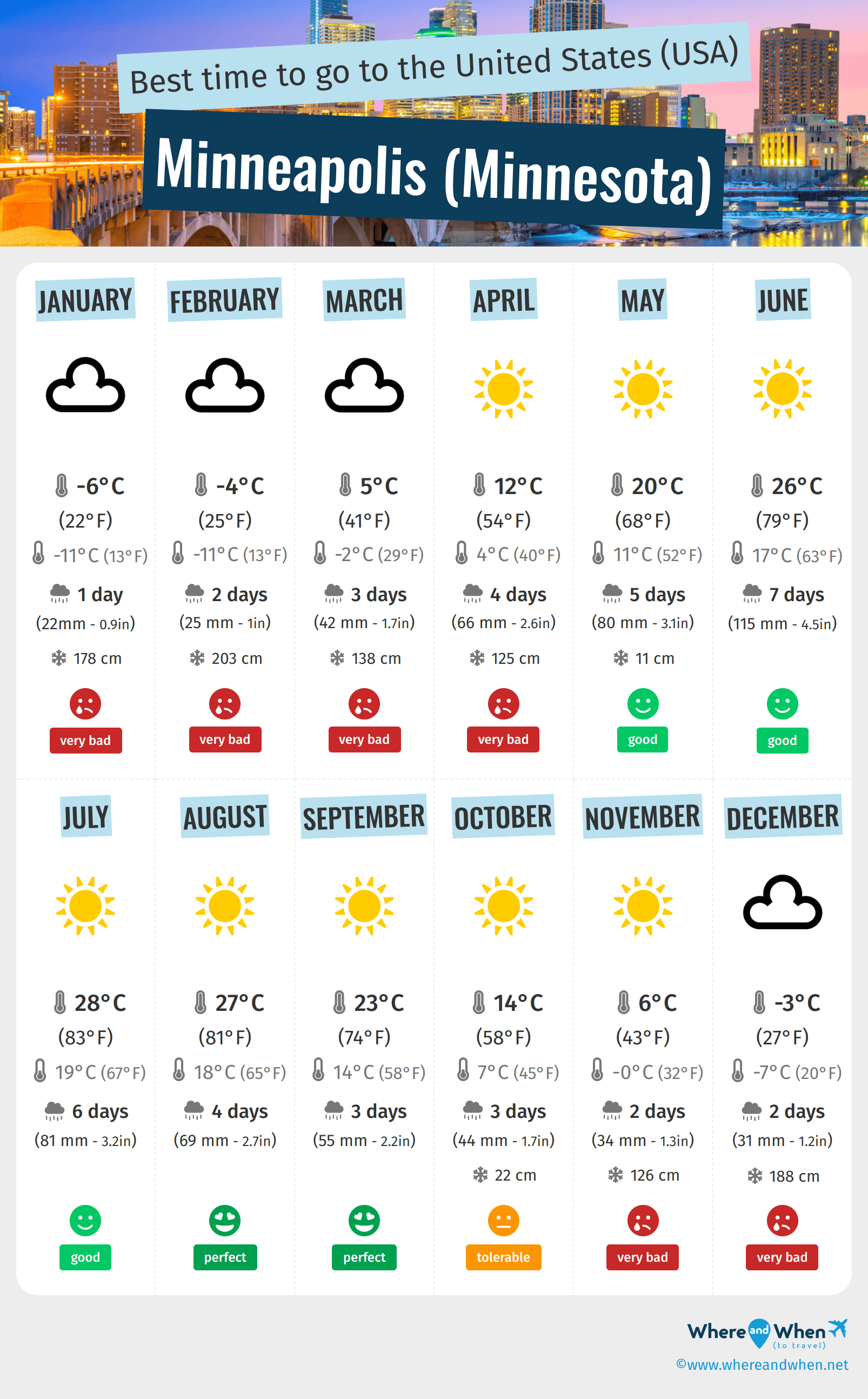
Temperatures: Daytime temperatures gradually rise from an average of around 40°F (4°C) in early March to a more pleasant 60°F (16°C) by May. Nights can still be cool, often dropping into the 30s and 40s (°F).
Precipitation: Spring can be a wet season in Minneapolis. Expect a mix of rain and occasional late-season snow. Thunderstorms are also common, especially as the weather warms up.
What to Pack: Layering is the mantra for spring in Minneapolis. Pack a waterproof and windproof jacket, sweaters or fleeces, long-sleeved shirts, and comfortable pants. Don’t forget a pair of waterproof shoes or boots, as puddles are inevitable. An umbrella is also a wise addition.
Activities: As the weather improves, Minneapolis starts to come alive. This is a great time to explore its many parks, such as Minnehaha Park, and enjoy the blooming flowers. The Stone Arch Bridge offers scenic views of the Mississippi River as it awakens. Many outdoor cafes and breweries begin to open their patios, inviting visitors to enjoy a drink in the gradually warming air. Spring also marks the start of the Major League Baseball season for the Minnesota Twins at Target Field.
Summer: Warm Days and Vibrant Evenings
Summer in Minneapolis (June through August) is a period of warmth and abundant sunshine, offering the longest daylight hours of the year. It’s a season that truly showcases the city’s outdoor attractions and lively atmosphere.
Temperatures: Average daytime temperatures range from the mid-70s to low 80s (°F) (24-28°C), with occasional heatwaves pushing temperatures into the 90s (°F). Humidity can make these warm days feel even hotter. Evenings are generally pleasant, often remaining in the 60s (°F).
Precipitation: Summer can bring pop-up thunderstorms, often occurring in the late afternoon or evening. These are usually brief but can be intense, with heavy rain and sometimes hail. The city also experiences periods of dry, sunny weather.
What to Pack: Light, breathable clothing is essential. Think shorts, t-shirts, sundresses, and light trousers. Don’t forget sunscreen, a hat, and sunglasses. Comfortable walking shoes are a must for exploring the city’s extensive park system and vibrant neighborhoods. If you plan on attending any outdoor concerts or festivals, a light jacket or sweater might be useful for cooler evenings.

Activities: Summer is prime time for outdoor recreation. Visitors can enjoy boating on the Chain of Lakes, biking along scenic trails, or picnicking in the numerous green spaces. The city hosts a plethora of outdoor festivals and events, including the renowned Mill City Museum summer programs and concerts at venues like the First Avenue. Exploring the Minneapolis Sculpture Garden is a perfect summer activity, as is visiting attractions like the Walker Art Center. For those seeking indoor options, the city’s museums and theaters offer excellent refuge from any unexpected summer showers.
Autumn: Crisp Air and Stunning Fall Foliage
As summer’s warmth gives way to September, Minneapolis enters its spectacular autumn season, which lasts through November. This is often considered one of the most beautiful times to visit, with crisp air and a vibrant display of fall colors.
Temperatures: September still offers mild, pleasant temperatures, often in the 60s and 70s (°F). October sees a noticeable drop, with daytime highs averaging in the 50s and 60s (°F), and nighttime temperatures beginning to dip into the 30s and 40s (°F). By November, freezing temperatures become more common, with daytime highs struggling to reach the 40s (°F).
Precipitation: Autumn is generally drier than spring or summer, but rain showers are still possible. The first snowflakes of winter can sometimes make an appearance in late October or November.
What to Pack: Layers are crucial for autumn. Pack long-sleeved shirts, sweaters, a light to medium-weight jacket, and a heavier coat as the season progresses. Jeans or comfortable trousers are suitable. A scarf and gloves might be necessary for late October and November outings. Comfortable walking shoes remain a priority.
Activities: Autumn is an ideal season for exploring Minneapolis on foot or by bike. The parks, particularly around the Chain of Lakes, are ablaze with color from the changing leaves, creating breathtaking scenery. Visiting a pumpkin patch or apple orchard is a classic fall experience. The city’s farmers’ markets are still in full swing, offering a bounty of seasonal produce. This is also a great time to explore Minneapolis’s renowned culinary scene, from farm-to-table restaurants to cozy cafes. Cultural attractions, such as the Minneapolis Institute of Arts, offer indoor enrichment.
Winter: A Frozen Wonderland
Winter in Minneapolis (December through February) is a truly defining characteristic of the city. It is a season of snow, ice, and cold temperatures, transforming Minneapolis into a winter wonderland, though one that requires proper preparation for those unaccustomed to such conditions.
Temperatures: Winter temperatures are consistently below freezing. Average daytime highs are typically in the teens and low 20s (°F), while nighttime lows can plummet to single digits (°F) or even below zero. Wind chill factors can make the perceived temperature significantly colder.
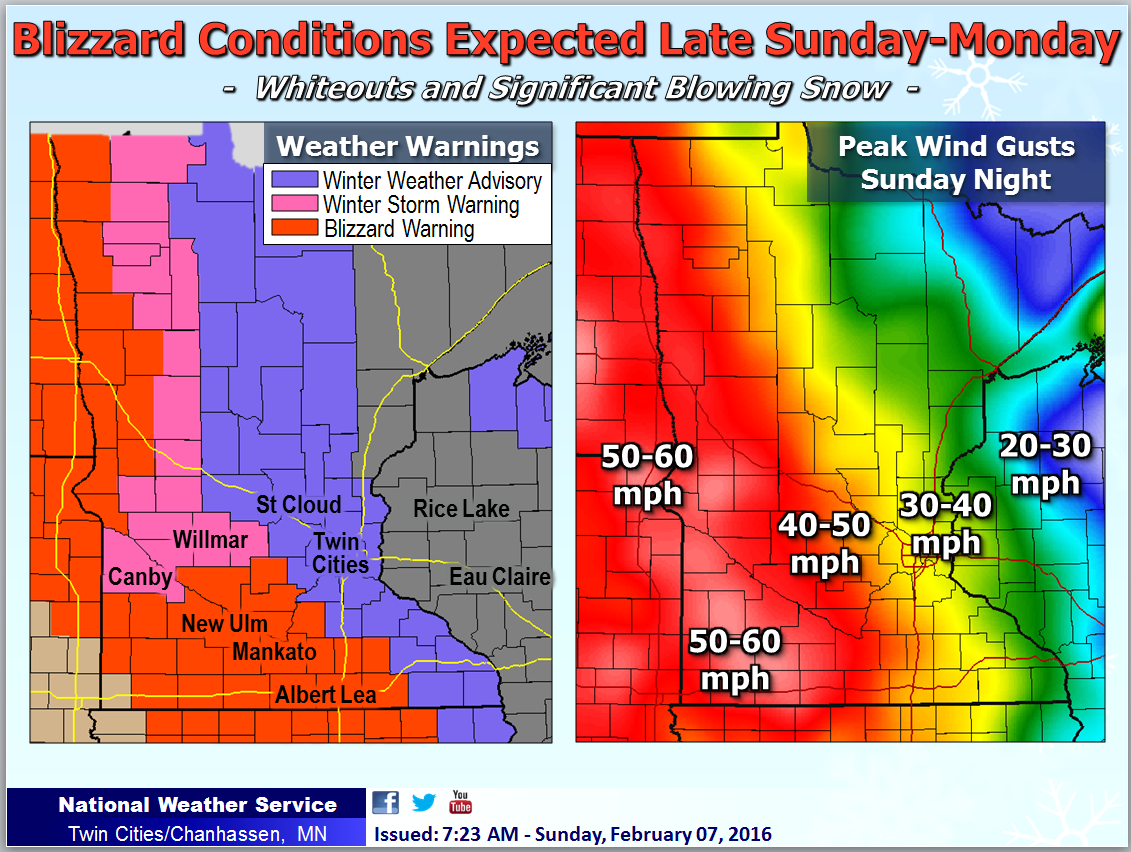
Precipitation: Snowfall is common, with the city receiving an average of over 50 inches per year. Blizzards are possible, bringing significant accumulations and disruptive conditions. Ice storms can also occur.
What to Pack: Heavy, insulated winter clothing is non-negotiable. This includes a warm, waterproof, and windproof coat, thermal base layers, fleece or wool sweaters, insulated pants, waterproof and insulated boots with good traction, a warm hat that covers your ears, gloves or mittens, and a scarf.
Activities: Despite the cold, Minneapolis embraces winter. The city is an excellent destination for winter sports. Popular activities include ice skating on outdoor rinks, cross-country skiing and snowshoeing in parks like Wirth Park, and even ice fishing on the frozen lakes. The Holman Field Airport area can offer insights into aviation history. For those preferring indoor pursuits, the city boasts a vibrant arts scene, with numerous theaters, galleries, and museums to explore, such as the Guthrie Theater. The Mall of America, located in nearby Bloomington, offers extensive indoor shopping and entertainment. Experiencing the city’s renowned restaurant and bar scene is also a perfect winter pastime. Many hotels, like the Hyatt Regency Minneapolis, offer comfortable and warm retreats after a day of exploring the frosty outdoors.
Planning Your Visit Based on Minneapolis Weather
When booking your accommodation, whether it’s a luxurious suite at a downtown hotel, a cozy resort near the lakes, or a more budget-friendly option, consider the time of year you plan to visit. Spring and fall generally offer the most moderate temperatures, making them ideal for sightseeing and outdoor activities. Summer is perfect for those who enjoy warm weather and a bustling atmosphere, but be prepared for heat and humidity. Winter visitors should be equipped for the cold and embrace the unique charm of a snow-covered city.
For travelers who thrive on outdoor adventures, summer and early fall are the most opportune. If your interests lean towards cultural experiences, cozy indoor activities, and perhaps even winter sports, then late fall and winter can be just as rewarding. Regardless of the season, Minneapolis offers a wealth of attractions and activities that cater to diverse interests. By understanding and planning around its distinct weather patterns, you can ensure a comfortable and unforgettable journey to this captivating Midwestern gem. Whether you’re looking for family-friendly trips, romantic getaways, or business stays, the weather in Minneapolis plays a significant role in shaping the overall travel experience.
LifeOutOfTheBox is a participant in the Amazon Services LLC Associates Program, an affiliate advertising program designed to provide a means for sites to earn advertising fees by advertising and linking to Amazon.com. Amazon, the Amazon logo, AmazonSupply, and the AmazonSupply logo are trademarks of Amazon.com, Inc. or its affiliates. As an Amazon Associate we earn affiliate commissions from qualifying purchases.