
New Orleans, a city steeped in history, culture, and an undeniable mystique, offers an intoxicating blend of music, food, and unforgettable experiences. Nestled on the Mississippi River in the state of Louisiana, its unique charm draws millions of visitors annually. However, to truly embrace the spirit of the Crescent City and plan a seamless trip, understanding its distinctive weather patterns is paramount. From its steamy summers to its mild winters, the climate of New Orleans plays a significant role in shaping the travel experience, influencing everything from what to pack to the best time to book your accommodation and what activities you can enjoy.
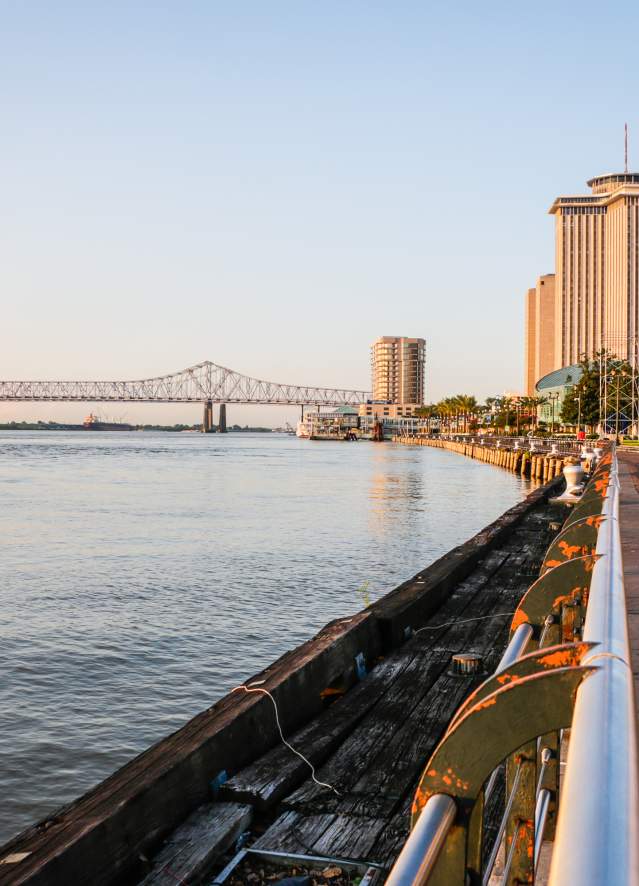
The city’s subtropical climate is characterized by hot, humid summers and generally mild winters, with moderate rainfall distributed throughout the year. This atmospheric backdrop contributes to the lush, verdant landscapes and the relaxed pace of life, but it also demands thoughtful preparation from visitors. Whether you’re dreaming of dancing through Mardi Gras parades, savoring beignets at Cafe Du Monde, or exploring the historic architecture of the French Quarter, knowing what to expect from the sky above can make all the difference in crafting your perfect New Orleans adventure.
Understanding the Unique Climate of the Crescent City
New Orleans’s location near the Gulf of Mexico gives it a distinct humid subtropical climate, a key factor that shapes its environment and daily life. This means temperatures are generally warm to hot for much of the year, with high humidity often making it feel even warmer. The city experiences four distinct seasons, though they might not be as sharply defined as in other parts of the world.
Humidity: The Constant Companion
Humidity is perhaps the most defining characteristic of New Orleans weather. Even on days when the temperature might seem moderate, the high moisture content in the air can significantly impact comfort levels. During the summer months, humidity can hover around 90-100%, leading to a pervasive mugginess that makes outdoor activities challenging without proper planning. This is why air conditioning in hotels, restaurants, and attractions is not just a luxury but a necessity for most travelers. When searching for accommodation or considering resorts, checking for robust AC systems, and perhaps even indoor pools or shaded courtyards, becomes crucial. Hotels like The Roosevelt New Orleans, A Waldorf Astoria Hotel or Hotel Monteleone in the French Quarter are renowned for their comfortable interiors, offering a respite from the external climate.
The consistent humidity also influences the city’s lush vegetation, contributing to the iconic Spanish moss draped over oak trees in Audubon Park and City Park. While beautiful, this also means preparing for mosquitoes, especially during warmer, wetter periods. Travelers considering long-term stays or renting apartments should be particularly mindful of insect protection.
A Seasonal Guide to New Orleans Weather
Each season in New Orleans offers a different flavor of the city, influenced heavily by its unique climate. Understanding these nuances is essential for maximizing your travel experiences and choosing the best time to visit for your personal preferences.
Spring: Festivals, Flowers, and Favorable Forecasts (March – May)
Spring is arguably the most popular time to visit New Orleans. The weather during these months is generally mild and pleasant, with average daily temperatures ranging from the mid-60s to low-80s Fahrenheit (18-28°C). Humidity levels are lower than in summer, making it ideal for exploring the city’s landmarks and attractions on foot. Rainfall is moderate but usually comes in short, heavy bursts rather than prolonged downpours, so a light rain jacket or umbrella is a good idea.
This period is synonymous with vibrant New Orleans festivals. Mardi Gras, while officially ending in early March, often sets the tone, followed by the world-renowned New Orleans Jazz & Heritage Festival (Jazz Fest) in late April/early May. Other popular events include the French Quarter Festival and various culinary celebrations. Due to the favorable weather and packed event calendar, spring is peak tourist season. This means higher prices for hotels and accommodation, so booking well in advance is highly recommended. Reviews often highlight how quickly prime locations like those near Jackson Square or on Bourbon Street fill up. For those on a budget travel plan, finding deals can be challenging, but comparing options through various booking sites might yield results.
Summer: Sizzling Heat and Sudden Showers (June – August)
Summer in New Orleans is characterized by intense heat and very high humidity. Daily temperatures frequently soar into the 90s Fahrenheit (32-35°C), often with heat index values feeling much hotter. Afternoon thunderstorms are common, bringing brief but heavy downpours that can offer temporary relief from the heat. These are usually short-lived, clearing up quickly to reveal sunny skies once more.
This season also marks the beginning of hurricane season, which officially runs from June 1st to November 30th, with peak activity typically between August and October. While direct hits are relatively rare, it’s wise for travelers during this period to keep an eye on weather forecasts and consider purchasing travel insurance. Many hotels and tourism operators have clear policies regarding hurricane-related cancellations.
Despite the challenging weather, summer can be a good time for budget travel as tourist numbers decline, leading to lower accommodation prices and better availability. Many indoor attractions like the National WWII Museum, Harrah’s New Orleans casino, or various art galleries offer cool escapes. It’s an excellent time to explore the city’s culinary scene, enjoying long meals in air-conditioned restaurants or experiencing the vibrancy of local nightlife. For family trips, attractions like the Audubon Aquarium of the Americas or the Audubon Zoo can be planned with early morning visits to avoid the peak heat.
Autumn: Cool Comfort and Culinary Delights (September – November)
Fall brings a welcome reprieve from the summer heat, with temperatures gradually cooling from the high-80s in September to the mid-60s Fahrenheit (29-18°C) by November. Humidity levels also begin to drop, making outdoor activities much more enjoyable. While hurricane season continues into October, the risk typically lessens by November.

This season is another favorite for visitors, offering pleasant weather for exploring the Garden District’s opulent mansions or taking a swamp tour into Cajun Country. The cultural calendar remains vibrant, with events like Southern Decadence in early September, and the Voodoo Music + Arts Experience around Halloween. This period is also renowned for its fantastic food festivals, celebrating everything from oysters to gumbo.
Similar to spring, booking accommodation in advance is advisable, especially for popular weekends. Hotels like Ace Hotel New Orleans or Windsor Court Hotel offer luxurious stays that complement the refined atmosphere of the fall season. For those seeking local culture, autumnal evenings spent enjoying live jazz in intimate clubs or savoring a traditional New Orleans meal on an outdoor patio are truly magical experiences.
Winter: Mild Mornings and Merrymaking (December – February)
Winter in New Orleans is remarkably mild compared to much of the United States. Average daily temperatures range from the low-50s to low-70s Fahrenheit (10-22°C), with chilly mornings giving way to pleasant afternoons. Freezing temperatures are rare, and snow is an even rarer phenomenon, making it an appealing winter escape destination. Rainfall is moderate, and skies are often clear.
This period is ideal for those who prefer cooler weather for sightseeing without the crowds of Mardi Gras (which falls in late winter/early spring). The holiday season, from December through early January, sees the city adorned with festive lights and decorations, offering unique “NOLA Christmas” experiences. The run-up to Mardi Gras, with its parades and balls, also begins in January, offering a taste of the festive season without the full intensity of Fat Tuesday.
Accommodation can be more affordable in early December and mid-January before the Mardi Gras rush. It’s an excellent time for walking tours of the French Quarter, exploring cemeteries, or taking a scenic cruise on the Mississippi River. Hotels with cozy bars or suites with fireplaces (though rare, some luxury travel options exist) can be particularly inviting. The Ritz-Carlton, New Orleans provides a refined winter retreat experience.
Preparing for Your Trip: Packing and Planning
Effective preparation for your New Orleans trip goes hand-in-hand with understanding its weather. Thoughtful packing and strategic planning can greatly enhance your comfort and enjoyment, regardless of the season.
Essential Packing Tips for Every Season
- Spring & Fall: Layers are your best friend. Pack light long-sleeved shirts, t-shirts, a light jacket or cardigan for cooler evenings, and comfortable walking shoes. An umbrella or light rain jacket is always a good idea. Sunscreen and a hat are essential even on milder days.
- Summer: Embrace lightweight, breathable fabrics like cotton or linen. Loose-fitting clothing in light colors will help keep you cool. Hydration is key, so carry a reusable water bottle. Sunscreen, a wide-brimmed hat, and insect repellent are absolute musts. Comfortable sandals or open-toed shoes are suitable, but also pack closed-toe shoes if you plan on extended walking.
- Winter: While mild, temperatures can drop, especially in the mornings and evenings. Pack jeans or warm trousers, long-sleeved shirts, sweaters, and a medium-weight jacket. Scarves and light gloves might be useful for early morning strolls. Again, comfortable walking shoes are non-negotiable for exploring the city.
Beyond clothing, consider these travel tips:
- Power Bank: Your phone will likely be working overtime for navigation, photos, and checking local event schedules.
- Reusable Water Bottle: Staying hydrated, especially in warmer months, is crucial. Many attractions and hotels offer refill stations.
- First-Aid Basics: Blister plasters for walking, pain relievers, and any personal medications.
Navigating Weather-Dependent Activities and Accommodation
The weather significantly influences which activities are most enjoyable and which accommodation amenities are most valuable.
- Outdoor Activities: Iconic New Orleans experiences like walking tours of the French Quarter or Garden District, carriage rides, or exploring the Jean Lafitte National Historical Park and Preserve are best enjoyed during the cooler months of spring, fall, and winter. In summer, opt for early morning or late afternoon excursions to avoid the midday heat. Swamp tours on Lake Pontchartrain or in the bayous can be beautiful year-round, but mosquito repellent is essential in warmer weather.
- Indoor Attractions: Museums like the New Orleans Museum of Art or the Ogden Museum of Southern Art offer excellent air-conditioned alternatives during hot or rainy days. The city’s numerous music venues, from legendary jazz clubs to intimate blues bars, are perfect for evening entertainment, shielded from the elements.
- Accommodation Choices: For summer visits, prioritizing hotels with excellent air conditioning, pools, or shaded courtyards is highly advisable. Some properties, like The Drifter Hotel, specifically cater to those seeking a refreshing pool experience. In winter, look for hotels that offer cozy common areas or perhaps even in-room coffee makers for those brisk mornings. Always check recent reviews for feedback on climate control and overall comfort. For business stays, proximity to conference centers and reliable indoor connectivity are often prioritized, regardless of outdoor conditions.
The Best Time to Visit New Orleans (and Why)
While New Orleans has something to offer year-round, the “best” time to visit often depends on your priorities and tolerance for certain weather conditions.
Festivals and Events Around the Calendar
The city’s vibrant tourism scene is heavily driven by its calendar of festivals and events.
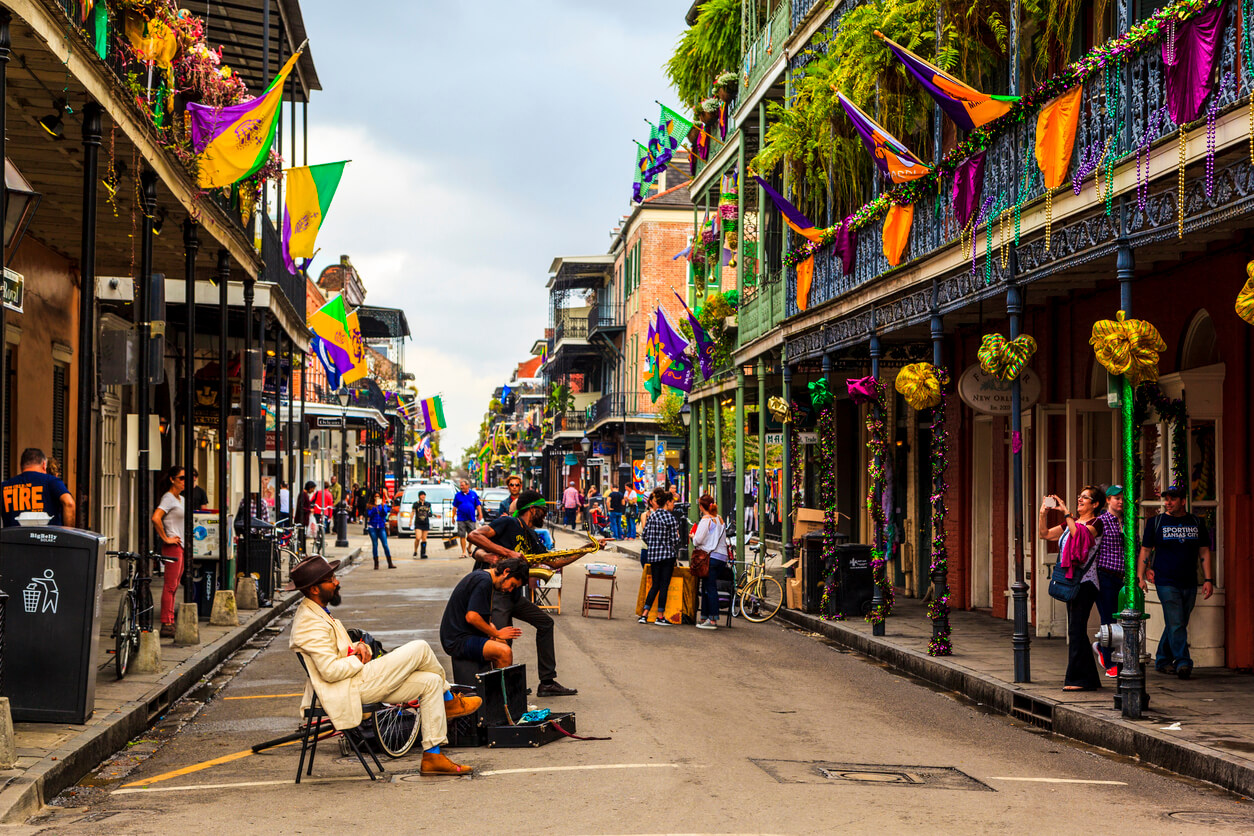
- Spring (March-May): Unbeatable for weather and festivals. If you want to experience Mardi Gras (usually February or early March) or Jazz Fest (late April/early May), this is your prime window. Be prepared for crowds and higher prices for accommodation.
- Fall (September-November): Excellent weather and a strong lineup of food and music festivals, including Voodoo Fest. It’s a fantastic alternative to spring if you prefer slightly fewer crowds and still pleasant temperatures.
- Winter (December-February): Ideal for those who prefer cooler temperatures, fewer crowds (outside of the holiday season and the immediate Mardi Gras period), and a more relaxed pace. It’s a great time for leisurely exploration and enjoying the city’s indoor attractions and culinary scene.
- Summer (June-August): While hot and humid, summer offers the advantage of lower prices and fewer tourists. If you don’t mind the heat, it can be a great time for a budget travel experience, focusing on indoor attractions, evening activities, and enjoying hotels with great pools or amenities like The Pontchartrain Hotel.
Ultimately, there’s no single “wrong” time to visit New Orleans. Each season presents its own unique set of conditions and opportunities. By understanding the weather, packing smart, and planning your activities and accommodation accordingly, you can ensure your trip to the Crescent City is as comfortable and memorable as possible, regardless of when you choose to experience its magic. From a serene Mississippi River cruise on a crisp winter day to a vibrant Jazz Fest afternoon in the spring sun, New Orleans’s weather is just another facet of its captivating personality.
LifeOutOfTheBox is a participant in the Amazon Services LLC Associates Program, an affiliate advertising program designed to provide a means for sites to earn advertising fees by advertising and linking to Amazon.com. Amazon, the Amazon logo, AmazonSupply, and the AmazonSupply logo are trademarks of Amazon.com, Inc. or its affiliates. As an Amazon Associate we earn affiliate commissions from qualifying purchases.