
Orlando, Florida, often dubbed the “Theme Park Capital of the World,” beckons millions of travelers annually with its dazzling attractions, world-class resorts, and vibrant tourism scene. From families seeking magical adventures to couples on romantic getaways and business travelers attending major conventions, Orlando offers an unparalleled array of experiences. However, a successful and enjoyable trip to this Central Florida metropolis hinges significantly on understanding its unique climate. The weather in Orlando is far more than just sunshine; it’s a dynamic factor that influences everything from attraction wait times and hotel amenities to your daily wardrobe choices and overall travel experience.
As a premier destination for travel, hotels, tourism, and accommodation, Orlando’s climate is subtropical, characterized by distinct wet and dry seasons, abundant sunshine, and generally warm temperatures throughout the year. Nestled inland but still influenced by both the Atlantic Ocean to the east and the Gulf of Mexico to the west, the city experiences mild winters and hot, humid summers. Preparing for these conditions is paramount to maximizing your stay, whether you’re exploring iconic landmarks or indulging in a luxurious lifestyle escape. This comprehensive guide will delve into Orlando’s seasonal weather patterns, offering insights and tips to help you plan the perfect visit, no matter the time of year.
Understanding Orlando’s Seasons: A Traveler’s Perspective
Orlando’s climate can be broadly divided into two main seasons: the hot, wet season (late May to early October) and the mild, dry season (late October to early May). Each period presents its own charm and challenges, significantly impacting the type of activities you can enjoy, the crowds you might encounter, and the kind of accommodation that best suits your needs.
Summer: The Hot and Humid Peak (June – September)
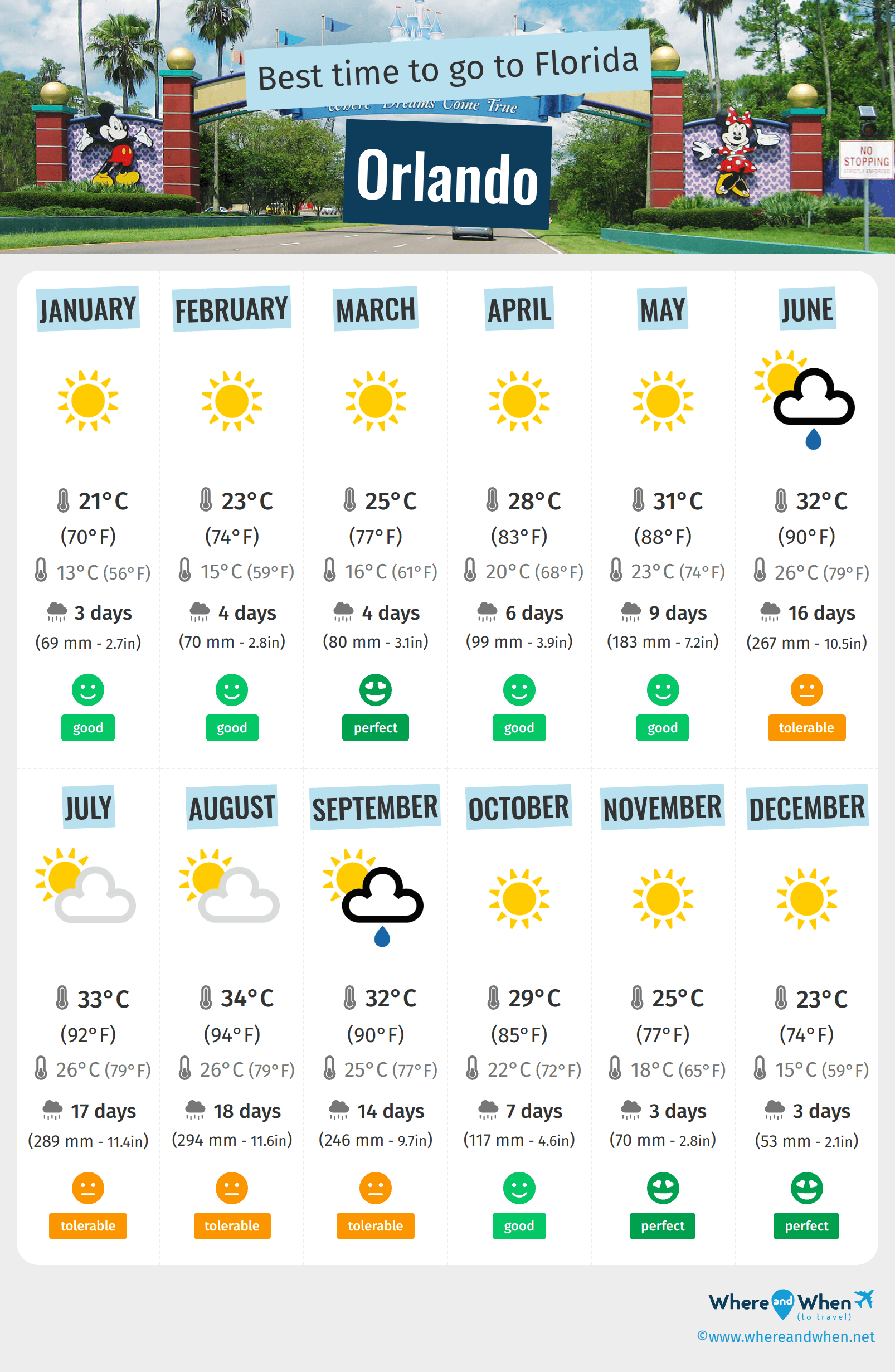
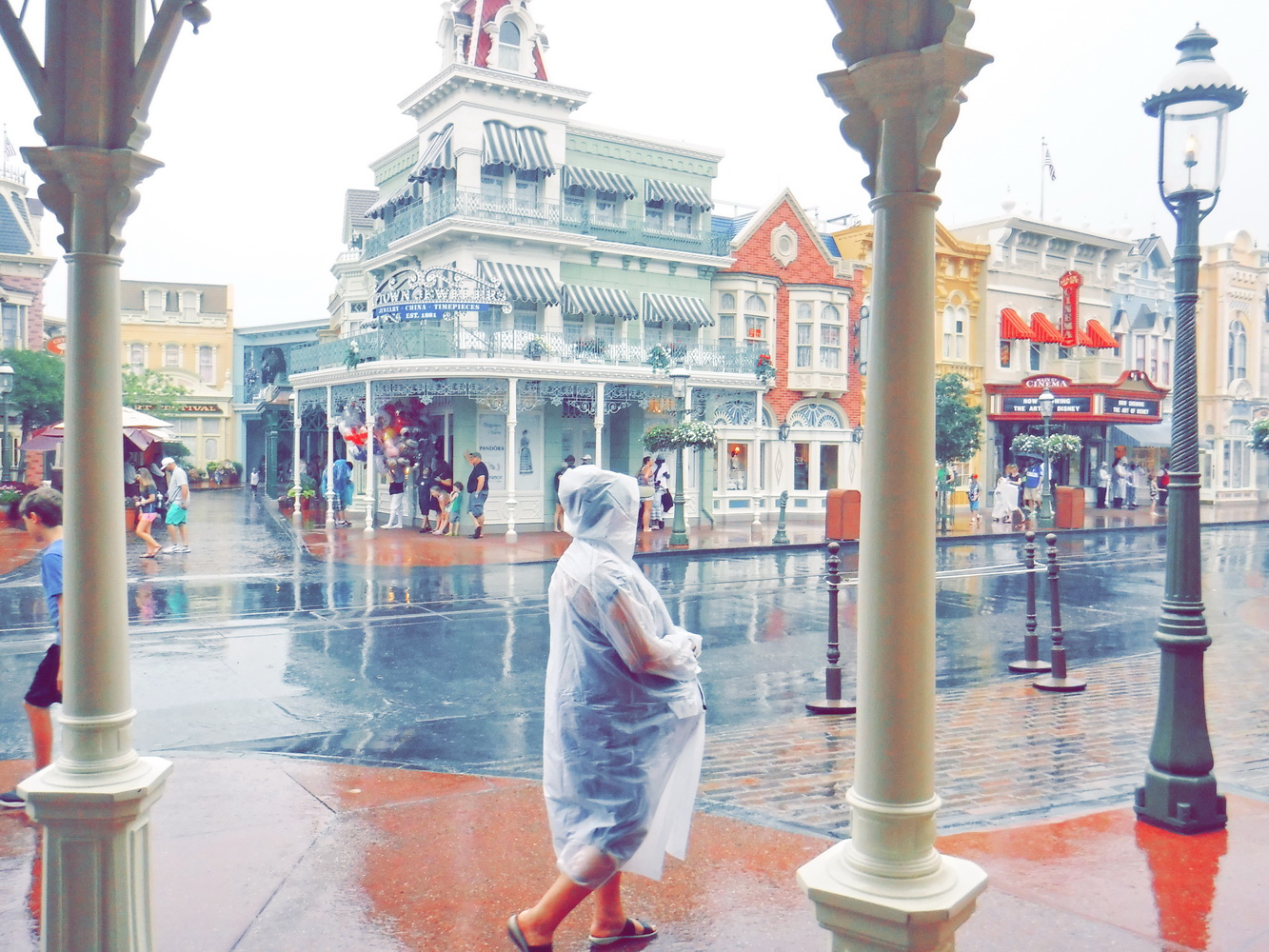
Summer in Orlando is defined by heat, humidity, and frequent afternoon thunderstorms. Daily high temperatures typically range from the high 80s to low 90s Fahrenheit (31-34°C), often feeling much hotter due to the high humidity. These months also mark the wet season, with pop-up showers and thunderstorms being a common, almost daily occurrence, usually in the late afternoon. While often brief, these downpours can be intense, providing a temporary cooldown before the sun returns.
Impact on Travel and Tourism:
For visitors during these months, hydration and strategic planning are key. Theme parks like Walt Disney World Resort and Universal Orlando Resort are bustling, especially in July and August. The heat makes early mornings and evenings ideal for outdoor attractions, while midday can be spent enjoying indoor shows, air-conditioned shops at Disney Springs or Universal CityWalk, or exploring the interactive exhibits at the Orlando Science Center. Water parks such as Typhoon Lagoon, Blizzard Beach, Aquatica Orlando, and Volcano Bay become essential havens for cooling off. It’s also hurricane season, though direct hits are rare, it’s wise to monitor forecasts and consider travel insurance.
Accommodation & Lifestyle Tips:
When booking hotels or resorts during summer, prioritize properties with exceptional pool areas, lazy rivers, and perhaps even indoor activities for those inevitable rainy afternoons. Many luxury resorts, like the Four Seasons Resort Orlando at Walt Disney World Resort or Waldorf Astoria Orlando, excel in providing extensive amenities to combat the heat. For family trips, look for suites or villas that offer space for relaxation between park visits. Pack light, breathable clothing, a wide-brimmed hat, sunglasses, plenty of sunscreen, and compact rain gear. Don’t forget comfortable walking shoes!
Fall: Pleasant Transitions (October – November)
As summer slowly gives way to fall, Orlando experiences a delightful transition. The intense humidity begins to recede, and temperatures become more comfortable, typically ranging from the low 70s to low 80s Fahrenheit (21-28°C). While some scattered showers can still occur, the frequency and intensity of thunderstorms diminish significantly. This period is often considered one of the best times to visit Orlando.
Impact on Travel and Tourism:
Fall brings numerous festivals and events to the Orlando area, including the Epcot International Food & Wine Festival and Halloween Horror Nights at Universal Studios Florida. The pleasant weather makes it ideal for exploring outdoor landmarks beyond the theme parks, such as the tranquil Harry P. Leu Gardens or taking a stroll around Lake Eola Park downtown. Attractions like Gatorland and the Kennedy Space Center Visitor Complex become even more enjoyable without the oppressive summer heat. Crowds can still be moderate due to school breaks and special events, but generally less intense than peak summer.

Accommodation & Lifestyle Tips:
This season is perfect for those seeking a balance of outdoor adventure and relaxation. Hotels and resorts may offer slightly better rates than peak summer, making it a good time for both budget travel and luxury travel experiences. Consider apartments or villas for longer stays, as the agreeable weather encourages exploration beyond the immediate resort area. Pack layers, as evenings can be cooler, especially towards late November.
Winter: Mild and Sunny Escapes (December – February)
Orlando’s winter is a stark contrast to much of North America, offering a mild and predominantly dry escape. Daytime temperatures typically hover in the 60s and low 70s Fahrenheit (15-23°C), with crisp, cool evenings that can drop into the 40s or 50s (4-15°C). Sunshine is abundant, and humidity is low, making for very comfortable conditions. While occasional cold fronts can bring temperatures lower, they are usually short-lived.
Impact on Travel and Tourism:
Winter is a hugely popular time for visitors escaping colder climates, especially around the holidays. The festive atmosphere at Magic Kingdom, Hollywood Studios, and Universal Orlando Resort is magical. While crowds are significant during the Christmas and New Year period, January and February often see fewer visitors after the holiday rush, making it an excellent time for a more relaxed visit. This is also prime golfing season, with many world-class courses thriving in the mild weather. Business travelers attending conventions at the Orange County Convention Center will appreciate the comfortable climate.
Accommodation & Lifestyle Tips:
Due to demand, holiday season accommodation requires early booking. Many resorts offer special holiday packages and decorations. For long-term stays, particularly snowbirds, winter is ideal. Properties like JW Marriott Orlando Grande Lakes or Gaylord Palms Resort & Convention Center offer comprehensive amenities for a comfortable extended visit. Pack jeans, sweaters, and a light jacket or coat, especially for evenings or early mornings. Don’t forget sunscreen, as the Florida sun can still be strong even in winter.
Spring: The Perfect Window (March – May)
Spring in Orlando is arguably the most delightful season, offering a sweet spot before the summer heat intensifies. Temperatures are warm and comfortable, typically ranging from the 70s to low 80s Fahrenheit (21-28°C), with low humidity and minimal rainfall. The days are long and sunny, providing ample opportunity for outdoor activities.
Impact on Travel and Tourism:
This period is highly sought after by travelers, and for good reason. The weather is nearly perfect for visiting all of Orlando’s attractions, from the newest rides at Islands of Adventure and Animal Kingdom to leisurely boat tours. Spring Break can bring significant crowds, particularly in March and early April, so advance booking for attractions and accommodation is highly recommended. LEGOLAND Florida Resort is also a fantastic option for families during this pleasant season. The mild evenings are perfect for enjoying outdoor dining or entertainment districts like ICON Park, where you can ride The Wheel at ICON Park or visit Madame Tussauds Orlando and SEA LIFE Orlando Aquarium.
Accommodation & Lifestyle Tips:
Given the ideal weather and popularity, spring often sees higher prices for hotels and resorts. Early planning and comparison shopping are crucial. Consider staying at resorts known for their beautiful outdoor spaces, like Loews Portofino Bay Hotel or Universal’s Hard Rock Hotel, which allow you to maximize enjoyment of the excellent weather. Pack light clothing, comfortable walking shoes, and a light jacket for cooler evenings. Sun protection remains essential.
Maximizing Your Orlando Experience: Weather-Wise Tips
Regardless of when you choose to visit, a few universal tips can enhance your Orlando experience, taking the local weather into account.
Smart Packing and Hydration
Always pack for sunshine and potential rain. Even in winter, sunglasses and sunscreen are non-negotiable. During summer, lightweight, moisture-wicking fabrics are your best friends. An umbrella or lightweight poncho is a must-have year-round. Hydration is critical, especially from May to October; carry a refillable water bottle and take advantage of free water at theme park quick-service locations.
Strategic Attraction Planning
For hot and humid days, plan your most strenuous outdoor activities for early mornings. Utilize midday for indoor shows, air-conditioned queues, dining, or a mid-day break back at your hotel pool. Many attractions, such as Epcot’s World Showcase pavilions or Universal Studios Florida’s indoor rides, offer a respite from the elements.
Accommodation Amenities and Location
When reviewing hotels, pay close attention to amenities like water parks, spacious pools, and indoor play areas. If traveling with young children, a resort with robust kids’ clubs can be a lifesaver during afternoon rain showers or extreme heat. Proximity to your primary attractions, whether it’s Magic Kingdom or the Dr. Phillips Center for the Performing Arts, can also save time and energy when weather conditions are challenging. Reviews on accommodation sites often highlight how well properties handle different weather scenarios.
Flexibility and Local Insights
The weather in Orlando can change rapidly. Stay flexible with your plans, especially during the summer wet season. A sudden downpour might mean an impromptu visit to a gift shop or an early dinner. Check local forecasts daily. Engage with locals or look for guides that offer real-time insights into Orlando’s local culture and how to navigate the climate.
Conclusion
Orlando is a year-round destination that promises unforgettable experiences for every type of traveler. By understanding its subtropical climate and preparing for its seasonal variations, you can ensure your trip is not just magical, but also comfortable and stress-free. Whether you prefer the sun-drenched, action-packed days of summer, the comfortable vibrancy of fall, the mild relief of winter, or the idyllic warmth of spring, Orlando’s weather is an integral part of its charm. With a little planning and smart choices regarding your accommodation and daily activities, you’re set for an incredible adventure in the heart of Florida. So, check the forecast, pack wisely, and get ready to soak up the unique atmosphere of Orlando!
LifeOutOfTheBox is a participant in the Amazon Services LLC Associates Program, an affiliate advertising program designed to provide a means for sites to earn advertising fees by advertising and linking to Amazon.com. Amazon, the Amazon logo, AmazonSupply, and the AmazonSupply logo are trademarks of Amazon.com, Inc. or its affiliates. As an Amazon Associate we earn affiliate commissions from qualifying purchases.