
Often dubbed the Emerald City for its lush, green landscapes, Seattle, Washington, holds a storied reputation for its seemingly perpetual rain. While this image is certainly part of its charm and identity, it’s also a simplification that doesn’t fully capture the nuanced beauty and distinct seasonality of the Pacific Northwest climate. For travelers planning a visit, understanding Seattle’s weather patterns is paramount to maximizing enjoyment, whether you’re seeking vibrant outdoor adventures, cozy urban explorations, or the best deals on accommodation.
On this platform, dedicated to enriching your travel experiences, we delve deep into destinations, offer comprehensive guides, review top hotels, and unpack the local culture that makes each place unique. When it comes to Seattle, the weather isn’t just a backdrop; it’s an integral part of its tourism appeal, influencing everything from what to pack to the best time for specific activities. From iconic landmarks like the Space Needle to hidden gems in Belltown, the atmospheric conditions truly shape your journey. This guide will navigate you through Seattle’s distinct seasons, offering insights into what to expect, how to prepare, and how to embrace the city’s unique charm, rain or shine.
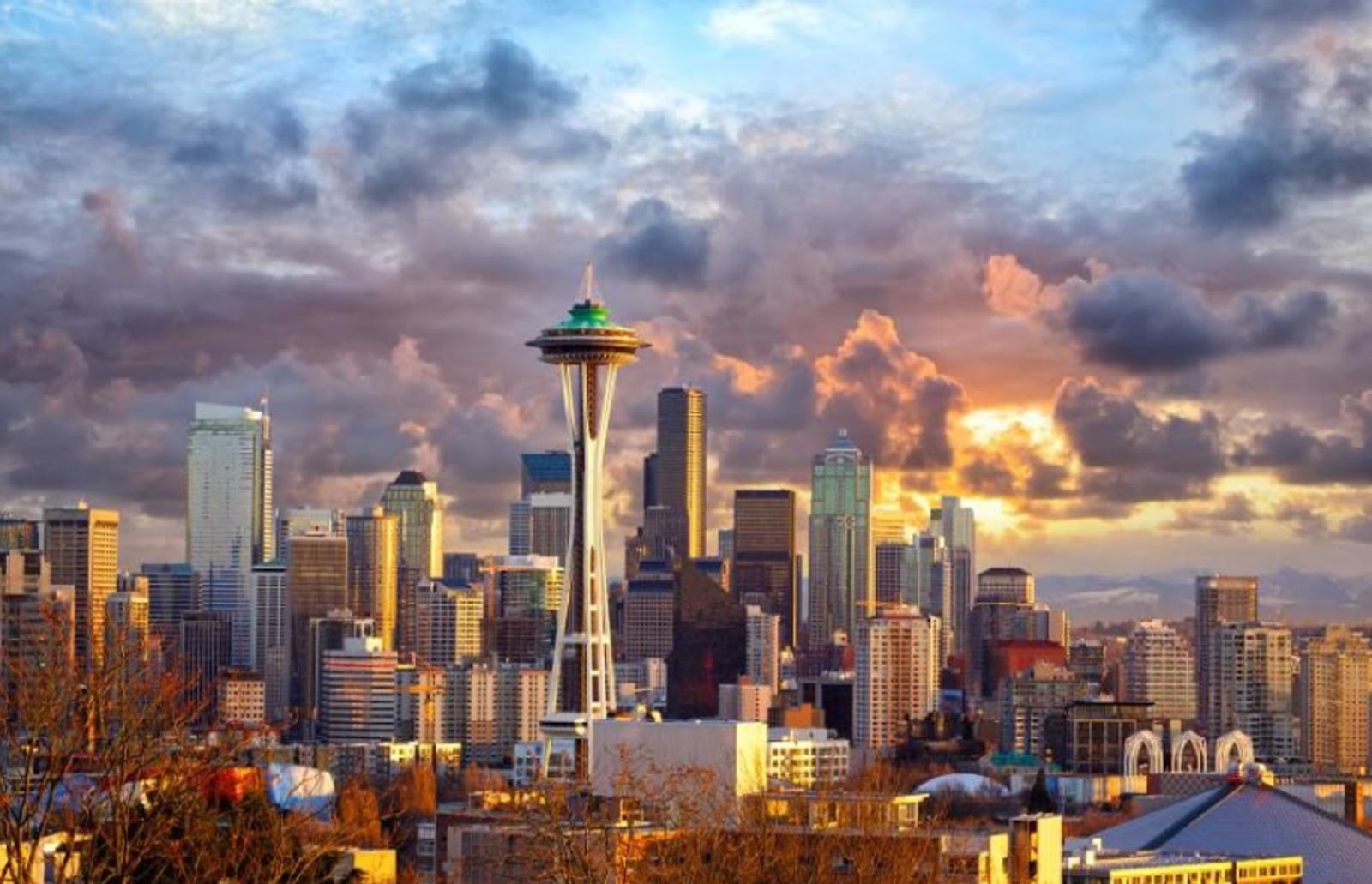
Unpacking Seattle’s Diverse Climate: A Seasonal Breakdown
While the city’s rainy reputation precedes it, Seattle actually experiences four distinct seasons, each offering a unique perspective on the Emerald City. Understanding these seasonal shifts is key to planning the perfect trip, whether you’re on a luxury getaway, a budget-friendly adventure, a family vacation, or a business stay.
Springtime in the Emerald City (March – May)
Spring in Seattle is a period of reawakening, characterized by increasingly mild temperatures and a gradual transition from winter’s consistent drizzle to more intermittent showers punctuated by bursts of sunshine. Average temperatures range from the mid-40s to low 60s Fahrenheit (7-17°C). While rain is still a common occurrence, the days grow longer, and the city bursts into a riot of color with blooming cherry trees at the University of Washington and daffodils carpeting public parks.
This is an excellent shoulder season for travel enthusiasts. The crowds are thinner than in summer, and hotel prices are generally more competitive. It’s the ideal time for exploring Pike Place Market without the summer crush, enjoying a ferry ride across Puget Sound on a crisp, clear day, or visiting indoor attractions like the Museum of Pop Culture (MoPOP). Packing layered clothing, including a waterproof jacket and comfortable walking shoes, is essential to adapt to the unpredictable shifts between sun and rain.
Seattle’s Glorious Summer (June – August)
Prepare to have your preconceptions shattered during a Seattle summer. This season is nothing short of glorious, often surprising first-time visitors who expect endless rain. From June through August, Seattle transforms into a sun-drenched paradise with warm, dry weather, low humidity, and long daylight hours stretching well into the evening. Average temperatures hover in the 70s Fahrenheit (21-26°C), with occasional peaks into the 80s or even 90s. Rainfall is minimal, making it the driest period of the year.
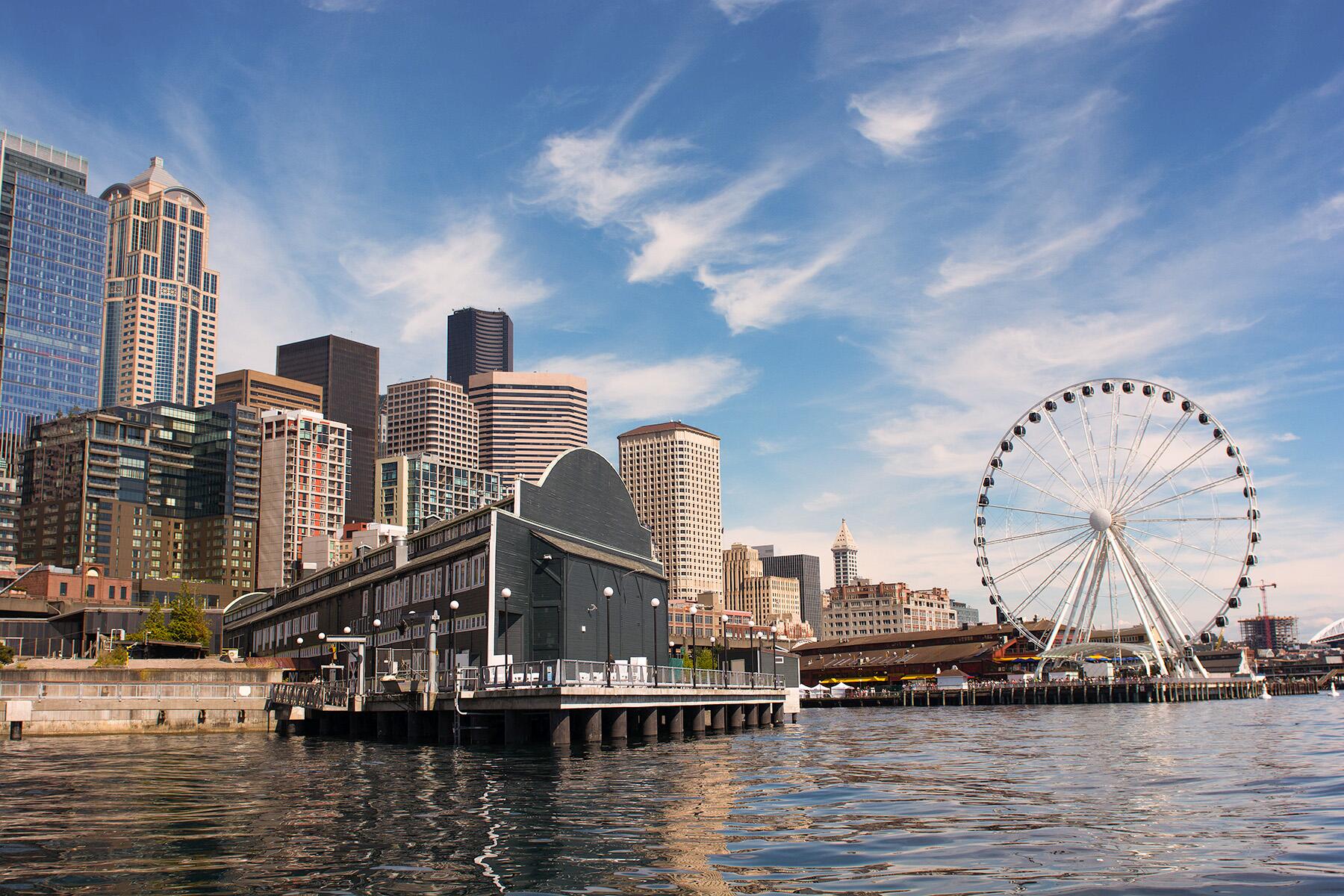
This is prime time for outdoor activities, attracting tourists from all over. The city comes alive with festivals, outdoor concerts, and bustling patios. Hiking trails in nearby Discovery Park or kayaking on Lake Union and Lake Washington become incredibly popular. Visitors flock to the Seattle Great Wheel for panoramic views and enjoy waterfront dining. Given the popularity, summer is peak tourism season, which means higher prices for flights and accommodation. Booking well in advance is crucial, especially if you’re targeting specific hotels or resorts like the luxurious Hyatt Regency Seattle. Don’t forget sunscreen, sunglasses, and lighter clothing, though a light jacket for cooler evenings is always a good idea.
Autumn’s Golden Hues (September – November)
As summer gracefully bows out, Seattle ushers in a beautiful autumn, characterized by crisp air, vibrant fall foliage, and a gradual return of the rain. September often extends the summer warmth, but by October and November, temperatures cool to the 40s and 50s Fahrenheit (4-15°C), and precipitation becomes more frequent. The surrounding forests of the Cascade Range and Olympic Mountains transform into stunning tapestries of red, orange, and gold, offering breathtaking scenic drives and opportunities for photography.
Autumn provides a wonderful balance for visitors. The intense summer crowds dissipate, yet many attractions remain open and accessible. It’s an ideal season for exploring Seattle’s rich indoor cultural scene, including art galleries, theaters, and cozy cafes perfect for enjoying the city’s renowned coffee culture. Accommodation prices typically drop from summer highs, offering better value for those planning a visit. Essential packing includes warm layers, a waterproof jacket, and sturdy, waterproof footwear for comfortable exploration.
Winter’s Mild Embrace (December – February)
Seattle winters are notably mild compared to many other parts of the United States. While rain is a constant companion during these months, heavy snow is rare in the city center, though higher elevations in the nearby mountains receive ample snowfall for winter sports. Average temperatures range from the high 30s to low 50s Fahrenheit (3-10°C). Days are short, and skies are frequently overcast, but occasional clear, crisp days offer stunning views of Mount Rainier and the surrounding peaks.
This is the quietest tourism season, perfect for budget travelers or those seeking a more relaxed, unhurried experience. Hotels offer their lowest rates, and attractions are less crowded. It’s a fantastic time to immerse yourself in Seattle’s indoor offerings: from the interactive exhibits at the Museum of Pop Culture to the dazzling glass art at Chihuly Garden and Glass, or a visit to the Seattle Aquarium. Holiday markets add a festive touch in December. Warm, waterproof clothing, including a good umbrella, is non-negotiable for a comfortable winter visit.
Beyond the Forecast: How Seattle’s Weather Shapes Your Experience
Seattle’s weather isn’t just about temperature and precipitation; it’s a foundational element of the city’s character, influencing everything from local lifestyle to the types of attractions visitors enjoy.
Embracing the Rain: Seattle’s Unique Lifestyle and Culture
The frequent rain has undeniably shaped Seattle’s distinctive culture. It’s a city that has learned to thrive indoors, giving rise to its legendary coffee scene – perfect for a warm beverage on a drizzly day. Independent bookstores, art galleries, and a vibrant music scene flourish, offering endless entertainment regardless of the weather. Locals are adept at layering and don’t let a little rain deter them from outdoor pursuits; umbrellas are less common than high-quality waterproof jackets. This resilient spirit is contagious and becomes part of the visitor’s experience.
Even on rainy days, landmarks like Pike Place Market are bustling, offering shelter in its covered stalls while the aroma of fresh seafood and blooming flowers fills the air. The Space Needle offers stunning views even through a misty haze, creating a dramatic, ethereal atmosphere. Rainy days are perfect for exploring the eclectic Fremont Troll under an overpass or wandering through the vibrant neighborhoods.
Planning Your Perfect Seattle Getaway: Travel and Accommodation Tips
Choosing the best time to visit Seattle largely depends on your priorities. If sun and outdoor activities are paramount, summer (June-August) is unrivaled, though you’ll contend with higher costs and larger crowds. For a balance of pleasant weather, fewer tourists, and better deals on accommodation, late spring (April-May) or early autumn (September-October) are excellent choices. Winter (November-March) offers the most budget-friendly travel options and a chance to experience the cozy, local side of the city.
When packing, always think in layers, regardless of the season. A waterproof outer layer is highly recommended year-round, along with comfortable, waterproof shoes. Even in summer, evenings can be cool. For accommodation, consider your budget and preferred lifestyle. Luxury hotels like the Hyatt Regency Seattle offer exceptional amenities perfect for a comfortable retreat after a day of exploring. Boutique options in neighborhoods like Belltown provide a more local experience. During peak season, booking several months in advance is wise, especially for family trips or business stays that require specific dates and features. Off-season travel provides more flexibility and opportunities for long-term stays or finding last-minute deals.

Key Landmarks and Attractions Through the Seasons
Seattle’s iconic landmarks and diverse attractions offer unique experiences depending on the weather, making careful planning part of the adventure.
The Space Needle provides breathtaking views, but its appeal can vary by season. On a clear summer day, the panorama of the city, Puget Sound, and the distant Olympic Mountains and Cascade Range is unforgettable. During a winter fog or rainy spell, the view takes on a dramatic, cloud-shrouded mystique, which can be equally captivating but less expansive. Regardless, its indoor observation deck and revolving glass floor make it a year-round marvel.
Pike Place Market, with its bustling stalls and eclectic shops, is a vibrant hub that thrives in any weather. Its largely covered pathways offer shelter from rain, while its open-air sections are perfect for soaking up summer sunshine. It’s a sensory feast year-round, making it a reliable destination on any itinerary.
For nature lovers, Discovery Park, Seattle’s largest urban park, offers miles of hiking trails. While beautiful in the summer, with wildflowers and expansive views, it’s also stunning in autumn when foliage turns golden, and even in winter, when a misty atmosphere lends a serene quality to its rugged coastline. Just ensure you have appropriate gear for mud and rain. Similarly, the public parks like Gas Works Park and Kerry Park offer different photographic opportunities with each seasonal change.
Indoor attractions like the Museum of Pop Culture (MoPOP) and Chihuly Garden and Glass are fantastic options for rainy days. MoPOP’s engaging exhibits on music, science fiction, and pop culture offer hours of entertainment. Chihuly Garden and Glass dazzles with intricate glass sculptures, and its partially outdoor garden is lovely on a mild day, but the indoor exhibits are the main draw, ensuring a spectacular experience regardless of the weather.
A ferry ride, such as the popular route to Bainbridge Island, is an quintessential Seattle experience. While beautiful on any day, the most spectacular views of the skyline and surrounding waters are enjoyed on clear days, typically in summer or during crisp autumn and winter mornings. On a rainy day, the ferry still offers a unique perspective and a chance to experience the watery expanse of Puget Sound. Other notable attractions that shine year-round include the Seattle Aquarium, Woodland Park Zoo (which has many indoor exhibits), and the fascinating Ballard Locks with its fish ladder viewing window.
In conclusion, Seattle’s weather is far more varied and inviting than its overcast reputation suggests. By understanding its distinct seasonal patterns, visitors can plan accordingly, pack wisely, and book the perfect accommodation to suit their needs. Whether you’re seeking the vibrant sunshine of summer, the cozy introspection of a rainy autumn day, or the blossoming beauty of spring, Seattle offers a unique and memorable experience throughout the year. Embrace the layers, prepare for a little drizzle, and discover the true charm of the Emerald City.
LifeOutOfTheBox is a participant in the Amazon Services LLC Associates Program, an affiliate advertising program designed to provide a means for sites to earn advertising fees by advertising and linking to Amazon.com. Amazon, the Amazon logo, AmazonSupply, and the AmazonSupply logo are trademarks of Amazon.com, Inc. or its affiliates. As an Amazon Associate we earn affiliate commissions from qualifying purchases.