
When planning a trip to Las Vegas, understanding its unique desert climate is crucial for an enjoyable experience. While Las Vegas is famed for year-round sunshine, the specific climatic nuances of this Mojave Desert oasis significantly influence your itinerary. This guide explores Las Vegas’s distinct seasons, offering insights on what to expect, how to prepare, and how to maximize your visit. From choosing accommodation to packing and planning activities, we’ll help you navigate this vibrant desert destination.
Understanding the Desert Climate: Seasons in the Mojave Desert
Las Vegas features an arid desert climate: scorching summers, mild winters, and minimal rainfall. Low humidity can make extreme temperatures feel somewhat more bearable, but constant hydration is vital. Each season presents a unique facet of Las Vegas, impacting hotel prices, crowds, and recommended activities.
Summer: The Scorching Peak Season
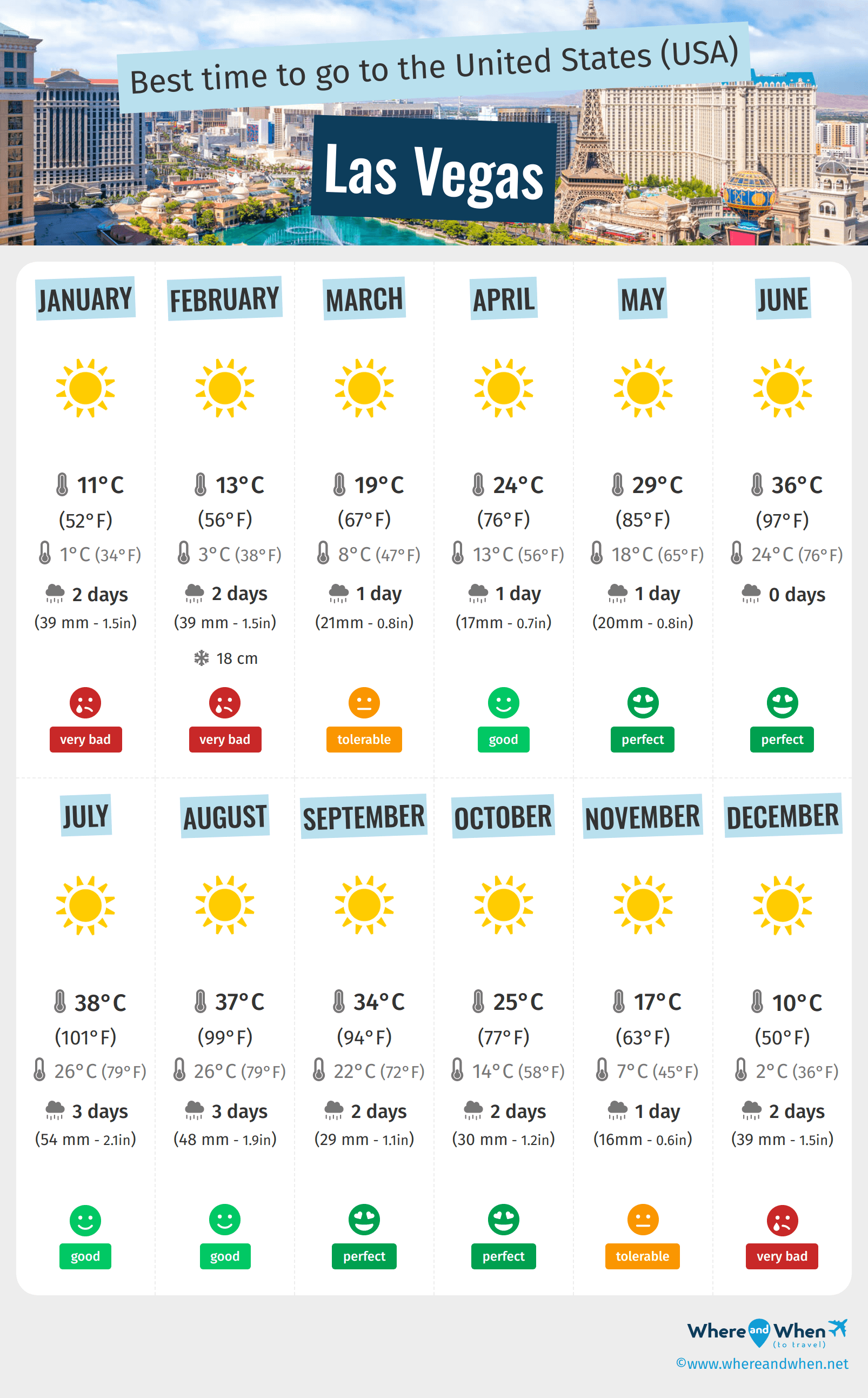
From June to September, Las Vegas experiences intense heat, with daily highs often exceeding 100°F (38°C) and sometimes 110°F (43°C) or higher. This season is ideal for poolside relaxation and indoor entertainment. Resorts like the MGM Grand and Caesars Palace boast expansive pool complexes. Schedule outdoor activities for early mornings or late evenings; the hottest hours are best spent indoors enjoying shows, casinos, shopping, and fine dining. Sunscreen, hats, and constant hydration are essential.
Fall: The Golden Window for Travel
October to November is widely considered the best time to visit Las Vegas. Summer heat gives way to pleasant temperatures, typically mid-70s to high 80s Fahrenheit (24-31°C). This comfortable climate is perfect for exploring the city and its natural surroundings. Enjoy hiking in the Red Rock Canyon National Conservation Area or witnessing the stunning formations of Valley of Fire State Park. Strolling along The Strip or al fresco dining is a delight. Evenings are pleasantly cool, ideal for outdoor shows or rooftop bars.
Winter: Surprisingly Mild and Festive
Winter, from December to February, offers a distinct charm. Temperatures are cooler, with daytime highs typically 50s-60s Fahrenheit (10-20°C) and nighttime lows sometimes dipping into the 30s (0-5°C). Snow is rare on The Strip, but nearby Mount Charleston offers winter sports within an hour’s drive. This season brings a festive atmosphere, especially during the holidays. It’s excellent for sightseeing without intense heat and often with fewer crowds after New Year’s. Heated pools are common, and cozy suites offer retreat. Layers are recommended due to daily temperature fluctuations.
Spring: Blooms, Breezes, and Busy Schedules
Spring, March to May, is another prime season. The weather is warm and inviting, averaging 70s-90s Fahrenheit (21-35°C). The desert comes alive with wildflowers, particularly in surrounding conservation areas. Comfortable breezes make it ideal for walking, golfing, and visiting outdoor attractions like the Bellagio Conservatory & Botanical Garden. However, spring also coincides with spring break and conventions, making it one of the busiest and most expensive times. Expect larger crowds and higher prices for accommodation and flights; early booking is essential.
Weather’s Impact on Your Las Vegas Experience
Las Vegas’s climate is a critical factor influencing almost every aspect of your trip. From packing to accommodation and activities, understanding local weather patterns elevates your journey.
Packing Smart for the Desert Environment
Strategic packing is crucial for Las Vegas year-round. In summer, prioritize lightweight, breathable fabrics like linen or cotton, a wide-brimmed hat, sunglasses, and high-SPF sunscreen. Hydration is vital; always carry water. A light jacket for air-conditioned interiors is wise, even in summer. For fall and spring, layers are essential. Winter requires warmer clothing, including sweaters and a heavier jacket. Comfortable walking shoes are a must for any season.
Choosing Your Accommodation Wisely
Accommodation choice should consider the weather. In summer, a resort with an expansive pool complex and excellent air conditioning is vital. Look for hotels with multiple pools or indoor options. During cooler winter months, proximity to indoor attractions, shows, and dining might take precedence over pool amenities. For longer stays, confirm climate control specifics. Reviews often highlight climate management. Consider a central Strip location for indoor access during extreme weather, or a quieter option for outdoor relaxation in milder seasons. Booking platforms offer filters for amenities like heated pools.
Optimizing Your Itinerary: Activities for Every Forecast
Flexibility is crucial when planning your Las Vegas itinerary. During intense summer, prioritize indoor attractions: Cirque du Soleil shows, the Neon Museum, or shopping at the Forum Shops at Caesars. Early morning visits to outdoor landmarks like the Hoover Dam or Lake Mead are manageable. Fall and spring’s mild temperatures open up outdoor possibilities: helicopter tours over the Grand Canyon, hiking Red Rock Canyon National Conservation Area, or golfing. Even in winter, cooler days are pleasant for Strip strolls. Always check the forecast for last-minute adjustments.
Beyond The Strip: Weather for Outdoor Adventures
Beyond The Strip’s glitz, the region offers incredible natural beauty and adventure. Venturing into the Mojave Desert’s rugged landscapes, however, demands heightened weather awareness.
Exploring Natural Landmarks
For hiking and exploring natural landmarks like Red Rock Canyon National Conservation Area or Valley of Fire State Park, fall, winter, and spring are ideal. Temperatures are comfortable and safe for extended outdoor activity. Summer hiking is strongly discouraged due to extreme heat and dehydration risks. Even in milder seasons, carry plenty of water. Day trips to the Grand Canyon are also more comfortable during cooler months, though winter can bring snow to the South Rim. Always check local weather and park advisories.
Water-Based Activities on Lake Mead and the Colorado River
Lake Mead and the Colorado River offer refreshing escapes for boating, kayaking, and fishing. The peak season for water activities is late spring through early fall, when air temperatures make swimming enjoyable. Even in summer, Lake Mead’s water can be surprisingly cool. Be mindful of fluctuating water levels and rapid desert storms. Cooler months still offer scenic beauty, though swimming is less appealing. Check water temperatures and wind conditions before any excursion.
Lifestyle Considerations: Travel Styles in Varying Climates
Las Vegas weather influences comfort, economics, and your trip’s vibe, whether luxury or budget. Understanding these dynamics helps optimize your spending and experience.
Weather-Dependent Pricing and Crowds
Fall (October-November) and spring (March-May) are high seasons due to pleasant weather, leading to higher demand and prices for hotels, flights, and shows. For luxury travel and optimal weather, be prepared for premium costs. Conversely, scorching summer (June-August) and quieter post-holiday winter weeks (mid-January to February) often bring lower prices, ideal for budget travel. Despite summer heat, many indoor attractions and pool parties offer great value. Winter provides a calmer experience without extreme heat or crowds, often at more accessible price points. Strategic booking during off-peak times can yield savings.
Health and Comfort for All Travelers
Beyond finances, weather impacts health. Families with young children or seniors might avoid extreme summer heat. The dry desert air can affect skin and respiratory systems year-round, so moisturizers and constant hydration are crucial. Travelers with pre-existing conditions should consult a doctor before summer visits. Sun protection is always essential. Las Vegas offers ample climate-controlled environments. Balancing indoor and outdoor activities helps maintain well-being. Prioritizing comfort and safety ensures full immersion in the unique Las Vegas experience, whatever the forecast.
Conclusion:
The weather in Las Vegas, Nevada, profoundly shapes the city’s character and your journey. From intense summer sun demanding poolside lounging and air-conditioned entertainment to the mild conditions of fall and spring perfect for desert exploration, each season offers unique opportunities. By understanding the Mojave Desert’s climate, you can make informed decisions about when to visit, what to pack, and how to structure your itinerary. Whether you seek luxury or budget travel, high-octane Strip activities or serene natural landmarks, being weather-aware is your best guide to unlocking your Las Vegas adventure. Check the forecast, pack smart, and prepare for an unforgettable experience.