
Florida, often dubbed the “Sunshine State,” evokes images of endless beaches, vibrant cities, and perpetual warmth. While this reputation largely holds true, the nuances of its weather patterns are crucial for anyone planning a visit, considering a move, or simply curious about its climate. Understanding Florida’s distinct seasons, regional variations, and potential weather challenges is key to a perfectly planned trip and an enjoyable experience. Whether you’re a first-time traveler or a seasoned visitor, delving into the specifics of Florida’s climate can transform your accommodation choices, activity planning, and overall lifestyle expectations.
A Comprehensive Look at Florida’s Diverse Climate
Florida’s climate is predominantly humid subtropical in the northern and central regions, transitioning to a tropical climate in the southern tip, including areas like Miami and the Florida Keys. This geographical distinction accounts for some variation across the state, but generally, Florida is characterized by warm temperatures year-round, high humidity, and distinct wet and dry seasons.
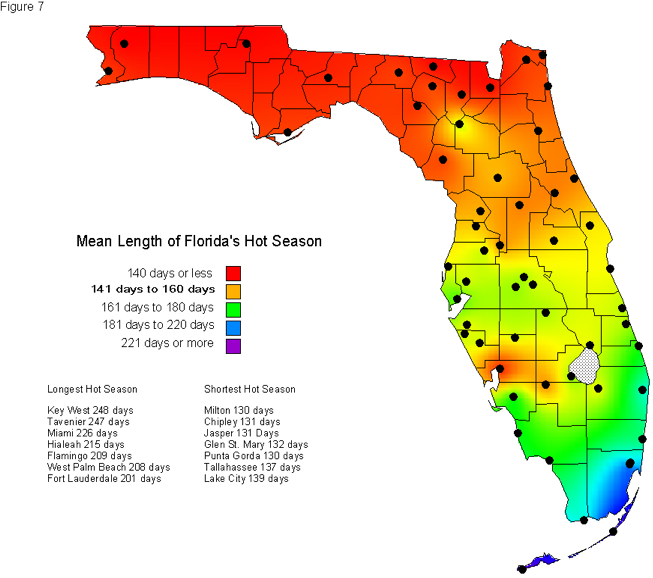
The state experiences abundant sunshine, averaging over 200 sunny days annually, contributing significantly to its appeal as a premier travel destination. However, this sunshine is often coupled with high humidity, especially during the summer months, making the “feels like” temperature often higher than the actual air temperature. Daily highs typically range from the 60s and 70s Fahrenheit (15-25°C) in winter to the high 80s and low 90s Fahrenheit (30-35°C) in summer. Overnight lows rarely drop below freezing except in the northernmost parts of the state during occasional cold snaps.
Rainfall patterns are also a defining characteristic. The dry season generally runs from October through May, offering cooler, less humid weather with minimal precipitation. Conversely, the wet season, from June through September, brings more frequent and intense rainfall, often in the form of afternoon thunderstorms. These storms are typically brief but can be heavy, providing a temporary respite from the heat and humidity before the sun returns. This tropical influence means that outdoor activities often need to be planned with an awareness of these daily deluges. The Gulf Stream also plays a significant role, influencing ocean temperatures and, consequently, the state’s mild winters and the intensity of its hurricane season.
Seasonal Breakdown: Planning Your Florida Adventure
Understanding Florida’s weather patterns by season is fundamental for any traveler. Each season offers unique advantages and challenges, influencing everything from hotel bookings to the type of attractions you’ll enjoy most.
Winter (December – February): The Peak Season for Pleasantries
Winter is arguably the most popular time to visit Florida, particularly for those escaping colder northern climates. The weather is delightfully mild, with average daytime temperatures ranging from the low 70s F (21-23°C) in Central Florida to the mid-70s F (24-26°C) in South Florida. Humidity is at its lowest, and rainfall is minimal, making it perfect for outdoor activities.
This season is ideal for exploring Florida’s numerous attractions without the oppressive heat and humidity of summer. Theme parks like Walt Disney World and Universal Orlando Resort are bustling, and the beaches of Miami Beach, Fort Lauderdale, and Clearwater Beach are inviting. It’s also prime time for wildlife viewing in places like Everglades National Park, where the lower water levels make it easier to spot alligators and various bird species.
Given the pleasant weather and high demand, accommodation during winter, especially around major holidays like Christmas and New Year’s, can be expensive and requires advanced booking. Luxury resorts like The Breakers Palm Beach or boutique hotels in Key West see their highest rates. Travelers seeking budget-friendly options might look at vacation rentals or hotels slightly off the main tourist strips in cities like Orlando or Tampa.
Spring (March – May): Beautiful Blooms and Bustling Beaches
Spring in Florida is a transition period, offering a wonderful blend of warm weather and relatively low humidity before the summer heat fully sets in. March and April are particularly lovely, with temperatures typically in the high 70s to low 80s F (25-29°C). As May approaches, temperatures climb, and humidity starts to increase, signaling the onset of the wet season.
This season is fantastic for exploring Florida’s natural beauty, from the blossoming gardens of Bok Tower Gardens to the vibrant coral reefs around the Florida Keys. Spring break brings an influx of students to coastal cities, particularly on the Panhandle and Atlantic Coast, so crowds can be significant in popular destinations.
Booking hotels like the Hyatt Regency Grand Cypress in Orlando or resorts along the Gulf Coast during this period is advisable well in advance, especially if your travel dates coincide with school holidays. It’s an excellent time for water sports, fishing, and outdoor festivals that celebrate local culture and cuisine.
Summer (June – August): The Hot and Rainy Retreat
Summer in Florida means heat, high humidity, and frequent afternoon thunderstorms. Daily temperatures consistently reach the high 80s to low 90s F (30-35°C), with humidity levels often making it feel much hotter. The wet season is in full swing, with almost daily downpours that usually last for an hour or two in the afternoon, followed by sunshine.

Despite the intense weather, summer remains a popular time for family vacations, especially due to school holidays. Theme parks remain a major draw, with many visitors opting for early morning visits to avoid the worst of the heat and afternoon storms. Water parks like Typhoon Lagoon and Volcano Bay become essential escapes. Indoor attractions such as the Kennedy Space Center and various museums in cities like St. Petersburg and Jacksonville offer excellent alternatives.
Accommodation prices, particularly at non-theme park resorts like Hilton Orlando or Marriott Marquis Miami, might see a slight dip compared to peak winter rates, offering good value for budget-conscious travelers willing to brave the heat. However, it’s also the beginning of hurricane season, which runs from June 1st to November 30th, making trip insurance a wise consideration.
Fall (September – November): Transition and Hurricane Watch
Fall in Florida is a mixed bag, offering a gradual transition from the hot, wet summer to the cooler, drier winter. September and October are still quite warm and remain within the peak of hurricane season, so travelers must closely monitor weather forecasts. By November, the air becomes noticeably drier and cooler, especially in northern and central Florida.
Despite the hurricane risk, fall can be a fantastic time to visit. Crowds at major attractions thin out after the summer rush, and many destinations host charming local festivals. It’s a great time for exploring historical sites in St. Augustine or enjoying the natural beauty of Ocala National Forest without the summer crowds. The waters are still warm enough for swimming and snorkeling well into October.
Accommodation deals can be found, especially in September and early October, before the winter season ramps up again. Hotels like Holiday Inn Express across various cities often offer attractive rates. Travelers should maintain flexibility in their plans and consider destinations less affected by potential storm activity if severe weather warnings arise.
Weather Considerations for Diverse Travel Styles
Florida’s dynamic weather impacts how different types of travelers experience the state. Tailoring your trip to the prevailing conditions can significantly enhance your experience, aligning the climate with your lifestyle and travel goals.
Family Trips and Theme Park Enthusiasts
For families planning a trip to Orlando’s world-renowned theme parks or the family-friendly beaches of Sarasota, the timing of your visit is paramount. Spring (March-May) and late fall (November) generally offer the most comfortable temperatures and lower humidity, making long days of walking and outdoor rides more enjoyable. Early summer can also work, but be prepared for the heat and daily afternoon showers. Winter is excellent but coincides with peak crowds and prices. Packing light, breathable clothing, hats, sunscreen, and rain ponchos is essential regardless of the season. Staying at resorts that offer ample indoor entertainment or strong air conditioning is a key consideration for family accommodation.
Beach Lovers and Water Sports Adventurers
Those whose primary aim is to bask on the pristine sands of South Beach, explore the underwater wonders around Dry Tortugas National Park, or indulge in water sports will find Florida’s coastal weather generally accommodating. The ocean temperatures are inviting year-round, typically ranging from the low 70s F (21°C) in winter to the mid-80s F (29°C) in summer. Spring and fall offer the perfect balance of warm weather, pleasant sea conditions, and fewer crowds than peak summer or winter. However, even in winter, sunbathing is popular, particularly in southern Florida destinations like Naples and Key West. During summer, while the air is hot, the water provides a refreshing escape, and the afternoon storms usually don’t deter morning beach visits.
Nature Explorers and Outdoor Enthusiasts
Hikers, birdwatchers, kayakers, and those wishing to explore Florida’s vast natural landscapes will find winter and early spring the most comfortable times. The cooler temperatures and lower humidity make traversing trails in Ocala National Forest or kayaking through the mangroves of Biscayne National Park much more pleasant. Insect activity, particularly mosquitoes, is also generally lower in the drier, cooler months. Fall can also be good, but constant vigilance for hurricane developments is necessary. During the hot, humid summer, outdoor excursions should be limited to early mornings or late afternoons, with plenty of water and insect repellent. Places like Sanibel Island are beautiful year-round, but specific activities are best planned by season.

Preparing for Florida’s Weather: Essential Tips
Regardless of when you choose to visit, a bit of preparation can go a long way in ensuring a comfortable and memorable Florida experience.
- Pack Smart: Always include lightweight, breathable clothing, a wide-brimmed hat, sunglasses, and high-SPF sunscreen. Even during cooler months, the sun is strong. A light rain jacket or umbrella is a must-have for the wet season and can be handy for unexpected showers year-round. Comfortable walking shoes are also essential for exploring attractions.
- Stay Hydrated: The warmth and humidity can lead to rapid dehydration. Drink plenty of water throughout the day, especially if you’re engaging in outdoor activities.
- Monitor Forecasts: Florida’s weather can change quickly. Check local forecasts daily, particularly during the wet and hurricane seasons. Many apps provide real-time radar, which is invaluable for planning around afternoon storms.
- Hurricane Preparedness: If traveling between June and November, familiarize yourself with hurricane safety procedures and consider purchasing travel insurance that covers weather-related cancellations or interruptions. Most hotels and resorts in affected areas have evacuation plans and will keep guests informed.
- Book Flexible Accommodation: Consider booking hotels or resorts with flexible cancellation policies, especially during transitional seasons. Many properties offer excellent amenities like large pools, indoor activities, and spa services, which can be lifesavers on rainy days or during extreme heat. Long-term stay accommodations, like serviced apartments, often provide more space and amenities for weathering any unexpected changes.
- Embrace the Afternoon Shower: Don’t let the summer thunderstorms deter you. They are usually brief and often bring a refreshing coolness. Plan your day with them in mind: enjoy indoor attractions, a leisurely lunch, or return to your accommodation for a quick break during the typical shower window.
In conclusion, Florida’s weather is as dynamic and diverse as its landscape. While it certainly lives up to its “Sunshine State” moniker with abundant warmth and bright days, understanding its seasonal shifts, humidity levels, and potential for rain or storms is crucial. By considering the climate in relation to your travel style, preferred activities, and accommodation choices, you can ensure your Florida experience is not just good, but truly exceptional, any time of the year. From luxury travel experiences to budget travel adventures, thoughtful planning around the weather is your ultimate guide to unlocking the best of what Florida has to offer.
LifeOutOfTheBox is a participant in the Amazon Services LLC Associates Program, an affiliate advertising program designed to provide a means for sites to earn advertising fees by advertising and linking to Amazon.com. Amazon, the Amazon logo, AmazonSupply, and the AmazonSupply logo are trademarks of Amazon.com, Inc. or its affiliates. As an Amazon Associate we earn affiliate commissions from qualifying purchases.