
When you hear “What’s Time In Florida?”, your mind might first drift to the literal ticking of clocks – a practical concern for any traveler. Indeed, the Sunshine State spans two time zones. But to truly understand “time in Florida” is to delve into something much richer: the rhythm of its diverse landscapes, the optimal moments to experience its wonders, and the unforgettable memories woven into every hour spent within its vibrant borders. Florida is a destination where time can slow down to the gentle lapping of waves on a pristine beach, accelerate to the exhilarating pace of a world-class theme park, or transport you back centuries in a historic city. This article serves as your comprehensive guide, unraveling the layers of what makes spending time in Florida an unparalleled experience, blending practical insights with inspirational travel ideas from its most iconic attractions to its hidden cultural gems.
For those planning a trip, understanding the literal time zones is a foundational step, but equally important is grasping the cyclical nature of its tourism seasons, its incredible array of accommodations, and the lifestyle choices that define a truly memorable Florida getaway. Whether you’re seeking a luxurious escape, a budget-friendly family adventure, or a deep dive into local culture, Florida offers a diverse palette of experiences to fill your time, making every moment count.
Navigating Florida’s Time Zones and Optimal Visit Windows
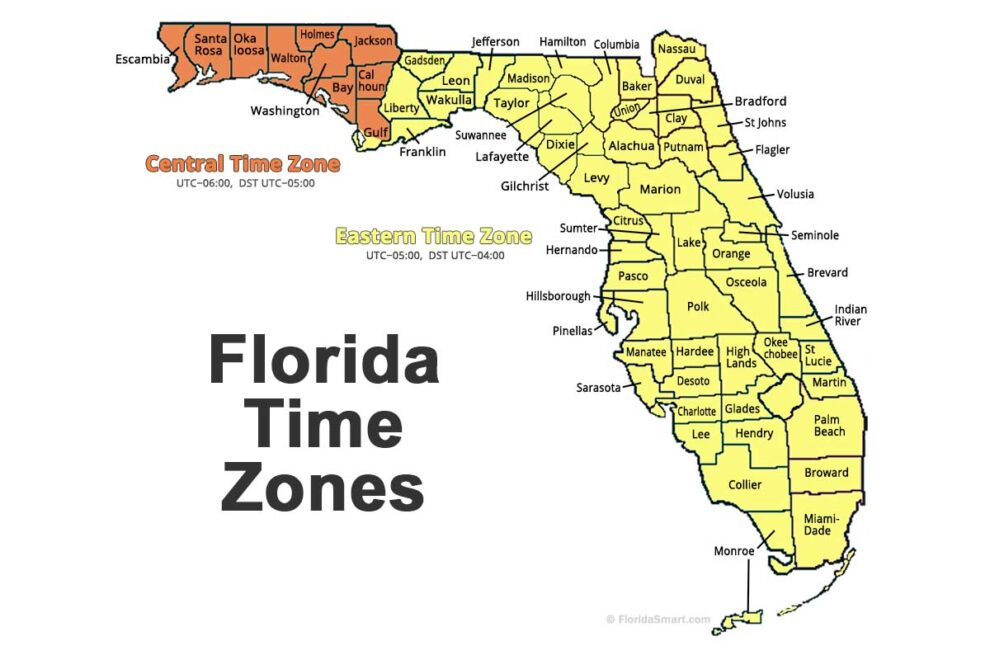
A practical aspect of “What’s Time In Florida?” begins with its geographical location. While most of the state observes Eastern Time, a portion of its panhandle operates on Central Time. Beyond the clocks, however, understanding the best time of year to visit is crucial for shaping the perfect itinerary.
Understanding the Clocks: Eastern and Central Time
The majority of Florida, including major hubs like Orlando, Miami, and the Florida Keys, falls within the Eastern Time Zone (ET). This means that during standard time, it aligns with New York City and Washington D.C.. However, the western part of the Florida Panhandle, encompassing cities such as Pensacola and Destin, observes the Central Time Zone (CT), which is one hour behind Eastern Time.
Both zones participate in Daylight Saving Time, meaning clocks spring forward in March and fall back in November. For travelers, this time zone division primarily impacts those driving across the panhandle or coordinating flights and meetings that cross this invisible line. Always double-check your arrival and departure times, especially when traveling between the two zones, to avoid any confusion and ensure a smooth journey. Knowing which time zone applies to your destination is a small detail that can significantly impact the logistics of your travel plans and appointments.
The Best Time to Visit: Weather, Crowds, and Events
Florida’s subtropical to tropical climate ensures sunshine for most of the year, but understanding its seasonal nuances is key to an optimal experience. The “best time” to visit often depends on your priorities: avoiding crowds, enjoying specific weather, or attending particular events.
Winter (December to February) is arguably the most popular time, especially for “snowbirds” escaping colder climates. The weather is delightfully mild, with average temperatures ranging from the 60s to low 70s Fahrenheit (15-23°C), and humidity is low. This makes it ideal for exploring theme parks, relaxing on beaches, and enjoying outdoor activities. However, this is also peak season, meaning higher prices for hotels and flights, and larger crowds at major attractions. Expect festive holiday events throughout December, and robust cultural calendars in cities like Miami and Sarasota.
Spring (March to May) offers a sweet spot with warm temperatures, usually in the 70s and 80s Fahrenheit (21-30°C), before the oppressive summer humidity sets in. The landscapes are vibrant, and ocean temperatures are comfortable for swimming. While Spring Break can bring surges of visitors to coastal towns and Orlando, late spring generally sees fewer crowds than winter. This period is fantastic for outdoor adventures, from kayaking in springs to exploring state parks. Events like the Epcot International Flower & Garden Festival add to the allure.
Summer (June to August) is Florida’s hot and humid season, characterized by daily afternoon thunderstorms. Temperatures frequently soar into the 90s Fahrenheit (32°C+), and it’s also the start of hurricane season (which officially runs from June 1 to November 30). Despite this, summer remains a prime time for family vacations, especially due to school holidays. Theme parks offer extended hours, and water parks provide excellent respite from the heat. Prices for hotels might be slightly lower than peak winter, but still robust due to demand. Travelers during this time should plan indoor activities for the afternoons and stay hydrated.

Fall (September to November) can be a fantastic time for those seeking fewer crowds and better value. Early fall still carries the higher risk of hurricanes, but by late October and November, the weather becomes wonderfully pleasant, similar to spring. Temperatures cool down, humidity drops, and the beaches are serene. This “shoulder season” is perfect for adults looking for a more relaxed trip, with events like the Epcot International Food & Wine Festival drawing foodies, and Halloween Horror Nights at Universal Orlando Resort offering thrills. Many travel guides highlight fall as an optimal window for a blend of good weather and fewer crowds, provided you monitor weather forecasts closely.
A Timeless Tapestry of Experiences: Attractions and Landmarks
The essence of “time in Florida” is truly captured by the incredible array of experiences available. From world-famous theme parks to historic cities and pristine natural wonders, Florida’s attractions promise to fill your itinerary with unforgettable moments, making it a premier travel destination for all ages.
Thrills and Magic: Iconic Theme Parks
No discussion of Florida is complete without mentioning its legendary theme parks, predominantly clustered around Orlando. These immersive worlds are designed to transport visitors, blurring the lines between reality and fantasy, making every minute an adventure.
The Walt Disney World Resort is a universe unto itself, home to four distinct parks: Magic Kingdom, Epcot, Hollywood Studios, and Animal Kingdom. Each offers unique attractions, entertainment, and dining experiences, from Cinderella’s Castle to expeditions through Pandora – The World of Avatar. Planning your time here is an art form, often requiring multi-day passes, careful use of mobile apps for wait times, and strategic dining reservations to maximize your enjoyment.
Not far away, the Universal Orlando Resort draws millions with its cinematic adventures. Comprising Universal Studios Florida and Islands of Adventure, it’s best known for The Wizarding World of Harry Potter, which connects both parks via the Hogwarts Express. These parks offer thrilling rides, spectacular shows, and immersive environments that appeal to teens and adults just as much as younger visitors.
Beyond Orlando, Busch Gardens Tampa Bay combines adrenaline-pumping roller coasters with extensive animal habitats, offering a unique blend of thrills and wildlife encounters. For theme park enthusiasts, allocating sufficient time to explore these destinations is paramount, often becoming the central focus of a Florida vacation. These attractions are not just rides; they are intricate worlds offering diverse experiences that contribute significantly to Florida’s tourism appeal.

Sun-Kissed Shores and Aquatic Adventures
Florida’s extensive coastline, bordering both the Atlantic Ocean and the Gulf of Mexico, provides an endless array of beaches, each with its own character. Spending time by the water is a quintessential Florida experience, embracing a lifestyle of relaxation and recreation.
On the Atlantic Coast, South Beach in Miami is world-renowned for its vibrant Art Deco architecture, chic atmosphere, and lively nightlife. It’s a place to see and be seen, offering a sophisticated blend of sunbathing, fine dining, and cultural immersion. Further north, Cocoa Beach is a surfing hotspot and home to the iconic Ron Jon Surf Shop. Amelia Island, near Jacksonville, offers a more serene, upscale beach experience with historic charm.
The Gulf Coast is celebrated for its calm, warm, turquoise waters and powdery white sand. Clearwater Beach consistently ranks among the best beaches in the U.S. for its family-friendly atmosphere and the famous Pier 60 sunset festival. Siesta Key Beach, near Sarasota, boasts sand made almost entirely of quartz, making it remarkably soft and cool underfoot.
For ultimate aquatic adventures, the Florida Keys stretch like a string of pearls into the Caribbean Sea. Here, Key West offers a unique bohemian vibe, but the true magic lies beneath the waves. The Keys are a premier destination for snorkeling, diving among coral reefs, and deep-sea fishing, allowing visitors to spend their time immersed in the vibrant marine ecosystem.
Exploring Nature’s Untamed Beauty and Historical Riches
Beyond the man-made marvels and pristine beaches, Florida’s natural landscapes and rich history offer a different kind of timeless appeal, inviting exploration and reflection.
Everglades National Park, a UNESCO World Heritage site, is a vast wetland ecosystem unlike any other. Airboat tours offer thrilling encounters with alligators, crocodiles, and diverse birdlife, showcasing the raw, untamed side of Florida. It’s a testament to the state’s commitment to nature and an essential experience for eco-tourists and those seeking unique adventures.
For a journey back in time, St. Augustine, the oldest continuously inhabited European-established settlement in the United States, is a must-visit. Its cobblestone streets, historic architecture, and landmarks like the imposing Castillo de San Marcos transport visitors to a bygone era of Spanish colonial influence. Guided tours and historical reenactments bring centuries of history to life, making it a fascinating destination for history buffs and anyone interested in local culture.
Furthermore, the Kennedy Space Center Visitor Complex on Merritt Island offers an awe-inspiring look into humanity’s quest for space. Visitors can meet veteran astronauts, walk among towering rockets, and even witness a live rocket launch, connecting the past achievements of space exploration with future endeavors. These diverse landmarks offer profound insights into the varied “times” that have shaped Florida, from ancient ecosystems to the cutting edge of human innovation.
Crafting Your Florida Lifestyle: Accommodation and Experiences
The “time in Florida” you experience is also defined by where you stay and how you choose to immerse yourself in the local lifestyle. Florida’s accommodation options are as varied as its attractions, catering to every budget and preference, ensuring that your lodging complements your desired travel experience.
From Luxury Resorts to Cozy Stays: Finding Your Perfect Abode
Choosing the right accommodation is paramount to a successful Florida trip. The state boasts an impressive array of hotels, resorts, apartments, and villas, each promising a distinct set of amenities and experiences.
For the ultimate in luxury travel, destinations like Palm Beach and Naples host some of the most opulent resorts in the world. The Four Seasons Resort Orlando at Walt Disney World Resort offers an exquisite experience with unparalleled service and access to the magic. Similarly, The Breakers Palm Beach stands as a historic icon of Gilded Age grandeur, providing world-class dining, golf, and oceanfront elegance. These resorts are destinations in themselves, offering amenities like private beaches, championship golf courses, lavish spas, and exclusive dining options, making your stay an integral part of your luxury travel experience.
Family trips often center around resorts that cater to children with dedicated pools, kids’ clubs, and convenient access to theme parks. Disney’s Contemporary Resort, with its monorail access to Magic Kingdom, epitomizes family-friendly convenience. Universal’s Cabana Bay Beach Resort offers a fun, retro theme and easy access to Universal Orlando Resort. Many resorts offer suites and apartment-style accommodations, perfect for longer stays or larger groups, complete with kitchens and laundry facilities.
Budget travel doesn’t mean sacrificing comfort. Florida has an abundance of well-regarded mid-range hotels, charming boutique inns, and vacation rentals available through various booking platforms. For a unique experience, consider historic hotels like The Don CeSar in St. Pete Beach, known for its iconic pink facade and beachfront luxury. When booking, consider factors like location, proximity to attractions, included amenities (e.g., free breakfast, pool access, shuttle services), and recent reviews to ensure your accommodation perfectly fits your travel style and budget. Comparison websites and direct booking often yield the best deals, ensuring your “time in Florida” is both enjoyable and economical.
Beyond the Brochure: Immersion in Local Culture and Cuisine
To truly experience “time in Florida” is to go beyond the major attractions and dive into its vibrant local culture and diverse culinary scene. Florida’s history as a melting pot of influences – Spanish, Cuban, Caribbean, and Southern – has created a rich tapestry of food, arts, and traditions.
The food scene is a highlight for any traveler. In Miami, a visit to Little Havana is essential for authentic Cuban cuisine, from strong cafecitos to savory Cuban sandwiches. Fresh seafood is a staple across the state, with local catches like grouper, snapper, and stone crab (in season) gracing menus from casual beachfront shacks to upscale restaurants. And, of course, no trip to Florida is complete without indulging in a slice of tangy Key Lime Pie, the state’s official dessert, especially when visiting the Florida Keys. Farmers’ markets throughout the state offer fresh, local produce and artisanal goods, reflecting a thriving local food movement.
Art and culture flourish in many of Florida’s cities. Miami’s Wynwood Walls is an open-air street art museum that transforms an industrial district into a canvas for international artists, offering a dynamic and ever-evolving cultural experience. Fort Lauderdale boasts a thriving arts and entertainment district along its Riverwalk, while St. Augustine provides a more traditional, historical art scene. Live music venues, theaters, and numerous festivals throughout the year celebrate everything from jazz to independent film, inviting visitors to experience the state’s artistic pulse.
Shopping opportunities range from high-end boutiques on Palm Beach’s Worth Avenue to extensive outlet malls like the Orlando International Premium Outlets and Sawgrass Mills in Sunrise. Exploring these various facets of Florida’s lifestyle offers a deeper understanding of the destination and allows for a more personalized and enriching travel experience beyond the typical tourist traps.
Maximizing Your Florida Time: Practical Tips and Planning
To truly make the most of your “time in Florida,” strategic planning and practical considerations are essential. From transportation to budgeting and packing, a little foresight can greatly enhance your overall experience.
Given the vastness of the state and the diverse locations of its attractions, a car rental is often the most convenient way to explore Florida, particularly if you plan to visit multiple cities or natural parks. However, major urban areas like Miami and Orlando offer extensive ride-sharing services, and a new high-speed rail service, Brightline, connects Miami to Orlando with stops in between, providing a comfortable alternative for inter-city travel. Planning your routes and considering travel times between destinations is crucial, especially during peak seasons when traffic can be heavy.
Budgeting for your trip should encompass not just flights and accommodation but also daily expenses like food, attraction tickets, and transportation. Florida can cater to both luxury and budget-conscious travelers. Look for hotel deals during shoulder seasons, consider purchasing multi-park passes for theme parks, and explore local eateries for more affordable dining options. Many attractions offer online discounts or packages, so booking in advance can save both time and money.
When packing, remember that Florida is the Sunshine State. Essentials include lightweight clothing, swimwear, comfortable walking shoes, a wide-brimmed hat, sunglasses, and high-SPF sunscreen. Even during the drier seasons, a light rain jacket or umbrella can be useful for unexpected showers. Hydration is key, especially during the warmer months, so carrying a reusable water bottle is advisable.
Staying safe means being aware of your surroundings, especially in crowded tourist areas, and being mindful of the weather. During hurricane season, monitor weather forecasts closely and have travel insurance that covers weather-related disruptions. When enjoying aquatic activities, always adhere to safety guidelines and warnings.
What’s Time In Florida? It’s a question that unlocks a myriad of possibilities, from the precise ticking of a clock across two distinct time zones to the boundless expanse of experiences waiting to be explored. It’s the thrill of a rollercoaster, the tranquility of a sunset over the Gulf of Mexico, the echoes of history in St. Augustine’s streets, and the vibrant pulse of Miami’s cultural scene. By understanding its temporal nuances, optimal visit times, and the rich tapestry of its attractions, accommodations, and lifestyle offerings, you can truly seize every moment and craft an unforgettable journey in this captivating state. Whether you seek adventure, relaxation, cultural immersion, or simply endless sunshine, Florida offers a timeless invitation to make its rhythms your own. Plan wisely, explore enthusiastically, and let your time in the Sunshine State create memories that will last a lifetime.
LifeOutOfTheBox is a participant in the Amazon Services LLC Associates Program, an affiliate advertising program designed to provide a means for sites to earn advertising fees by advertising and linking to Amazon.com. Amazon, the Amazon logo, AmazonSupply, and the AmazonSupply logo are trademarks of Amazon.com, Inc. or its affiliates. As an Amazon Associate we earn affiliate commissions from qualifying purchases.