
The question “What’s time in New York?” is deceptively simple, yet it opens the door to a world of possibilities for travelers. Beyond the mere digits on a clock, understanding the time in New York City is fundamental to planning any successful visit. It dictates when you can marvel at the Statue of Liberty, when to secure the best dinner reservations, and how to navigate the city’s vibrant, always-on rhythm. New York operates on Eastern Standard Time (EST) during the winter months and Eastern Daylight Time (EDT) during the warmer months. This means it observes UTC-5 for EST and UTC-4 for EDT. This temporal framework is the backbone of countless experiences, from catching a Broadway show to witnessing the sunrise over the Brooklyn Bridge.
Navigating New York’s Time Zones and Daylight Saving
The concept of time zones was established to bring order to global communication and travel. For New York, this means it aligns with a significant portion of the eastern United States. Understanding when Daylight Saving Time commences and concludes is crucial for travelers. In the United States, Daylight Saving Time typically begins on the second Sunday in March and ends on the first Sunday in November. This shift means that New York clocks are moved forward by one hour in the spring, extending daylight into the evening, and then back by one hour in the fall, returning to standard time. This temporal adjustment, while seemingly minor, can impact flight schedules, tour bookings, and even your internal body clock as you adjust to the local pace. For a traveler planning an itinerary that spans these transition periods, checking the exact dates of the time change can save considerable confusion and potential missed appointments.
The Rhythms of a 24/7 City
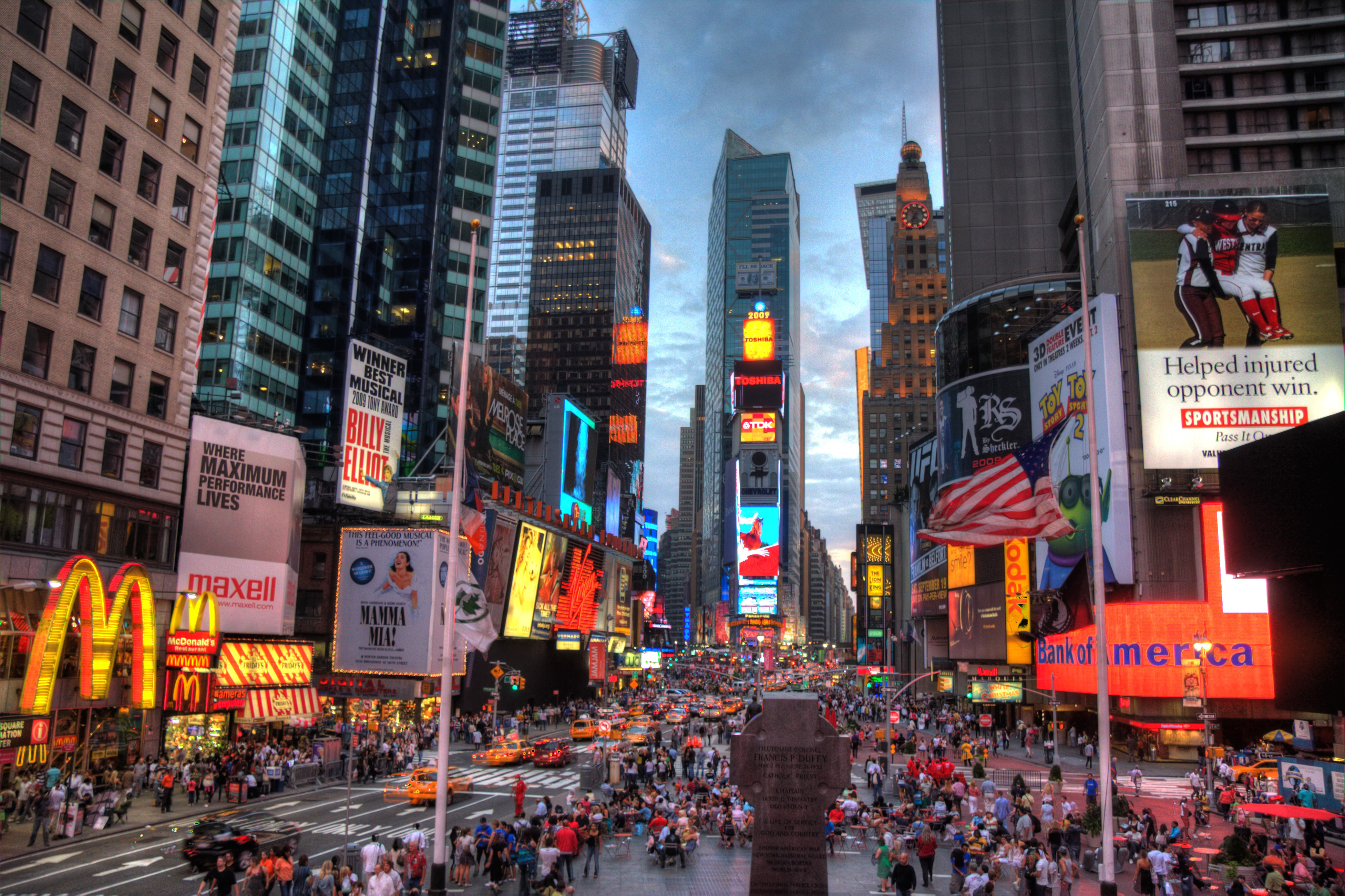
New York is renowned for its relentless energy, often dubbed “the city that never sleeps.” This moniker isn’t just hyperbole; it’s a testament to the city’s pervasive 24/7 culture. While official business hours might adhere to a more conventional schedule, the city’s spirit and many of its attractions operate around the clock. Consider the iconic yellow cabs, a constant flow of motion at any hour, or the emergency services that are always on standby. For tourists, this means opportunities abound. You can enjoy a late-night stroll through Times Square, savoring the dazzling lights, or grab a slice of pizza from a corner shop at 3 AM. The subway system, a vital artery of New York, runs 24 hours a day, enabling exploration even in the wee hours. This continuous activity is a defining characteristic of the city, and understanding its temporal ebb and flow is key to experiencing its magic fully.
Early Morning Marvels and Daytime Delights
The early hours in New York offer a unique perspective, often missed by those who sleep in. Imagine witnessing the sunrise paint the skyline from a vantage point like Governors Island or catching the first rays of light glinting off the Empire State Building. Many museums and attractions open their doors around 9 or 10 AM, allowing for a full day of exploration. This is the prime time to visit popular landmarks like the Metropolitan Museum of Art or the American Museum of Natural History before the peak crowds arrive. Lunchtime in New York is a dynamic affair, with countless options from bustling delis to upscale restaurants. The afternoon is perfect for leisurely walks through parks like Central Park or exploring the vibrant neighborhoods that define the city’s diverse character.
Evening Spectacles and Late-Night Adventures
As dusk settles over New York, the city transforms into an electrifying spectacle. This is the time for world-class theater on Broadway, followed by dinner in districts like the West Village or SoHo. Rooftop bars offer breathtaking panoramic views of the illuminated cityscape, providing an unforgettable experience. For those who prefer a more relaxed evening, a ferry ride to Staten Island offers stunning views of the Manhattan skyline at night, including a distant, yet powerful, glimpse of the Statue of Liberty. The culinary scene thrives well into the night, with many restaurants and bars staying open until the early hours. For the truly nocturnal, exploring lively areas like the Lower East Side or Greenwich Village can lead to unexpected discoveries, from jazz clubs to underground comedy shows. The energy of New York at night is palpable, a testament to its status as a global hub of entertainment and culture.
The Impact of Time on Accommodation Choices
The time in New York directly influences how one approaches accommodation. For business travelers, early morning meetings might necessitate hotels in close proximity to their meeting venues, such as those in the Financial District. Conversely, those seeking to experience the city’s nightlife might opt for hotels in vibrant areas like Midtown Manhattan or the Theater District. Long-term stays might involve considering apartments or vacation rentals, where understanding local time can help in scheduling grocery runs or planning visits to attractions that have specific opening and closing hours. The availability and pricing of hotels and accommodations can also fluctuate based on time of day and day of the week, with weekend rates often higher than weekday rates due to increased leisure travel demand.
Booking Your Stay: Timing is Everything

When booking accommodations in New York, timing can indeed be everything. Last-minute bookings might yield deals, but they also risk limited availability, especially for sought-after hotels like the Plaza Hotel or boutique options in neighborhoods like Tribeca. Conversely, booking well in advance, particularly for popular seasons like the holiday period when Rockefeller Center is famously adorned, can secure better rates and preferred rooms. Consider the time difference when communicating with hotel reservations, especially if booking from abroad. A phone call made at 9 AM in London might be the middle of the night in New York, leading to miscommunication. Many booking platforms operate 24/7, but understanding the local time zone ensures that your queries are addressed promptly and efficiently.
Luxury Escapes and Budget-Conscious Stays
The temporal aspect of New York is equally relevant for both luxury and budget travelers. Those indulging in luxury travel might book stays at opulent resorts like the Baccarat Hotel New York or the Four Seasons Hotel New York Downtown, planning their days around exclusive experiences and fine dining, often timed for evening reservations. Budget travelers, on the other hand, will be more attuned to maximizing their time and resources. This might involve utilizing the efficient public transportation to explore more distant attractions or timing their visits to free activities like walking across the Brooklyn Bridge during off-peak hours. Understanding when certain attractions offer discounts or free admission can be a strategic advantage for those mindful of their spending. Even simple pleasures, like enjoying a picnic in Prospect Park, are best enjoyed when the weather is favorable and the crowds are manageable, all dictated by the time of day and year.
Experiencing New York’s Landmarks Through the Lens of Time
New York’s iconic landmarks offer a different kind of magic depending on the time of day. Visiting the 9/11 Memorial & Museum in the quiet of the morning can be a deeply reflective experience, while a visit to Top of the Rock at sunset provides unparalleled views of the city bathed in golden light. The historical significance of places like Ellis Island is best appreciated with adequate time to absorb the stories and exhibits, often requiring a full morning or afternoon. Understanding operating hours is paramount; many historical sites have specific visiting windows.
Sunrise to Sunset: A New York Landmark Journey
Imagine starting your day with a pilgrimage to the Statue of Liberty, catching one of the first ferries from Battery Park to avoid the longest queues. This early start allows ample time to explore Liberty Island and then proceed to Ellis Island before the midday rush. As the day progresses, a visit to the Metropolitan Museum of Art can fill your afternoon, exploring its vast collections. The late afternoon is ideal for ascending the Empire State Building or One World Observatory to witness the city transition from daylight to twilight. Evening brings the allure of a Broadway show or a concert at Carnegie Hall. For a more serene experience, a walk across the Brooklyn Bridge at night, with the glittering Manhattan skyline as a backdrop, is an unforgettable way to conclude a day.
Architectural Wonders and Natural Escapes
New York’s architectural marvels, from the historic grandeur of Grand Central Terminal to the modern skyscrapers that pierce the clouds, are best appreciated at different times. A morning visit to Grand Central Terminal allows you to admire its celestial ceiling and bustling atmosphere before the peak commuter hours. For those seeking nature, Central Park offers a tranquil retreat. A morning stroll or a picnic lunch there provides a welcome respite from the urban bustle. Kayaking on the Hudson River, best enjoyed during the warmer daylight hours, offers a unique perspective of the city’s skyline. Understanding the seasonal variations in daylight hours is also important for enjoying these natural escapes, as summer offers longer days for exploration, while winter requires planning around earlier sunsets.
Embracing the Lifestyle of Time in New York
The lifestyle you choose in New York is inextricably linked to how you manage and perceive time. Whether you’re a business traveler on a tight schedule or a tourist on a leisurely exploration, the city’s temporal rhythm will influence your experiences. Luxury travel might involve pre-booked, timed activities like private tours or exclusive dining experiences, often scheduled for peak evening hours. Budget travel, conversely, necessitates a more flexible approach, allowing for spontaneous discoveries and an opportunistic approach to attractions, often during off-peak times to save money. Family trips require careful planning around children’s schedules, ensuring sufficient rest and avoiding overtiring them with back-to-back activities.

The Art of Temporal Synchronization
Ultimately, “What’s time in New York?” is a question that leads to a deeper understanding of the city itself. It’s about synchronizing your personal rhythm with the city’s dynamic pulse. It’s about leveraging the 24-hour subway system to visit the Metropolitan Museum of Art before it gets too crowded, or securing that coveted dinner reservation at a popular restaurant in Greenwich Village for a memorable evening. It’s about arriving at the Statue of Liberty ferry terminal with enough time to enjoy the journey, and planning your ascent of the Empire State Building to catch the magical transition from day to night. Mastering the temporal aspect of New York is not just about telling time; it’s about unlocking the city’s endless potential for unforgettable experiences, from the quiet dawn to the vibrant midnight.