
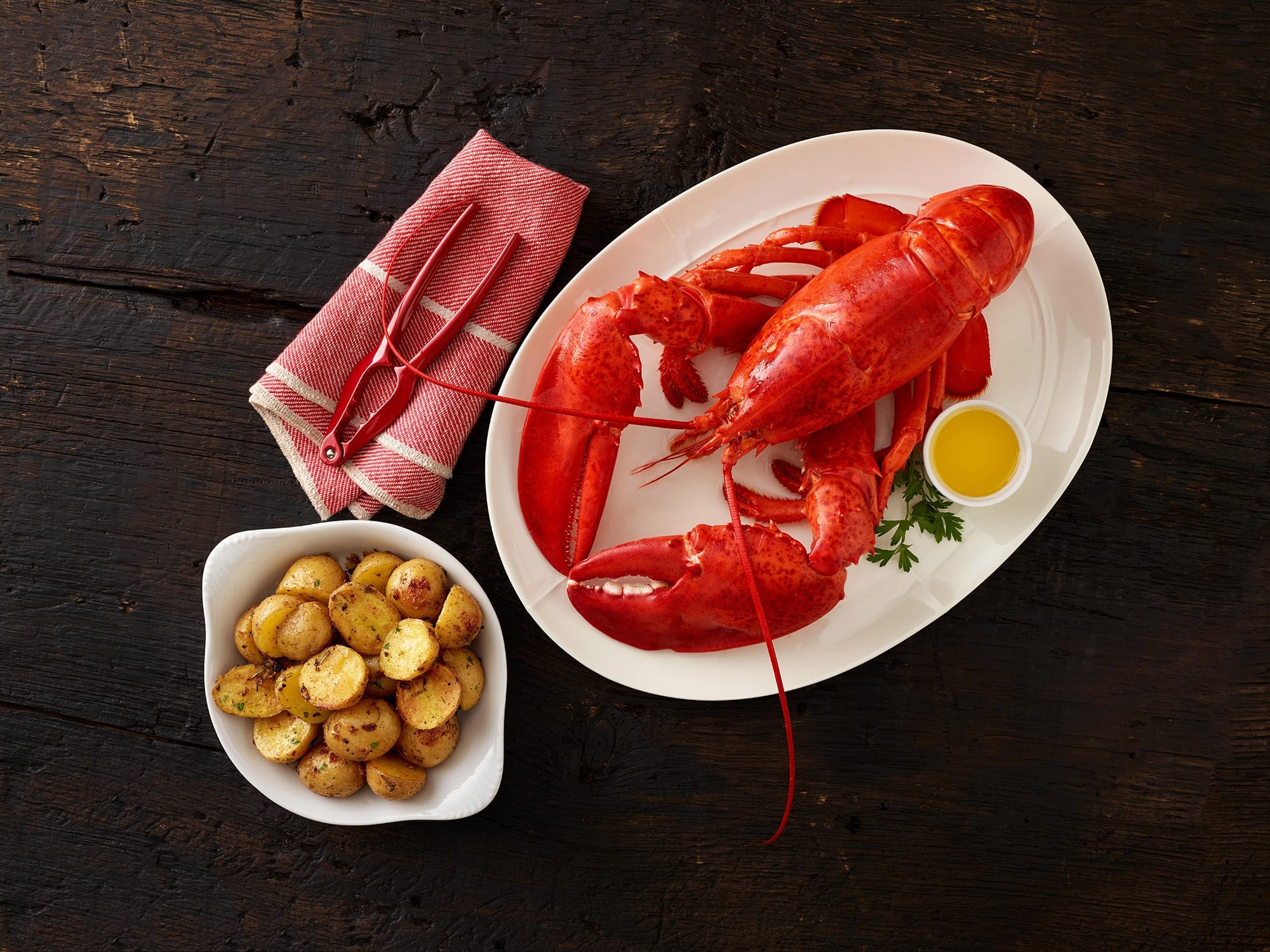
The tantalizing prospect of sinking your teeth into a sweet, succulent Maine lobster is a culinary dream for many. For travelers drawn to the rugged beauty and distinct culture of Maine, understanding the lobster season is crucial to maximizing their experience. Beyond simply enjoying this iconic delicacy, knowing the ebb and flow of the lobster harvest can enrich a trip, offering insights into the local way of life, supporting the vibrant fishing communities, and unlocking peak tasting opportunities. This guide will delve into the nuances of Maine lobster seasons, helping you plan your perfect lobster-centric adventure.
Understanding the Maine Lobster Fishery: A Seasonal Dance
The Maine lobster fishery is not a monolithic entity with a single, unwavering season. Instead, it’s a complex and dynamic system influenced by environmental factors, conservation efforts, and the natural life cycle of the American lobster (Homarus americanus). The state’s vast coastline, stretching from Kittery to Lubec, is dotted with countless small harbors and fishing villages, each contributing to the legendary Maine lobster catch.
The Two Lobsters: Hard Shell vs. Shedders
To truly grasp Maine‘s lobster seasonality, it’s essential to differentiate between two types of lobsters: “shedders” and “hard shells.” This distinction is fundamental to understanding the perceived “seasons” and the quality of the lobster meat you’ll encounter.
Shedders: The Molting Marvels (Summer and Early Fall)
From late spring through early fall, particularly during June, July, and August, lobsters undergo their annual molting process. This is when they shed their old, restrictive shells to grow new, larger ones. As they shed, their new shells are soft and pliable, hence the term “shedders” or “new shells.”
Why Shedders are Special:
- Increased Meat Yield: While the shells are soft, the lobsters are actively consuming water to expand their bodies before the new shell hardens. This often results in a higher water content within their bodies, making the meat appear fuller and sometimes more succulent. Many believe this is when the lobsters are at their most tender.
- Easier to Crack: The soft shells of these lobsters are significantly easier to crack open, making for a more relaxed and enjoyable dining experience, especially for those new to handling whole lobsters.
- Peak Availability: The summer months are when the vast majority of lobsters are caught. This abundance means that lobster is readily available in restaurants and markets across Maine, from bustling cities like Portland to remote coastal towns.
The “Season” of the Shedders: While technically lobsters are always being caught to some extent, the summer and early fall represent the peak period for catching these newly molted lobsters. This is often what people refer to when they think of “summer lobster season.” The ocean waters warm up, encouraging the lobsters to molt, and the fishing effort is at its highest.
Hard Shells: The Resilient Crustaceans (Late Fall Through Spring)
As the ocean waters begin to cool in the late fall and winter, lobsters’ new shells gradually harden. These are known as “hard shells.” The molting process slows down, and the lobsters are less actively growing.
The Characteristics of Hard Shells:
- Concentrated Flavor: Many seasoned lobster aficionados argue that hard-shell lobsters possess a more intense, concentrated flavor. This is because their shells are fully calcified, and their bodies are not filled with as much water as the shedders. The meat can be denser and richer.
- More Challenging to Crack: The thick, hard shells require more effort to open. This is where a lobster cracker becomes an essential tool!
- Reduced Availability (but still present): While the catch diminishes compared to the summer peak, lobsters are still available throughout the fall, winter, and early spring. Many lobstermen continue to fish, especially in the warmer southern waters of Maine or by adapting their gear for colder conditions.
The “Season” of the Hard Shells: The period from late fall, through the winter, and into early spring is characterized by these hard-shell lobsters. While the sheer volume might be less than in the summer, the quality is often highly prized by connoisseurs. The winter months offer a unique, albeit more challenging, opportunity to savor Maine lobster.
Navigating Maine’s Lobster Season: A Culinary and Travel Guide
Knowing the difference between shedders and hard shells is only the first step. To truly plan your Maine lobster pilgrimage, consider how these seasonal variations impact your travel and dining choices.
Summer and Early Fall: The Prime Time for Lobster Lovers
If your primary goal is to experience Maine lobster in its most abundant and accessible form, the period from May through September is your golden window. This is when the weather is typically at its best for exploring the Maine coast, and lobster shacks and restaurants are fully operational, serving up fresh catches daily.
Traveler’s Tips for the Summer Season:
- Book Accommodation in Advance: Maine is a highly sought-after summer destination. Popular coastal towns like Ogunquit, Kennebunkport, and the Acadia National Park area, including Bar Harbor, see significant influxes of tourists. Ensure you book your hotels, resorts, or vacation rentals well in advance. Consider charming inns in villages like Stonington or rental apartments in Portland for a diverse experience.
- Embrace the Lobster Shack Experience: The quintessential Maine lobster experience often involves a casual lobster shack. These establishments are usually open from late spring through early fall, serving steamed or grilled lobsters, lobster rolls, and chowder. They are often located right on the water, offering breathtaking views.
- Explore Beyond the Plate: While lobster is the star, summer in Maine offers a wealth of activities. Hike in Acadia National Park, visit lighthouses like Pemaquid Point Light, explore historic waterfronts, and enjoy boat tours. The culinary scene extends beyond lobster, with fresh seafood, blueberries, and local produce being abundant.
- Consider the Mid-Week Advantage: To avoid the peak crowds, consider visiting Maine during the weekdays or in the shoulder months of May or September.
Late Fall, Winter, and Spring: The Connoisseur’s Season
For those who appreciate the deep, concentrated flavor of hard-shell lobsters and don’t mind cooler weather, the off-season presents a unique opportunity. While many seasonal lobster shacks may close after October, larger restaurants in cities like Portland and smaller year-round establishments in fishing communities often continue to serve lobster throughout the colder months.
Traveler’s Tips for the Off-Season:
- Embrace the Cozy Atmosphere: Winter in Maine offers a different kind of charm. Think cozy inns, crackling fireplaces, and a more serene coastal landscape. It’s an excellent time for a relaxed getaway, perhaps exploring the art galleries and renowned restaurants of Portland or enjoying the quiet beauty of a winter beach.
- Focus on Restaurants with Year-Round Operations: Research restaurants that consistently serve lobster. Many establishments in larger towns and cities will source lobsters year-round, though the supply might be more limited than in peak summer.
- Witness Lobster Boat Activity: Even in the colder months, you’ll still see dedicated lobstermen at work. Visiting a harbor like Rockland or Stonington during this time can offer a glimpse into the resilience of the fishing community.
- Consider the Value: Off-season travel can often present better deals on accommodation and potentially less crowded attractions, allowing for a more intimate exploration of Maine.
The Lobster’s Life Cycle and Management: Ensuring Sustainability
The “season” for Maine lobsters is intrinsically linked to their biological life cycle and the robust management practices put in place to ensure the long-term health of the lobster population. The Maine Department of Marine Resources plays a critical role in setting regulations that protect lobsters and their habitat.
Conservation Measures and Their Impact
Several key conservation measures directly influence lobster availability and, by extension, the perceived “season.”
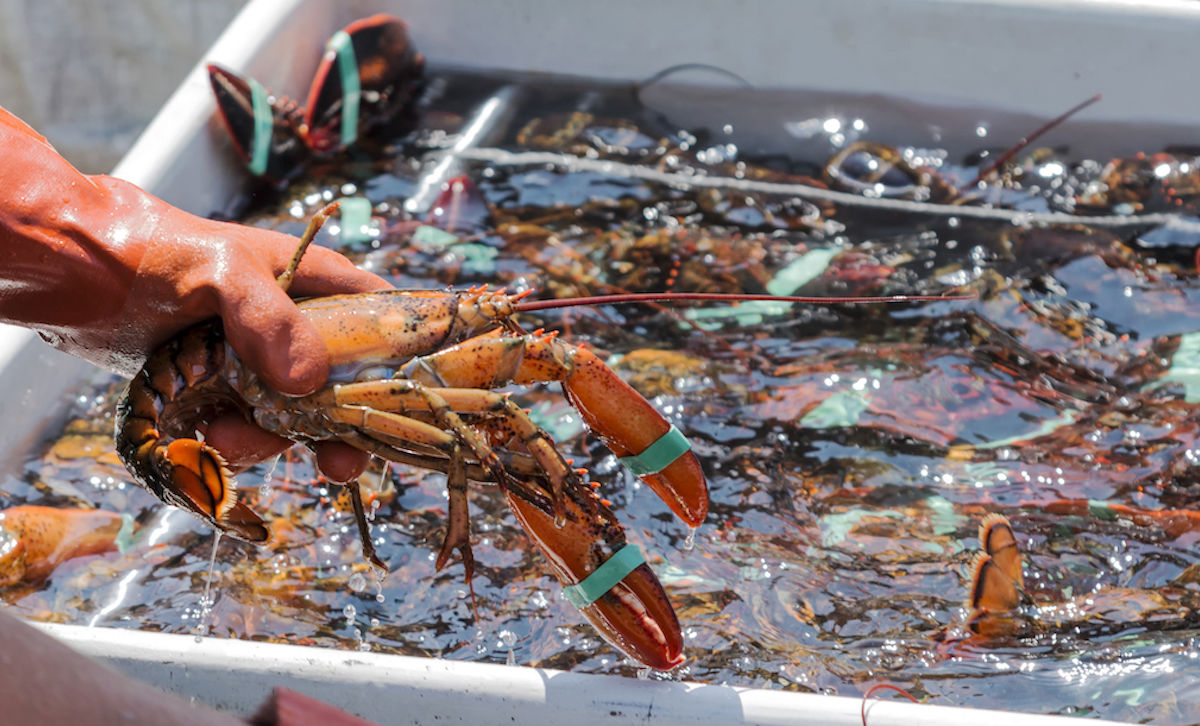
- V-Notching: Female lobsters bearing eggs are marked with a V-shaped notch in their tail fin. These lobsters are then released back into the ocean and cannot be harvested. This practice ensures that future generations of lobsters are protected, a testament to Maine‘s commitment to sustainability.
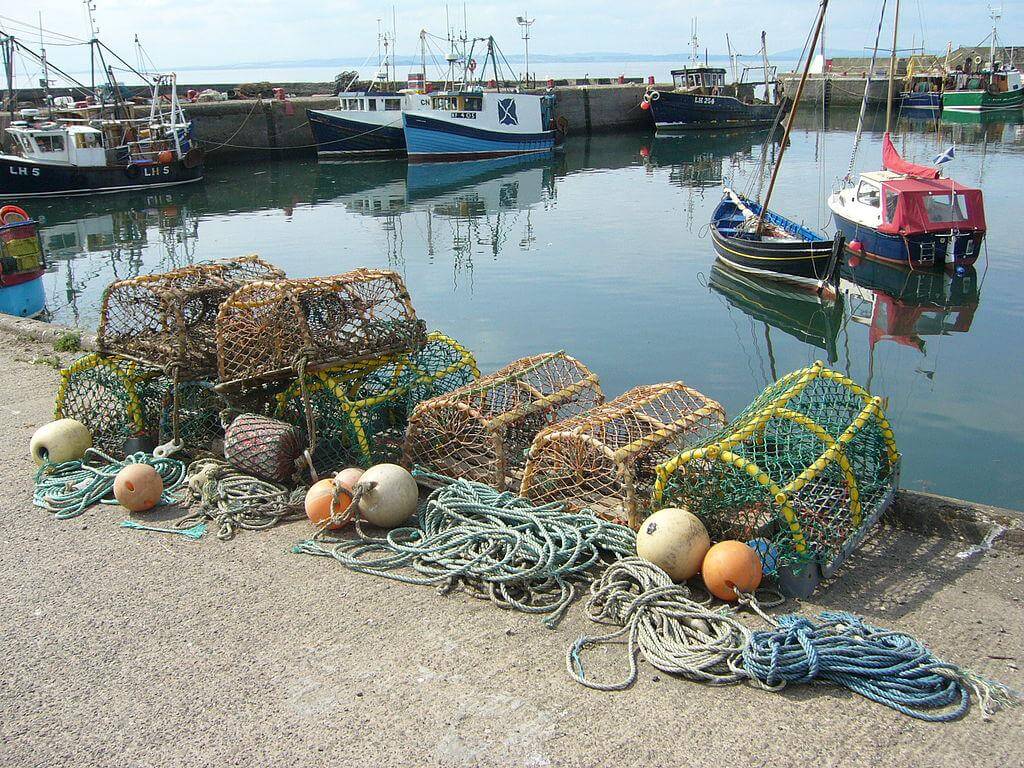
- Trap Limits and Size Regulations: There are strict regulations on the number of traps a lobsterman can set and the minimum and maximum sizes of lobsters that can be legally harvested. This prevents overfishing and ensures that only mature, reproducing lobsters are removed from the population.
- Diving for Lobsters: While the majority of Maine lobster is caught using traps, there is also a small but significant dive fishery. Divers, often operating in specific areas or during certain times, harvest lobsters by hand. Their catches can sometimes supplement the trap fishery.
The Importance of Responsible Consumption
By understanding these conservation efforts, travelers can become more informed and responsible consumers of Maine lobster. Choosing to dine at establishments that source sustainably and asking about the origin of your lobster can support the industry’s commitment to a healthy future.
Maine‘s lobster season is a nuanced affair, a rhythm dictated by nature and carefully managed by dedicated individuals and organizations. Whether you seek the abundance of summer shedders or the concentrated flavor of winter hard shells, Maine offers a lobster experience unlike any other. By planning your trip with an awareness of these seasonal shifts, you can ensure a truly unforgettable culinary and cultural immersion into the heart of this iconic maritime state. From the bustling shores of Ogunquit to the rugged beauty of Acadia National Park, let the pursuit of the perfect Maine lobster guide your next adventure.