
While the allure of Texas often conjures images of sprawling ranches, vibrant local culture, and world-class attractions, the Lone Star State also plays a significant role in the nation’s political landscape. For residents and those with an interest in American lifestyle and governance, understanding the election calendar is crucial. This article delves into the timing of Texas primary elections, exploring their importance and how they fit into the broader context of political participation and travel planning.
The Texas primary elections are a pivotal stage in the selection of candidates for various offices, from local positions to national representation. These elections allow registered voters within the state to cast their ballots for their preferred nominees of each political party. The outcomes directly influence who will appear on the general election ballot later in the year, making them a critical barometer of political sentiment.

Understanding the Texas Primary Election Schedule
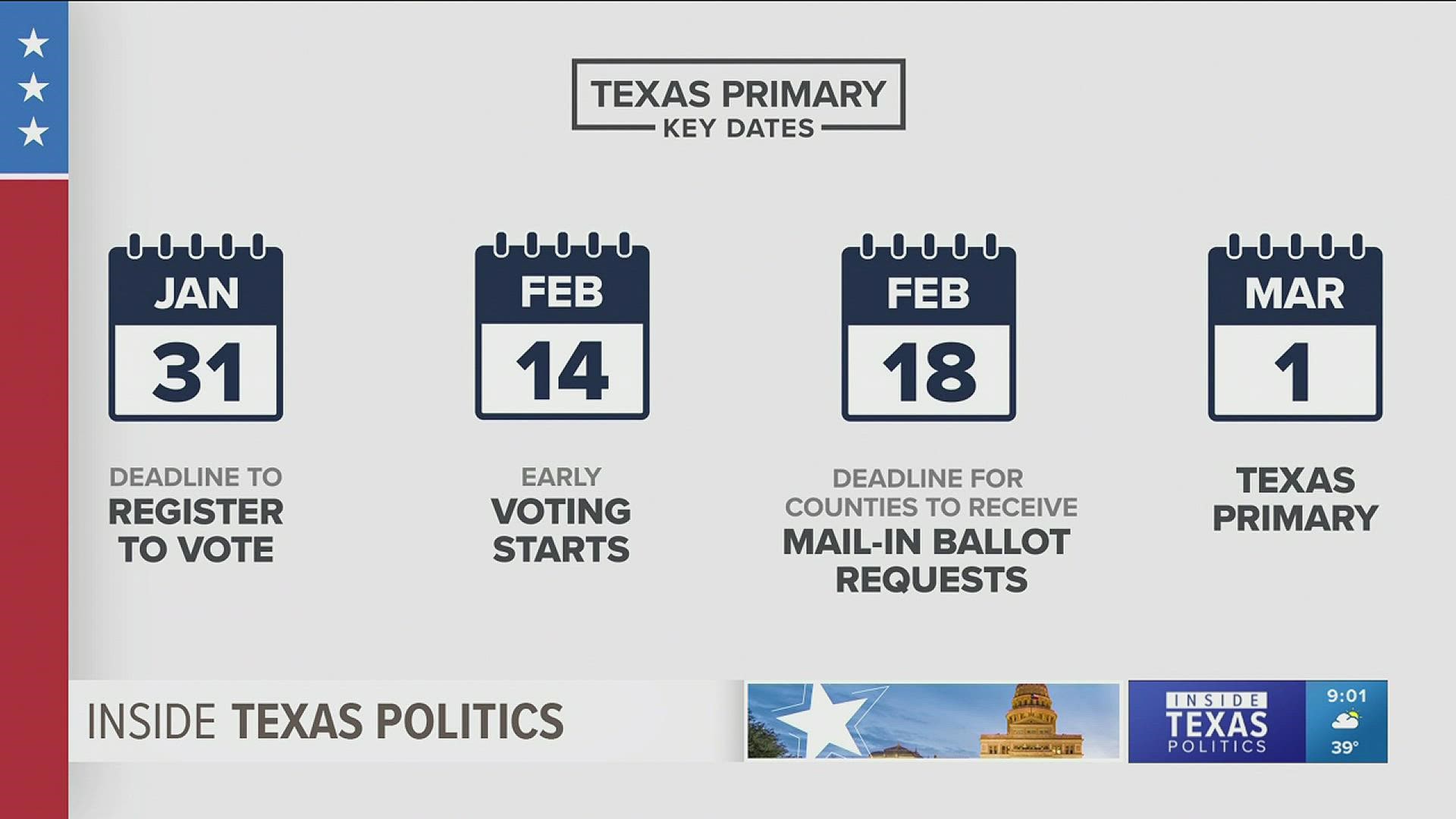
The Texas primary elections are held on a specific date designated by state law, typically falling in the early part of the year. This strategic timing allows Texas to have an early influence on the national political conversation, especially during presidential election years.
The Super Tuesday Significance
In most presidential election cycles, Texas participates in Super Tuesday. This is a day when numerous states hold their primary elections or caucuses, making it one of the most consequential primary election days of the entire election cycle. For candidates, performing well in Texas on Super Tuesday can provide a significant boost in delegates and momentum, often shaping the trajectory of their campaigns.
Super Tuesday is a crucial event because it concentrates a large number of delegates to be awarded in a single day. For candidates vying for their party’s nomination, winning a substantial portion of these delegates can make it exceedingly difficult for their opponents to catch up. Texas, being the second-most populous state in the United States, holds a considerable number of these delegates, thus its primary election date holds significant weight.
The exact date of Super Tuesday varies with each presidential election cycle, as it is determined by the political parties and state legislatures. However, it generally falls in early March. For instance, in the 2020 election cycle, Super Tuesday was on March 3rd. The 2024 election cycle also saw Super Tuesday held on March 5th, underscoring Texas‘s consistent role in this early and impactful voting period.
Beyond presidential races, the state primary elections in Texas also determine party nominees for U.S. Senate, U.S. House of Representatives, governor, lieutenant governor, attorney general, and a host of other statewide and local offices. This comprehensive slate of contests means that the primary elections are not just about the top of the ticket but also about shaping the future of governance at all levels within the state.
The Role of Caucuses and Runoff Elections
While Texas primarily utilizes a primary election system, understanding the nuances of its election process is important. The state’s primary elections are conducted by the political parties themselves, meaning voters must choose to affiliate with either the Democratic Party or the Republican Party when they vote in the primary. This is a key distinction from some other states that have “open primaries” where voters do not declare a party affiliation.
Navigating Runoff Elections
A significant aspect of the Texas primary system is the provision for runoff elections. If no candidate in a particular race receives a majority of the votes (more than 50%), the top two vote-getters from that party advance to a runoff election. This runoff is typically held several weeks after the initial primary.
The runoff election is essential for ensuring that candidates have broad support within their party, rather than just a plurality. It provides another opportunity for voters to weigh in and select the candidate they believe is best suited to represent the party in the general election. The timing of these runoffs is critical for campaign strategies, as candidates must maintain momentum and resources to compete in a second round of voting.
For example, if a primary election is held in early March, and a runoff is necessary, it would likely take place in May. This schedule allows for a reasonable period for campaigning, voter engagement, and the eventual casting of ballots. The Texas Election Code outlines the specific dates and procedures for these runoff elections.
Understanding the possibility of a runoff is also important for residents planning their civic engagement. It means that the election process for certain offices might extend over a longer period, requiring continued attention and participation from voters.
Beyond the Ballot Box: Travel and Lifestyle Considerations
For many, particularly those involved in the travel and tourism industries, understanding election cycles can offer unique perspectives and opportunities. While the primary focus of these elections is political, their timing can intersect with travel plans and considerations for Texans and visitors alike.
Planning Your Texas Adventures Around Election Dates
When planning a trip to Texas, whether for leisure or business, being aware of election dates can be beneficial. For instance, during major election periods, especially around Super Tuesday, political rallies, candidate events, and increased media presence might be more common in certain cities. This can add a layer of civic engagement to a visit, offering a chance to observe the democratic process firsthand.
Conversely, if one prefers to avoid potential crowds associated with political events or aims for a more serene experience at popular landmarks or attractions, it might be wise to schedule visits outside of peak election days. This is particularly true in state capital cities like Austin, which often serves as a hub for political activity.
For businesses in the hospitality sector, such as hotels and resorts, understanding election schedules can inform staffing and resource allocation. Increased demand can sometimes accompany major election events, especially if candidates or party officials are staying in town. This can create opportunities for hotels to cater to a specific demographic, perhaps offering packages or amenities tailored to those involved in political campaigns or media coverage.
The lifestyle associated with Texas is diverse, ranging from luxury travel to budget travel and family-focused trips. Knowing when elections are held can help travelers fine-tune their itineraries. For example, a family planning a summer vacation in Texas might find that the most intense primary election activity has already concluded, allowing for more relaxed exploration of theme parks or natural attractions.
Moreover, for residents who are deeply engaged in the political process, the primary election dates are not just civic duties but also dates that might influence their local culture participation. Local events, community gatherings, and even restaurant patronage can sometimes be influenced by the political climate and candidate activities.
The Impact on Local Tourism and Accommodation
The primary elections, while a political event, can indirectly influence the tourism sector in Texas. The state is a vast destination, offering a diverse range of experiences from the historical depth of the Alamo in San Antonio to the vibrant music scene in Austin.

Opportunities and Considerations for Accommodation
When election campaigns are in full swing, especially in the lead-up to Super Tuesday, cities that are focal points for campaigning might see an uptick in bookings for hotels, apartments, and other forms of accommodation. This can include campaign staff, journalists, volunteers, and supporters traveling to Texas to participate or cover the events.
Hotels in key cities like Dallas, Houston, Austin, and San Antonio might experience increased occupancy rates. This can be a boon for the hospitality industry, leading to higher revenues. For travelers looking for long-term stays or seeking specific amenities, booking in advance during these periods is often advisable due to potential higher demand.
Resorts and other unique accommodation options might also see increased interest, especially if they are located in areas where major political figures or events are taking place. The Texas tourism landscape is rich with varied options, from boutique hotels in historic districts to sprawling villas in more rural settings, each potentially experiencing a different impact based on local election activity.
Conversely, for those seeking a quieter travel experience, planning a visit to Texas during periods of lower political activity might be more suitable. The state’s extensive offerings, including numerous landmarks and natural parks like the Big Bend National Park, are always available, but the atmosphere can vary.
In conclusion, the primary elections in Texas are a vital part of the democratic process, significantly influencing the candidates who will compete for office. Their timing, particularly the state’s role in Super Tuesday, highlights Texas‘s influence in national politics. For residents and visitors alike, understanding these dates can offer valuable insights into the state’s civic life and can also inform travel and lifestyle decisions, ensuring a richer and more informed experience of the Lone Star State.