
Florida, the Sunshine State, beckons with its pristine beaches, vibrant cities, and endless opportunities for adventure and relaxation. From the magical allure of Orlando‘s theme parks to the sophisticated cultural scene of Miami and the serene Gulf Coast havens of Naples and Sarasota, it’s a destination that consistently captures the hearts of travelers worldwide. Many visitors fall so deeply in love with its charm that they consider making it a more permanent fixture in their lives – whether through purchasing a vacation home, investing in a rental property, or even planning a full-time relocation.
For anyone dreaming of owning a slice of this paradise, understanding the financial landscape is just as crucial as knowing the best local attractions. While the prospect of securing your own piece of Florida real estate is exciting, navigating the practicalities, particularly property taxes, is a vital step in responsible ownership. Whether you envision a luxury villa in Palm Beach, a charming condo near St. Petersburg‘s art scene, or a family retreat close to Walt Disney World Resort, comprehending the property tax schedule is essential for seamless planning and budgeting. This guide is tailored for the astute traveler, potential investor, or future resident looking to unravel the mystery of property tax due dates in the Sunshine State, ensuring your Florida dream remains a sun-kissed reality.

Navigating Property Ownership in the Sunshine State: A Guide for Travelers and Investors
Florida’s appeal extends far beyond its tourism accolades; it’s also a highly sought-after location for real estate investment and long-term residency. For those accustomed to the transient nature of hotel stays and rental accommodations, the leap into property ownership brings a new set of considerations. This includes an intimate understanding of local tax obligations. Property taxes, while an annual certainty, operate on a specific timeline that can often catch first-time owners or those new to the state by surprise.
Imagine securing that perfect beachfront condo in Fort Lauderdale or a charming bungalow in Key West. The joys of owning such a prized asset are undeniable, offering unparalleled freedom for extended stays, personalized amenities, and the potential for rental income. However, without a clear grasp of when property taxes are due, you could inadvertently face penalties, impacting your carefully planned budget and peace of mind. For the savvy investor looking at short-term rental opportunities, perhaps near Universal Orlando Resort or the vibrant streets of South Beach, factoring in the property tax cycle is fundamental to calculating profitability and ensuring compliance. This guide aims to demystify the timeline, empowering you to manage your Florida property with confidence and foresight.
The Annual Property Tax Cycle in Florida: Key Dates to Remember
Unlike monthly utility bills or quarterly HOA fees, Florida property taxes follow an annual cycle, with key dates that are crucial for every property owner to mark on their calendar. This cycle is designed to provide ample opportunity for payment, often incentivizing early remittances. Understanding these specific windows can lead to significant savings, making your investment in the Sunshine State even more appealing.
October: Tax Notices Arrive and Discounts Begin
The official start of the property tax season in Florida typically begins in October. This is when county tax collectors across the state, from Jacksonville to Tampa, mail out the annual property tax notices. These notices, often referred to as “TRIM notices” (Truth in Millage), provide crucial information regarding your property’s assessed value, proposed taxes, and the various taxing authorities that will receive a portion of your payment. While you receive this notice in October, and the taxes are technically “due” upon receipt, the payment period officially commences on November 1st.
For those managing properties from afar, perhaps a holiday villa near Clearwater Beach or a rental unit in Amelia Island, it’s imperative to ensure your mailing address is up-to-date with the county property appraiser’s office. Many owners opt for electronic notices, providing an instant and secure way to receive this vital documentation, especially when traveling or residing outside of Florida for extended periods. This early notification allows property owners ample time to review their assessment, plan their finances, and prepare for payment, taking advantage of the enticing early payment discounts.

November to March: Maximizing Early Payment Discounts
One of the most attractive features of Florida’s property tax system is the incentive for early payment. The state encourages prompt payment by offering a sliding scale of discounts, which can translate into tangible savings for property owners. This system rewards those who pay their taxes well in advance of the final deadline.
- November: Payment made in November receives the largest discount, typically 4% off the total tax bill. For a substantial property tax bill, this discount can represent a considerable saving, freeing up funds that could be used for an extra travel experience, an upgrade to your accommodation, or even contribute to your next Florida adventure. Imagine using those savings to explore the natural wonders of Everglades National Park or visit the Kennedy Space Center Visitor Complex.
- December: The discount decreases slightly to 3%.
- January: A 2% discount is applied for payments made in this month.
- February: The discount reduces to 1%.
- March: While there is no longer a discount offered in March, paying during this month ensures your taxes are paid on time without penalty.
This tiered discount structure is a strategic benefit for property owners, particularly those who are meticulous about their budgeting. For vacation homeowners, snowbirds, or investors who might have properties across various Florida counties, scheduling payments early in the cycle ensures maximum savings and eliminates the stress of last-minute deadlines. It’s a key aspect of astute financial management for anyone enjoying the lifestyle that Florida property ownership affords.
April: The Deadline and Delinquency
As the calendar turns to April, the window for discounts closes, and a critical deadline approaches. April 1st is the date when any unpaid property taxes officially become delinquent. This is a crucial date to remember, especially for non-resident owners or those who might be traveling during this period.
Once taxes become delinquent, statutory penalties and interest charges begin to accrue. These charges can quickly add up, significantly increasing your overall tax burden. Furthermore, delinquent taxes can eventually lead to the issuance of a tax certificate, which is then sold to investors. If the delinquent taxes and associated fees are not paid within a certain timeframe (typically two years from the date of the tax certificate sale), it can ultimately result in a tax deed application and potentially the loss of your property. While this is an extreme outcome, it underscores the severe consequences of ignoring property tax obligations.
For property owners residing elsewhere or those who rely on property managers for their investment homes, establishing clear payment protocols and reminders well in advance of April 1st is paramount. It’s not merely about avoiding penalties; it’s about safeguarding your investment and ensuring uninterrupted enjoyment of your Florida property, whether it’s a family retreat on Sanibel Island or a bustling rental in Davenport. The convenience and peace of mind derived from timely payment are invaluable, allowing you to focus on the myriad of lifestyle benefits that come with owning property in the Sunshine State.
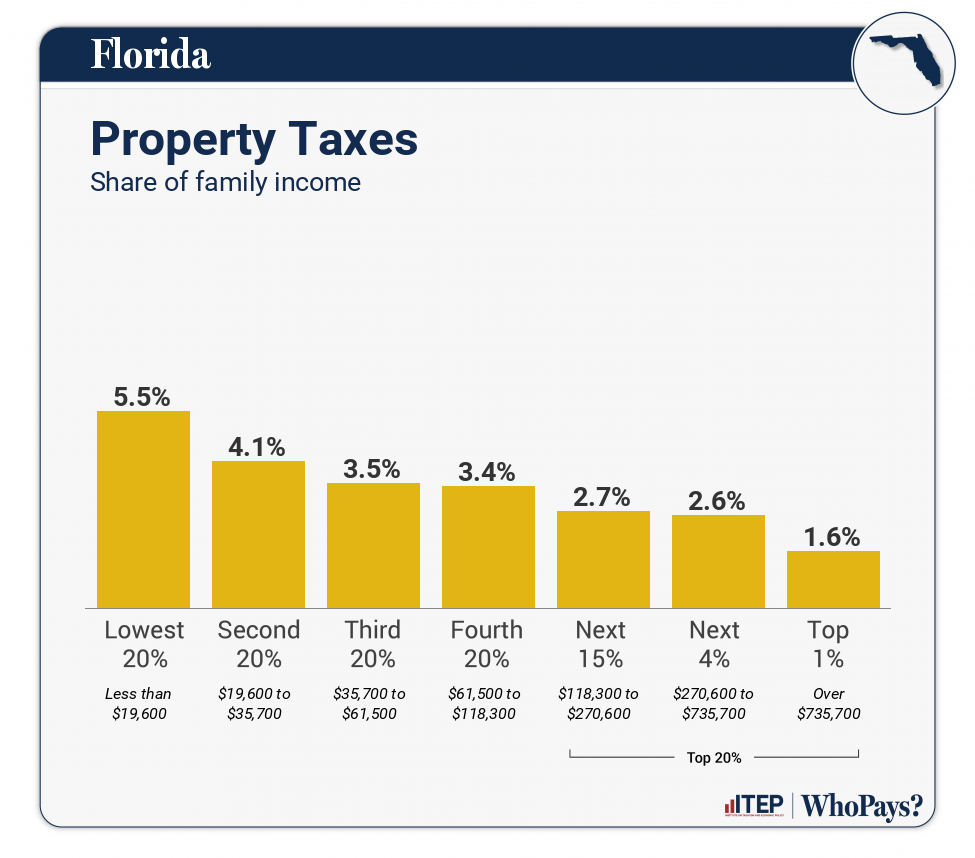
Understanding Your Property Tax Bill: What to Look For
Beyond the “when,” understanding the “what” of your property tax bill is equally important. Your annual tax statement isn’t just a number; it’s a detailed breakdown of how your property is valued and how various local government services are funded. For those transitioning from temporary accommodations to permanent property ownership, or for investors analyzing potential returns, deciphering these components provides clarity and empowers better financial planning.
Components of Your Tax Statement
When you receive your property tax notice in October, it will contain several key figures that contribute to your final bill. Familiarizing yourself with these terms will help you understand how your property tax is calculated and allow you to budget more effectively for your Florida lifestyle.
- Assessed Value: This is the value of your property as determined by the county property appraiser. It’s crucial to understand that the assessed value is often different from the market value or what you paid for the property. In Florida, assessed values for homesteaded properties are capped by the “Save Our Homes” amendment, limiting annual increases to a certain percentage, which can be a significant benefit for long-term residents.
- Millage Rates: Millage rates (or “mills”) are applied to your property’s assessed value to calculate the amount of tax owed. A mill represents $1 for every $1,000 of assessed value. These rates are set by various local taxing authorities, including the county, school board, city, water management districts, and others. The combination of these rates directly impacts your total tax liability. For someone considering property in a highly developed area versus a more rural setting, understanding the varying millage rates across different jurisdictions is vital for budgeting.
- Non-Ad Valorem Assessments: In addition to ad valorem (based on value) taxes, your bill may include non-ad valorem assessments. These are fees for specific services or improvements that benefit your property, such as solid waste collection, stormwater management, fire services, or special improvement districts. Unlike ad valorem taxes, these are usually fixed charges, not based on your property’s value.
Understanding these components allows you to scrutinize your tax bill effectively. For property investors, these details are fundamental to accurately projecting operating expenses and potential rental yields. For those making Florida their home, it provides insight into the cost of essential community services that enhance the quality of life, from pristine parks to efficient public safety.
Homestead and Other Exemptions: Potential Savings for Residents
One of the most significant benefits for full-time Florida residents is the availability of property tax exemptions. These exemptions can reduce your property’s taxable value, thereby lowering your overall tax bill. However, it’s crucial to note that most of these exemptions are specifically for permanent residents who claim Florida as their primary domicile.
- Homestead Exemption: The most common and impactful exemption is the Florida Homestead Exemption. If you own a home and make it your permanent residence as of January 1st of the tax year, you can apply for this exemption. It can reduce your property’s assessed value by up to $50,000, leading to substantial tax savings. This is a significant consideration for snowbirds or seasonal residents contemplating a full-time move to the state, as it directly impacts the cost of living and the attractiveness of permanent residency.
- Additional Exemptions: Florida also offers various other exemptions for qualifying individuals, including seniors, disabled veterans, surviving spouses, and those with disabilities. These can further reduce the taxable value of a property, providing considerable financial relief.
Applying for these exemptions requires specific documentation and adherence to deadlines, typically by March 1st of the year for which the exemption is sought. For prospective residents, understanding these potential savings is a crucial part of the lifestyle planning process. It’s not just about finding the perfect home; it’s about optimizing the financial benefits of living in Florida and ensuring your dream life in the Sunshine State is as affordable and comfortable as possible.
Convenient Payment Methods for Florida Property Owners
The state of Florida recognizes the diverse needs of its property owners, offering a variety of convenient payment methods to ensure a smooth and hassle-free process. Whether you’re a local resident, an absentee owner, or managing an investment property from across the globe, there’s an option designed to suit your circumstances.
Online, Mail, and In-Person Options
The primary entity responsible for collecting property taxes in Florida is the County Tax Collector’s office. Each county operates independently, so it’s essential to refer to the specific website or contact details for the county where your property is located (e.g., Miami-Dade County, Orange County, Pinellas County).
- Online Payment: This is by far the most popular and convenient method, especially for property owners who may not reside in Florida year-round. Most county tax collector websites offer secure online portals where you can pay your property taxes using credit cards, debit cards, or e-checks (electronic funds transfer from your bank account). While credit card payments may incur a small convenience fee, the ease and speed of online transactions often outweigh this minimal charge. It allows owners, whether they’re exploring Biscayne National Park or vacationing abroad, to manage their tax obligations with just a few clicks.
- Mail: For those who prefer traditional methods, checks can be mailed to the respective county tax collector’s office. It’s crucial to ensure the payment is postmarked by the deadline to qualify for discounts or avoid delinquency. Always send payments well in advance, especially during peak holiday seasons, to account for potential mail delays.
- In-Person: If you are a local resident or visiting your Florida property, you can pay your taxes directly at the county tax collector’s office. This option provides an opportunity to speak with staff, ask questions, and receive an immediate receipt. Some offices may also have drop boxes for after-hours payments.
Choosing the right payment method depends on your personal preference and logistical situation. For travelers and remote investors, online payment offers unparalleled flexibility and assurance, ensuring your Florida property remains in good standing without interrupting your adventures or demanding your physical presence.
Planning Ahead for Seamless Ownership
Effective property tax management is an integral part of seamless property ownership in Florida. It’s more than just knowing the due dates; it’s about proactive planning and integrating these financial responsibilities into your overall lifestyle and investment strategy.
- Calendar Reminders: Set multiple reminders on your digital calendar or in a planner, noting the discount deadlines (November, December, January, February) and, most importantly, the delinquency date of April 1st.
- Auto-Pay or Escrow Accounts: For those with mortgages, property taxes are often included in an escrow account, where your lender collects a portion with each monthly mortgage payment and pays the tax bill on your behalf. This provides an automatic and stress-free solution. If you own your property outright, consider setting up a separate savings account to accrue funds for your annual tax bill, or explore auto-pay options if offered by your county.
- Property Managers: If your Florida property is an investment or a vacation home managed by a professional, ensure that your agreement clearly outlines their responsibility for property tax payment and how they will handle it (e.g., through rental income, separate deposits).
- Review Your Bill Annually: Take the time to review your property tax notice each October. Verify the assessed value, check for any applied exemptions, and understand the components of your bill. If you believe there’s an error in the assessed value, you have a limited window to appeal it.
By meticulously planning and utilizing the available payment methods, you can transform a potentially complex administrative task into a manageable aspect of your Florida property experience. This proactive approach ensures that your ownership journey in the Sunshine State remains as delightful and stress-free as a visit to Dry Tortugas National Park or a day at Busch Gardens Tampa Bay.
Beyond Taxes: The Lifestyle and Investment Appeal of Florida
Understanding when property taxes are due in Florida is more than just a fiscal obligation; it’s a foundational step towards fully embracing the unparalleled lifestyle and robust investment opportunities the state offers. From the serene shores of Anna Maria Island to the bustling cityscape of Downtown Orlando, owning property here means more than just a piece of land; it means access to a dream.
Florida continuously ranks as a top destination for tourism, retirement, and relocation, driven by its warm climate, diverse attractions, and favorable economic conditions. Whether your aim is to create a personal sanctuary for extended family vacations, establish a lucrative short-term rental business, or settle down for a vibrant retirement, the state provides an environment rich with possibilities. Property taxes are simply a part of the equation, a necessary investment in the infrastructure and services that enhance the value and desirability of your Florida property.
By staying informed about the annual tax cycle, taking advantage of early payment discounts, and utilizing convenient payment methods, you safeguard your investment and simplify your ownership experience. This diligence allows you to truly immerse yourself in the Florida lifestyle, whether that means enjoying a round of golf, exploring unique local culture, indulging in world-class dining, or simply relaxing on your own private patio. The peace of mind that comes from knowing your financial obligations are in order frees you to focus on creating unforgettable memories and enjoying the myriad benefits of life in the Sunshine State. Florida remains an enchanting place to visit, live, and invest, and with a clear understanding of its property tax system, your journey here is set to be as bright as its legendary sun.
LifeOutOfTheBox is a participant in the Amazon Services LLC Associates Program, an affiliate advertising program designed to provide a means for sites to earn advertising fees by advertising and linking to Amazon.com. Amazon, the Amazon logo, AmazonSupply, and the AmazonSupply logo are trademarks of Amazon.com, Inc. or its affiliates. As an Amazon Associate we earn affiliate commissions from qualifying purchases.