
Navigating the financial responsibilities of property ownership in the Sunshine State, particularly in a vibrant and popular destination like Florida, can sometimes feel complex. Among these responsibilities, understanding the deadlines for property taxes is crucial for every homeowner. As 2024 unfolds, property owners across the state are looking for clarity on when their assessments are due, when they can take advantage of discounts, and what happens if deadlines are missed. This comprehensive guide aims to demystify the property tax process in Florida, ensuring you stay on track and avoid unnecessary penalties. Whether you’re a long-time resident, a recent transplant, or an investor in Florida’s thriving real estate market, this information is vital for managing your finances effectively.

The system of property taxation in Florida is administered at the county level, meaning the specific dates and procedures can have slight variations depending on where your property is located. However, the overarching framework and payment windows are established by state law. This guide will provide a general overview of the key dates and considerations for property taxes in Florida for the 2024 tax year.
Understanding the Florida Property Tax Cycle
The property tax cycle in Florida is an annual process that begins with the assessment of property values and culminates in the collection of taxes. For the 2024 tax year, this cycle follows a predictable pattern that homeowners should be aware of.
Property Value Assessments and Tax Bills
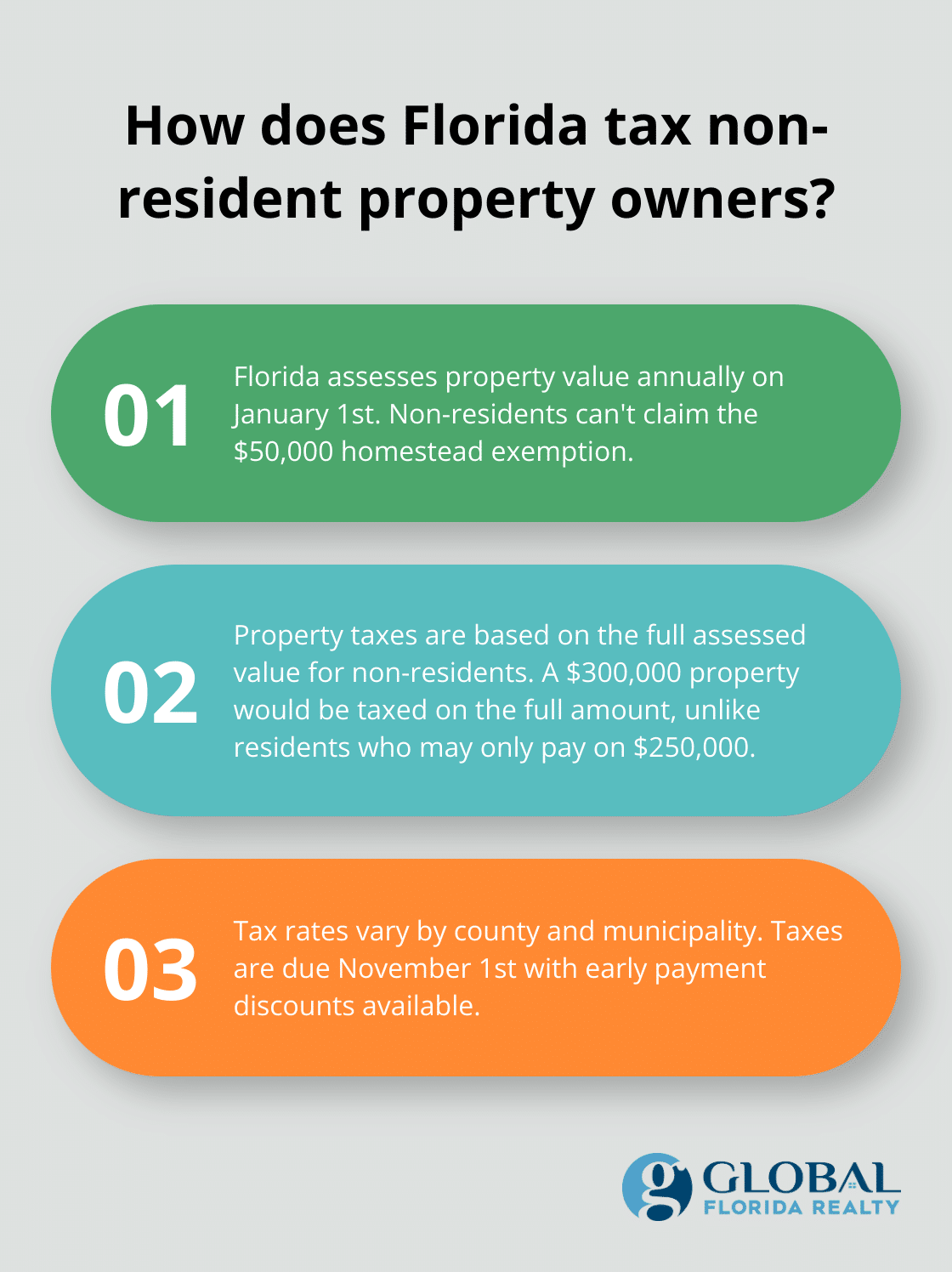
Each year, the County Property Appraiser’s office is responsible for determining the market value of all taxable property within their jurisdiction. This valuation is typically established as of January 1st of the tax year. Based on this assessed value, and after any applicable exemptions are applied (such as homestead exemptions for primary residences), the taxable value is determined. The tax rate, known as the millage rate, is then set by local taxing authorities, including school districts, cities, and counties, to fund public services.
Once the millage rates are adopted, the tax bills are calculated. These bills are mailed out by the County Tax Collector’s office. In Florida, tax bills are typically mailed by November 1st of each year. This timeframe ensures that property owners have ample notice before the payment deadline. The bill will detail the property’s assessed value, exemptions, taxable value, the millage rates applied, and the total amount of tax due. It will also clearly indicate the payment due dates and any available discounts for early payment.
Discounts for Early Payment
A significant incentive for property owners in Florida is the opportunity to receive discounts for paying their property taxes early. This system is designed to encourage prompt payment and assist the cash flow of local government entities. The discount structure is as follows:
- 4% Discount: If taxes are paid in November.
- 3% Discount: If taxes are paid in December.
- 2% Discount: If taxes are paid in January of the following year.
- 1% Discount: If taxes are paid in February of the following year.
There is no discount for payments made in March. This tiered discount system encourages homeowners to settle their tax obligations as early as possible in the payment window.
Key Deadlines for Florida Property Taxes in 2024
Marking your calendar with the correct dates is paramount to avoiding late fees and ensuring your property tax obligations are met. For the 2024 tax year in Florida, the critical deadlines are as follows:
The Final Payment Due Date
The absolute deadline for paying your property taxes in Florida, without incurring any penalties, is March 31st of the year following the tax year. So, for the 2024 property taxes, the final due date is March 31, 2025. Payments received after this date will be considered delinquent and will be subject to late fees and interest.

The Delinquency Date
Property taxes are considered delinquent on April 1st of the year following the tax year. This means that as soon as April 1st arrives, your property tax bill is officially late. Delinquent taxes begin accruing interest and penalties immediately. The longer taxes remain unpaid after the delinquency date, the higher the accumulated charges will become. This is why it is strongly advised to pay by the March 31st deadline.
What Happens After Delinquency?
Once property taxes become delinquent, the County Tax Collector’s office initiates further collection actions. These can include:
- Interest and Penalties: A significant interest rate is applied to the outstanding balance, often compounded monthly. In addition to interest, statutory penalties are also assessed.
- Tax Certificates: In Florida, delinquent taxes lead to the issuance of tax certificates. These certificates represent a lien on the property for the amount of unpaid taxes, interest, and costs. Investors can purchase these certificates at an auction, and they earn interest on the amount paid. If the property owner does not redeem the certificate (pay the taxes plus interest and fees) within a specific timeframe, the certificate holder can initiate a tax deed sale process.
- Tax Deed Sale: This is a legal process where the property is sold at public auction to satisfy the delinquent taxes. If a property owner fails to pay their taxes, they risk losing their property through a tax deed sale. The timeframe for this process varies but typically begins after the tax certificates have been outstanding for a certain period, usually two years.
Understanding these consequences underscores the importance of meeting the March 31st deadline.
Managing Your Property Tax Payments
Effective management of your property tax payments can help you avoid stress and financial strain. Several strategies and resources are available to assist Florida property owners.
Payment Options
The County Tax Collector’s office in Florida typically offers various convenient payment methods:
- Online Payment: Most county tax collectors provide online portals where you can pay your property taxes using e-checks, credit cards, or debit cards. This is often the most convenient and fastest method, and it provides immediate confirmation of your payment.
- Mail Payment: You can mail a check or money order payable to your County Tax Collector. Ensure you mail it well in advance to account for postal delivery times, especially if you are aiming for an early payment discount.
- In-Person Payment: You can visit the Tax Collector’s office in person to make a payment. This is a good option if you have questions or prefer face-to-face assistance.
- Automatic Payment Plans: Some counties offer installment payment plans that allow you to spread your tax payments throughout the year. These plans typically require enrollment by a specific deadline, often in the fall. While these plans usually do not offer discounts for early payment, they can help manage cash flow and prevent a large lump sum payment. It’s important to check the specific terms and conditions of any installment plan offered by your county.
Homestead Exemptions and Other Relief
Florida offers several property tax exemptions that can significantly reduce a homeowner’s tax burden. The most common is the homestead exemption, which provides a substantial deduction from the assessed value of a primary residence. To qualify for the homestead exemption, you must own and occupy the property as your permanent residence as of January 1st of the tax year. Applications for homestead exemptions are typically due by March 1st of the tax year for which you are seeking the exemption, although late applications may be accepted by the Property Appraiser.
Other exemptions available include those for:
- Seniors: Additional exemptions may be available for seniors meeting certain income requirements.
- Disabled Veterans: Significant exemptions are provided for disabled veterans.
- Widows/Widowers: Exemptions are available for surviving spouses.
- First Responders and Law Enforcement Officers: Specific exemptions are offered to these essential service providers.
It is the property owner’s responsibility to apply for these exemptions with the County Property Appraiser’s office. Failing to apply for an available exemption means you will pay more in property taxes than necessary. Always verify your eligibility and ensure your applications are submitted by the respective deadlines.
In conclusion, understanding the property tax schedule in Florida for 2024 is essential for every homeowner. By being aware of the assessment cycle, the mailing of tax bills, the generous discounts for early payment, and the strict deadlines for final payment and delinquency, you can effectively manage this financial obligation. The ultimate deadline to avoid penalties is March 31, 2025, with taxes becoming delinquent on April 1, 2025. Take advantage of early payment discounts and explore available exemptions to reduce your tax burden. Proactive financial management will not only save you money but also prevent the stressful consequences of delinquent property taxes, allowing you to fully enjoy your Florida property, whether it’s a primary residence, a vacation home, or an investment property.