
Texas, a land of diverse landscapes, vibrant cities, and rich cultural heritage, beckons travelers, investors, and those seeking a new lifestyle. From the bustling metropolitan hubs of Dallas and Houston to the artistic charm of Austin and the historic allure of San Antonio, the Lone Star State offers a spectrum of experiences and opportunities. Whether you dream of owning a luxurious villa overlooking the Hill Country, investing in a bustling vacation rental near the Gulf Coast, or settling down for a long-term stay, understanding the local financial landscape is as crucial as planning your itinerary. Among the most significant financial considerations for any property owner or prospective buyer in Texas are property taxes. Knowing when these taxes are due is not just a matter of compliance; it’s a vital component of smart financial planning, ensuring a smooth and stress-free experience as you embark on your Texas journey.
Property taxes in Texas are locally assessed and collected, primarily funding local services such as public schools, city and county operations, and special districts like hospitals or community colleges. This localized approach means that while the general timeline remains consistent across the state, the specific rates can vary significantly depending on which city, county, or school district your property resides in. For those venturing into Texas with an eye on real estate – be it a dream home, a savvy investment in the thriving hospitality sector, or a base for extended travel – grasping the annual property tax cycle is fundamental. It empowers you to budget effectively, avoid penalties, and fully appreciate the cost of your chosen lifestyle or investment. Let’s delve into the specifics of when property taxes are due in Texas, exploring the full calendar, payment options, and essential considerations for every property owner.
Navigating the Texas Property Tax Calendar: A Crucial Step for Residents and Investors
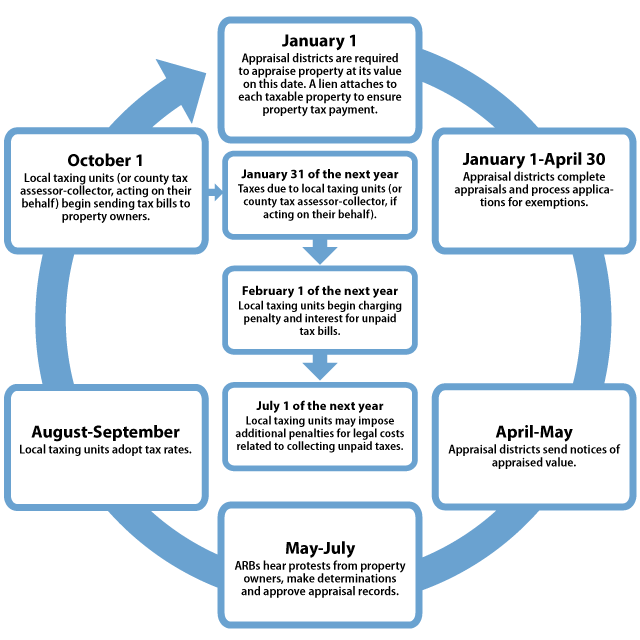
The Texas property tax system operates on an annual cycle, beginning on January 1st and concluding with the payment deadline the following January. While the final due date is often the focus, understanding the entire year’s progression is key to proactive financial management. This timeline affects everyone from long-term residents enjoying a quiet life in Fort Worth to savvy investors acquiring new accommodations in El Paso for seasonal visitors.
The Standard Texas Property Tax Timeline
The property tax calendar officially kicks off at the start of the new year, marking the beginning of the assessment process and setting the stage for the year’s financial obligations.
-
January 1: Valuation Date (Taxable Value Established)
On this day, all property in Texas is appraised at its market value. This is the valuation date, meaning the property’s condition and ownership status on January 1st determine its value for the entire tax year. If you purchase a new residence or hotel suite in Houston on January 2nd, the previous owner is technically responsible for the taxes for that year, though this is typically prorated at closing. This date is critical for understanding the baseline of your tax liability. -
April 15 (or later): Appraisal Notices Sent
Appraisal districts across Texas begin sending out appraisal notices. For example, the Travis Central Appraisal District in Austin would send these to property owners within its jurisdiction. These notices inform you of the appraised value of your property, which the district believes represents its market value. It also details the exemptions applied to your property. It’s imperative to review this notice carefully, as this value is the basis for your property tax calculation. -
May 15 (or 30 Days After Notice): Deadline to Protest Appraisal Value
This is perhaps one of the most crucial deadlines for property owners. If you disagree with the appraised value of your property as stated in the appraisal notice, you have until May 15th or 30 days after the notice was mailed (whichever is later) to file a protest. Whether you own a charming bungalow in Corpus Christi or a commercial property intended for tourist accommodations, disputing an inflated appraisal can significantly reduce your tax burden. This process involves presenting evidence to the appraisal review board to support a lower valuation. -
Late Summer/Early Fall: Tax Bills Sent
Once all protests are resolved and tax rates are set by various local taxing units (cities, counties, school districts), the tax bills are mailed out. This typically occurs in October. Your tax bill will show the total amount due, broken down by each taxing unit, and specify the payment due date. For someone planning a long-term stay or considering a property as part of a lifestyle change in a city like Dallas, budgeting for this bill well in advance is essential. -
January 31 (of the Following Year): Payment Due Date
This is the moment everyone anticipates: January 31st of the year following the tax year is the official deadline for property tax payments in Texas. For example, taxes assessed for the 2023 tax year are due by January 31, 2024. This payment can be made to your county tax assessor-collector’s office. Missing this deadline has immediate financial consequences. -
February 1: Penalties and Interest Begin
If your property taxes are not paid in full by January 31st, penalties and interest begin to accrue on February 1st. These charges can quickly add up, making a manageable bill significantly more expensive. Initial penalties are usually 6% of the tax due, increasing by 1% each month, plus 1% interest per month. By July 1st, an additional collection fee of up to 20% can be added, underscoring the importance of timely payment. This aggressive penalty structure serves as a strong incentive for prompt payment and highlights the need for careful financial planning for anyone considering property ownership in Texas.
Understanding the Appraisal Process and its Impact on Your Texas Property
The appraised value of your property forms the bedrock of your tax bill. Understanding how this value is determined by the local appraisal district (like the Harris County Appraisal District for properties in Houston) is critical. Appraisal districts use mass appraisal techniques, considering factors like recent sales of comparable properties, property size, age, condition, and location.
For travelers considering a permanent move or investors looking to buy property for tourism or accommodation purposes, monitoring property values in desirable areas is key. A property in a booming tourist destination like Galveston might see its value increase rapidly, leading to higher taxes. If you believe your property’s appraised value exceeds its actual market value or is unequal compared to similar properties, filing a protest is your right. This process can involve informal discussions with appraisers or formal hearings before the Appraisal Review Board. Successfully protesting your appraisal can save you hundreds or even thousands of dollars, making it a vital financial management tool for any Texas property owner.

Beyond the Due Date: What Every Texas Property Owner (and Prospective Buyer) Should Know
While the January 31st deadline is paramount, understanding the various nuances of the Texas property tax system can significantly impact your financial planning and overall experience, especially for those considering a long-term commitment to the state’s vibrant lifestyle or burgeoning real estate market.
Payment Options and Avoiding Penalties
Texas offers several convenient ways to pay your property taxes, ensuring flexibility for property owners, including those who might be traveling or managing properties remotely.
- Online Payments: Most county tax assessor-collector offices provide secure online payment portals, often accepting credit cards (though convenience fees may apply) or e-checks. This is particularly convenient for property owners who may not be physically present in Texas during the payment period, such as those with vacation homes or investment properties.
- Mail: You can always mail your payment via check or money order. Be sure to postmark your payment by January 31st to avoid penalties. Sending it certified mail can provide proof of timely submission.
- In-Person: Payments can be made in person at the county tax assessor-collector’s office. This allows for immediate receipt and direct interaction with staff if you have questions.
- Installment Plans: Certain property owners are eligible for installment payment plans. If your property is your homestead and you are disabled, a senior citizen (age 65 or older), or a qualified veteran, you can typically choose to pay your taxes in four equal installments, due by January 31, March 31, May 31, and July 31. This can significantly ease the financial burden, especially for those on fixed incomes or managing multiple properties. This option aligns well with a budget-conscious lifestyle or managing expenses for family members who meet these criteria.
Ignoring your property tax obligations can lead to severe consequences beyond penalties and interest. Unpaid taxes can result in a tax lien being placed on your property, potentially leading to a tax lien sale where your property could be sold to recover the outstanding taxes. This is a rare but serious outcome that underscores the importance of staying informed and proactive.
Exemptions That Can Ease Your Texas Property Tax Burden
One of the most valuable aspects of the Texas property tax system for residents are the various exemptions available, which can substantially reduce your taxable value and, consequently, your tax bill. Understanding and applying for these exemptions is a crucial step for anyone making Texas their home.
- Homestead Exemption: This is the most common and significant exemption for owner-occupied primary residences. It reduces the appraised value of your home, lowering your tax burden. To qualify, the home must be your principal residence on January 1st of the tax year, and you must file an application with your appraisal district. This is a huge benefit for families or individuals seeking a permanent lifestyle in Texas and represents a significant advantage over simply booking long-term hotel stays or rentals.
- Over-65 or Disabled Person Exemption: These special homestead exemptions provide additional tax savings. In addition to a general homestead exemption, qualified individuals receive an extra reduction in their home’s appraised value from school districts and may also receive a “tax ceiling” for school taxes, ensuring that their school taxes will not increase above a certain amount, regardless of increases in their property’s value. This offers immense financial stability for seniors and disabled individuals considering Texas for retirement or specialized care.
- Disabled Veterans Exemption: Texas offers generous exemptions for disabled veterans and their surviving spouses. The amount of the exemption depends on the veteran’s disability rating. In some cases, severely disabled veterans may qualify for a full exemption from all property taxes on their homestead.
- Other Exemptions: Additional exemptions exist for various categories, such as tangible personal property used for income production, charitable organizations, or certain agricultural lands.
Applying for exemptions is typically a one-time process for most homestead-related exemptions, but it requires property owners to be proactive. If you’re relocating to Texas or buying your first home there, researching and applying for eligible exemptions immediately upon purchase is highly recommended. These exemptions are a cornerstone of affordable living in Texas and can significantly enhance the appeal of establishing a long-term lifestyle within the state.
Texas Property Taxes and Your Lifestyle or Investment Journey
For those drawn to Texas for its vibrant culture, diverse landscapes, or promising economic opportunities, understanding property taxes is not merely about compliance; it’s about strategic planning that underpins your lifestyle choices and investment decisions. The state’s unique charm, from the historic Riverwalk in San Antonio to the tech hub of Austin, makes it an attractive destination for various reasons, each with its own property tax implications.
Choosing Your Texas Destination: Tax Considerations for Travel and Residency
The beauty of Texas lies in its regional diversity, and this extends to property tax rates. Tax rates are set by local taxing units, meaning that the specific city, county, and school district where you purchase property will directly influence your annual tax bill. For instance, moving from a bustling urban center like Houston, with its higher costs of living and corresponding property taxes, to a charming small town in the Hill Country could significantly alter your financial landscape.
- Urban vs. Rural: Major metropolitan areas often have higher property values and potentially higher overall tax burdens due to a greater number of taxing entities (city, county, multiple school districts, hospital districts, etc.). Conversely, rural areas or smaller towns in the Rio Grande Valley might offer lower property values and fewer overlapping taxing jurisdictions, leading to a more manageable tax bill. This is a critical consideration for those planning a budget-friendly lifestyle change or seeking to maximize their investment return.
- Tourist Hotspots: Popular tourist destinations, such as properties near South Padre Island or the arts districts of Dallas, often command higher property values due to demand for vacation rentals and short-term accommodations. While these areas offer great potential for rental income, they also come with a higher property tax liability. Investors must factor these taxes into their projections for profitability, just as a traveler considering buying a local villa for personal use needs to weigh the long-term costs against the benefits of owning a piece of a Texas landmark.
- School Districts: Property taxes heavily fund local school districts. The quality of a school district often correlates with property values and, consequently, tax rates. Families moving to Texas with children will weigh the benefits of a highly-rated school district against its potential impact on their property tax bill, making it an integral part of their lifestyle planning.
Understanding these geographical variations is crucial for making informed decisions, whether you’re seeking a luxurious resort experience for a temporary stay or envisioning a permanent home that aligns with your financial comfort zone.
Property Taxes as Part of Your Texas Investment Strategy
For investors eyeing the dynamic Texas real estate market, property taxes are a non-negotiable component of any robust financial model. From establishing boutique hotels in revitalized downtown areas to acquiring apartments for long-term rentals near major universities or business centers, a clear understanding of tax obligations is paramount to profitability and sustainability.
- Return on Investment (ROI): Property taxes directly impact your net operating income for rental properties. Higher taxes mean lower net income, which can affect your ROI. Smart investors meticulously calculate these costs, considering potential appraisal increases and future tax rate changes, especially in rapidly developing areas like those surrounding Space Center Houston or new Dallas business parks.
- Budgeting for Vacancies and Maintenance: Even during periods of vacancy or significant maintenance costs, property taxes remain due. This necessitates a robust financial reserve, especially for accommodation providers who rely on consistent occupancy.
- Long-term Holding Costs: For investors with a long-term strategy, property taxes represent a significant ongoing holding cost. While Texas boasts no state income tax, its property taxes are a primary source of state and local revenue, and this must be factored into any long-term wealth creation plan. Considering a significant investment near a natural landmark like Big Bend National Park might offer unique rental appeal, but also requires careful analysis of local tax structures for that specific, often remote, area.
- Diversification and Portfolio Management: For property owners managing multiple properties across different Texas counties, a comprehensive understanding of each local tax calendar and exemption policy is essential for efficient portfolio management and optimizing overall financial performance.
Ultimately, whether your journey in Texas is one of leisure, exploration of local culture and food, or a strategic investment in its thriving economy, being well-versed in its property tax system is an indispensable tool. It empowers you to navigate the financial landscape confidently, allowing you to fully enjoy the rich experiences and opportunities that the Lone Star State has to offer. By staying informed and planning ahead, you can ensure your Texas adventure, whether short-term or a lifetime, remains as rewarding as possible.
LifeOutOfTheBox is a participant in the Amazon Services LLC Associates Program, an affiliate advertising program designed to provide a means for sites to earn advertising fees by advertising and linking to Amazon.com. Amazon, the Amazon logo, AmazonSupply, and the AmazonSupply logo are trademarks of Amazon.com, Inc. or its affiliates. As an Amazon Associate we earn affiliate commissions from qualifying purchases.