
Florida, often hailed as the “Sunshine State,” attracts millions of visitors and new residents each year with its pristine beaches, vibrant culture, and thriving economy. For those considering investing in property or already owning a piece of paradise in the state, understanding the intricacies of real estate taxes is paramount. While the allure of a Florida vacation home or a permanent residence is undeniable, so is the responsibility that comes with property ownership. This article aims to demystify the deadlines and processes surrounding real estate tax payments in Florida, ensuring you can enjoy your property without the worry of unexpected penalties.

Understanding Florida’s property tax system is crucial for any homeowner or investor. These taxes, levied by local governments, are essential for funding public services such as schools, infrastructure, and emergency services that contribute to the high quality of life experienced by residents and visitors alike. From the bustling streets of Miami to the serene shores of the Florida Keys, property taxes play a vital role in maintaining the very fabric of these desirable locations.
The Annual Property Tax Cycle in Florida
The Florida property tax cycle is a well-defined, annual process that begins with the assessment of property values and culminates in the collection of taxes. Knowing these timelines allows property owners to plan their finances effectively and avoid late payment penalties. The process generally unfolds as follows:
Property Value Assessment
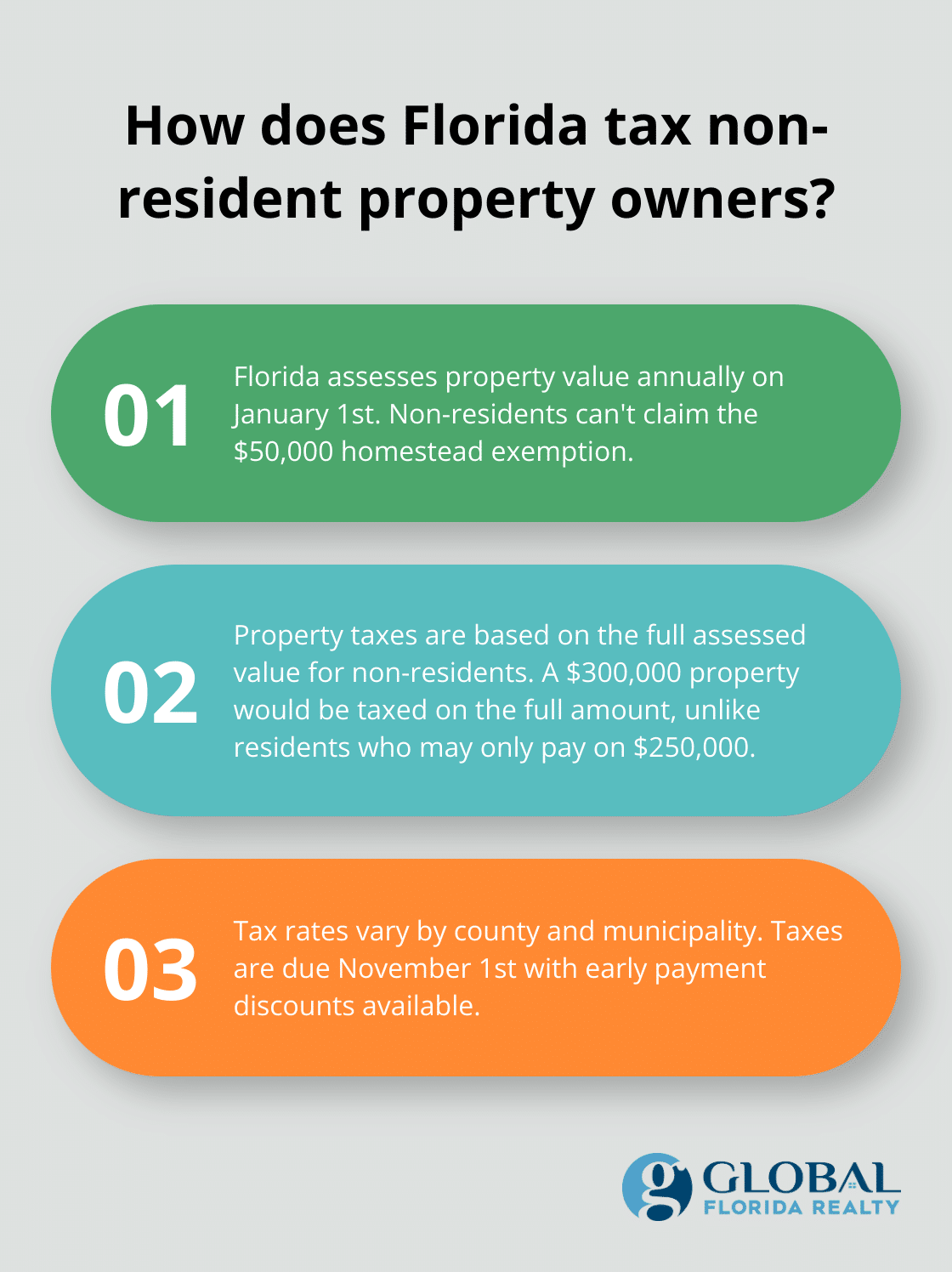
Each year, county property appraisers are responsible for assessing the market value of all taxable real estate within their respective jurisdictions. This assessment is typically based on sales data, property characteristics, and other relevant market indicators. The assessment date for Florida property taxes is January 1st of each year. This means that on January 1st, the value of your property is determined for the tax year that follows. If you purchase a property after January 1st, you generally will not be responsible for the taxes for that entire tax year, though prorations at closing are common. Conversely, if you sell a property after January 1st, you will likely be responsible for the taxes until the sale is finalized, with prorations typically occurring at closing.
The property appraiser’s office is also responsible for identifying any exemptions you may be entitled to, such as homestead exemptions for primary residences. It is crucial to apply for these exemptions by the deadline to ensure they are reflected in your tax bill. The deadline for applying for most property tax exemptions in Florida is March 1st of each year. Failing to apply by this date means you will not receive the benefit of the exemption for that tax year.
Notice of Proposed Property Taxes (TRIM Notice)
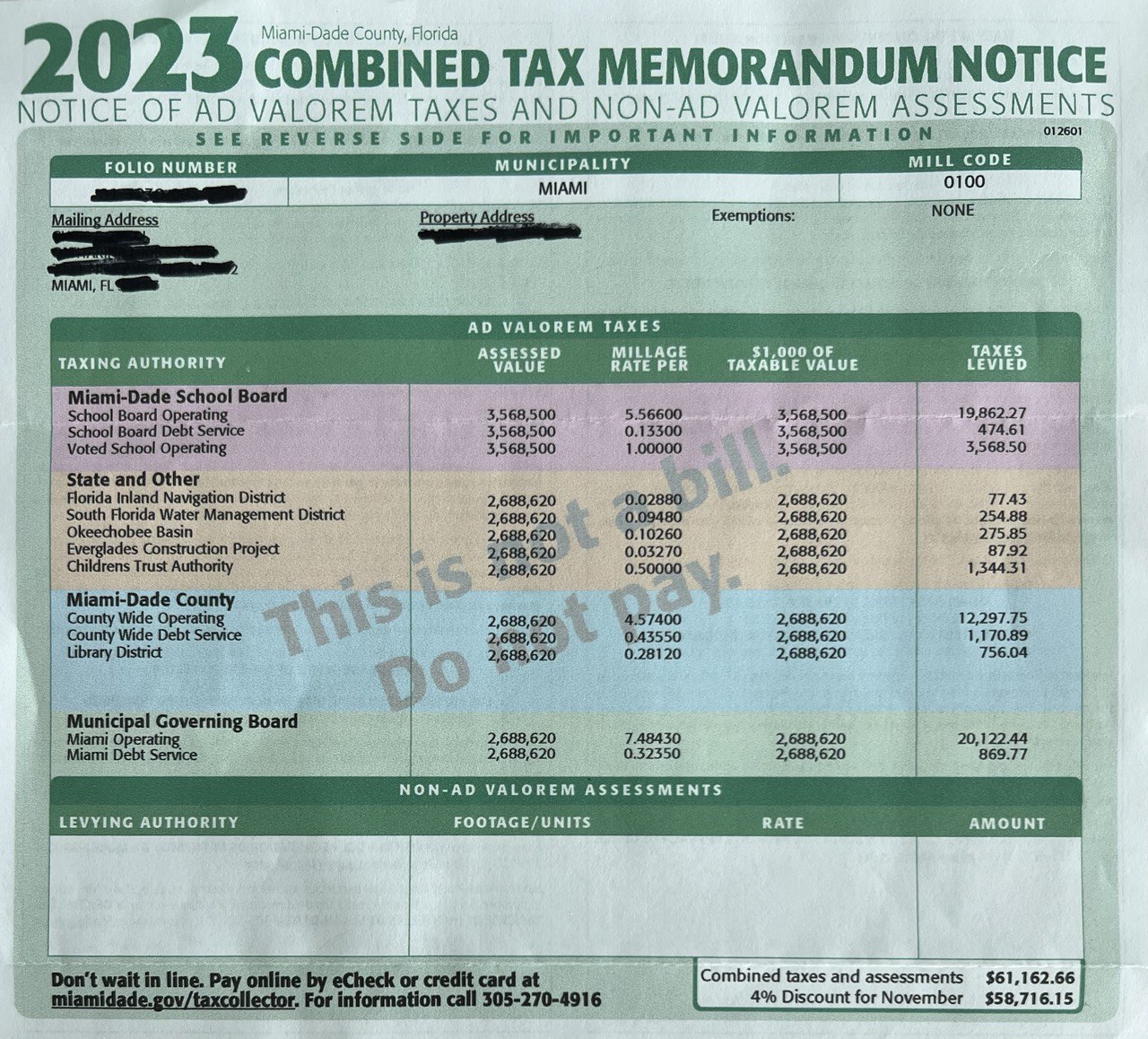
Following the assessment period, typically in August, Florida property owners receive a Notice of Proposed Property Taxes, commonly known as the TRIM Notice. This important document outlines the assessed value of your property, the millage rates being proposed by various taxing authorities (such as the county, city, and school board), and the total amount of taxes you can expect to owe. The TRIM Notice serves as a preliminary tax bill, giving you ample time to review the figures and understand how your taxes are calculated. It also provides information on how to file an appeal if you believe your property’s assessed value is inaccurate. Property owners have a specific window of opportunity to challenge their property’s assessed value, usually up to 25 days after the TRIM Notice is mailed.
Setting of Millage Rates and Final Tax Roll
Before the final tax bills are issued, taxing authorities hold public hearings to finalize their budgets and set their millage rates. A mill is one-tenth of a cent, so a millage rate of 10 mills means a tax of $10 for every $1,000 of taxable property value. These hearings are open to the public, and residents have the opportunity to voice their opinions on proposed tax rates. Once the millage rates are set, the property appraiser compiles the final tax roll, which is the official list of all properties and their corresponding tax liabilities.
Mailing of Tax Bills
The official property tax bills are mailed out by the tax collector’s office in November. This is the definitive statement of your tax obligation for the year. The bill will detail the property’s assessed value, any applicable exemptions, the millage rates applied, and the total amount due.
When Are Real Estate Taxes Due in Florida?
The crucial date for real estate tax payments in Florida is April 1st of the year following the tax year. This means that the property taxes assessed for the tax year that began on January 1st are due by April 1st of the next calendar year.
However, Florida law also provides an incentive for early payment. Property tax bills are mailed in November, and property owners have the option to pay their taxes throughout November, December, January, and February with increasing discounts:
- November: 4% discount
- December: 3% discount
- January: 2% discount
- February: 1% discount
No discount is offered for payments made in March. Therefore, if you wish to take advantage of these early payment discounts, you must submit your payment by the end of February.
If your property taxes are not paid by April 1st, they become delinquent. Delinquent property taxes incur penalties and interest, and the property may eventually be subject to tax deed sale, where the property is sold at public auction to satisfy the unpaid tax debt.
Options for Paying Your Florida Property Taxes
Florida tax collectors offer several convenient ways to pay your property taxes:
- Online: Most county tax collector websites allow for online payments via credit card, debit card, or e-check. This is often the fastest and most convenient method.
- By Mail: You can mail your payment along with the payment stub from your tax bill to the county tax collector’s office. It is advisable to mail your payment well in advance of the April 1st deadline to ensure it is received on time.
- In Person: Payments can be made in person at the county tax collector’s office.
- Automatic Payment Plans: Many counties offer installment payment plans that allow you to spread your tax payments out over the year. This can be a helpful budgeting tool, but it’s essential to ensure you understand the terms and deadlines of these plans. Some plans may require you to opt in annually.
Navigating Florida Property Taxes for Property Owners
For property owners in Florida, whether you’re a snowbird escaping the winter to your cozy apartment in Fort Lauderdale or a long-term resident enjoying the amenities of a luxury resort in Orlando, understanding and managing your property tax obligations is key to stress-free ownership.
Homestead Exemption: A Significant Savings Opportunity
The most common and significant property tax exemption in Florida is the Homestead Exemption. This exemption is available to Florida residents who own and occupy their property as their permanent residence on January 1st of the tax year. The homestead exemption reduces the taxable value of your home, thereby lowering your property tax bill. For the first $25,000 of homesteaded property value, the exemption reduces taxes by the full millage rate. For the portion of value between $25,000 and $50,000, an additional $25,000 exemption applies, reducing taxes at the rate of the school millage. For value over $50,000, the regular homestead exemption continues to apply.
There are also additional homestead exemptions for seniors and disabled individuals, which can provide further reductions in property taxes. It is crucial to apply for your homestead exemption by March 1st to benefit from it for the upcoming tax year.
Other Property Tax Exemptions
Beyond the homestead exemption, Florida offers various other property tax exemptions that may apply to specific property types or owners. These can include exemptions for:
- Disabled Veterans: Providing substantial exemptions for qualifying veterans.
- Widows and Widowers: Offering a limited exemption.
- Religious, Charitable, and Educational Institutions: For properties used for these purposes.
- Conservation and Agricultural Lands: Offering exemptions based on use.
It is the property owner’s responsibility to research and apply for any exemptions they may be eligible for. The property appraiser’s office in your county is the best resource for information on exemption eligibility and application procedures.
What Happens If You Don’t Pay?
As mentioned earlier, failing to pay your Florida property taxes by April 1st results in delinquency. Once taxes are delinquent, they accrue interest and penalties. The rate of interest and penalties increases over time. If taxes remain unpaid, the county tax collector can initiate the process for a tax deed sale. In this sale, the property is auctioned off to recover the unpaid taxes. It is a lengthy process that ultimately results in the loss of ownership for the delinquent taxpayer. Protecting your investment means staying current with your tax obligations.
Owning property in Florida is a rewarding experience, offering access to world-class beaches, theme parks like Walt Disney World and Universal Orlando Resort, and a vibrant lifestyle. By understanding the deadlines and procedures for real estate tax payments, you can ensure that your experience of owning a piece of the Sunshine State remains as enjoyable and worry-free as possible. Stay informed, plan ahead, and take advantage of any eligible exemptions to make the most of your Florida property investment. Whether you’re enjoying a leisurely stay at the Ritz-Carlton Naples or managing a rental property in Tampa, timely tax payments are a fundamental part of responsible property ownership.