
The celestial ballet of the Aurora Borealis is a dream for many travelers, an ethereal dance of vibrant colors across the Arctic sky that captivates and inspires. Among the world’s premier destinations for witnessing this natural spectacle, Alaska stands out as an unparalleled choice. Its vast, dark wilderness, combined with its accessibility, makes it a magnet for aurora chasers from around the globe. For those planning a once-in-a-lifetime journey to experience the Northern Lights, the critical question isn’t if you should go, but when to go to maximize your chances of seeing this breathtaking phenomenon. Understanding the optimal viewing windows, prime locations, and essential preparations is key to transforming a hopeful trip into an unforgettable adventure. This guide delves into everything you need to know about chasing the Northern Lights in the Last Frontier, ensuring your travel plans align with the best possible conditions for witnessing nature’s greatest light show.
Understanding the Best Time for Aurora Viewing
The quest to see the Northern Lights is largely about timing. While the aurora is present year-round, its visibility is entirely dependent on the darkness of the sky. In Alaska’s extreme northern latitudes, the summer months bring continuous daylight, making aurora viewing impossible. Therefore, planning your trip during the right season is the first and most crucial step.
The Prime Seasons: Autumn and Winter
The absolute best time to see the Aurora Borealis in Alaska is during the darker months, typically from mid-September to mid-April. This extensive window provides ample opportunity, but specific nuances within this period can further enhance your chances.
Autumn (September to October): Many seasoned aurora hunters argue that early autumn, particularly September, offers some of the best conditions. Why?
- Increasing Darkness: By early September, the nights are long enough to provide substantial darkness, especially after 10 PM.
- Milder Temperatures: While still cold, temperatures are generally more moderate than in the depths of winter, making extended outdoor viewing more comfortable. This is a significant factor for those not accustomed to extreme cold.
- Stunning Scenery: The autumn foliage adds another layer of beauty to the Alaskan landscape. Imagine green, yellow, and red hues under a sky illuminated by dancing lights – it’s a photographer’s dream.
- Less Snow (initially): Early autumn often sees less snow than winter, which can make travel and accessing remote viewing spots easier. However, snow typically begins to fall by late September or October.
Winter (November to March): This is the heart of the aurora season, offering the longest and darkest nights.
- Maximum Darkness: From November through January, Alaska experiences minimal daylight hours, with some northern regions seeing only a few hours of twilight or none at all around the winter solstice. This maximizes the window for aurora visibility.
- Cold, Clear Skies: While challenging, the frigid winter temperatures often bring with them crisp, clear skies. Cloud cover is the archenemy of aurora chasers, and cold, stable air masses tend to be less cloudy.
- Iconic Winter Activities: A winter trip offers the added bonus of experiencing classic Alaskan winter activities like dog sledding, snowmobiling, and ice carving, integrating the aurora hunt into a broader winter wonderland adventure.

Late Winter/Early Spring (March to April): Similar to autumn, late winter and early spring can be excellent. March, in particular, is often cited as a prime month.
- Still Long Nights: While daylight hours are increasing, nights remain long enough for aurora viewing.
- Improved Weather: Temperatures begin to moderate slightly compared to the deep freeze of December and January, but still offer the cold, clear conditions favorable for aurora.
- Aurora Borealis Season Finale: April typically marks the end of the prime viewing season as the days rapidly lengthen.
Solar Activity: Beyond the time of year, solar activity plays a crucial role. The aurora is caused by charged particles from the sun interacting with Earth’s atmosphere. The sun has an approximate 11-year solar cycle, with periods of solar maximum bringing more frequent and intense auroras. While we are currently approaching or in a period of increased solar activity, auroras are visible every year. Websites like the University of Alaska Fairbanks Geophysical Institute provide excellent forecasts and real-time aurora predictions, which can be invaluable during your trip.
Optimal Hours for Chasing the Lights
Even within the prime seasons, the Northern Lights are not a constant fixture. They tend to make their appearance during specific hours.
- Late Evening to Early Morning: The most common time for the aurora to appear is between 10 PM and 3 AM, local time. However, sightings can occur as early as 9 PM or extend until dawn. Patience is a virtue when aurora hunting.
- Darkness is Key: The darker the sky, the better. This means getting away from city lights, allowing your eyes to adjust, and being prepared to wait in the cold. A good strategy is to find a comfortable viewing spot, perhaps near your accommodation, and monitor the sky and aurora forecasts. Many hotels and resorts in prime viewing areas even offer “aurora wake-up calls” for guests.
Top Destinations in Alaska for Aurora Chasing
While the entire state of Alaska offers potential aurora viewing, some locations are undeniably superior due to their geographical position, climate, and infrastructure. Selecting the right base for your aurora adventure can significantly impact your success and overall travel experience.
Fairbanks: The Aurora Capital
If there’s one place synonymous with the Northern Lights in Alaska, it’s Fairbanks. Situated in the interior of the state, Fairbanks proudly holds the title of “America’s Arctic Gateway” and is widely considered the best place in the United States to see the Aurora Borealis.
- Geographical Advantage: Fairbanks is located directly under the “auroral oval,” a band around Earth’s geomagnetic poles where aurora activity is concentrated. This prime positioning means that if there’s any aurora activity, Fairbanks has an excellent chance of seeing it.
- Climate: The interior climate of Fairbanks is typically drier and experiences more clear nights than coastal regions, which are prone to cloud cover. While it gets extremely cold, clear skies are paramount for aurora viewing.
- Accessibility: Fairbanks is easily accessible via Fairbanks International Airport (FAI), with direct flights from major US cities. Once there, you can rent a car (a 4×4 is highly recommended in winter) or utilize local tour operators.
- Aurora-Focused Infrastructure: The city is well-equipped for aurora tourism.
- Viewing Locations: Numerous designated viewing spots exist just outside the city, such as Ester Dome or the hills north of Fairbanks, where light pollution is minimal.
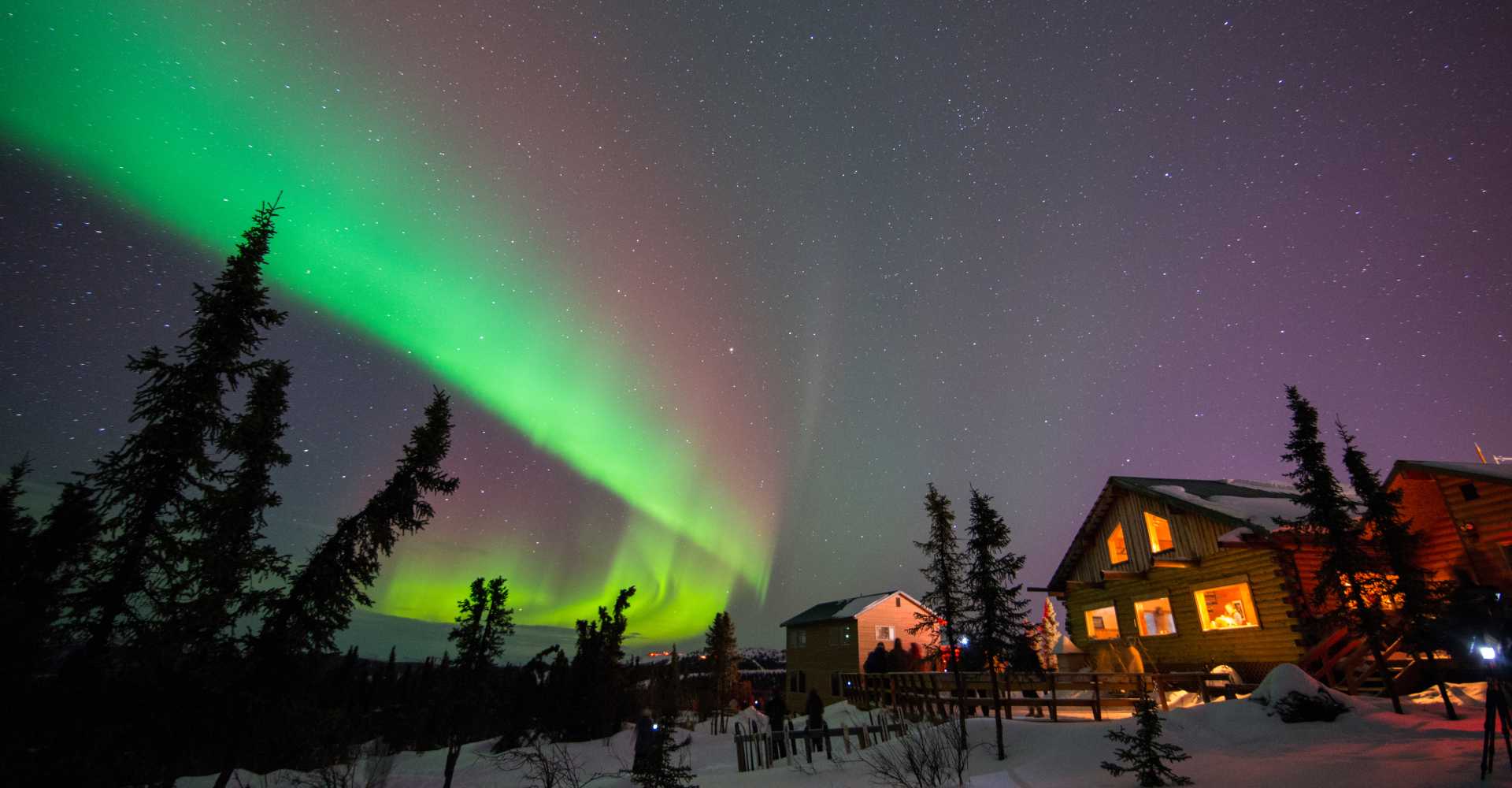
- Chena Hot Springs Resort: A popular choice, located about an hour’s drive from Fairbanks. Guests can soak in the natural hot springs while waiting for the lights, or enjoy the Aurora Ice Museum. The resort offers aurora viewing tours and accommodations.
- Guided Tours: Many operators offer comfortable tours, often to heated cabins or yurts, providing hot beverages and expert guidance.
- Scientific Support: The University of Alaska Fairbanks Geophysical Institute provides public aurora forecasts, a valuable tool for planning your nightly excursions.
- Accommodation in Fairbanks: From budget-friendly hotels to comfortable resorts and cozy cabins, Fairbanks offers a range of options suitable for all preferences and budgets. Many offer aurora-specific amenities, such as wake-up calls or viewing platforms.
Beyond Fairbanks: Other Excellent Spots
While Fairbanks is the undisputed champion, other Alaskan destinations offer unique aurora viewing experiences, especially for those seeking a broader Alaskan adventure.
- Anchorage: As Alaska’s largest city, Anchorage isn’t directly under the auroral oval, but it’s still possible to see the lights, especially with strong solar activity. You’ll need to drive 30-60 minutes outside the city to escape light pollution. Popular spots include Potter Marsh Bird Sanctuary (south of the city) or areas along the Glenn Highway towards Eklutna Lake. Anchorage serves as a major hub for flights and other Alaskan adventures, making it a good starting point for a wider tour.
- Denali National Park: Imagine the aurora dancing over Mount Denali, North America’s highest peak. The park offers incredibly dark skies and stunning natural backdrops. However, winter access to most of the park road is limited, and accommodations are scarce. The entrance area near Talkeetna or outside the park itself might offer better access during the prime winter months.
- Talkeetna: This charming town, known as the base for Mount Denali climbers, offers dark skies and a more intimate Alaskan experience. It’s about a 2.5-hour drive north of Anchorage and could be a good option for those seeking a less crowded viewing experience than Fairbanks.
- Utqiaġvik (formerly Barrow): For the truly adventurous, Utqiaġvik, the northernmost city in the United States, offers nearly continuous darkness during parts of winter. While the aurora here can be spectacular and frequent, its extreme remoteness and harsh conditions make it a challenging destination for most travelers.
- Juneau: As Alaska’s capital, located in the southeast panhandle, Juneau is generally not recommended as a primary aurora viewing destination. Its coastal location means frequent cloud cover and generally warmer, wetter weather, significantly reducing aurora visibility compared to the interior.
Maximizing Your Aurora Hunting Experience
Seeing the Northern Lights is a thrilling experience, but it often requires preparation, patience, and the right approach. Beyond choosing the right time and place, there are several steps you can take to significantly improve your chances and overall enjoyment.
Essential Gear and Preparations
The Alaskan winter is no joke. Proper preparation for the cold is paramount, not just for comfort but for safety.
- Warm Clothing Layers: This is the most critical item. Think layers:
- Base Layer: Moisture-wicking thermal underwear (wool or synthetic).
- Mid-Layers: Fleece jackets, down vests, wool sweaters.
- Outer Layer: A waterproof and windproof parka rated for extreme cold (-20°F to -40°F or colder), insulated snow pants.
- Extremities: Heavy-duty insulated boots (rated for extreme cold, like Sorel or Baffin), wool socks, insulated mittens (better than gloves for warmth), a warm hat that covers your ears, and a neck gaiter or balaclava.
- Camera Equipment: Capturing the aurora requires specific gear.
- DSLR or Mirrorless Camera: Capable of manual settings (ISO, aperture, shutter speed).
- Wide-Angle Lens: A fast lens (f/2.8 or wider) to capture more of the sky and gather sufficient light.
- Sturdy Tripod: Essential for long exposures.
- Remote Shutter Release: To prevent camera shake.
- Extra Batteries: Cold drains batteries quickly; keep spares in an inside pocket to keep them warm.
- Headlamp with Red Light Option: To preserve night vision.
- Comfort Items:
- Hot Beverages: A thermos with coffee, tea, or hot chocolate is a welcome companion.
- Snacks: Energy bars or other easy-to-eat snacks.
- Hand and Foot Warmers: Chemical warmers can provide hours of relief.
- Transportation: A reliable vehicle, preferably a 4×4 or AWD, is essential for navigating potentially icy or snowy roads to dark viewing spots. Ensure your rental comes with winter tires.
Choosing the Right Accommodation
Your choice of accommodation can greatly influence your aurora experience, especially if you prefer to chase the lights independently.
- Away from Light Pollution: Prioritize hotels, resorts, or cabins located outside city limits, with minimal ambient light. Rural lodges or guesthouses offer superior dark skies.
- Aurora Viewing Amenities: Some accommodations cater specifically to aurora tourists, offering:
- Aurora Wake-Up Calls: Staff will notify you when the lights appear.
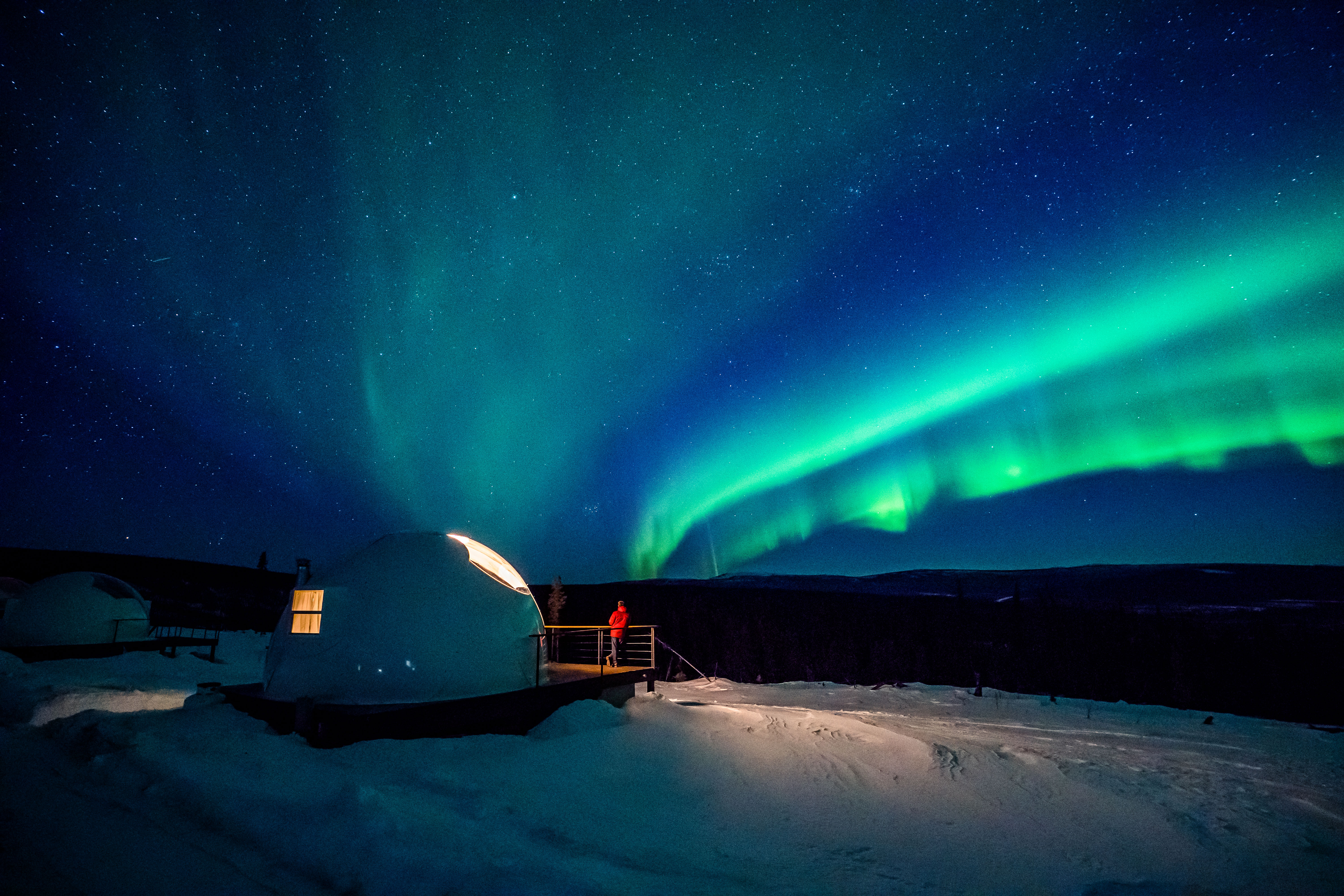
- Heated Viewing Spaces: Yurts, cabins, or glass-domed igloos for comfortable waiting.
- Dark Sky Access: Easy access to viewing points directly from the property.
- Hot Tubs/Saunas: A perfect way to warm up after a chilly night of aurora hunting.
- Booking in Advance: The prime aurora season is popular, so book your accommodation and tours well in advance, especially if you’re targeting specific, highly-rated lodges like Chena Hot Springs Resort.
Guided Tours vs. Self-Guided Adventures
Deciding between a guided tour and a self-guided adventure depends on your comfort level, budget, and experience in cold weather travel.
- Guided Tours:
- Pros: Expert local guides, comfortable transportation (often heated), knowledge of best viewing spots, safety in numbers, hot drinks/snacks provided, sometimes heated viewing structures. Ideal for first-timers or those less comfortable driving in winter conditions.
- Cons: Less flexibility, potentially higher cost, might be tied to a group schedule.
- Self-Guided Adventures:
- Pros: Complete flexibility to choose your own viewing spots, stay out as long as you like, potentially more budget-friendly if you have your own gear and transport.
- Cons: Requires winter driving skills, navigational abilities, proper gear, and self-reliance. You’re responsible for all logistics and safety.
For your first aurora trip, especially to Alaska, a combination might be best – perhaps a guided tour for a few nights to learn the ropes, followed by independent excursions.
Beyond the Lights: Experiencing Alaskan Winter Tourism
While the Aurora Borealis is undoubtedly the main attraction, an Alaskan winter trip offers a wealth of other experiences. Integrating these into your itinerary will create a richer, more fulfilling journey, transforming your aurora hunt into a comprehensive Alaskan adventure. This is where the broader themes of tourism, travel, and lifestyle truly shine.
Daytime Activities and Attractions
Don’t spend all your daylight hours sleeping! Alaska’s winter offers unique and memorable daytime pursuits.
- Dog Sledding: Experience the thrill of mushing through snow-covered trails, a quintessential Alaskan activity. Many tours offer a chance to meet the dogs and learn about the sport.
- Snowmobiling (Snowmachining): Explore vast wilderness areas inaccessible by road. Guided snowmobile tours cater to all skill levels.
- Ice Fishing: Try your hand at catching fish through a hole in the ice on a frozen lake.
- Cross-Country Skiing and Snowshoeing: Explore tranquil trails in state parks or national forests, offering stunning winter landscapes.
- Wildlife Viewing: Even in winter, you might spot moose, caribou, or various bird species. The Alaska Wildlife Conservation Center near Anchorage provides an opportunity to see native Alaskan animals up close in a natural setting.
- Museums and Cultural Centers: Dive into Alaska’s rich history and indigenous cultures. The University of Alaska Museum of the North in Fairbanks offers fascinating exhibits on natural history, art, and anthropology. In Anchorage, the Alaska Native Heritage Center provides insights into native traditions.
- Local Food Experiences: Sample Alaskan delicacies like fresh Alaskan king crab, reindeer sausage, or wild salmon at local restaurants. Fairbanks and Anchorage boast a surprising array of culinary options.
- Ice Sculptures: If your trip coincides with late February or March, you might witness the incredible artistry of the World Ice Art Championships in Fairbanks, where international artists create intricate ice sculptures.
- Arctic Circle Tours: Consider a day trip or an overnight tour to cross the Arctic Circle. These tours often include scenic stops and provide a deeper appreciation for the vastness of the Alaskan wilderness.
Planning Your Alaskan Adventure
A trip to Alaska in winter, especially for aurora viewing, requires meticulous planning.
- Budgeting: Alaska can be an expensive destination, particularly during peak aurora season. Factor in flights, accommodation, car rental, tours, and specialized winter gear. While it can be a luxury travel experience, smart planning can also lead to a more budget travel friendly approach.
- Packing Essentials: Reiterate the importance of a comprehensive packing list, especially for extreme cold. Don’t underestimate the need for layers and insulated boots.
- Flexibility: Alaskan weather is notoriously unpredictable. Be prepared for potential flight delays or changes in road conditions. Having a flexible itinerary, especially with a few extra days, can save you stress if plans need to shift.
- Travel Insurance: Given the potential for weather-related disruptions and the nature of winter activities, comprehensive travel insurance is highly recommended.
- Health and Safety: Be aware of the risks associated with extreme cold. Frostbite and hypothermia are real dangers. Always inform someone of your plans if heading to remote areas, and carry emergency supplies.
In conclusion, planning your trip to see the Northern Lights in Alaska is an exhilarating process that promises immense rewards. The optimal window for this celestial spectacle stretches from mid-September through mid-April, with the darkest, coldest months of winter offering the highest probability of clear skies and vibrant displays. Fairbanks stands out as the premier destination, offering both prime viewing conditions and robust tourism infrastructure. By meticulously preparing with appropriate winter gear, choosing suitable accommodation, and embracing both the aurora chase and the myriad of unique Alaskan winter activities, you set yourself up for an unparalleled journey. Witnessing the Aurora Borealis in the vast, pristine wilderness of Alaska is more than just a trip; it’s an immersive experience that touches the soul, a profound connection with nature’s grandeur that will leave you with memories to last a lifetime. Start planning your Alaskan aurora adventure today, and prepare to be mesmerized.
LifeOutOfTheBox is a participant in the Amazon Services LLC Associates Program, an affiliate advertising program designed to provide a means for sites to earn advertising fees by advertising and linking to Amazon.com. Amazon, the Amazon logo, AmazonSupply, and the AmazonSupply logo are trademarks of Amazon.com, Inc. or its affiliates. As an Amazon Associate we earn affiliate commissions from qualifying purchases.