
Florida, the Sunshine State, is renowned for its vibrant landscapes, captivating attractions, and, of course, its delectable produce. Among its many agricultural treasures, the watermelon stands out as a quintessential summer fruit, a symbol of backyard barbecues and sun-drenched picnics. But for those planning a trip to the Sunshine State with the specific goal of savoring this juicy delight, or for locals eager to make the most of the peak season, a crucial question arises: When are watermelons in season in Florida?
The answer, like the Florida weather itself, can be nuanced, influenced by various factors including the specific variety of watermelon, the agricultural practices employed, and the diverse microclimates that dot the state from the Panhandle to the Keys. However, a general consensus points to a primary season that allows for ample opportunities to indulge.
This article will delve into the prime time for enjoying Florida’s finest watermelons, exploring the factors that contribute to their seasonality, and offering insights into where and how you can best experience this refreshing fruit during your travels or local explorations. We’ll uncover the best times to visit for peak flavor, consider regional variations within Florida, and even touch upon how to identify a perfectly ripe watermelon, ensuring your quest for the ultimate watermelon experience is a resounding success.
The Sweet Spot: Unpacking Florida’s Watermelon Season
Understanding the seasonality of watermelons in Florida requires looking beyond a single, rigid calendar date. It’s a dynamic period that offers a generous window for harvest and consumption. While you might find watermelons available in Florida for a significant portion of the year, there’s a distinct peak season when quality, flavor, and availability are at their absolute best.
The Main Harvest: Spring into Summer Sweetness
Generally speaking, the primary watermelon season in Florida kicks off in the spring and extends through the early summer months. This period, typically from April through July, represents the peak harvest. During these months, the warmth of the Florida sun, combined with the state’s fertile soils, allows watermelons to mature to perfection.
- April and May: These months mark the beginning of the harvest, particularly in the southern and central regions of Florida, where the growing season tends to start earlier. Watermelons picked during this time are often the first taste of summer, bursting with sweetness and a satisfying crunch. This is an excellent time for visitors to experience the initial wave of fresh, local watermelons. Think of enjoying a slice at a roadside stand near Tampa or at a farmer’s market in Orlando.
- June: This is arguably the heart of Florida’s watermelon season. The weather is warm, the days are long, and the watermelons are abundant and at their most flavorful. This is the ideal month for watermelon enthusiasts to plan their visit, whether they are exploring the theme parks of Orlando, relaxing on the beaches of Miami, or taking a scenic drive through the Everglades.
- July: While the peak might start to wane slightly towards the end of the month, July still offers excellent opportunities to enjoy freshly harvested Florida watermelons. The later part of the season can sometimes yield even sweeter fruits as they fully mature under the relentless summer sun. This is a fantastic time for families on summer vacation to enjoy this classic treat.
Beyond the Peak: Extended Availability and Regional Differences
While April to July is the prime window, it’s important to note that Florida’s diverse climate and agricultural advancements allow for extended availability and regional variations.
- Northern Florida: In the northern parts of the state, such as the Florida Panhandle, the watermelon season might align more closely with traditional summer months, potentially extending a bit later into August in some areas. This is due to slightly cooler spring temperatures compared to the south. Areas around Jacksonville or Tallahassee might see their peak harvest lean more towards June and July.
- Southern Florida: Conversely, in the southern regions, including areas around Fort Lauderdale and West Palm Beach, the harvest can sometimes begin as early as late March, especially for early-maturing varieties. However, the true abundance and optimal flavor are still typically found from April through June.
- Winter Production: Florida also engages in some winter watermelon production, particularly in the southernmost counties. However, these watermelons are generally not as widely available as their spring and summer counterparts and may not reach the same peak sweetness and texture. If you’re visiting Florida during the winter months, while you might find watermelons, they are less likely to be the star of the season.
The agricultural industry in Florida is sophisticated, with growers employing techniques to optimize yield and quality. This means that while the natural growing season is a primary driver, you can often find high-quality watermelons even at the fringes of the peak season.
Experiencing Florida’s Watermelons: From Farm Stands to Fine Dining
Knowing when watermelons are in season in Florida is only the first step. The real joy comes from experiencing them in their prime, whether that’s directly from the source or incorporated into culinary creations. Florida offers a multitude of avenues for watermelon enthusiasts to explore.
The Allure of the Roadside Stand and Farmer’s Market
Nothing quite captures the essence of Florida’s summer bounty like a visit to a local roadside stand or a bustling farmer’s market. These vibrant hubs are where you’ll find the freshest, locally grown watermelons, often picked just hours before being offered for sale.
- Authentic Flavor: The flavor of a watermelon picked at its peak and sold locally is unparalleled. It’s a taste that speaks of sunshine, fertile soil, and a passionate farming community. Many stands will allow you to tap the melon, listen for that tell-tale hollow thud, a sign of ripeness.
- Direct from the Grower: Purchasing directly from farmers allows you to connect with the source of your food and support local agriculture. You might even get tips on the best varieties or how to store your melon from the very people who cultivated it.
- Discovering Hidden Gems: Exploring these markets can also be an adventure in itself, offering a glimpse into local Florida life. You might find yourself in a charming town square, or along a scenic rural route, discovering other local produce and artisanal goods alongside your perfect watermelon. Consider a detour on your way to or from popular destinations like St. Augustine or the beaches of Clearwater.
Watermelons on the Menu: Culinary Delights
Beyond fresh consumption, Florida’s culinary scene embraces the watermelon during its season, integrating it into a variety of dishes and beverages.
- Refreshing Salads: Watermelon salads, often paired with feta cheese, mint, and a balsamic glaze, are a popular and refreshing option on menus across Florida, especially in restaurants along the coast. Imagine enjoying such a salad at a beachfront eatery in Sarasota or a trendy bistro in Miami.
- Chilled Soups and Gazpachos: For a truly cooling experience, chilled watermelon soups or gazpachos are a delightful way to beat the Florida heat. These dishes highlight the natural sweetness and hydrating properties of the fruit.
- Juices and Cocktails: Freshly pressed watermelon juice is a fantastic non-alcoholic refreshment. During happy hour at resorts like the Ritz-Carlton, Amelia Island, or lively bars in Key West, you’ll find creative watermelon-infused cocktails, perfect for sipping as the sun sets.
- Desserts: From sorbets and granitas to simple grilled watermelon, the fruit lends itself beautifully to sweet treats that are light and flavorful.
When traveling through Florida during the spring and summer, keep an eye on local menus and inquire about seasonal specials. Many restaurants pride themselves on sourcing local ingredients, and watermelon is a star player during its season.
Choosing the Perfect Watermelon: Tips for Travelers and Locals Alike
Selecting a ripe and delicious watermelon can feel like an art form, but with a few key indicators, anyone can become a watermelon connoisseur. Whether you’re at a farmer’s market or a grocery store in Fort Myers or Jacksonville, these tips will help you pick a winner.

The Art of the Watermelon Selection
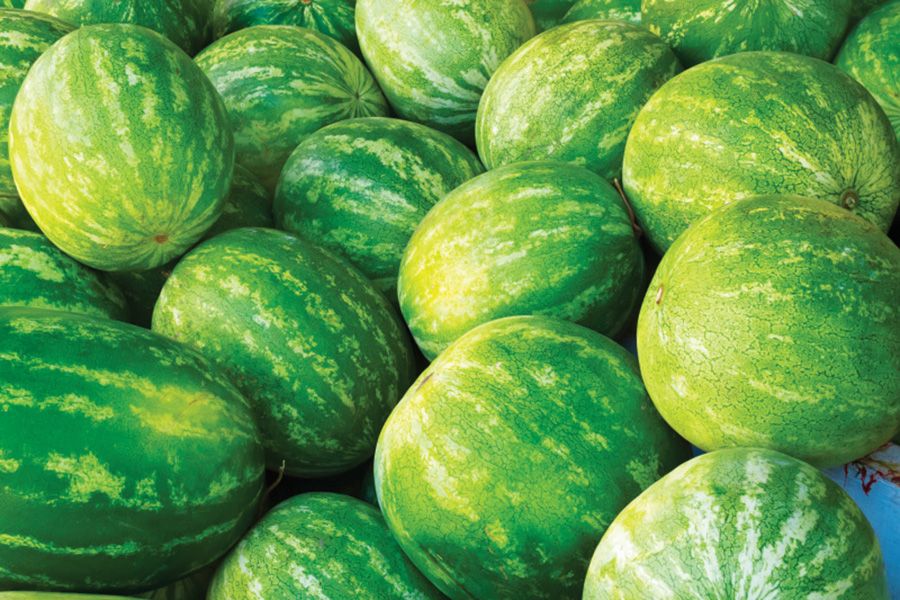
- Look for a Field Spot: The most reliable indicator of ripeness is the “field spot” – the creamy yellow or even orange spot on one side of the watermelon. This is the part of the melon that rested on the ground as it grew. A white or pale green spot indicates it was picked too soon. The darker and more golden the spot, the sweeter the watermelon.
- Weight and Density: Pick up the watermelon. It should feel heavy for its size. This indicates that it’s full of water and therefore juicy and ripe. If it feels light, it might be dry or mealy.
- The “Thump Test”: Gently tap the watermelon with your knuckles. A ripe watermelon will produce a deep, hollow sound, similar to a drum. A duller thud suggests it might be underripe or overripe and mealy. Practice this a few times, and you’ll start to discern the right sound.
- Shape and Appearance: Look for a uniformly shaped watermelon, whether it’s round or oval. Avoid melons with soft spots, bruises, or significant blemishes. While some superficial scarring or webbing (fine, brown lines) is normal and can indicate a sweeter melon, major imperfections should be a cause for concern.
- Stem Condition: If the watermelon still has its stem attached, it should be dry and curled. A green stem might suggest it was picked too early.
By applying these simple selection criteria, you can significantly increase your chances of bringing home a perfectly ripe, sweet, and juicy watermelon, whether you’re a tourist exploring the vibrant landscapes of Florida or a long-time resident enjoying the fruits of the Sunshine State. The effort is always rewarded with that quintessential summer flavor that makes Florida watermelons so beloved.