
Few cities in the United States boast a history as rich, as pivotal, and as deeply interwoven with the very fabric of the nation as Boston, Massachusetts. A vibrant hub for travel, tourism, and lifestyle experiences today, its origins are a fascinating tale of religious conviction, arduous journeys, and the unwavering spirit of early settlers. To truly appreciate the cobblestone streets, the iconic landmarks, and the distinct local culture that defines modern Boston, one must journey back to its foundational moment in 1630. This journey through time not only illuminates how the city came to be but also enhances the experience of visiting its myriad attractions, offering a deeper understanding of the destination’s soul.

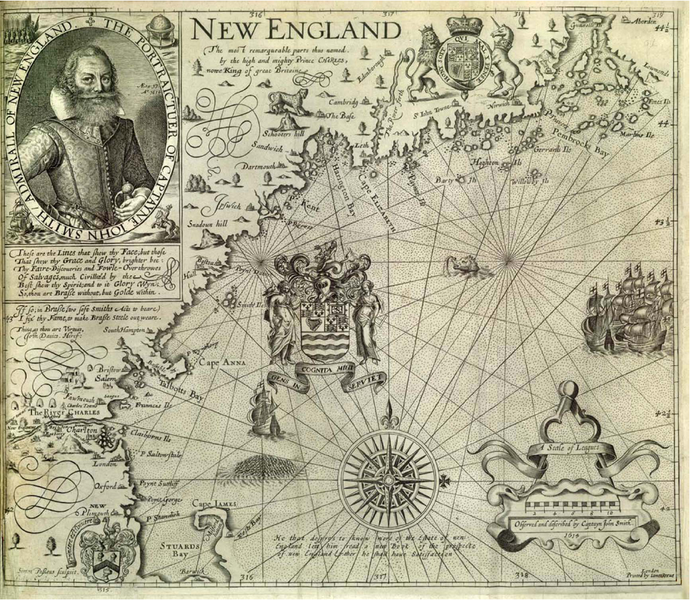
Long before English settlers cast their gaze upon its shores, the land now known as Boston was the ancestral home of the Massachusett people. This indigenous tribe had thrived for centuries on the Shawmut Peninsula and the surrounding areas, utilizing its abundant natural resources, particularly the fresh water springs and proximity to fishing grounds. Their well-established way of life would soon be irrevocably altered by the arrival of Europeans. Early European explorers, like Captain John Smith who mapped the coast in the early 17th century and famously christened the region New England, recognized the strategic value of the area. However, it was not until a specific ideological movement gained momentum in England that permanent settlement would truly take root.
The Genesis of a Puritan Metropolis
The story of Boston’s founding is inextricably linked to the religious fervor and political unrest sweeping through 17th-century England. A group known as the Puritans, who sought to “purify” the Church of England from what they perceived as lingering Catholic practices, faced increasing persecution under King Charles I and Archbishop William Laud. Believing their vision of a truly reformed society could only be realized in a new land, they looked across the Atlantic. This desire for religious freedom, though ironically often leading to intolerance for other beliefs within their own community, was the primary catalyst for what became known as the Great Migration.
Unlike the earlier pilgrims who established Plymouth Colony in 1620, the Puritans who founded Boston were not separatists. They aimed to create a model society, a “city upon a hill” as famously articulated by their leader, John Winthrop, that would serve as an example for the rest of the world, including England itself. This ambitious vision underpinned their arduous journey and the meticulous planning that went into their settlement. To facilitate this grand endeavor, the Massachusetts Bay Company was granted a royal charter in 1629, empowering them to establish a colony in New England with self-governance, a crucial difference from previous colonial ventures. This charter would allow the colony to establish its own laws and elect its own officials, laying the groundwork for future democratic ideals.
From Shawmut to Boston: The Fateful Founding
In the spring of 1630, a fleet of eleven ships, carrying approximately 700 to 1,000 Puritan colonists, embarked on their transatlantic voyage. This formidable expedition, known as the Winthrop Fleet, arrived in Massachusetts Bay in June 1630. Their initial attempt at settlement was in Charlestown, an area across the river from the Shawmut Peninsula. However, the immediate challenge they faced was a severe lack of fresh drinking water, a problem that quickly led to sickness and hardship among the new arrivals. The vision of a thriving “city upon a hill” seemed to falter under the harsh realities of the New World.
It was in this moment of crisis that a crucial figure, William Blackstone, entered the narrative. Blackstone, an eccentric Anglican clergyman who had been living alone on the Shawmut Peninsula for several years, offered a solution. He invited the beleaguered colonists to his side of the river, where a plentiful freshwater spring provided the essential resource they desperately needed. Governor John Winthrop and other leaders recognized the strategic advantages of the peninsula – its defensible position, natural harbor, and available water supply. In September 1630, the bulk of the settlers relocated to Shawmut. It was on September 17, 1630, that the settlement was formally christened Boston, named after the town of Boston in Lincolnshire, England, from which many of the prominent colonists originated. This act marked the official founding of one of America’s most historic cities.
Early Challenges and the Birth of a Colony
The founding of Boston was merely the first step in a long and arduous process of establishing a sustainable colony. The early years were fraught with challenges. The harsh New England winters, unfamiliar diseases, and the sheer difficulty of clearing land and building infrastructure took a heavy toll. Despite these hardships, the Puritan settlers, driven by their deep religious convictions and sense of collective purpose, persevered. They quickly organized their community, establishing a governing structure based on their charter and their religious principles.
The Puritan vision for Boston was holistic, encompassing not just spiritual life but also education and economic prosperity. Within a few short years, churches were built, and the famous Boston Latin School, the first public school in America, was established in 1635, underscoring their commitment to literacy and learning. The city’s strategic location on the coast fostered a burgeoning economy centered on trade, fishing, and shipbuilding, quickly transforming Boston into a vital port. This rapid development, while impressive, also brought new complexities and internal conflicts that shaped the nascent colony.
Seeds of Dissent and Growth
While the Puritans sought religious freedom for themselves, their vision of a homogenous society often led to intolerance for those who held differing religious or political views. This created internal dissent and led to significant episodes in Boston’s early history. Figures like Anne Hutchinson, a charismatic spiritual leader who challenged the established religious authorities, faced banishment for her beliefs. Similarly, Roger Williams, advocating for religious freedom and fair treatment of Native Americans, was also banished from the colony and went on to found Rhode Island, establishing a precedent for religious liberty. These early struggles for dissent and the establishment of distinct colonies demonstrate the powerful currents of thought that defined New England’s foundational period.
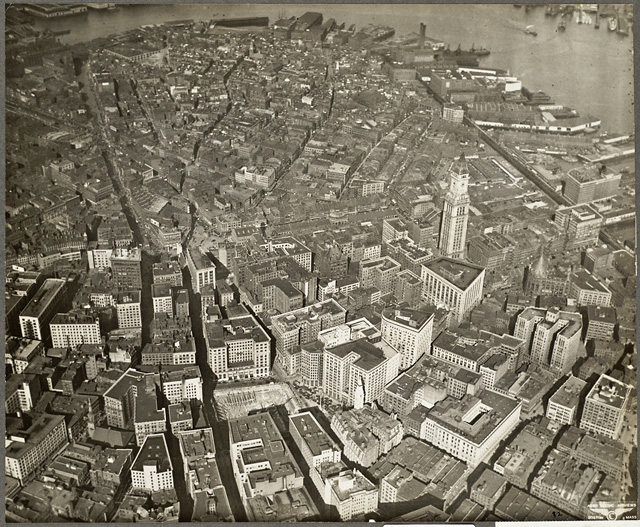
Despite these internal tensions and occasional conflicts with Native American tribes, Boston continued to grow and flourish. Its port became a bustling center of commerce, connecting the colony to England and the wider world. The strong sense of community, the emphasis on education, and the independent spirit fostered by its Puritan founders laid the groundwork for the city’s future prominence. It was this unique combination of religious idealism, economic ambition, and a fiercely independent streak that would eventually position Boston at the forefront of the struggle for American independence more than a century later. The decisions made and the character forged in those early foundational years continue to resonate deeply in the city’s identity.
Boston’s Enduring Legacy: A Historical Travel Guide
Understanding “When Boston Was Founded” is not just an academic exercise; it’s an essential key to unlocking the full potential of a visit to this remarkable city. The Puritan ideals, the early struggles, and the burgeoning independent spirit of its first settlers are palpable in the city’s historical landmarks and its vibrant modern culture. For travelers seeking an immersive experience, Boston offers an unparalleled journey through American history, blending education with exciting exploration.
The foundational story of Boston naturally leads into its role as the Cradle of the American Revolution. The same spirit of self-governance and resistance to external authority that characterized its founding fueled the protests and battles that sparked the revolution. Today, visitors can easily trace this historical lineage, moving seamlessly from the early settlement history to the revolutionary era.
Walking Through History: Essential Boston Landmarks
For those planning to explore Boston’s rich past, the city itself serves as a living museum. Many of the most significant landmarks are connected to its earliest days and the pivotal events that followed:
- Boston Common: Established in 1634, just four years after the city’s founding, this oldest city park in the United States served as a common pasture for cows, a militia training ground, and a site for public punishments. Today, it remains a beloved green space and a starting point for many historical tours.
- King’s Chapel and King’s Chapel Burying Ground: While the current stone church was built later, the site itself is home to Boston’s oldest burying ground, established in 1630. It’s the final resting place for many of the city’s earliest settlers and prominent figures.
- Granary Burying Ground: Another historically significant cemetery, established in 1660, where you can find the graves of John Hancock, Samuel Adams, and the victims of the Boston Massacre.
- Old State House: Built in 1713, this iconic landmark stands as the oldest surviving public building in Boston and was the seat of the colonial government. It played a crucial role in the events leading up to the Revolution.
- Old North Church: Immortalized by Paul Revere’s midnight ride, this is Boston’s oldest standing church building, dating back to 1723. Its architecture and history transport visitors directly into the 18th century.
- Faneuil Hall: Often called the “Cradle of Liberty,” this marketplace and meeting hall, built in 1742, was where colonists debated the issues of the day and planned their resistance against British rule.
These landmarks, among many others, form the backbone of the Freedom Trail, a 2.5-mile red-lined path that guides visitors through 16 historically significant sites. Walking this trail is the quintessential way to experience Boston’s past, offering a tangible connection to the individuals and events that shaped the city and the nation.
Planning Your Historic Boston Getaway
For travelers drawn to Boston’s profound history, planning an itinerary that maximizes historical immersion while also enjoying modern comforts is key.
Accommodation: Boston offers a diverse range of accommodations to suit every lifestyle and budget. For those seeking luxury travel experiences with a historical flair, properties like the Omni Parker House – one of America’s longest continuously operating hotels, dating back to 1855 – offer an elegant stay in the heart of the city, often within walking distance of many Freedom Trail sites. Boutique hotels in charming neighborhoods like Beacon Hill provide a more intimate experience, often in historic buildings. For family trips or long-term stays, numerous apartment rentals and suites offer flexibility and amenities. When booking, consider areas like Downtown, the North End, or Beacon Hill for easy access to the historical core. Comparison websites and reviews can help in finding the perfect spot that balances proximity, amenities, and cost.
Tourism and Experiences: Beyond simply visiting landmarks, Boston tourism excels at bringing history to life. Consider guided tours of the Freedom Trail, often led by costumed guides who provide engaging narratives and insights into the past. Food tours in the North End, Boston’s historic Italian district, offer a taste of local culture and culinary traditions in one of the city’s oldest neighborhoods. River cruises on the Charles River provide unique perspectives of the city skyline and its historical waterfront. Don’t forget to explore the various museums, such as the Museum of Fine Arts or the Boston Tea Party Ships & Museum, which further enrich the historical narrative.
Local Culture and Food: Boston’s distinct local culture is deeply rooted in its past. From its accents to its beloved sports teams, a sense of community and tradition permeates the city. Sampling classic New England fare, such as clam chowder, lobster rolls, and Boston cream pie, is an essential part of the experience. Many historic pubs and taverns, some dating back to the colonial era, offer a chance to literally drink in history.
Whether you’re planning a luxurious historical deep-dive or a budget-friendly family adventure, Boston offers a journey back in time that is both educational and immensely enjoyable. Its founding story, marked by courage, conviction, and challenges, laid the groundwork for a city that continues to inspire and captivate visitors from around the globe, making it a premier destination for anyone eager to explore the foundational chapters of American history. By connecting with “When Boston Was Founded,” travelers gain a profound appreciation for its enduring spirit and its unique place in the world.
LifeOutOfTheBox is a participant in the Amazon Services LLC Associates Program, an affiliate advertising program designed to provide a means for sites to earn advertising fees by advertising and linking to Amazon.com. Amazon, the Amazon logo, AmazonSupply, and the AmazonSupply logo are trademarks of Amazon.com, Inc. or its affiliates. As an Amazon Associate we earn affiliate commissions from qualifying purchases.