
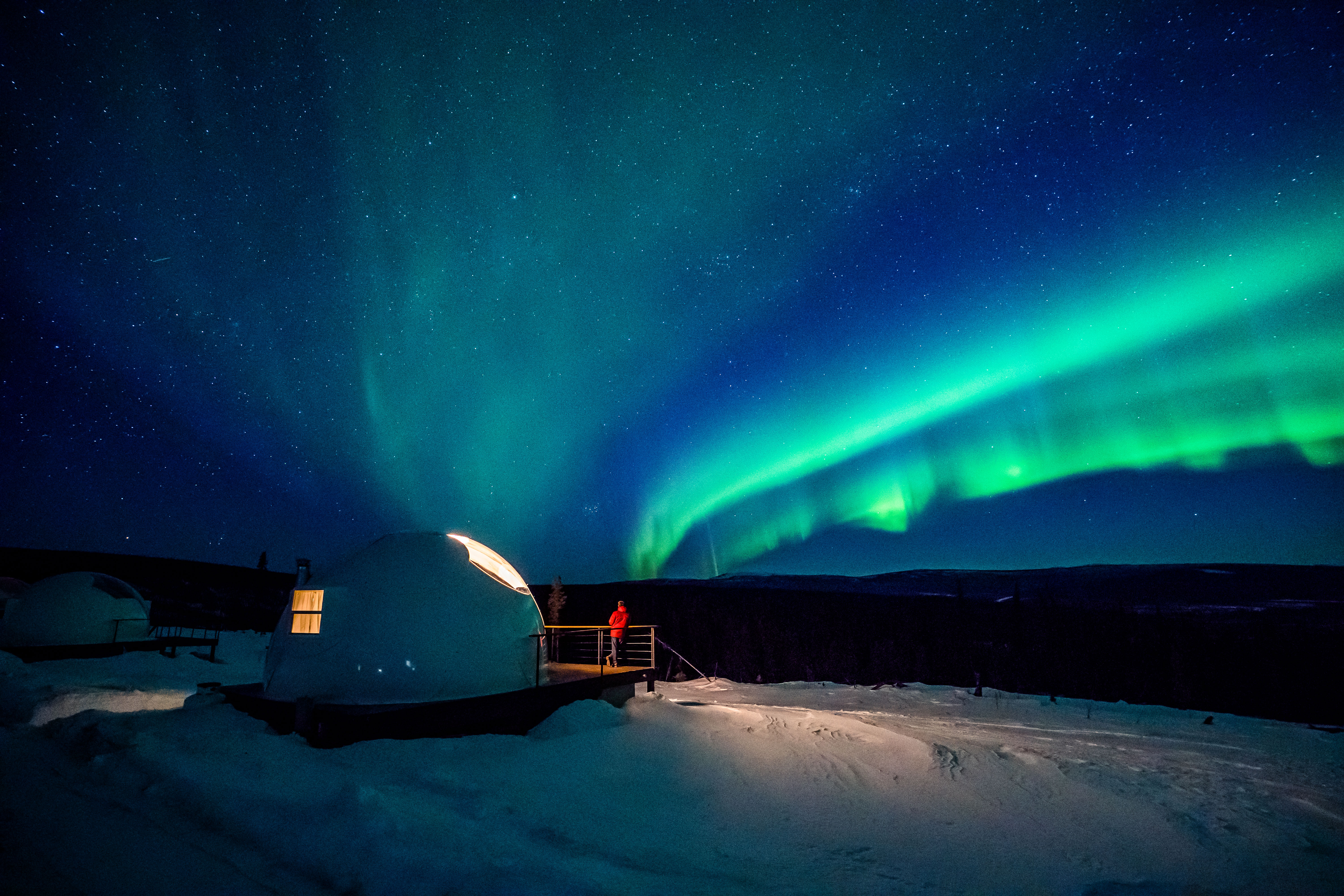
The celestial ballet of the Aurora Borealis, often known as the Northern Lights, is a phenomenon that captures the imagination and fills the heart with wonder. For many intrepid travelers, witnessing this ethereal glow in the wild, pristine expanses of Alaska represents the pinnacle of their travel aspirations. Alaska, with its vast unpolluted skies, northern latitude, and stunning natural beauty, stands as one of the world’s premier destinations for aurora chasing. But when exactly can you increase your chances of seeing this spectacular light show, and how do you plan a trip to maximize your odds? This comprehensive guide delves into the optimal timing, locations, and essential planning tips for your unforgettable Alaskan aurora adventure, weaving in insights on travel, accommodation, local culture, and lifestyle considerations.

The Optimal Time to Witness Alaska’s Aurora
The quest to witness the Northern Lights begins with understanding the ideal conditions for their appearance. While the aurora is always present and active in the Earth’s upper atmosphere, several factors dictate its visibility from the ground. In Alaska, these factors converge to create a prime viewing window that savvy travelers target.
The Prime Season: Autumn and Winter’s Dark Skies
The most crucial element for seeing the Northern Lights is darkness. Alaska, being so far north, experiences extreme variations in daylight hours throughout the year. During the summer months, the phenomenon of the “midnight sun” means that many parts of the state experience 20 hours or more of daylight, making aurora viewing virtually impossible. Therefore, the optimal season for aurora chasing aligns with the periods of extended darkness: late August through mid-April.
Within this broad window, particular months stand out. September is a favorite among many, offering cooler temperatures than summer but not yet the extreme cold of deep winter. The crisp autumn air often brings clear skies, and the changing fall foliage adds an extra layer of beauty to daytime excursions. As winter progresses, the days shorten significantly, especially from October through March, providing the longest stretches of darkness. These months also bring abundant snow, transforming the Alaskan landscape into a winter wonderland, ideal for combining aurora hunting with other snow-based activities like dog mushing, snowmobiling, or cross-country skiing. However, winter also means significantly colder temperatures, which requires careful planning for warmth and safety. April still offers good viewing opportunities, especially earlier in the month, before daylight hours rapidly increase.
Timing Your Visit for Peak Aurora Activity
Beyond the season, timing within your chosen days also plays a vital role. The Northern Lights typically become visible a few hours after sunset and can last until a few hours before sunrise. The peak viewing hours are generally between 10:00 PM and 2:00 AM, local time. However, a strong display can appear at any point during the dark hours. Patience is a virtue when aurora chasing. Many tours and dedicated viewing locations are set up to allow guests to wait comfortably, sometimes for several hours, for the lights to emerge. Staying up late is often a prerequisite, but the reward of witnessing a vibrant green and purple sky is well worth the altered sleep schedule.
Another critical factor is the lunar cycle. While a full moon can beautifully illuminate the snow-covered landscape, it also diminishes the visibility of fainter aurora displays. For the most vivid and intense experiences, planning your trip around the new moon phase, or at least during a quarter moon, will provide the darkest skies and allow the aurora’s full brilliance to shine through.
Understanding the Role of Solar Activity
The Aurora Borealis is caused by charged particles from the sun colliding with gases in Earth’s atmosphere. The intensity and frequency of these collisions are directly related to solar activity. The sun operates on an 11-year solar cycle, with periods of maximum activity (solar maximum) and minimum activity (solar minimum). During a solar maximum, aurora displays tend to be more frequent and powerful. While predicting the exact timing of solar storms is challenging, reputable scientific organizations like the University of Alaska Fairbanks Geophysical Institute provide aurora forecasts that can help travelers gauge the likelihood of a strong display a few days in advance. Keeping an eye on these forecasts as your trip approaches can help you adjust your plans for the best possible experience, and aurora tour operators often rely on them to guide their nightly excursions.
Top Destinations for Aurora Viewing in Alaska
While Alaska offers vast potential for aurora viewing, some locations are undeniably superior due to their geographic position, infrastructure, and dedicated tourism services. Choosing the right base for your aurora hunt is paramount to a successful trip.
Fairbanks: The Aurora Capital
Fairbanks, located in the interior of Alaska at latitude 64° North, proudly holds the title of the “Aurora Capital of Alaska,” and for good reason. Its position beneath the “aurora oval” – a band around Earth’s magnetic poles where auroral activity is most concentrated – combined with its relatively dry climate (leading to more clear nights than coastal regions) makes it an exceptionally reliable spot. Fairbanks boasts an impressive 90% chance of seeing the aurora if you stay for at least three nights during the prime viewing season.
The city is well-equipped for aurora tourism. You’ll find numerous dedicated aurora viewing lodges and resorts just outside the city limits, designed to minimize light pollution. Popular choices include the remote and luxurious Chena Hot Springs Resort (which provides a unique experience of soaking in geothermal waters while watching the lights), or local tour operators who transport guests to heated yurts, cabins, or viewing domes in prime dark-sky locations. Accommodation in Fairbanks ranges from familiar hotel chains like the Holiday Inn Express & Suites Fairbanks to charming independent hotels like Pike’s Waterfront Lodge, and cozy bed & breakfasts that cater to all lifestyle preferences, from budget-conscious travelers to those seeking luxury. Beyond aurora chasing, Fairbanks offers a rich local culture, with attractions like the Museum of the North and opportunities for ice sculpting, dog sledding, and snowmachine tours during the day.
Beyond Fairbanks: Remote and Idyllic Spots
While Fairbanks is the undisputed champion, other Alaskan locales offer incredible, often more remote, aurora experiences.
- Coldfoot & the Dalton Highway: For the truly adventurous, heading north of the Arctic Circle to places like Coldfoot offers an unparalleled wilderness experience. Located hundreds of miles north of Fairbanks along the Dalton Highway, Coldfoot is essentially a truck stop that has become a hub for Arctic Circle aurora tours. The extreme northern latitude and virtually non-existent light pollution promise spectacular views. Accommodation here is rustic but comfortable, primarily at the Coldfoot Camp, catering to those seeking an authentic frontier experience. This journey often includes crossing the Arctic Circle and provides fascinating insights into the Trans-Alaska Pipeline and the rugged Alaskan landscape.
- Denali National Park and Preserve: While its summer fame revolves around Mount Denali and wildlife, Denali National Park transforms into a breathtaking aurora viewing spot in the fall and winter. The park’s vastness and strict light pollution policies ensure incredibly dark skies. While most of the park road is closed to private vehicles in winter, specific lodges outside the park entrance, around Talkeetna, or accessible by snowshoe or ski, offer exceptional opportunities. Staying at a remote wilderness lodge can provide an intimate and serene aurora experience.
- Anchorage: As Alaska’s largest city, Anchorage sits further south than Fairbanks, making aurora visibility less consistent. However, on nights with strong solar activity, the lights can be seen from areas around the city with minimal light pollution. Heading out to nearby mountains like those surrounding Girdwood (home to Alyeska Resort, offering luxury accommodation and ski slopes), or along the scenic Turnagain Arm, can yield impressive results. Anchorage provides a more urban base with diverse accommodation options, from luxury hotels like the Hotel Captain Cook to budget-friendly stays, and offers a wealth of daytime activities including museums like the Anchorage Museum and wildlife viewing at the Alaska Wildlife Conservation Center. It’s a great choice if you’re combining aurora chasing with other adventures on the Kenai Peninsula or other parts of Southcentral Alaska.
- Utqiagvik (Barrow): The northernmost city in the United States, Utqiagvik experiences months of complete darkness during winter, making it an excellent, albeit extremely remote and cold, location for aurora viewing. Accessibility is typically by air, and accommodation is limited but available. This destination is for the truly intrepid traveler seeking an extreme Arctic experience.
Planning Your Stay: Accommodation Choices
Your choice of accommodation is integral to your aurora viewing experience, influencing both comfort and convenience. In prime aurora viewing areas like Fairbanks, you’ll find a range of options:
- Dedicated Aurora Lodges/Resorts: These establishments are specifically designed for aurora tourism. They are often located away from city lights, provide wake-up calls when the aurora appears, and may offer heated viewing areas, photography assistance, and guided tours. Chena Hot Springs Resort is a prime example.
- Hotels and Motels: Cities like Fairbanks and Anchorage offer standard hotel options, from budget-friendly motels to luxury suites. Many cater to tourists and can help arrange aurora tours. Look for hotels slightly outside the main city center to reduce light pollution.
- Cabins and Vacation Rentals: For a more private and immersive experience, renting a cabin or a vacation home can be ideal, especially for families or groups. This allows for flexibility in scheduling your aurora watches and often provides a kitchen for self-catering, which can be a budget-friendly lifestyle choice.
- Camping (Winter Camping): While extreme, dedicated winter campers with the right gear can find incredible, utterly dark-sky experiences. This is strictly for experienced individuals and requires extensive preparation due to the harsh Alaskan winter conditions.
When booking, always inquire about aurora-specific amenities or services. Some hotels in Fairbanks even offer “aurora wake-up calls” for guests who want to be notified when the lights are visible.
Essential Planning Tips for Your Alaskan Aurora Adventure
A trip to Alaska for the Northern Lights is more than just booking a flight; it’s an expedition that requires thoughtful preparation. From staying warm to maximizing your chances of a sighting and enriching your overall travel experience, these tips are crucial.
What to Pack: Staying Warm in the Alaskan Wilderness
Temperatures in inland Alaska during the aurora season can plummet well below freezing, often reaching -20°F (-29°C) or colder. Proper clothing is not just about comfort; it’s about safety. Layering is key.
- Base Layers: Moisture-wicking thermal underwear (wool or synthetic).
- Mid-Layers: Fleece jackets, down vests, wool sweaters for insulation.
- Outer Layers: A heavy-duty, waterproof, and windproof winter parka with a hood, and insulated snow pants. Look for gear rated for extreme cold.
- Extremities:
- Head: A warm hat (balaclava for extreme cold) that covers ears.
- Hands: Layered gloves – thin liners inside thick, insulated mittens.
- Feet: Insulated, waterproof winter boots (rated to at least -20°F / -29°C) with thick wool socks. Bring spares.
- Accessories: Hand warmers and toe warmers, a headlamp with a red light setting (to preserve night vision), sunglasses for daytime glare on snow, and a reusable water bottle (keep it insulated to prevent freezing).
Many tour operators and lodges offer rental gear, which can be a convenient option, especially if you’re not planning regular cold-weather travel. This can be a smart budget travel move, avoiding the upfront cost of expensive gear.
Maximizing Your Chances: Tours, Guides, and Self-Guided Exploration
While it’s possible to self-drive to dark-sky locations, especially if you’re comfortable with winter driving in Alaska, opting for an aurora tour significantly enhances your experience and safety.
- Guided Aurora Tours: These tours typically pick you up from your accommodation, transport you to optimal viewing spots away from light pollution, and often provide heated shelters, hot drinks, and snacks. Guides are knowledgeable about aurora forecasts and local conditions, increasing your chances of a sighting. Many offer photography assistance. This is often the best option for first-time visitors or those without winter driving experience.
- Aurora Lodges and Resorts: As mentioned, places like Chena Hot Springs Resort offer on-site viewing opportunities, reducing the need for nightly travel. This can be a more relaxing experience, blending accommodation with the aurora hunt.
- Self-Guided Exploration: If you have an appropriate vehicle (four-wheel drive is highly recommended), winter driving experience, and are comfortable navigating in the dark, you can explore public lands or designated viewing areas. Always inform someone of your plans, carry emergency supplies, and check road conditions. Good spots near Fairbanks include the Ester Dome area or points along the Steese Highway.
Beyond the Lights: Daytime Activities and Local Culture
An aurora trip to Alaska isn’t just about waiting for nightfall. The state offers a wealth of daytime activities and a rich local culture to explore, turning your trip into a comprehensive Alaskan adventure.
- Winter Sports: Dog sledding, snowmobiling (snowmachining), cross-country skiing, and ice skating are popular activities, especially in Fairbanks and around Anchorage and Girdwood. The Alyeska Resort in Girdwood offers world-class skiing and snowboarding.
- Cultural Experiences: Visit museums like the Anchorage Museum or the University of Alaska Museum of the North in Fairbanks to learn about Alaskan history, native cultures, and wildlife. Attend local festivals if your timing aligns.
- Wildlife Viewing: While many animals hibernate, you might spot moose, caribou, or even wolves. The Alaska Wildlife Conservation Center near Anchorage offers guaranteed sightings of rescued Alaskan wildlife.
- Hot Springs: A visit to Chena Hot Springs Resort is an iconic Alaskan experience, offering a chance to soak in mineral-rich waters surrounded by snow, and even explore the Aurora Ice Museum.
- Local Food and Drink: Sample Alaskan cuisine, including fresh seafood, reindeer sausage, and locally brewed beers. Many towns have vibrant culinary scenes reflecting their unique culture.
Integrating these daytime activities enriches your tourism experience and ensures that your trip is memorable even if the aurora plays shy on one or two nights.
Creating Your Ideal Aurora Viewing Experience
Crafting the perfect aurora trip involves balancing your travel style, budget, and desired level of adventure. Alaska caters to a wide spectrum of travelers, from those seeking opulent luxury to hardy adventurers on a shoestring.
Luxury vs. Budget: Tailoring Your Trip
Your lifestyle and budget will significantly shape your Alaskan aurora experience.
- Luxury Travel: This might involve staying at high-end resorts like the Alyeska Resort in Girdwood or the Hotel Captain Cook in Anchorage, taking private aurora tours, chartering small planes to remote lodges, or enjoying gourmet dining. Expect seamless experiences, top-tier amenities, and personalized services.
- Mid-Range Travel: This category offers excellent value. You might stay at comfortable hotels like Pike’s Waterfront Lodge in Fairbanks, book reputable group aurora tours, and balance organized excursions with some self-guided exploration. Accommodation could include well-rated bed & breakfasts or vacation rentals.
- Budget Travel: For the frugal adventurer, options include staying at hostels, more basic motels, or renting cabins with kitchenettes to save on food costs. Self-driving to viewing spots (with proper preparation), packing your own warm gear, and focusing on free daytime activities can keep costs down. Look for packages that bundle accommodation and a few key tours.
Regardless of your budget, focusing on experiences like dog sledding, visiting hot springs, and immersing yourself in local culture will add immense value to your trip.
Family-Friendly Aurora Chasing
Traveling with children requires special considerations, especially in cold environments. Alaska can be a fantastic family destination, but planning is key.
- Warmth is Paramount: Ensure all family members, especially younger children, have appropriate cold-weather gear. Consider rental options.
- Shorter Excursions: Opt for aurora tours that offer comfortable, heated viewing spaces or allow for shorter outdoor stints. Kids may not have the patience for hours of waiting in extreme cold.
- Daytime Activities: Plan plenty of engaging daytime activities to keep children entertained and break up the late nights. Dog sledding, visiting ice museums, or exploring local playgrounds are great options.
- Kid-Friendly Accommodation: Look for hotels with pools, family suites, or vacation rentals with separate bedrooms and living spaces.
Many aurora tour operators cater to families, offering options that balance the desire to see the lights with the comfort and needs of children.
Capturing the Magic: Photography Tips
For many, capturing the Northern Lights on camera is as important as seeing them with the naked eye. While the human eye perceives the aurora in subtle greens and grays, long-exposure photography can reveal vibrant colors and intricate details.
- Equipment: A DSLR or mirrorless camera with manual settings, a wide-angle lens (f/2.8 or wider is ideal), a sturdy tripod, and extra batteries (cold drains them quickly). A remote shutter release is also helpful.
- Settings:
- Manual Mode: Essential for control.
- ISO: Start around 800-3200 (adjust based on light intensity).
- Aperture: Set to widest (lowest f-number, e.g., f/2.8).
- Shutter Speed: 5-20 seconds (shorter for faster-moving aurora, longer for faint, slow-moving displays).
- Focus: Manual focus set to infinity.
- Practice: Familiarize yourself with your camera settings before you go out in the dark and cold.
- Patience: Like seeing the lights, capturing them is a game of patience and experimentation. Don’t be afraid to adjust your settings and take many shots.
Many aurora tours include photography guides who can offer invaluable assistance and tips on site, helping you capture stunning images of this unforgettable natural wonder.
In conclusion, seeing the Northern Lights in Alaska is an extraordinary travel experience that requires careful planning but promises immense rewards. By understanding the prime viewing season, choosing the right destination, preparing for the cold, and embracing both the nocturnal spectacle and the daytime wonders of this incredible state, you can ensure your Alaskan aurora adventure is truly once-in-a-lifetime.