
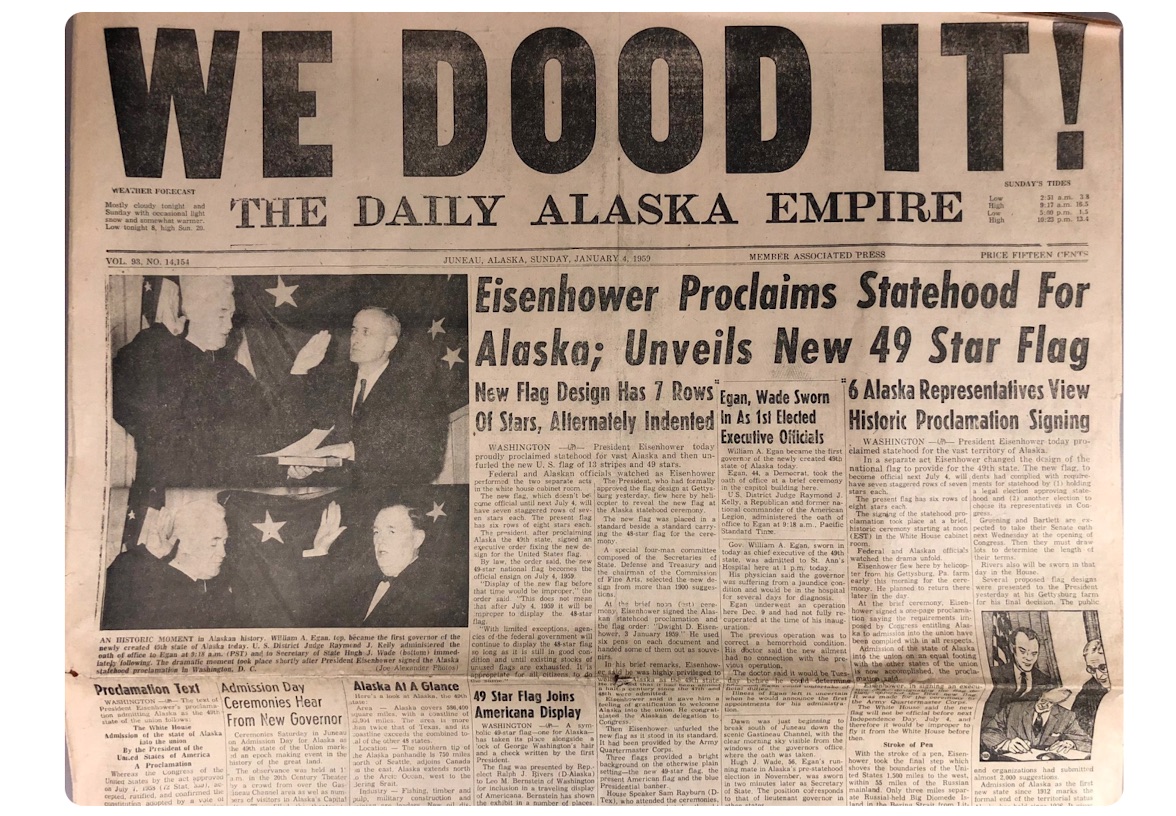
Alaska, often hailed as “The Last Frontier,” captivates the imagination with its vast wilderness, breathtaking landscapes, and a rich history that sets it apart from any other region in the United States. Its journey to statehood is a compelling narrative, spanning decades of political maneuvering, economic development, and cultural evolution. Far from being a mere footnote in American history, Alaska’s integration into the Union on January 3, 1959, marked a pivotal moment for both the territory and the nation, profoundly impacting its destiny and shaping its identity as a premier destination for adventurous travelers and a land of unparalleled natural beauty. Understanding this historical progression not only enriches one’s appreciation for the 49th state but also sheds light on the unique experiences awaiting those who venture to its shores, mountains, and glaciers.
The Long Road to American Ownership: From Russian Claim to US Territory
The story of Alaska’s statehood truly begins long before it ever became an American territory. For centuries, this expansive land was home to numerous indigenous peoples, including the Inuit, Yup’ik, Aleut, and various Athabaskan groups, who thrived in its challenging environment, developing sophisticated cultures and deep connections to the land.
Russian Alaska: A Fur Trading Empire
European contact with Alaska began in the early 18th century with Russian explorers. By the late 18th century, the Russian Empire had established a significant presence, primarily driven by the lucrative fur trade, especially for sea otter pelts. Settlements such as Sitka, which served as the capital of Russian America, became vital trading posts. This era left an indelible mark on Alaska, evident today in the stunning Saint Michael’s Cathedral in Sitka, an iconic Russian Orthodox landmark that attracts visitors interested in history and architecture. Travelers can explore the remnants of this period, gaining insight into the early European influences that shaped this remote land.
Seward’s Folly: The Purchase of Alaska
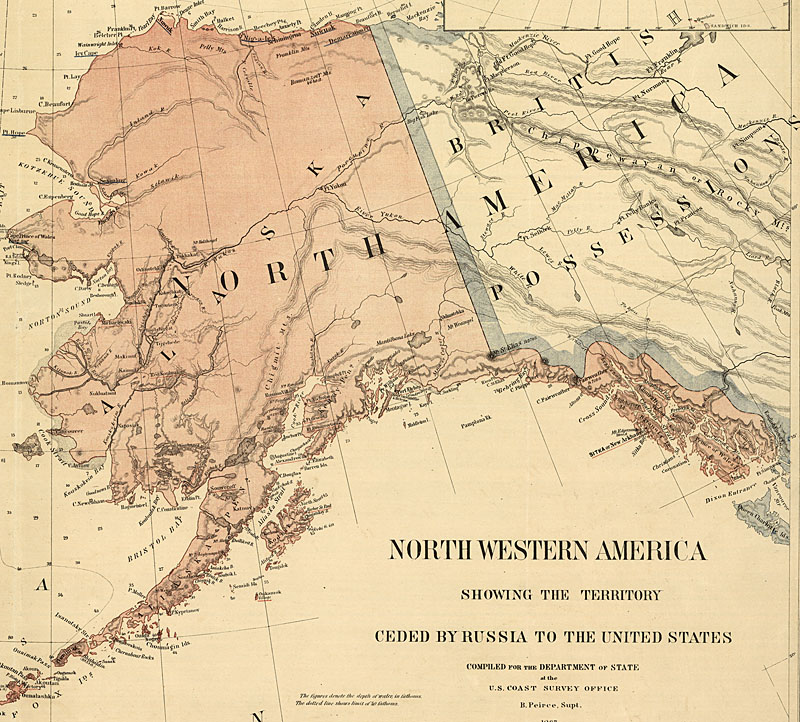
By the mid-19th century, the Russian Empire found its Alaskan holdings increasingly difficult and expensive to maintain, especially after its defeat in the Crimean War. Sensing an opportunity, United States Secretary of State William H. Seward negotiated the purchase of Alaska from Russia for $7.2 million in 1867. At the time, this acquisition was widely mocked as “Seward’s Folly” or “Seward’s Icebox” by many Americans who saw no value in the vast, icy wilderness. Little did they know, this transaction would prove to be one of the greatest bargains in history, securing an enormous territory rich in natural resources and strategic importance.
For over a decade after the purchase, Alaska remained largely unorganized, often administered by various federal departments with limited oversight. It wasn’t until 1884 that Congress passed the First Organic Act, providing a civil government for Alaska and designating it as a district. This initial step towards formal governance was crucial, paving the way for future administrative structures that would eventually lead to territorial status. Today, visitors can still explore historical sites that harken back to these early days of American ownership, gaining a deeper understanding of the challenges and opportunities faced by the pioneering settlers.
The Spark of Development: Gold, Growth, and Governance
While “Seward’s Folly” initially appeared to be a poor investment, the true value of Alaska began to unfold with a series of transformative discoveries and events that dramatically increased its population and economic significance.
The Klondike Gold Rush and Population Boom
The late 19th and early 20th centuries witnessed the pivotal Klondike Gold Rush and other subsequent gold strikes across Alaska. The discovery of gold in the Yukon Territory of Canada in 1896, and later in places like Nome and Fairbanks within Alaska, triggered a massive influx of prospectors and adventurers from around the world. These hardy individuals, driven by dreams of instant wealth, braved treacherous conditions to reach the remote goldfields. This period profoundly impacted Alaska’s development, leading to the rapid growth of new towns, the establishment of transportation networks like the White Pass and Yukon Route railway – a thrilling historical experience still enjoyed by tourists today – and a dramatic increase in its non-indigenous population.
This boom highlighted the need for more structured governance and improved infrastructure. The burgeoning communities, far from the established states, began to demand more local control and representation. For travelers, remnants of the Gold Rush era are fascinating attractions, from museums detailing the lives of prospectors to preserved ghost towns that tell tales of boom and bust. Fairbanks, for instance, offers a rich array of historical sites and activities, making it an excellent destination for those seeking a blend of history and adventure, with accommodation options ranging from cozy lodges to modern hotels.
Achieving Territorial Status: A Step Towards Self-Governance
Recognizing the growing population and economic activity, the United States Congress passed the Second Organic Act in 1912, officially establishing Alaska as an organized incorporated territory. This was a significant milestone, granting Alaskans their own territorial legislature and a non-voting delegate to Congress. While still under federal oversight, this new status allowed for greater self-governance and gave Alaskans a stronger voice in their own affairs. The territorial capital was eventually moved from Sitka to Juneau, where the beautiful Alaska State Capitol Building now stands, a prominent landmark reflecting the state’s legislative history. Visitors to Juneau can explore this architectural and political hub, alongside natural attractions like the Mendenhall Glacier, combining civic interest with natural wonders.

This period also saw the development of critical industries beyond gold, including fishing, canning, and timber, further diversifying Alaska’s economy. The territory began to assert its unique identity, laying the groundwork for the more ambitious goal of full statehood.
The Push for Statehood: Wartime Significance and Political Will
The mid-20th century brought new challenges and opportunities for Alaska, propelling the statehood movement with renewed vigor. The territory’s strategic location became undeniably clear during World War II.
World War II and Strategic Importance
During World War II, Alaska served as a vital defense outpost for the United States. The Japanese invasion of the Aleutian Islands in 1942, particularly the occupation of Kiska and Attu, underscored Alaska’s critical geopolitical position. Thousands of American troops were stationed in the territory, and extensive military infrastructure, including the Alaska Highway, was rapidly constructed to connect Alaska with the contiguous United States. This wartime effort brought significant federal investment, spurred further population growth, and exposed many Americans to the vast potential and challenges of the territory.
The war also solidified the argument for statehood. Alaskans felt that as a strategically important region contributing significantly to national defense, they deserved full representation in Congress and the ability to make their own decisions. The sacrifices made during the war strengthened their resolve to gain equal footing with other states. For history enthusiasts, visiting the Aleutian Islands offers a poignant glimpse into these wartime events, though access can be challenging. More accessible options include military museums and historical sites in Anchorage and Fairbanks, showcasing Alaska’s role in global conflicts.
The Statehood Movement Gains Momentum
Following World War II, the statehood movement intensified. Key figures like Ernest Gruening, a former territorial governor, became powerful advocates, tirelessly campaigning for Alaska’s admission to the Union. Proponents argued that statehood would bring economic benefits, allow for better management of Alaska’s vast resources, and grant its citizens full democratic rights.
However, the path was not without obstacles. Southern states in Congress, fearing the addition of two new senators who might oppose their views on civil rights, often obstructed statehood efforts for both Alaska and Hawaii. There were also concerns about Alaska’s sparse population, its economic viability, and its sheer size, which some viewed as ungovernable. Despite these challenges, the unwavering determination of Alaskan leaders and the increasing national recognition of Alaska’s strategic and economic potential gradually shifted public and political opinion.
The Alaska Constitutional Convention in 1955-1956, held at the University of Alaska Fairbanks, was a pivotal event. Delegates drafted a modern, progressive constitution, demonstrating Alaskans’ readiness for self-governance. This document, ratified by the people of Alaska, became a powerful tool in convincing Congress of their preparedness for statehood. For those planning a visit to Fairbanks, the University of Alaska Fairbanks campus is a significant landmark, embodying educational and historical importance in the state’s journey.
The Day Alaska Joined the Union: January 3, 1959
The culmination of decades of advocacy, development, and strategic importance arrived in the late 1950s.
After years of debate and lobbying, the United States Congress finally passed the Alaska Statehood Act in 1958. President Dwight D. Eisenhower signed the act into law on July 7, 1958, officially clearing the way for Alaska to become the 49th state. This legislative triumph was met with widespread celebration across the territory.
Proclamation Day: A New Era Begins
On January 3, 1959, President Eisenhower issued Presidential Proclamation 3269, formally admitting Alaska as the 49th state of the United States. This momentous occasion was celebrated with immense pride and jubilation throughout Alaska’s communities. Flags were raised, parades were held, and the promise of a new era of self-determination and prosperity filled the air. This date marked not only the political integration of Alaska but also the full recognition of its unique landscape, diverse cultures, and valuable resources within the national framework.
The immediate impact of statehood was significant. Alaskans gained full voting rights in federal elections, two senators, and one representative in Congress, giving them a powerful voice in national affairs. Statehood also brought increased federal funding for infrastructure and development, fostering growth in industries like oil, gas, and tourism.
Alaska Today: A State of Unparalleled Beauty and Opportunity
Since achieving statehood, Alaska has continued to evolve, solidifying its place as a crucial economic engine and an iconic travel destination. The discovery of vast oil reserves at Prudhoe Bay in 1968, and the subsequent construction of the Trans-Alaska Pipeline System, dramatically transformed the state’s economy, leading to sustained growth and the establishment of the Alaska Permanent Fund.
A Premier Travel Destination
Today, Alaska’s statehood history and its natural wonders are inextricably linked to its appeal as a global travel destination. Visitors from around the world flock to experience its majestic landscapes, diverse wildlife, and vibrant cultural heritage.
- Natural Landmarks and Attractions: From the towering peak of Denali (formerly Mount McKinley) in Denali National Park and Preserve to the icy expanse of Glacier Bay National Park, Alaska offers unparalleled natural beauty. These national parks provide incredible opportunities for hiking, wildlife viewing (bears, moose, caribou, whales), and photography. Many tour operators offer guided excursions, ensuring a safe and enriching experience for all.
- Cities and Culture: Anchorage, the largest city, serves as a gateway to many adventures, offering a range of hotels, from luxury resorts to budget-friendly suites, along with cultural attractions like the Alaska Native Heritage Center. Juneau, the capital, blends urban charm with wilderness access, providing unique accommodations and culinary experiences. Skagway and Ketchikan, popular cruise ship destinations, are rich in Gold Rush history and indigenous art, offering immersive cultural tourism.
- Unique Experiences: Alaska provides a diverse range of experiences for every lifestyle. Luxury travelers can enjoy exclusive wilderness lodges, private helicopter tours over glaciers, or premium cruises through the Inside Passage. Budget travelers can find comfortable apartments or camping grounds, exploring the state’s beauty through self-guided tours and outdoor activities. Family trips often focus on wildlife viewing, fishing charters, or dog sledding adventures, while business stays in Anchorage or Fairbanks benefit from modern amenities and conference facilities.
- Accommodation Variety: Whether seeking a rustic cabin under the northern lights, a five-star hotel with views of Cook Inlet, or a charming bed and breakfast in a historic town, Alaska provides a vast array of accommodation options. Booking platforms often feature detailed reviews and comparison tools to help travelers find the perfect stay, from short-term luxury suites to longer-term apartment rentals.
The journey of Alaska from “Seward’s Folly” to the 49th state of the USA is a testament to its enduring appeal and strategic importance. Its formal admission into the Union on January 3, 1959, unlocked its vast potential, allowing its people to shape its future and share its incredible wonders with the world. For anyone seeking adventure, natural splendor, or a glimpse into a truly unique American story, Alaska stands as an unrivaled destination, forever embodying the spirit of “The Last Frontier.”
LifeOutOfTheBox is a participant in the Amazon Services LLC Associates Program, an affiliate advertising program designed to provide a means for sites to earn advertising fees by advertising and linking to Amazon.com. Amazon, the Amazon logo, AmazonSupply, and the AmazonSupply logo are trademarks of Amazon.com, Inc. or its affiliates. As an Amazon Associate we earn affiliate commissions from qualifying purchases.