
The vast, wild, and breathtaking expanse known as Alaska officially joined the United States as its 49th state on January 3, 1959. This landmark event marked the culmination of a long and fascinating journey, transforming a remote frontier into a strategic and resource-rich part of the American fabric. For travelers, history buffs, and adventure seekers alike, understanding Alaska’s path to statehood adds a profound layer of appreciation for this truly unique destination, which beautifully blends a rugged past with unparalleled natural beauty and a vibrant modern lifestyle.
A Land Acquired: From Russian Fur Trade to American Frontier
To truly grasp the significance of Alaska’s statehood, one must journey back to its origins as a territory under foreign rule. For centuries, the indigenous peoples thrived across this immense land, developing rich cultures adapted to its diverse environments. However, European contact began in the 18th century, primarily with Russian explorers and fur traders. By the late 18th and early 19th centuries, the Russian Empire had established a presence, primarily focused on the lucrative fur trade, particularly for sea otter pelts. Settlements like Sitka became key administrative and commercial centers for what was known as Russian America.
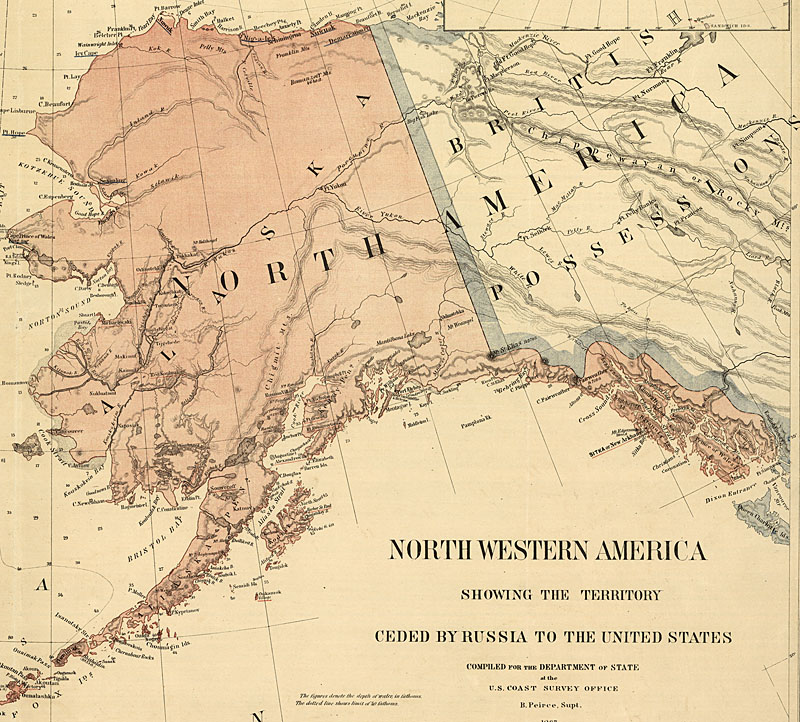
However, by the mid-19th century, Russia found its Alaskan holdings increasingly difficult and expensive to maintain, especially given the distance from the Russian heartland and the logistical challenges of governing such a remote territory. The Crimean War had also drained Russian coffers, making the prospect of selling Alaska more appealing.
Enter the United States and its then-Secretary of State, William H. Seward. A staunch expansionist, Seward envisioned a continental America stretching from coast to coast and beyond. He saw immense potential in Alaska, despite the prevalent view among many Americans at the time that it was nothing more than an icy wasteland. After intense negotiations, a treaty was signed in March 1867, and the purchase was finalized on October 18, 1867. For a mere $7.2 million—roughly two cents an acre—the United States acquired approximately 586,412 square miles of land, doubling the size of the country at the time. This transaction was famously, and often derisively, referred to as “Seward’s Folly” or “Seward’s Icebox” by critics who questioned the wisdom of buying what they believed to be a barren, frozen expanse. President Andrew Johnson’s administration supported the purchase, but it took significant persuasion to get the U.S. Congress to ratify the treaty and appropriate the funds.
For decades after the purchase, Alaska remained largely undeveloped and sparsely populated by non-natives. It was administered first by the military, then by the Treasury Department, and finally as a district before becoming an organized territory in 1912. The discovery of gold in the late 19th century, particularly the Klondike Gold Rush of 1896, dramatically changed Alaska’s trajectory. Thousands of prospectors flocked to the region, creating boomtowns like Skagway and Nome, and laying the groundwork for more permanent settlements and infrastructure. This era not only brought a surge of population but also highlighted the immense, untapped resources that Alaska held, from minerals to fisheries. The gold rush also spurred the development of transport links, such as the famous White Pass and Yukon Route Railway, which still operates today as a scenic tourist attraction, giving travelers a glimpse into this arduous past.
The Road to Statehood: From Territory to the 49th Star
The path from an organized territory to a full-fledged state was not immediate or easy. Despite its strategic importance and burgeoning resources, Alaska faced numerous hurdles. Its vast size, sparse population, and perceived remoteness made many in the continental United States hesitant to grant it statehood. However, several key factors propelled the movement forward:
- World War II: The attack on Pearl Harbor and the subsequent Japanese invasion of the Aleutian Islands dramatically underscored Alaska’s strategic military importance. The construction of the Alaska Highway, designed to connect Alaska with the lower 48 states for military purposes, brought unprecedented infrastructure development and a greater awareness of the territory’s role in national defense. Thousands of service members were stationed in Alaska, and many chose to stay, boosting the population and increasing demand for local governance.
- Resource Development: Beyond gold, the mid-20th century saw the growth of other vital industries, particularly oil and natural gas, which promised substantial economic benefits. The development of major oil fields, especially the discovery of significant reserves on the North Slope in the late 1960s, years after statehood, solidified Alaska’s economic viability and its immense contribution to the national economy.
- Advocacy and Leadership: Strong local leaders and dedicated citizens passionately campaigned for statehood, arguing that Alaskans deserved full representation in Congress and the ability to manage their own affairs, including their vast resources. They pointed to the disparity between the taxes Alaskans paid and the limited control they had over their own destiny.
- The “Tennessee Plan”: Faced with congressional inaction, Alaskan leaders adopted an ingenious strategy known as the “Tennessee Plan” (after a similar approach used by Tennessee to gain statehood). In 1955, they drafted a state constitution, elected a provisional congressional delegation, and sent them to Washington D.C. to demand recognition. This bold move captured national attention and put immense pressure on Congress.
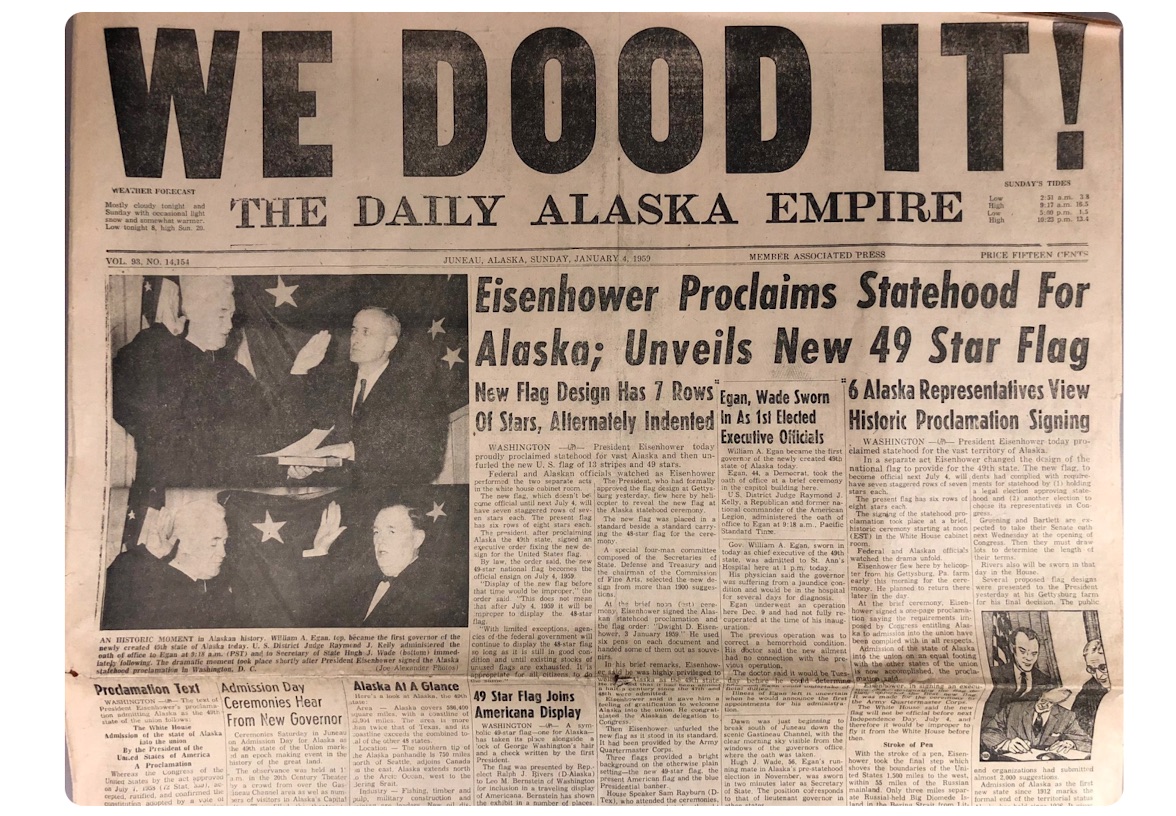
Finally, after years of debate and political maneuvering, President Dwight D. Eisenhower signed the Alaska Statehood Act into law on July 7, 1958. This act formally invited Alaska to join the Union. Following a referendum where Alaskans overwhelmingly voted in favor of statehood, President Eisenhower issued Proclamation 3269 on January 3, 1959, officially declaring Alaska the 49th state. The hoisting of the new 49-star flag, which would soon be replaced by a 50-star flag when Hawaii achieved statehood later that year, was a moment of immense pride and celebration across the Last Frontier.

Modern Alaska: A Premier Destination for Travel and Lifestyle
Today, Alaska is not just a strategic outpost but a world-renowned destination offering unparalleled travel experiences, a distinct lifestyle, and a deep connection to nature. Its unique blend of rugged wilderness, vibrant cities, and rich cultural heritage makes it a bucket-list destination for many.
Exploring Alaska’s Natural Wonders and Landmarks
From the moment one sets foot in Alaska, the sheer scale and raw beauty of its landscape are immediately apparent. It is home to some of the most iconic natural landmarks in the world:
- Denali National Park and Preserve: Home to Mount Denali, North America’s highest peak, this park is a sanctuary for wildlife like grizzly bears, wolves, moose, and caribou. Visitors can explore vast tundras, taiga forests, and glaciers, often catching sight of the majestic peak on clear days.
- Glacier Bay National Park and Preserve: A UNESCO World Heritage Site, Glacier Bay is famous for its actively calving tidewater glaciers, marine wildlife such as humpback whales and seals, and pristine wilderness accessible primarily by boat or cruise.
- Kenai Fjords National Park: Located near Seward, this park showcases dramatic fjords, expansive icefields, and an abundance of marine life, making it a prime spot for boat tours and kayaking.
- The Inside Passage: A stunning coastal route winding through thousands of islands, glaciers, and rainforests, the Inside Passage is a popular cruise destination, connecting charming towns like Ketchikan, Juneau, and Sitka, each offering unique cultural experiences and historical insights.
- The Northern Lights (Aurora Borealis): During the long, dark winter months, especially in the interior city of Fairbanks, the aurora borealis paints the night sky with ethereal greens, purples, and reds, drawing visitors from across the globe for this mesmerizing natural phenomenon.
Alaska Travel and Tourism: Experiences Beyond Compare
Alaska’s tourism industry thrives on its promise of adventure and unparalleled natural beauty. Whether seeking an adrenaline rush or a peaceful communion with nature, there’s an experience for every traveler:
- Cruising: The most popular way to experience the coastal beauty, cruising offers comfortable accommodation while exploring glaciers, wildlife, and charming port towns.
- Wildlife Viewing: From bear viewing excursions in Katmai National Park to whale watching in Resurrection Bay, Alaska is a haven for wildlife photographers and enthusiasts.
- Outdoor Adventures: Hiking, kayaking, fishing (especially for salmon and halibut), dog sledding, glacier trekking, and flightseeing tours are all incredibly popular activities, allowing visitors to immerse themselves fully in the Alaskan wilderness.
- Cultural Immersion: Discovering the rich heritage of Alaska Native cultures through museums, cultural centers, and traditional performances offers a deep understanding of the land’s original inhabitants. Places like the Alaska Native Heritage Center in Anchorage provide invaluable insights.
- Unique Events: The Iditarod Trail Sled Dog Race, starting near Anchorage, is a world-famous event showcasing the state’s pioneering spirit and the enduring tradition of mushing.
Accommodation and Lifestyle in the Last Frontier
Despite its wild image, Alaska offers a wide range of accommodation options to suit every travel style and lifestyle. From luxurious wilderness resorts and boutique hotels in its major cities to cozy cabins and remote lodges, travelers can find the perfect base for their adventures. Major cities like Anchorage, the state’s largest city, and Juneau, the capital, boast a variety of modern amenities, dining, and shopping, serving as excellent hubs for exploring surrounding areas. For instance, Anchorage offers options from the historic Hotel Captain Cook to contemporary suites, while smaller towns provide quaint inns and guesthouses reflective of local charm.
The Alaskan lifestyle is distinctive, shaped by its environment and history. It’s a blend of rugged individualism, community spirit, and a deep respect for nature. Many residents embrace outdoor activities year-round, from fishing and hunting in the summer to skiing and snowmachining in the winter. Sustainable living and a connection to the land are often central tenets of life here. For those considering a long-term stay or even moving to Alaska, the unique challenges and rewards offer a truly different way of life compared to the lower 48.
Whether one is tracing the footsteps of gold rush prospectors, witnessing glaciers calve into the sea, or simply enjoying the tranquil beauty of its vast wilderness, Alaska continues to captivate. Its journey from a distant purchase to the 49th state on January 3, 1959, is a testament to its enduring appeal and strategic importance, making it a compelling destination for anyone seeking adventure, history, and natural grandeur.