
California, often referred to as the Golden State, is a mosaic of stunning landscapes, cutting-edge innovation, and diverse culture. From the iconic Golden Gate Bridge stretching across San Francisco Bay to the sun-drenched beaches of Southern California and the serene deserts of Death Valley, this state offers an unparalleled array of experiences for every traveler. But beyond its modern allure, California boasts a rich and complex history—a narrative of exploration, conflict, discovery, and ultimately, statehood. To truly appreciate the California of today, one must journey back in time to understand the pivotal moment it solidified its place in the United States. So, when did California officially join the Union? The answer is September 9, 1850. This date marks a profound turning point, not just for California, but for the entire nation, shaping its identity as a global destination and a trendsetter in lifestyle.
A Journey Through Time: California’s Pre-Statehood Eras
Before becoming a state, the land known as California was home to a vibrant tapestry of indigenous peoples. These diverse groups, including the Kumeyaay in the south, the Chumash along the central coast, and the Maidu in the Sierra Nevada foothills, thrived for thousands of years, developing complex societies and sustainable practices that are still part of the state’s heritage. Their stories are increasingly shared in museums and cultural centers, offering profound insights for those seeking authentic local culture and an understanding of California’s true ancient roots.
Spanish Missions and Colonial Influence
The late 18th century saw the arrival of the Spanish Empire, eager to expand its territories and establish a presence in Alta California. Led by Gaspar de Portolá and the Franciscan friar Father Junípero Serra, a chain of 21 missions was established between 1769 and 1823, stretching from San Diego to Sonoma. These missions, alongside presidios (forts) and pueblos (towns), formed the backbone of Spanish control. While introducing European influence, the mission system also profoundly impacted indigenous populations through forced labor, disease, and the suppression of native cultures.
Today, many of these missions stand as poignant historical landmarks, offering visitors a glimpse into this complex period. Sites like Mission San Juan Capistrano and Mission Santa Barbara are popular attractions, providing educational programs that explore both their architectural beauty and challenging history. They are essential stops for anyone interested in the layered cultural tourism experiences California offers.
Mexican Rule and the Alta California Period
Following Mexico’s independence from Spain in 1821, Alta California became its northernmost province. The Mexican government secularized the missions, transforming much of the land into vast ranchos granted to prominent families. This “rancho era” fostered a distinct Californio culture, characterized by large cattle herds, hide-and-tallow trade, and a blend of indigenous, Spanish, and Mexican influences. Towns such as Los Angeles, San Diego, and Monterey began to grow, albeit slowly.
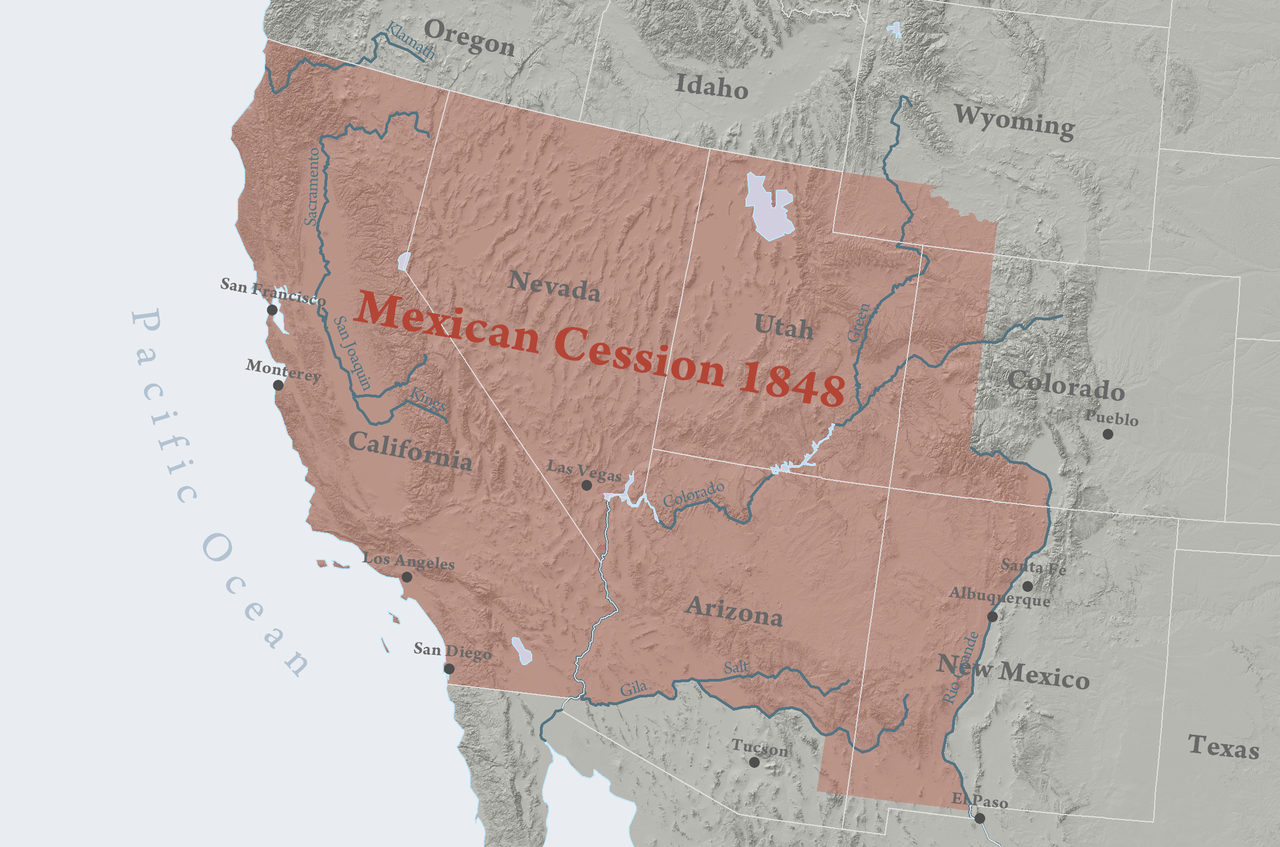
American trappers, traders, and settlers increasingly ventured into California, drawn by its fertile lands and strategic Pacific coastline. This growing American presence, coupled with Mexico’s internal struggles, culminated in the Mexican-American War (1846-1848). The Treaty of Guadalupe Hidalgo in February 1848 formally ceded California to the United States. Exploring old town areas in cities like San Diego and Los Angeles today allows visitors to experience the remnants of this vibrant rancho era, where historic accommodation options and cultural festivals celebrate this pivotal transition.
The Spark of Transformation: The California Gold Rush
Just as California was adapting to American rule, an event of monumental significance would dramatically accelerate its path to statehood: the California Gold Rush. This sudden eruption of opportunity ignited an unprecedented wave of migration, transforming a sparsely populated frontier into a bustling, diverse, and rapidly developing region. The Gold Rush was more than an economic phenomenon; it was a societal earthquake that reshaped landscapes, demographics, and the very concept of the American Dream, laying the foundation for California’s future as a land of innovation and unique lifestyles.
Sutter’s Mill and the Discovery that Changed Everything
The fateful discovery occurred on January 24, 1848, when James W. Marshall, a foreman working for Swiss pioneer John Sutter, found flakes of gold in the American River at Sutter’s Mill near present-day Coloma. Despite initial attempts to keep the find secret to protect Sutter’s agricultural empire, news of “gold in them thar hills” quickly spread. By the end of 1848, word had reached the United States East Coast and beyond, triggering a global frenzy.
The original site of Sutter’s Mill is now preserved as part of the Marshall Gold Discovery State Historic Park. Here, visitors can explore a replica of the mill, pan for gold, and learn about the lives of early prospectors. It’s an exceptional example of how California’s historical sites provide immersive travel experiences, allowing tourists to connect directly with the events that forged the state.
A Flood of Dreams: The Forty-Niners and Mass Migration
The year 1849 witnessed an enormous influx of people—the “Forty-Niners”—flocking to California from across the United States and the globe. These diverse individuals undertook perilous journeys by land or sea, driven by dreams of instant wealth. Cities like San Francisco, formerly the sleepy hamlet of Yerba Buena, exploded overnight, transforming into a bustling port and supply hub. Sacramento, strategically located at the confluence of the American River and Sacramento River, also boomed as a crucial staging point for miners heading to the goldfields.
This rapid population growth, however, brought significant challenges. A severe lack of established laws, governance, and infrastructure led to widespread lawlessness, disputes over mining claims, and social instability. The urgent need for a stable civil government became undeniable. The Gold Rush population surge thus became the primary catalyst propelling California towards formal statehood, demanding order and representation that could no longer be ignored by Washington D.C.. Historic towns such as Columbia State Historic Park and Old Sacramento State Historic Park offer immersive travel guides to experience this era firsthand, with many featuring charming boutique hotels that blend historical charm with modern comfort.
The Road to Union: California’s Path to Statehood
The chaotic yet exhilarating environment of the Gold Rush made the establishment of formal governance and an organized legal framework paramount. With a burgeoning population and a vast territory lacking proper administration, California was ripe for self-determination. Its journey from a U.S. territory to a full-fledged state was remarkably swift, fueled by the urgent demands of its new residents and complicated by the contentious national issue of slavery. This dramatic political saga highlights the unique circumstances surrounding California’s admission, a testament to its singular influence on American history.
From Territory to Convention: Shaping a New Government
After the Treaty of Guadalupe Hidalgo officially transferred California to the United States in February 1848, the territory operated under a temporary military government. The gold discovery just days before the treaty’s signing quickly rendered this arrangement insufficient. The non-native population skyrocketed from roughly 15,000 in 1848 to over 100,000 by 1849, exacerbating the need for civil administration.
In September 1849, delegates from across California convened in Monterey for a constitutional convention. These 48 delegates, a diverse group of lawyers, landowners, and merchants, worked tirelessly to draft a state constitution, notably prohibiting slavery within California’s borders. This crucial decision immediately positioned California as a free state, profoundly impacting national politics. Monterey, with its historic adobes and picturesque harbor, remains a captivating destination, allowing visitors to explore the very streets where these foundational decisions were made. Its historic hotels and attractions delve deep into its significant role.
The Compromise of 1850: A Nation Divided, A State United
California’s proposed admission as a free state was deeply contentious in the United States Congress, threatening to upset the delicate balance between an equal number of free and slave states. Intense debates in Washington D.C. led to the famous Compromise of 1850. This legislative package, a series of five separate bills, aimed to resolve various territorial and slavery issues, with California’s admission as a free state being a central component. Other concessions to Southern states included a strengthened Fugitive Slave Act and popular sovereignty for slavery in new territories like New Mexico and Utah.
On September 9, 1850, President Millard Fillmore signed the bill, making California the 31st state. This act was a temporary solution to national divisions, delaying the inevitable Civil War but ensuring California’s immediate stability and self-governance. It marked the dawn of an era that would see California flourish into the economic and cultural powerhouse it is today.
September 9, 1850: California’s Day of Destiny
The date September 9, 1850, is a landmark in American history, marking California’s official entry into the United States. This pivotal moment was the culmination of diverse histories and the irresistible pull of its golden promise. It ignited celebrations across the newly formed state, providing a much-needed sense of legitimate governance and opening the doors for unprecedented growth and development. It solidified California’s identity as a land of frontier spirit, innovation, and boundless potential, a reputation it proudly maintains, making it a premier global travel destination.
A Golden Legacy: California’s Enduring Influence
From its inception, California was destined for a unique trajectory. Its admission as a free state, its strategic Pacific Rim location, and the incredible wealth generated by the Gold Rush propelled it to unparalleled influence. In the decades following statehood, California continued its rapid growth, attracting waves of immigrants from around the world who sought opportunity and a new way of life.
Today, California stands as the most populous state in the United States and one of the world’s largest economies. Its legacy as a place of innovation, diversity, and natural splendor is a direct result of its dynamic past. The values forged during its tumultuous path to statehood—resilience, ingenuity, and a pioneering spirit—continue to shape its modern identity. For visitors, understanding this rich history deepens the appreciation of everything California has to offer, from its iconic landmarks to its diverse cultural experiences.
Exploring California’s Historical Tapestry Today
The vibrant history that culminated in California’s statehood is not confined to textbooks; it is a living part of the state’s identity, woven into its landscapes, cities, and diverse culture. For modern travelers, exploring this past transforms a simple vacation into an enriching experience, offering deeper insights into the places they visit. California is a treasure trove of historical landmarks and cultural attractions, each telling a piece of the story of how the Golden State came to be.
Planning Your Historical Getaway
Incorporating California’s history into your travel plans is easy and rewarding. Consider a road trip along the El Camino Real to visit historic missions, or explore the Gold Country for a taste of the Forty-Niner lifestyle.
Recommended Historical Experiences:
- The California Missions: Visit the beautifully preserved missions like Mission San Francisco Solano in Sonoma or Mission San Diego de Alcalá to connect with the Spanish Colonial Empire’s legacy.
- Gold Rush Towns: Explore Columbia State Historic Park or Old Sacramento State Historic Park for immersive living history experiences, complete with costumed docents and historic buildings. These are great for family trips and offer a unique adventure.
- Monterey’s Historic Sites: Discover Monterey State Historic Park, home to the Custom House and Colton Hall, where California’s constitution was drafted.
- Native American Cultural Centers: Gain crucial context and understanding of the land’s original stewards at centers like the California State Indian Museum in Sacramento.
Many towns in these historic regions offer unique accommodation options, from charming bed and breakfasts to modern hotels and resorts that respect local heritage. Consider booking boutique hotels situated near historical attractions for an enhanced immersive experience. Guided tours and local visitor centers offer valuable tips for exploring the historical facets of your chosen destination. Whether you’re seeking luxury travel or a budget-friendly adventure, California’s historical offerings enrich every journey, making the answer to “When did California become a state?” a gateway to deeper exploration.
LifeOutOfTheBox is a participant in the Amazon Services LLC Associates Program, an affiliate advertising program designed to provide a means for sites to earn advertising fees by advertising and linking to Amazon.com. Amazon, the Amazon logo, AmazonSupply, and the AmazonSupply logo are trademarks of Amazon.com, Inc. or its affiliates. As an Amazon Associate we earn affiliate commissions from qualifying purchases.