
Colorado’s groundbreaking decision to legalize recreational cannabis represents a pivotal moment in global drug policy and a fascinating case study in how progressive legislation can reshape a state’s identity, economy, and tourism landscape. For travelers, residents, and businesses alike, understanding the timeline and implications of this shift is essential, particularly when planning a visit to the Centennial State. The question “When did Colorado legalize weed?” delves beyond a simple date; it uncovers a comprehensive transformation that has influenced everything from local culture and unique travel experiences to the evolving hospitality and accommodation sectors.
The Road to Legalization: A Pioneering Journey
Colorado’s journey toward recreational cannabis legalization was a gradual, deliberate process, built upon years of advocacy, public discourse, and the successful implementation of medical marijuana programs. The state first established itself as a leader in cannabis reform in 2000 when voters approved Amendment 20, legalizing medical marijuana for patients with qualifying conditions. This initial step proved crucial, creating a regulated framework for cultivation and distribution that demystified cannabis and paved the way for more expansive changes.
The medical marijuana program provided valuable lessons in regulatory oversight, seed-to-sale tracking, and patient access, demonstrating that a controlled cannabis market could operate effectively without the dire consequences often predicted by opponents. This period normalized discussions around marijuana, bringing the topic into mainstream political dialogue and preparing the state for the significant legislative leap that would follow. It allowed Colorado to experiment with various models, understand consumer demand, and address potential public health and safety concerns, all of which were instrumental in shaping the future recreational market.
Amendment 64: A Landmark Decision
The definitive moment arrived on November 6, 2012, when Colorado voters approved Amendment 64, formally known as “The Regulate Marijuana Like Alcohol Act of 2012.” This landmark ballot initiative passed with a notable 55.32% of the vote, making Colorado the first state in the United States, alongside Washington, to legalize recreational marijuana for adults aged 21 and over. Amendment 64 permitted the personal use and possession of up to one ounce of cannabis and allowed for the cultivation of up to six plants (with no more than three flowering at once) for personal use.
Proponents of Amendment 64 argued for multiple benefits: generating substantial tax revenue for public services like education and infrastructure, upholding personal liberty, and weakening the black market while freeing up law enforcement resources. Its passage represented a monumental shift in drug policy, setting a precedent that many other states would eventually follow and sparking a nationwide conversation about cannabis reform.

The Initial Rollout and Regulatory Framework
Following the approval of Amendment 64, Colorado faced the complex task of establishing a comprehensive regulatory framework for recreational cannabis sales. This involved intensive legislative efforts and collaboration among various state agencies. The Colorado Department of Revenue’s Marijuana Enforcement Division (MED) was charged with developing strict rules covering everything from licensing and cultivation to product testing, packaging, labeling, and retail sales. The primary goal was to create a robust system that ensured public safety, prevented diversion, and protected consumers.
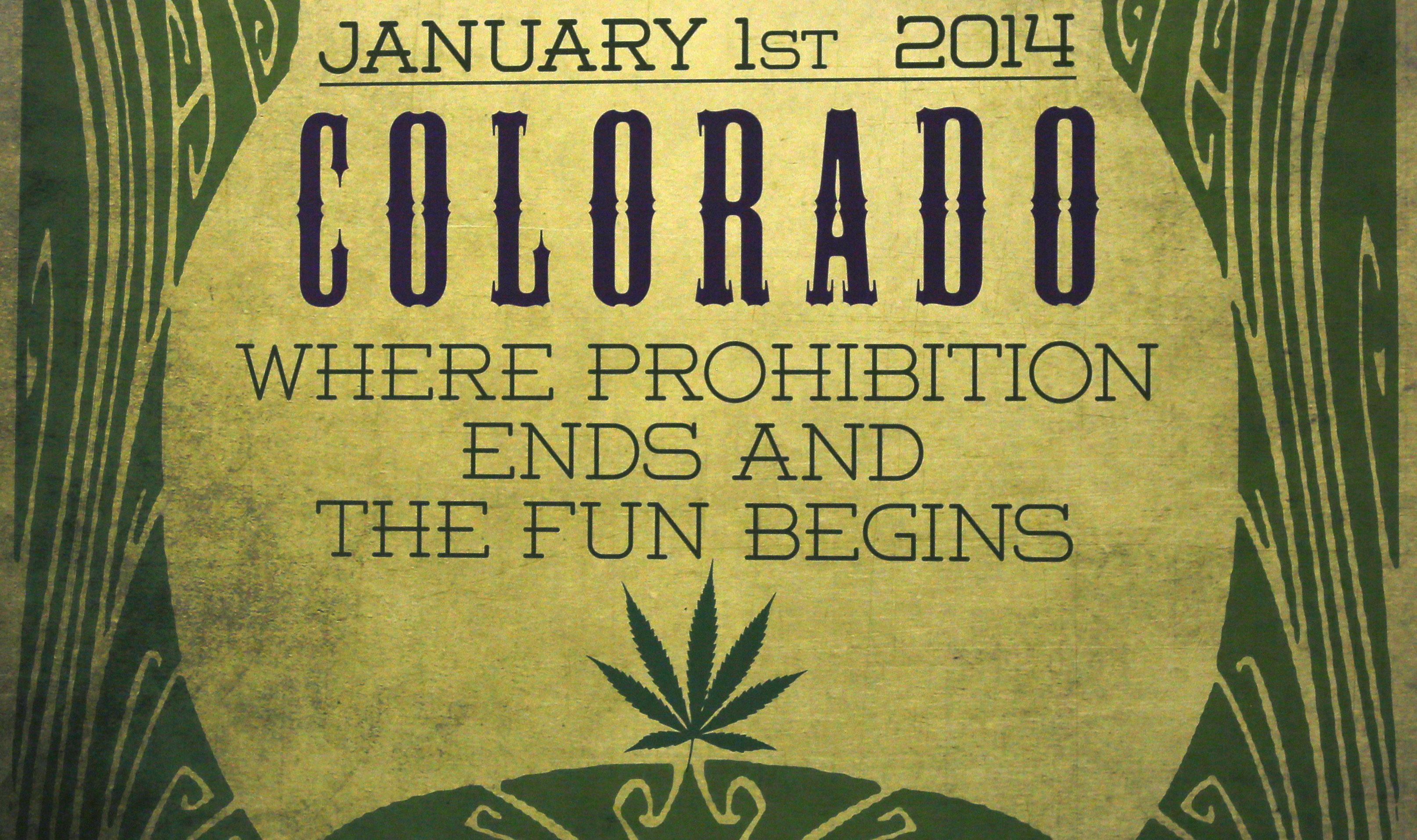
On January 1, 2014, the first recreational marijuana dispensaries officially opened their doors. This date is widely regarded as the practical commencement of legal recreational sales, occurring nearly 14 months after the initial voter approval. Cities such as Denver, Boulder, and Aspen quickly emerged as key centers for this burgeoning industry, attracting a diverse clientele of residents and tourists. The state implemented a sophisticated “seed-to-sale” tracking system, using unique identifiers for each plant to ensure transparency and accountability throughout the supply chain. Taxes, including an excise tax on wholesale transfers and a special sales tax on retail purchases, began generating millions of dollars in revenue, much of which was directed towards school construction and other public projects, fulfilling a key promise of Amendment 64. This meticulous rollout underscored Colorado’s commitment to building a responsible and sustainable legal cannabis market.
Economic and Social Transformation
The legalization of recreational cannabis has profoundly transformed Colorado’s economy, social fabric, and overall lifestyle. Beyond the direct tax revenue, the industry has catalyzed job creation, fostered innovation, and established the state as a distinctive travel destination. While challenges have emerged, the overall impact points towards a successful integration of cannabis into the state’s dynamic landscape.
Economically, the cannabis industry has become a significant contributor to Colorado’s gross domestic product. It has generated tens of thousands of jobs across a wide spectrum of sectors, including cultivation, processing, retail, laboratory testing, security, and numerous ancillary services such as marketing, legal counsel, and transportation. The influx of tax revenue has been substantial, consistently surpassing initial projections. For instance, the Colorado Department of Revenue reports billions in cannabis tax revenue collected since 2014, with a significant portion allocated to public education, substance abuse treatment, and various public health initiatives. This financial boost has empowered the state to fund crucial programs without resorting to increased taxes on other goods or services, validating the economic viability of a regulated cannabis market.

Socially, the transformation has been more nuanced. Pre-legalization concerns regarding increased crime rates, impaired driving incidents, and youth usage have largely not materialized to the extent predicted, according to studies by the Colorado Department of Public Safety and independent researchers. Instead, crime rates have generally remained stable or even seen reductions in certain categories, and youth usage rates have either held steady or experienced slight declines. However, ongoing challenges persist, particularly concerning public consumption laws and the continuous need for public education on responsible use. The state has proactively invested in extensive public awareness campaigns, emphasizing responsible consumption, safe storage practices, and the dangers of impaired driving, demonstrating a commitment to mitigating potential negative consequences while embracing the benefits of legalization.
A New Era of Tourism: Cannabis and Beyond
One of the most remarkable outcomes of legalization has been the rise of “cannabis tourism” as a distinct niche within Colorado’s already robust tourism industry. Travelers from across the United States and internationally are increasingly drawn to Colorado not only for its world-class skiing, stunning Rocky Mountains, and vibrant cities, but also for the unique experience of legally purchasing and consuming cannabis. This has unlocked new entrepreneurial opportunities, leading to the emergence of guided cannabis tours, cooking classes, specialized retail outlets, and even dedicated consumption lounges.
Cities like Denver, with its abundance of dispensaries and cannabis-friendly events, have become popular destinations for visitors exploring this facet of Colorado life. Boulder and Aspen also attract a significant number of tourists keen on combining outdoor adventures or luxury stays with legal cannabis experiences. Travel guides and tourism boards have adapted to include comprehensive information on dispensaries, local consumption laws, and cannabis-related activities, making it easier for visitors to navigate this new landscape. The allure of legal cannabis has undeniably diversified Colorado’s tourism appeal, harmoniously complementing its established reputation as an outdoor recreation paradise. This creates a compelling fusion of traditional tourism – exploring national parks, hitting the slopes at renowned resorts like Vail and Breckenridge, or indulging in Denver’s urban culture – with the modern phenomenon of cannabis exploration.
Navigating Accommodation and Consumption
While purchasing cannabis in Colorado is straightforward for adults aged 21 and over, navigating public consumption and finding cannabis-friendly accommodation can be more intricate. State law strictly prohibits public consumption, meaning it is illegal to smoke or consume cannabis in public places such as sidewalks, parks, ski slopes, or inside most standard hotels. This regulation has prompted the development of specific guidelines and creative solutions for visitors seeking a comfortable and legal place to consume.
Many hotels and accommodation providers, while generally not prohibiting possession, often enforce strict no-smoking policies that extend to cannabis. This is where the website’s focus on “Hotels,” “Accommodation,” and “Lifestyle” becomes particularly relevant. For travelers seeking cannabis-friendly options, a growing number of specialized accommodations have emerged, including cannabis-friendly bed and breakfasts, private rentals explicitly allowing cannabis use on platforms like Airbnb or VRBO, and even a few dedicated cannabis hotels or resorts. For example, certain boutique hotels might offer designated outdoor smoking areas or vaporizer-only rooms, while others focus on curating a holistic “cannabis lifestyle” experience. It is paramount for travelers to thoroughly research and confirm the cannabis policy of their chosen accommodation before booking. Resources dedicated to cannabis tourism often list verified 420-friendly lodging options, ranging from luxury suites to more budget-conscious apartments. This diligent planning ensures that visitors can responsibly and legally enjoy their cannabis purchases, significantly enhancing their overall travel experience in Colorado.
Planning Your Cannabis-Friendly Colorado Adventure
For those planning a trip to Colorado with an interest in experiencing its legal cannabis market, meticulous planning is paramount for a smooth and enjoyable journey. Understanding local regulations, knowing the best destinations, and practicing responsible consumption will ensure your visit is memorable for all the right reasons. This approach involves more than simply finding a dispensary; it integrates the cannabis experience seamlessly into your broader travel itinerary, perhaps alongside visits to Colorado’s famed landmarks and attractions.
Before arriving, it is highly advisable to familiarize yourself with Colorado’s specific cannabis laws. Key regulations include the minimum age of 21 for purchase and consumption, a one-ounce possession limit for recreational users, and the strict prohibition of public consumption. Driving under the influence of cannabis is illegal and carries severe penalties, mirroring those for alcohol. Many visitors underestimate the importance of securing appropriate consumption spaces, which, as previously noted, are generally not public areas or typical hotel rooms.
Top Destinations and Responsible Practices
While cannabis is legal statewide, certain cities offer a more developed infrastructure for cannabis tourism, boasting a wider array of dispensaries, tours, and specialized services.
- Denver: As the state capital and largest city, Denver is the primary hub of Colorado’s cannabis scene. It features numerous dispensaries, cannabis tours (including grow house visits and dispensary crawls), and an increasing number of consumption lounges and 420-friendly hotels. Beyond cannabis, Denver offers a vibrant arts scene, craft breweries, and convenient access to the Rocky Mountains for outdoor activities.
- Boulder: Known for its progressive ambiance and stunning natural beauty, Boulder provides a more relaxed cannabis experience. Visitors can explore dispensaries around the Pearl Street Mall and immerse themselves in the city’s outdoor lifestyle, including hiking the Flatirons.
- Aspen: For those seeking a luxury travel experience combined with cannabis, Aspen delivers. This high-end ski resort town features upscale dispensaries and a discreet cannabis culture, catering to discerning travelers. Finding suitable accommodation for consumption here often requires specific arrangements, as many luxury hotels maintain stringent policies.
- Breckenridge & Vail: These popular ski towns also host dispensaries, enabling visitors to combine their winter sports adventures with legal cannabis. Private rentals or specialized lodgings are typically the best options for consumption in these areas.
- Note on Colorado Springs: While medical marijuana is available, recreational sales are prohibited in Colorado Springs, making it less ideal for recreational cannabis tourists. However, it remains an excellent destination for traditional tourism, famous for Pikes Peak and the Garden of the Gods.
When selecting accommodations, consider using platforms that specifically filter for “420-friendly” options or consult dedicated cannabis travel websites. While large chains like Marriott or Hilton typically have restrictive policies, some boutique hotels or independent bed and breakfasts may cater to this niche market with designated consumption areas or specific allowances.
Responsible consumption is paramount for enjoying Colorado’s cannabis culture without incident. Key tips include starting with low doses, especially for edibles; understanding that public consumption is illegal; never driving under the influence; respecting local culture by being discreet; and remembering that transporting cannabis across state lines is federally illegal. Adhering to these guidelines ensures visitors can fully appreciate Colorado’s unique cannabis lifestyle while respecting local laws and fellow travelers.
Beyond Cannabis: Embracing Colorado’s Diverse Allure
While the legalization of cannabis is a significant draw, Colorado offers an expansive array of experiences that stretch far beyond its dispensaries. The state is globally renowned for outdoor recreation, boasting unparalleled natural beauty, dynamic cities, and a rich historical tapestry. Integrating cannabis tourism with Colorado’s other attractions creates a truly comprehensive and unforgettable travel experience, embodying all aspects of what makes the state a premier “destination.”
The website’s emphasis on “Travel,” “Landmarks,” and “Experiences” perfectly aligns with the diverse opportunities awaiting visitors. From majestic mountain ranges to ancient archaeological sites, Colorado caters to every type of traveler. Whether you are an adventure seeker, a history enthusiast, or someone in search of a serene escape, the state provides a backdrop of stunning landscapes and cultural richness that is hard to match.
Iconic Landmarks and Outdoor Escapes
Colorado is synonymous with its magnificent natural scenery, being home to a significant portion of the Rocky Mountains. This majestic range offers endless opportunities for hiking, skiing, snowboarding, mountain biking, and rock climbing.
- Rocky Mountain National Park: One of the most visited national parks in the United States, it features breathtaking alpine vistas, diverse wildlife, and hundreds of miles of trails. Its Trail Ridge Road is North America’s highest continuous paved road.
- Garden of the Gods: Located near Colorado Springs, this National Natural Landmark showcases towering sandstone rock formations, perfect for photography, hiking, and climbing.
- Pikes Peak: Known as “America’s Mountain,” this iconic 14,115-foot peak near Colorado Springs offers awe-inspiring views from its summit, accessible by cog railway, highway, or a challenging hike.
- Mesa Verde National Park: A UNESCO World Heritage Site in southwestern Colorado, preserving the ancestral Puebloan cliff dwellings and offering a profound glimpse into ancient cultures.
- Ski Resorts: World-renowned resorts like Vail, Breckenridge, Aspen Snowmass, and Telluride offer premier skiing and snowboarding during winter, transforming into hiking and mountain biking havens in the summer.
Beyond these natural wonders, Colorado also features significant man-made landmarks. The Denver Art Museum houses an impressive collection, while the United States Air Force Academy near Colorado Springs boasts striking modern architecture. Exploring these sites provides a rich context to the state’s diverse appeal.
Culinary and Cultural Immersion
Colorado’s cultural scene is as dynamic and varied as its landscapes. Cities like Denver, Boulder, and Fort Collins are celebrated for their innovative culinary scenes, thriving craft breweries, and vibrant arts and music venues.
- Craft Beer Scene: Colorado is a veritable mecca for craft beer enthusiasts, home to over 400 breweries. Fort Collins, in particular, is a major hub, boasting names like New Belgium Brewing and Odell Brewing Company. Brewery tours offer a fantastic way to sample local flavors and learn about the brewing process.
- Farm-to-Table Dining: Inspired by its agricultural heritage and commitment to sustainability, Colorado offers an abundance of farm-to-table restaurants, especially in its urban centers, emphasizing fresh, seasonal, and locally sourced ingredients. From fine dining establishments to casual eateries, the culinary scene is both diverse and exciting.
- Arts and Culture: Denver stands as a cultural powerhouse with institutions like the Denver Center for the Performing Arts, the Denver Museum of Nature & Science, and numerous art galleries. Live music venues, including the iconic Red Rocks Amphitheatre, offer unforgettable concert experiences set against stunning natural backdrops.
- Festivals and Events: Throughout the year, Colorado hosts a wide array of festivals celebrating everything from music and film to food and beer. These events provide excellent opportunities to immerse yourself in local culture and connect with the community.
Whether you’re delving into the history of the Old West, savoring a gourmet meal, or attending a world-class concert, Colorado’s diverse offerings provide a rich tapestry of experiences. Combining these traditional “tourism” activities with the state’s unique cannabis “lifestyle” opportunities creates a truly unparalleled “travel” narrative. This blend positions Colorado as an ideal destination for those seeking adventure, relaxation, cultural immersion, and a taste of pioneering spirit.