
The Sunshine State, with its pristine beaches, vibrant cities, and captivating natural beauty, holds a special place in the hearts of travelers worldwide. From the enchanting theme parks of Orlando to the historic charm of St. Augustine and the tropical allure of the Florida Keys, Florida offers an unparalleled array of destinations and experiences. But beneath its modern appeal lies a rich, intricate history that shaped its very identity. Understanding when and how Florida transitioned from a contested colonial outpost to a thriving state within the United States provides a deeper appreciation for its unique culture, its iconic landmarks, and the lifestyle it embodies today.
The answer to “When did Florida become a state?” is precise: March 3, 1845. On this significant day, Florida was admitted to the Union as the 27th state. However, this simple date belies a complex journey spanning centuries of exploration, conflict, and shifting allegiances. To truly grasp the significance of this event, we must rewind through time, exploring the diverse cultures and empires that laid claim to this coveted peninsula before it found its permanent home within the United States. This historical backdrop is not merely a collection of dates; it is the very foundation upon which Florida’s vibrant tourism, its unique accommodations, and its captivating landmarks are built, offering a fascinating dimension to any travel itinerary.

The Dawn of a Sunshine State: A Glimpse into Florida’s Origins
The story of Florida begins long before European arrival, with a tapestry of indigenous cultures flourishing across the peninsula. These early inhabitants developed sophisticated societies, leaving behind archaeological treasures that continue to fascinate visitors and historians alike. Their enduring legacy forms an integral part of Florida’s cultural heritage, influencing everything from the names of modern cities to the preservation of natural landscapes that tourists flock to explore.
From Indigenous Lands to European Claims
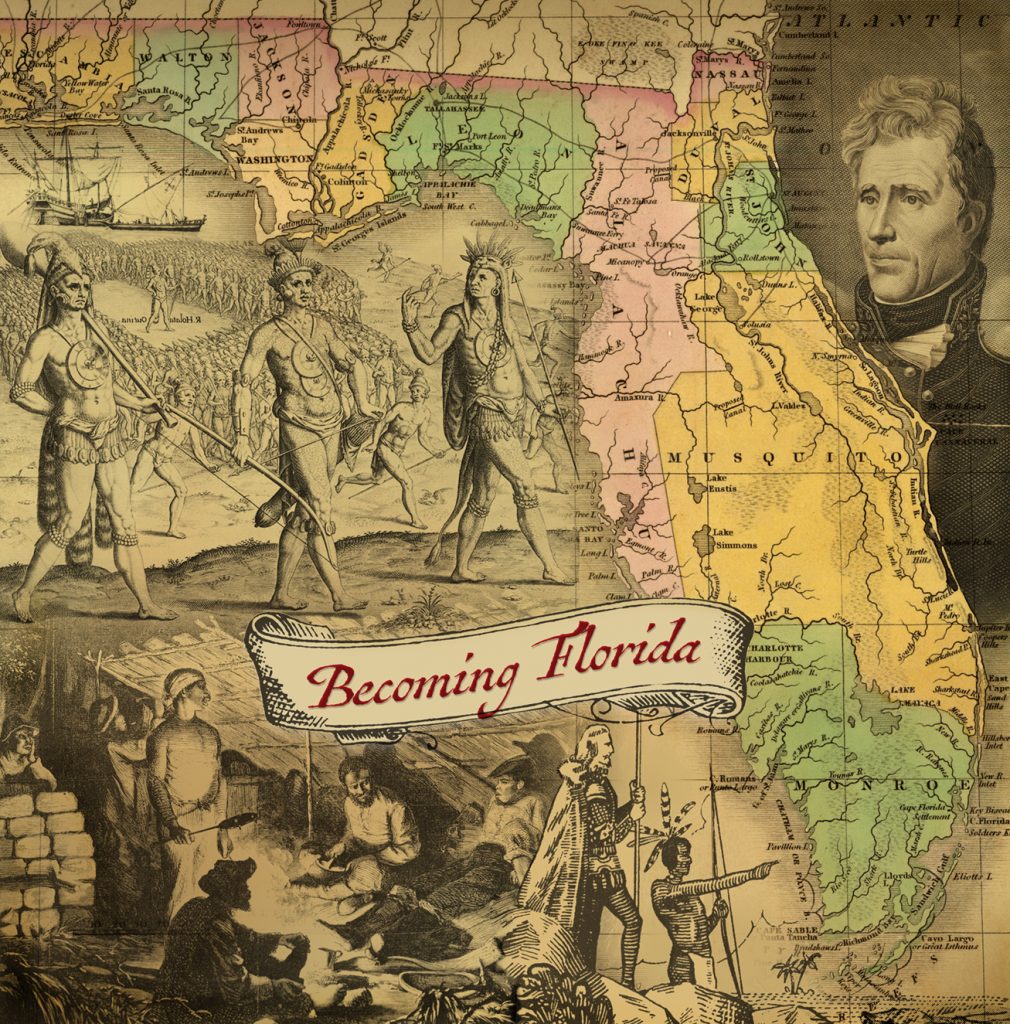
The first European sighting of Florida is attributed to Spanish explorer Juan Ponce de León on April 2, 1513. He named the land “La Florida” in honor of Pascua Florida (“Flowery Easter”), a Spanish celebration coinciding with his discovery. This moment marked the beginning of a long and often turbulent colonial period, forever altering the destiny of the peninsula. Spain claimed Florida for its empire, viewing it as a strategic outpost for its global ambitions.
This initial claim led to the establishment of St. Augustine in 1565 by Don Pedro Menéndez de Avilés. St. Augustine holds the distinction of being the oldest continuously inhabited European-established settlement in the United States. Today, it stands as a living museum, its cobblestone streets, historic architecture, and iconic landmarks like the Castillo de San Marcos drawing millions of tourists seeking to immerse themselves in a tangible piece of history. Visiting St. Augustine is not just travel; it’s a journey back in time, offering unique experiences that blend local culture with deep historical insights, often enjoyed from charming boutique hotels or historic inns that serve as perfect accommodations for those drawn to its colonial allure.
The Shifting Sands of Colonial Power
Florida’s early history is characterized by a constant struggle for dominance among European powers. While Spain held the initial claim, its grip was often tenuous. The eighteenth century saw Florida caught in the geopolitical crosscurrents of European empires.
In 1763, after the French and Indian War (also known as the Seven Years’ War), Spain ceded Florida to Great Britain in exchange for Havana, Cuba. The British divided the territory into East Florida (capital: St. Augustine) and West Florida (capital: Pensacola). During this period, the British sought to develop Florida through land grants and trade, attracting some settlers, including Loyalists during the American Revolution. Many historical sites in Pensacola, such as the Historic Village, echo this British influence, offering another layer of historical exploration for today’s visitors.
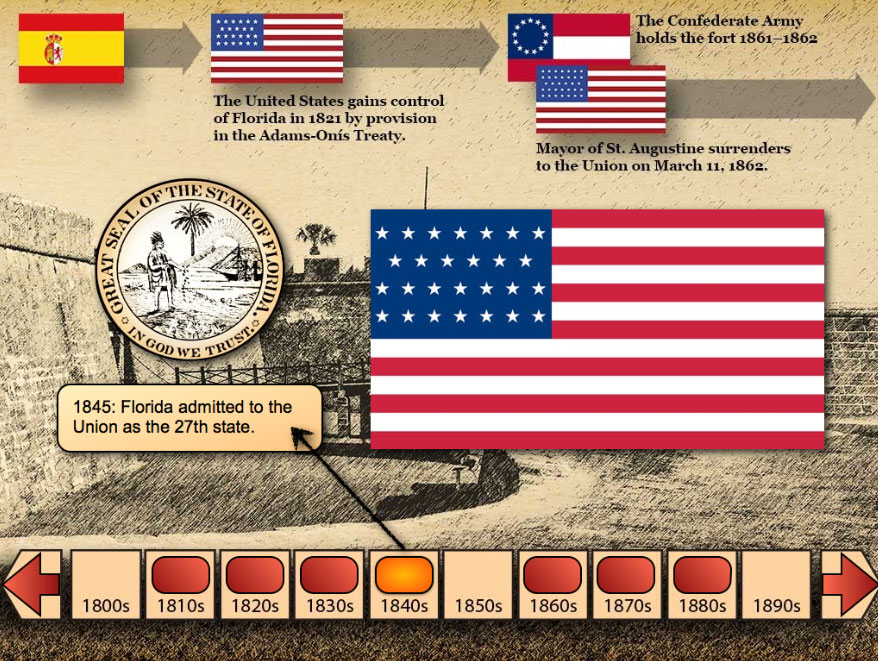
However, British rule was relatively short-lived. In 1783, following the conclusion of the American Revolution, Great Britain returned Florida to Spain as part of the Treaty of Paris. This second Spanish period was marked by increasing instability, largely due to tensions with the newly formed United States and ongoing conflicts with indigenous tribes, particularly the Seminoles. The shifting flags above Florida represent not just political changes but also a fascinating blend of architectural styles, culinary traditions, and cultural practices that enrich the visitor experience even today, making the study of these historical shifts a thrilling aspect of local tourism.
The Path to American Territory and Statehood
The early 19th century was a period of westward expansion for the United States, and Florida’s strategic location, with its long coastline and proximity to vital shipping lanes, made it an irresistible target. The porous border with the Spanish territory was a source of constant friction, leading to raids, skirmishes, and diplomatic disputes.
The First American Era: Territorial Florida
The transition from Spanish colony to American territory was not a single, clean event but a series of escalating conflicts and negotiations. Border disputes, the refuge offered to runaway slaves, and the activities of Native American tribes in Florida fueled tensions. General Andrew Jackson played a significant role, leading incursions into Florida during the First Seminole War (1817-1818), effectively demonstrating American military superiority and the weakness of Spanish control.
Ultimately, Spain, facing internal turmoil and recognizing its inability to effectively govern and defend Florida, agreed to cede the territory to the United States. This was formalized with the Adams-Onís Treaty (also known as the Transcontinental Treaty) in 1819, though the treaty was not ratified until 1821. On July 17, 1821, Spain officially transferred Florida to the United States, and Andrew Jackson was appointed its first territorial governor. The establishment of Tallahassee as the territorial capital in 1824, strategically located between St. Augustine and Pensacola, marked a new chapter in Florida’s administrative history. Today, Tallahassee offers a different kind of historical experience, focusing on governmental history and charming accommodations in its tree-lined streets, a world away from the bustling beaches but rich in heritage.
The Road to the Union: A New Star is Born
As a U.S. territory, Florida experienced significant growth, though it was often tumultuous. The ongoing Seminole Wars, particularly the Second Seminole War (1835-1842), proved costly and devastating, hindering immediate development. Despite these challenges, settlers continued to arrive, drawn by the promise of land and opportunity, particularly in the agricultural sector, with cotton and sugarcane becoming important crops.
The desire for statehood grew among the territorial population. They sought greater political representation and control over their own affairs. However, the path to statehood was complicated by the contentious issue of slavery. Florida wished to enter the Union as a slave state, which created an imbalance in the U.S. Senate between free and slave states. For a time, its admission was linked to that of Iowa, which would enter as a free state, thus maintaining the delicate balance.
Finally, on March 3, 1845, President John Tyler signed the bill that formally admitted Florida into the United States as the 27th state. This act marked the culmination of centuries of colonial rule and territorial status, ushering in an era where Florida would begin to forge its own destiny within the federal framework. The echoes of this journey can be felt in the diverse cultural fabric and the myriad of historical sites that dot the state, inviting travelers to explore a history as vibrant and varied as its landscape.
Florida’s Enduring Legacy: History, Tourism, and Unforgettable Experiences
The story of when Florida became a state is not just a historical footnote; it’s a living narrative that continues to shape the state’s identity and its incredible appeal as a travel destination. From its colonial past to its territorial struggles and eventual statehood, every chapter has left an indelible mark on Florida’s landscapes, its people, and its burgeoning tourism industry. Understanding this journey enhances the experience of exploring its famous landmarks, indulging in local cuisine, and appreciating its unique blend of cultures.
Historic Landmarks and Cultural Gems
Florida’s long and complex history provides a treasure trove for visitors interested in delving beyond the beaches and theme parks.
- St. Augustine: As the nation’s oldest city, St. Augustine is a premier destination for history buffs. Wander through the Historic Colonial Quarter, explore the impressive stone fortress of Castillo de San Marcos, and visit the St. Augustine Lighthouse & Maritime Museum. Accommodations here range from charming bed and breakfasts to luxury resorts that often echo the city’s historical elegance, providing a truly immersive experience.
- Pensacola: Known as “The City of Five Flags,” Pensacola showcases its Spanish, French, British, Confederate, and American heritage through its Historic Village and various museums. Its beautiful gulf coast beaches also offer a perfect blend of history and relaxation.
- Key West: With its distinct Caribbean influences and rich maritime history, Key West offers landmarks like Fort Zachary Taylor Historic State Park and the Ernest Hemingway Home and Museum, reflecting its unique past as a rugged frontier town. Its vibrant lifestyle, boutique hotels, and seafood-rich local culture are a direct outgrowth of its historical isolation and diverse influences.
- Tallahassee: The state capital presents a different facet of Florida’s history, focusing on its governmental and plantation past. Visit the Historic Capitol Museum, explore the Mission San Luis de Apalachee, or discover grand antebellum homes.
- Everglades National Park: While not a historical “landmark” in the traditional sense, this incredible natural wonder represents an ancient landscape that has been home to indigenous peoples for millennia and played a role in the natural barriers and resources that shaped Florida’s development. It’s a prime example of nature tourism, allowing visitors to connect with Florida’s primeval beauty.
The state’s history also inspired early developers like Henry Flagler, whose vision brought railways and grand hotels, such as The Breakers Palm Beach, to the Florida coast, transforming once remote areas into luxury travel destinations. These historic accommodations themselves are landmarks, offering a blend of heritage and modern amenities, appealing to a lifestyle of refined travel.
Planning Your Historical Florida Journey
For those passionate about history and eager to combine it with a luxurious or adventurous travel experience, Florida offers endless possibilities. When planning your trip, consider focusing on regions that provide deep dives into specific historical eras.
- Colonial History Immersion: Dedicate time to St. Augustine and Pensacola. Look for boutique hotels within the historic districts for an authentic accommodation experience. Many local guides specialize in telling the stories of these cities, enriching your tourism experience.
- Territorial and Statehood Exploration: Visit Tallahassee to explore the legislative history and antebellum period. Combine this with trips to sites related to the Seminole Wars or areas like Fort Meade which have significant American frontier history.
- Gilded Age and Early Tourism: Explore Palm Beach and Miami‘s historic districts, including the Art Deco architecture, and understand how figures like Henry Flagler transformed Florida into a vacation paradise. Historic resorts like the Don CeSar Hotel on St. Pete Beach offer a glimpse into the opulent travel of yesteryear, blending luxury with a tangible sense of the past.
- Diverse Cultural Experiences: Beyond the main historical periods, engage with the rich cultural contributions of various groups. Explore the vibrant Cuban heritage in Miami’s Little Havana, experience the enduring influence of the Seminole and Miccosukee tribes through cultural centers and events, or discover the Greek sponge diving community in Tarpon Springs. These experiences not only highlight the diverse demographics of Florida but also showcase how different cultures have contributed to the state’s unique lifestyle and tourism offerings.
Whether you’re seeking luxury travel in a historic resort, a budget-friendly family trip to explore ancient forts, or an immersive cultural experience, Florida’s history offers a compelling backdrop. The state’s transition to statehood on March 3, 1845, was not just a political event; it was a pivotal moment that cemented the identity of a land destined to become one of the world’s most beloved and diverse travel destinations. By understanding its past, we can more fully appreciate the present wonders of Florida, from its sun-drenched beaches and world-class attractions like Walt Disney World Resort and Universal Orlando Resort to its tranquil natural parks and vibrant urban centers like Jacksonville and Tampa, each offering its own blend of accommodation choices, local activities, and unforgettable experiences. Even modern marvels like the Kennedy Space Center Visitor Complex connect to a spirit of exploration and ambition that began with Ponce de León centuries ago, a testament to Florida’s enduring appeal.
LifeOutOfTheBox is a participant in the Amazon Services LLC Associates Program, an affiliate advertising program designed to provide a means for sites to earn advertising fees by advertising and linking to Amazon.com. Amazon, the Amazon logo, AmazonSupply, and the AmazonSupply logo are trademarks of Amazon.com, Inc. or its affiliates. As an Amazon Associate we earn affiliate commissions from qualifying purchases.