
The question “When did Hawaii become a state?” is a straightforward one with a definitive answer: Hawaii officially joined the United States as its 50th state on August 21, 1959. However, the journey to statehood for this stunning archipelago was anything but simple, marked by a rich and complex history spanning centuries. Far from being a mere date on a calendar, Hawaii’s path to becoming a part of the United States is a captivating tale of ancient Polynesia, a proud monarchy, significant geopolitical shifts, and the resilient spirit of its people. Understanding this history not only answers the factual question but also enriches any visit to these islands, offering a deeper appreciation for their unique culture, diverse population, and profound natural beauty. Today, Hawaii stands as a beacon for travelers worldwide, renowned for its breathtaking landscapes, vibrant local traditions, and unparalleled opportunities for adventure and relaxation, making it a premier destination that perfectly embodies the spirit of travel, tourism, and luxurious accommodation.
The Long Road to Statehood: A Glimpse into Hawaii’s Rich History
The narrative of Hawaii’s statehood is deeply intertwined with its past, a chronicle that begins long before any foreign flag ever touched its shores. From ancient migrations to a unified kingdom, and through periods of annexation and territorial status, the islands have witnessed profound transformations.
From Ancient Polynesia to Monarchy
Long before European contact, the Hawaiian Islands were settled by intrepid Polynesian navigators, who arrived in successive waves, likely from the Marquesas Islands and Tahiti, between 300 and 800 AD. These early settlers brought with them their distinct culture, language, and traditions, establishing a sophisticated society based on a strict social hierarchy and a deep spiritual connection to the land and sea. For centuries, various chieftainships ruled individual islands or regions, often engaging in warfare.
The late 18th century marked a pivotal moment with the rise of King Kamehameha I. Through a series of strategic alliances and military conquests, he successfully united all the Hawaiian Islands under a single rule by 1810, establishing the Kingdom of Hawaii. This period of unification coincided with increased contact with Western explorers, most famously Captain James Cook, who arrived in 1778. While initial interactions were complex and ultimately led to Cook’s death, his voyages opened Hawaii to the world, ushering in an era of trade, missionary activity, and growing foreign influence.
Throughout the 19th century, the Kingdom of Hawaii navigated a delicate balance of maintaining its sovereignty amidst the expansionist ambitions of various foreign powers, including the United States, Great Britain, and France. Despite signing treaties and establishing diplomatic relations, internal pressures and external interests intensified. The monarchy, particularly under rulers like King Kalākaua and Queen Liliʻuokalani, attempted to modernize the nation while preserving Hawaiian identity. However, economic interests, primarily American sugar planters, grew increasingly influential.
This culminated in the overthrow of the Kingdom of Hawaii in 1893, orchestrated by a group of American and European businessmen and residents, with the support of the United States Minister to Hawaii and U.S. Marines. Queen Liliʻuokalani was deposed, and a provisional government was established, followed by the declaration of the Republic of Hawaii in 1894, led by Sanford B. Dole. Despite considerable opposition from Native Hawaiians and some international figures, the stage was set for annexation. In 1898, driven by strategic military interests and the economic desires of the sugar industry, the United States formally annexed Hawaii through the Newlands Resolution, making it a U.S. territory.
A Territory and the Path to the 50th Star
As a territory of the United States, Hawaii experienced significant development, particularly in its agricultural sector and as a strategic military outpost in the Pacific Ocean. The bombing of Pearl Harbor on Oahu on December 7, 1941, thrust Hawaii and the United States into World War II. This event, while devastating, dramatically raised Hawaii’s profile and solidified its importance to national security. The contributions of Hawaiian residents, including those of Japanese descent who served with distinction in the U.S. military, highlighted their loyalty and further fueled the argument for full integration into the nation.
In the post-war era, the push for statehood gained undeniable momentum. Supporters argued that Hawaiians, as American citizens, deserved full representation in Congress and the right to elect their own governor. There was also a strong economic argument, as statehood was believed to spur further investment and growth. Opponents, primarily from the Southern states, raised concerns about Hawaii’s non-contiguous location, its unique multi-ethnic population, and potential shifts in political power.

However, the tide had turned. Years of advocacy, legislative efforts, and public campaigning culminated in the Hawaii Admission Act, which was signed into law by President Dwight D. Eisenhower on March 18, 1959. Following a plebiscite in Hawaii where residents overwhelmingly voted in favor of statehood, the official proclamation was made on August 21, 1959. On that historic day, Hawaii officially became the 50th state of the United States, forever changing its trajectory and solidifying its place in the American tapestry.
Hawaii Today: A Tropical Paradise and Cultural Hub
Today, the State of Hawaii is celebrated not only for its captivating history but also as one of the world’s most desired travel destinations. Its unique blend of indigenous Polynesian culture, diverse populations, and breathtaking natural landscapes creates an unparalleled experience for visitors.
A Mosaic of Islands: Destinations and Attractions
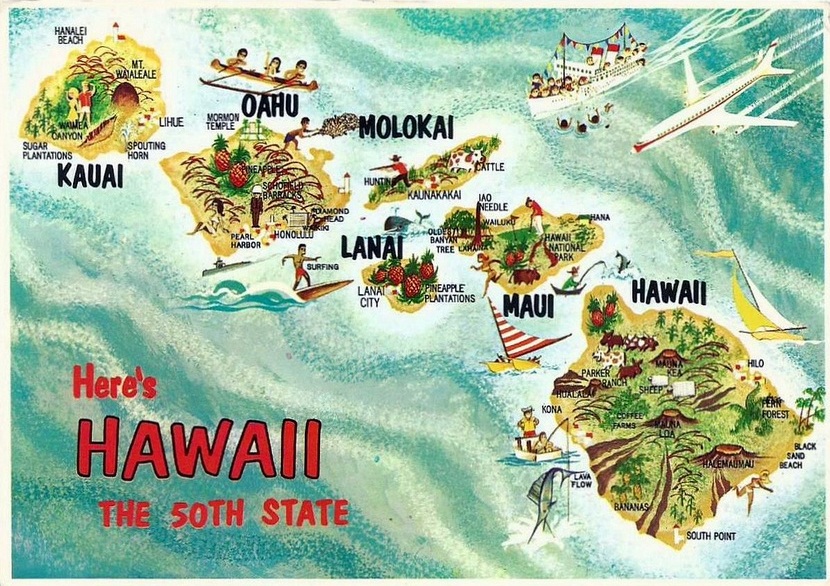
The Hawaiian archipelago consists of eight main islands, each offering its own distinct charm and a wealth of attractions. From the bustling metropolis of Honolulu on Oahu to the serene, untouched beauty of Molokai and Lanai, there’s an island experience for every type of traveler.
- Oahu: Known as “The Gathering Place,” Oahu is the most populous island and home to the state capital, Honolulu. Here, you’ll find the iconic crescent of Waikiki Beach, perfect for surfing lessons or simply basking in the sun. Landmarks like Diamond Head offer invigorating hikes with panoramic views, while the solemn grounds of Pearl Harbor provide a poignant look into history. The famous North Shore attracts professional surfers during winter months, and spots like Kualoa Ranch offer adventure tours through stunning cinematic backdrops.
- Maui: “The Valley Isle” is synonymous with luxury resorts, pristine beaches, and dramatic landscapes. Travelers flock to Ka’anapali Beach and Wailea for world-class accommodation and vibrant resort life. The scenic Road to Hana is an unforgettable journey through lush rainforests, past cascading waterfalls, and along rugged coastlines. A sunrise visit to the summit of Haleakala National Park offers an otherworldly experience above the clouds.
- Kauai: “The Garden Isle” lives up to its name with verdant rainforests, towering cliffs, and deep canyons. The majestic Na Pali Coast, accessible by boat, helicopter, or strenuous hiking, is a spectacle of nature, famous for its emerald-hued valleys and dramatic sea cliffs. Waimea Canyon, often called the “Grand Canyon of the Pacific,” offers breathtaking vistas and numerous hiking trails. Popular resort areas like Poipu and Princeville provide luxurious stays amidst stunning natural beauty.
- Big Island (or Hawaii Island): As its name suggests, this is the largest island and arguably the most geologically diverse. It’s home to Hawaii Volcanoes National Park, where visitors can witness the raw power of creation as Kilauea volcano continues to shape the land. The Kona Coast on the western side is famous for its coffee plantations, vibrant marine life for snorkeling and diving, and historical sites. The summit of Mauna Kea, a dormant volcano, offers incredible stargazing opportunities.
Beyond these major islands, Lanai offers exclusive luxury and rugged adventures, while Molokai retains a strong connection to ancient Hawaiian traditions, providing a glimpse into a quieter, more authentic island life. Each island promises unique experiences, from world-class surfing at Waimea Bay on Oahu’s North Shore to exploring the historic whaling town of Lahaina on Maui.
Embracing Local Culture and Cuisine
Hawaii’s identity is deeply rooted in its rich cultural heritage, a vibrant tapestry woven from indigenous Hawaiian traditions, and influences from Asia, Europe, and the Americas. The “Aloha Spirit” is more than just a greeting; it’s a way of life that encompasses kindness, compassion, and respect for the land and people.
Visitors are encouraged to immerse themselves in this unique culture through various experiences:
- Hula: More than just a dance, hula is a powerful form of storytelling, conveying ancient chants, legends, and historical events. Attending a traditional hula performance is a must-do cultural activity.
- Luau: These festive Hawaiian feasts combine delicious food, traditional music, and captivating performances, offering an evening of cultural immersion and entertainment.
- Food: Hawaiian cuisine is a delightful fusion of flavors. Fresh seafood, especially poke (cubed raw fish), is a staple. Traditional dishes like poi (taro paste), kalua pig, and lau lau (meat and fish wrapped in taro leaves) offer a taste of authentic Hawaiian flavors. The islands also boast a thriving farm-to-table movement, with diverse culinary offerings reflecting its multicultural heritage. Don’t forget to try shave ice!
- Festivals and Traditions: Throughout the year, Hawaii hosts numerous festivals celebrating everything from surfing and hula to coffee and pineapples. These events provide fantastic opportunities to engage with local communities and experience the islands’ vibrant spirit firsthand.

Planning Your Hawaiian Getaway: Accommodation and Lifestyle
A trip to Hawaii is often a once-in-a-lifetime experience, and planning your stay to align with your desired lifestyle and travel goals is key to unlocking its full potential.
Finding Your Perfect Stay: Hotels, Resorts, and Unique Accommodation
Hawaii offers a dazzling array of accommodation options to suit every budget and preference, from ultra-luxury resorts to charming boutique hotels and cozy vacation rentals.
- Luxury Resorts: For those seeking an indulgent escape, Hawaii is home to some of the world’s most exquisite resorts. Properties like the Four Seasons Resort Maui at Wailea or The Kahala Hotel & Resort on Oahu offer unparalleled amenities: private beach access, infinity pools, world-class spas, gourmet dining, and personalized service. These resorts often cater to luxury travelers, honeymooners, and families looking for a pampered experience, providing everything from kids’ clubs to championship golf courses.
- Boutique Hotels: For a more intimate and distinct experience, boutique hotels offer unique charm, often with local architectural influences and personalized touches. These can be found in vibrant towns like Lahaina on Maui or nestled along secluded coves, providing a tranquil retreat.
- Vacation Rentals (Apartments, Villas, Condos): Ideal for families, groups, or those planning a longer stay, vacation rentals offer the comforts of home. Options range from stylish apartments in Honolulu to spacious villas with private pools on the outer islands. Websites specializing in accommodation booking allow for easy comparison of reviews, prices, and amenities, helping you find the perfect fit.
- Budget-Friendly Stays: While Hawaii can be an expensive destination, there are also more affordable options, including hostels, budget hotels, and vacation rentals further from the main tourist hubs. Planning ahead and looking for deals can significantly reduce accommodation costs.
When booking, consider the specific amenities that matter most to you, whether it’s an ocean view, a full kitchen, proximity to attractions, or family-friendly facilities. Reading reviews and comparing different types of accommodation is crucial for making an informed decision.
Experiencing Hawaii: Beyond the Beach
While Hawaii’s pristine beaches and warm waters are a major draw, the islands offer an incredible range of activities that cater to every kind of lifestyle and interest.
- Adventure Travel: For thrill-seekers, Hawaii is an adventure playground. Opportunities for hiking abound, from the challenging trails of the Na Pali Coast to the volcanic landscapes of the Big Island. Surfing lessons are available for beginners, while experienced surfers can tackle legendary waves on the North Shore of Oahu. Snorkeling and diving reveal vibrant coral reefs and abundant marine life, including sea turtles and colorful fish. Seasonal whale watching tours (typically December to May) offer awe-inspiring encounters with humpback whales.
- Family Trips: Hawaii is an excellent destination for family vacations, with many resorts offering kids’ programs and activities. Gentle beaches, interactive cultural experiences, and wildlife excursions ensure fun for all ages.
- Romantic Escapes: The islands’ natural beauty, luxurious resorts, and intimate dining experiences make them a top choice for honeymoons and romantic getaways. Sunset cruises, couples’ spa treatments, and secluded beaches create an unforgettable backdrop for love.
- Cultural and Historical Exploration: Beyond the famous landmarks, delving into Hawaii’s history can be incredibly rewarding. Visit museums, ancient heiau (temples), and historical sites to understand the journey of the Hawaiian people. Engage with local communities to learn about their traditions, art, and ongoing efforts to preserve their heritage.
- Responsible Tourism: As a visitor, embracing responsible tourism is vital. Respect local customs, protect the natural environment (e.g., reef-safe sunscreen, staying on marked trails), and support local businesses. This ensures that the beauty and culture of Hawaii can be enjoyed by future generations.
In conclusion, the answer to “When did Hawaii become a state?” is August 21, 1959. This date marks the culmination of a long and fascinating history, transforming a sovereign kingdom into the 50th state of the United States. Today, Hawaii beckons as a destination where history, culture, and unparalleled natural beauty converge. Whether you seek thrilling adventures, serene relaxation, or a deep dive into unique traditions, these islands offer an extraordinary experience, promising memories that will last a lifetime. Prepare to be enchanted by the magic of Aloha.
LifeOutOfTheBox is a participant in the Amazon Services LLC Associates Program, an affiliate advertising program designed to provide a means for sites to earn advertising fees by advertising and linking to Amazon.com. Amazon, the Amazon logo, AmazonSupply, and the AmazonSupply logo are trademarks of Amazon.com, Inc. or its affiliates. As an Amazon Associate we earn affiliate commissions from qualifying purchases.