
The question of when Hawaii became part of the United States is a fascinating journey through sovereignty, political maneuvering, and cultural shifts. While many associate Hawaii with its status as the 50th state, the path to statehood was complex, spanning decades and involving significant historical events. The islands officially joined the United States as a territory in 1898 and achieved statehood much later, in 1959. This transformation from an independent kingdom to an integral part of the American union is a story rich with history, impacting everything from the islands’ governance to their vibrant tourism industry today. Understanding this timeline not only sheds light on Hawaii’s past but also enriches the experience of any visitor keen to explore its unique blend of Polynesian heritage and American influence. From stunning Waikiki Beach to the solemn grounds of Pearl Harbor, the history of these islands is palpable in their landmarks and local culture.
A Royal Legacy: The Kingdom of Hawaii
Before its integration into the United States, Hawaii was a unified, sovereign kingdom, a testament to the strength and vision of its early leaders.
Early Polynesian Settlers and European Arrival
The history of Hawaii stretches back over a thousand years, with its first inhabitants arriving from other Polynesian islands. These expert navigators brought with them their rich culture, language, and traditions, establishing a complex social and political system across the archipelago. For centuries, the islands thrived in relative isolation, their unique ecosystems and cultural practices flourishing undisturbed.
The arrival of Captain James Cook in 1778 marked a pivotal moment. The British explorer was the first European to reach the islands, opening them up to contact with the outside world. While initial encounters were often peaceful, the introduction of European diseases, goods, and ideas gradually began to transform Hawaiian society. Despite these challenges, the late 18th century also saw the rise of a powerful figure who would unite the islands.
The Rise and Fall of the Monarchy
King Kamehameha I, an astute warrior and diplomat, successfully unified the warring chiefdoms of Hawaii by 1810, establishing the Kingdom of Hawaii. This monumental achievement brought peace and stability, creating a strong, independent nation that would endure for nearly a century. Under the rule of the Kamehameha dynasty and subsequent royal families, Hawaii flourished, developing its own constitution, legal system, and engaging in international trade and diplomacy. Honolulu, the capital, became a bustling port city, attracting traders, missionaries, and whalers from around the globe.
However, the growing influence of foreign powers, particularly the United States and Great Britain, began to challenge Hawaiian sovereignty. American missionaries and businessmen, many of whom had become prominent landowners, started to exert considerable political and economic pressure. These foreign residents often had different visions for Hawaii’s future, sometimes clashing with the interests of the Hawaiian monarchy and its people.
The late 19th century saw escalating tensions. The Bayonet Constitution of 1887, imposed upon King Kalākaua by a group of non-Hawaiian militia and cabinet members, severely curtailed the monarch’s power and disenfranchised many native Hawaiians. This event laid the groundwork for the monarchy’s eventual overthrow.
The final reigning monarch, Queen Liliuokalani, ascended to the throne in 1891 with a fervent desire to restore power to the Hawaiian people and amend the unjust constitution. Her efforts, however, were met with fierce opposition from American and European businessmen who feared losing their influence and economic interests, particularly in the lucrative sugar industry.
The Path to Annexation: From Republic to Territory
The overthrow of the monarchy marked a dramatic shift, propelling Hawaii onto a new and uncertain trajectory toward the United States.
American Influence and the Overthrow
On January 17, 1893, a group of primarily American and European residents, aided by the landing of U.S. Marines from the USS Boston, staged a coup, overthrowing Queen Liliuokalani and the Kingdom of Hawaii. The Queen, to avoid bloodshed, yielded her authority under protest, hoping that the United States government would intervene to restore her to power.
Indeed, President Grover Cleveland acknowledged the illegality of the overthrow and sought to reinstate the monarchy. However, the provisional government, led by Sanford B. Dole, refused to relinquish power. This political deadlock showcased the complex web of domestic and international politics influencing Hawaii’s fate. The provisional government, having declared its intent to pursue annexation by the United States, found an ally in those American expansionists who saw Hawaii as a strategic outpost in the Pacific.

The Republic of Hawaii and US Expansionism
After President Cleveland’s attempts to restore the monarchy failed, the provisional government formally declared the establishment of the Republic of Hawaii on July 4, 1894, with Sanford B. Dole as its first and only president. This republic, though short-lived, governed the islands until their annexation.
The push for annexation gained momentum in the United States, fueled by strategic interests, particularly during the Spanish-American War of 1898. Hawaii’s location in the mid-Pacific was seen as invaluable for naval operations and expanding American influence in Asia. Proponents argued that annexation was necessary for national security and economic prosperity.
Despite strong opposition from native Hawaiians and anti-imperialist factions in the United States, President William McKinley signed the Newlands Resolution on July 7, 1898. This joint resolution effectively annexed Hawaii as a territory of the United States, bypassing the need for a treaty, which would have required a two-thirds vote in the Senate and likely failed due to strong opposition. On August 12, 1898, a formal transfer of sovereignty took place at Iolani Palace in Honolulu, signaling the official end of Hawaiian independence and marking its status as the Territory of Hawaii.
Statehood Achieved: A New Era for the Aloha State
Becoming a territory was a significant step, but the journey to full statehood for Hawaii still had decades to go, shaped by global events and internal advocacy.
The Road to the 50th Star
For over 60 years, Hawaii operated as a U.S. territory. During this period, its economy continued to be dominated by agriculture, particularly sugar and pineapple plantations, which heavily relied on immigrant labor. The strategic importance of the islands was underscored by the devastating attack on Pearl Harbor on Oahu on December 7, 1941, which plunged the United States into World War II. This event, while tragic, brought Hawaii into the national spotlight and highlighted its critical role in American defense.
Following the war, the push for statehood gained considerable momentum. Proponents argued that Hawaiians, as American citizens, deserved full representation in the federal government. The unique multi-ethnic composition of Hawaii’s population was also seen as a powerful argument against racial discrimination, appealing to the post-World War II era’s evolving sensibilities. Decades of lobbying by various territorial delegates and public support finally culminated in legislative action.
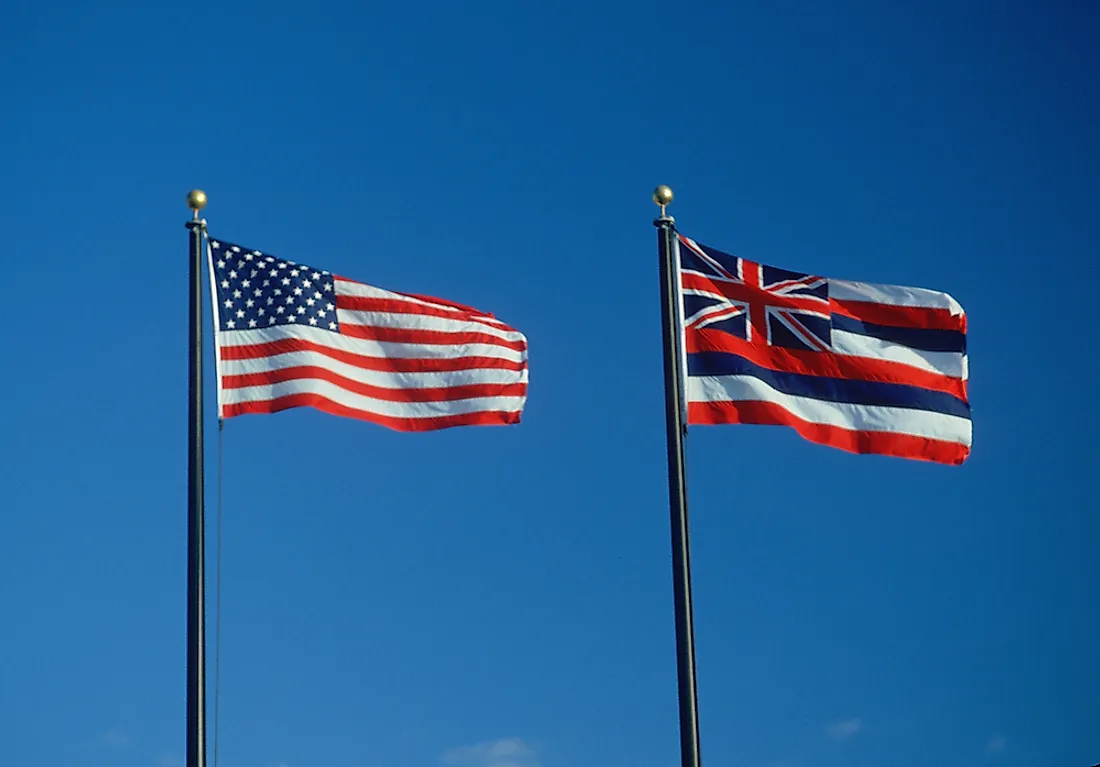
On March 12, 1959, the U.S. Congress passed the Hawaii Admission Act, and President Dwight D. Eisenhower signed it into law on March 18, 1959. A plebiscite was then held in Hawaii on June 27, 1959, where the people overwhelmingly voted in favor of statehood (over 94% approval). Finally, on August 21, 1959, President Eisenhower issued Proclamation 3309, officially admitting Hawaii as the 50th state of the United States. This historic moment marked the culmination of a long and often contentious journey, transforming the former kingdom into the vibrant Aloha State we know today.
Hawaii Today: A Premier Travel Destination
Since achieving statehood, Hawaii has flourished, not only as a strategic military outpost but also as a world-renowned travel destination. Its stunning natural beauty – from the volcanic landscapes of the Big Island to the lush cliffs of Kauai and the iconic beaches of Maui and Oahu – draws millions of visitors annually.
The integration into the United States brought modern infrastructure, increased investment, and a boom in the tourism sector. Today, Hawaii offers a diverse range of accommodations, from luxurious resorts in Kaanapali and Wailea to charming boutique hotels and long-term stay apartments that cater to every type of traveler. Whether you’re seeking a budget-friendly adventure or a lavish family trip, the islands provide unparalleled experiences. Tourism is now the state’s largest industry, celebrating and preserving the very culture and history that defined its path to statehood.
Experiencing Hawaii’s Rich History and Culture
A trip to Hawaii is incomplete without delving into its profound history and vibrant culture, which are inextricably linked to its journey to becoming part of the United States. The islands offer a wealth of experiences that allow visitors to connect with this past.
Must-Visit Historical Landmarks
To truly appreciate Hawaii’s story, several landmarks are essential stops. In Honolulu, Oahu, the Iolani Palace stands as the only official residence of royalty in the United States. This grand structure offers a poignant glimpse into the lives of King Kalākaua and Queen Liliuokalani, showcasing the grandeur of the Hawaiian monarchy and the site of its final overthrow. Nearby, the King Kamehameha I Statue pays homage to the unifier of the islands, a powerful symbol of Hawaiian pride and sovereignty.
Another critical site is the Pearl Harbor National Memorial, including the USS Arizona Memorial. This hallowed ground serves as a solemn reminder of the December 7, 1941, attack that drew the United States into World War II and irrevocably linked Hawaii’s fate with the nation’s. The memorial offers a powerful educational experience, reflecting on sacrifice and the profound impact of war.
Beyond Oahu, visitors can explore ancient heiau (temples), petroglyph fields, and historical plantation villages across the islands, each telling a piece of Hawaii’s diverse narrative. On the Big Island, the Pu’uhonua o Hōnaunau National Historical Park, also known as the Place of Refuge, offers insights into traditional Hawaiian law and spiritual practices, a stark contrast to the political struggles faced by the monarchy.
Embracing Local Culture and Traditions
Understanding Hawaii’s history is also about immersing oneself in its living culture. The spirit of aloha, deeply ingrained in the local lifestyle, is a direct inheritance from the days of the kingdom. Engaging with contemporary Hawaiian culture can take many forms:
- Luaus and Traditional Cuisine: Attending a traditional luau is more than just a meal; it’s a celebration of Hawaiian food, music, and dance. From kalua pig to poi and fresh seafood, these feasts are accompanied by hula performances and storytelling that connect you to the islands’ ancient roots.
- Surfing and Water Sports: The sport of surfing, originating with ancient Polynesians, remains a cornerstone of Hawaiian identity. Whether you’re a seasoned pro or a beginner taking lessons on Waikiki Beach, experiencing the waves is a connection to a centuries-old tradition.
- Art and Handicrafts: Local markets and galleries showcase the incredible talent of Hawaiian artists and artisans. From intricate wood carvings and kapa cloth to contemporary paintings and jewelry, these crafts often reflect the islands’ natural beauty and cultural motifs.
- Nature and Environment: The respect for nature, or mālama ‘āina, is a core Hawaiian value. Exploring Hawaii’s stunning national parks, like those featuring Diamond Head on Oahu or the volcanoes Kilauea and Mauna Loa on the Big Island, allows visitors to appreciate the profound connection between the land and its people.
Planning Your Historic Hawaiian Getaway
For travelers planning a visit, consider integrating these historical and cultural elements into your itinerary. Many hotels and resorts throughout Oahu, Maui, and the Big Island offer guided tours or easy access to these sites. You might choose to stay in Honolulu for urban exploration and historical immersion, or perhaps a more secluded villa on Kauai for tranquil natural beauty and smaller historical sites.
Booking accommodations near key landmarks can enhance your experience, allowing for deeper dives into the narratives of the past. From luxury suites overlooking Waikiki to budget-friendly apartments that serve as a base for adventure, Hawaii offers options for every lifestyle. By understanding “When Did Hawaii Become Part Of The United States?”, visitors gain not just a historical fact, but a richer appreciation for the profound resilience, spirit, and beauty of these islands, transforming a simple vacation into a meaningful journey through time.
LifeOutOfTheBox is a participant in the Amazon Services LLC Associates Program, an affiliate advertising program designed to provide a means for sites to earn advertising fees by advertising and linking to Amazon.com. Amazon, the Amazon logo, AmazonSupply, and the AmazonSupply logo are trademarks of Amazon.com, Inc. or its affiliates. As an Amazon Associate we earn affiliate commissions from qualifying purchases.