
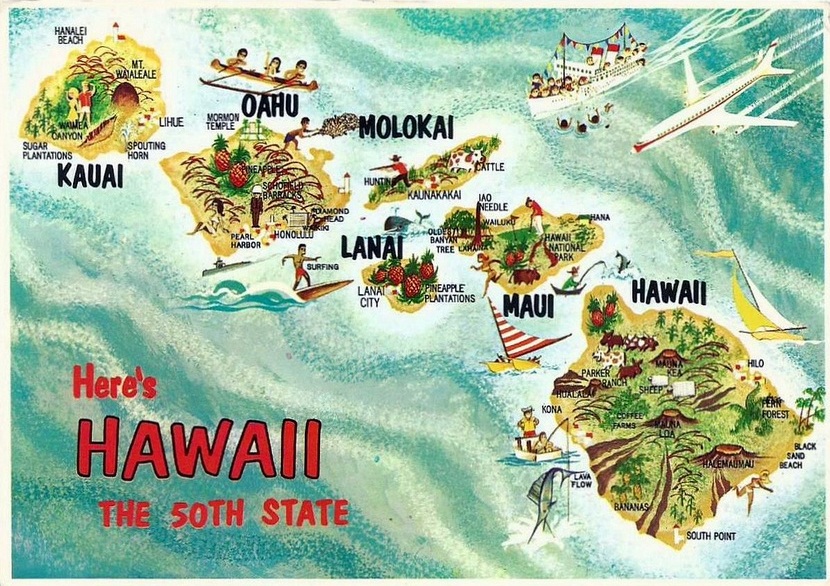
The allure of Hawaii is undeniable. A tropical paradise nestled in the heart of the Pacific Ocean, it beckons travelers with its pristine beaches, vibrant culture, and breathtaking volcanic landscapes. But beyond its reputation as a premier travel destination, Hawaii boasts a rich and complex history, one that profoundly shaped its identity and its relationship with the United States. The question, “When did Hawaii become part of the United States?” is more nuanced than a simple date. It encompasses a journey from an independent kingdom to a U.S. territory, and finally, to the 50th state in the Union. This historical saga is not just a tale of political maneuvering but a compelling narrative of cultural exchange, economic ambition, and the enduring spirit of the Hawaiian people, all of which contribute to the unique travel experience visitors enjoy today. Understanding this history enriches any visit, transforming a casual holiday into a deeper appreciation of this remarkable archipelago.
A Kingdom in Paradise: Pre-Annexation Hawaii
Before its integration into the United States, Hawaii was a sovereign nation, a proud kingdom with a sophisticated social structure, rich spiritual traditions, and a deep connection to its natural environment. This era laid the groundwork for the cultural tapestry that makes Hawaii such a fascinating destination for those seeking authentic cultural experiences alongside stunning scenery.
Ancient Roots and European Contact
The Hawaiian Islands were first settled by Polynesian navigators, likely arriving from the Marquesas Islands around 300-600 AD, followed by a second wave from Tahiti in the 11th century. These early settlers developed a complex society based on an intricate system of land management, a kapu (taboo) system governing daily life, and a profound reverence for nature, epitomized by the concept of aloha aina (love of the land). They were master navigators, artists, and storytellers, leaving behind a legacy of hula, chant, and intricate craftsmanship.
The isolation of these islands was first broken in 1778 with the arrival of Captain James Cook, a British explorer. His arrival marked the beginning of significant contact with the Western world, introducing new goods, technologies, and unfortunately, diseases that would decimate the native Hawaiian population. Despite the challenges, this period also saw the rise of a powerful leader, King Kamehameha I. Through strategic alliances and military prowess, Kamehameha I united the warring chiefdoms of the eight main islands by 1810, establishing the Kingdom of Hawaii. This unified kingdom, with its capital first in Lahaina on Maui and later in Honolulu on Oahu, quickly gained recognition from major world powers like Great Britain, France, and the United States. Visitors today can delve into this royal history by exploring landmarks like Iolani Palace, the only official residence of royalty in the United States, offering a tangible connection to this bygone era of sovereignty and grandeur.

The Rise of Foreign Influence and the Monarchy’s Decline
The 19th century witnessed a dramatic increase in foreign presence within the Kingdom of Hawaii. American missionaries arrived in 1820, bringing with them Christianity, Western education, and printing presses. While they contributed to literacy and social reforms, their influence also challenged traditional Hawaiian beliefs and practices. Concurrently, whaling ships made Honolulu and Lahaina bustling ports, and foreign merchants established businesses.
The most significant economic driver, however, became the sugar industry. American businessmen, seeing the fertile lands and favorable climate, invested heavily in sugar plantations. This led to a demand for cheap labor, resulting in waves of immigration from China, Japan, the Philippines, and Portugal, further diversifying Hawaii’s population. These plantation owners, many of whom were descendants of early missionaries, grew increasingly powerful, forming a dominant economic and political class. They exerted significant pressure on the Hawaiian monarchy, pushing for policies that favored their business interests and often limited the power of the indigenous population. This culminated in events like the 1887 Bayonet Constitution, which was imposed upon King Kalākaua and severely curtailed the monarch’s authority while granting voting rights primarily to wealthy non-Hawaiian residents. The stage was set for a confrontation between the dwindling power of the monarchy and the rising ambitions of foreign, primarily American, interests.
The Road to Annexation: A Tumultuous Transition
The late 19th century was a period of immense upheaval for Hawaii, marked by political conspiracies, a dramatic overthrow of the monarchy, and a contentious path towards becoming a U.S. territory. This turbulent era provides crucial context for understanding the socio-political landscape and the strong cultural identity that persist in Hawaii today, drawing visitors interested in its profound historical narratives.
The Overthrow of the Monarchy
The final sovereign monarch of Hawaii was Queen Liliʻuokalani, a highly educated and deeply beloved ruler who ascended to the throne in 1891. Recognizing the erosion of native Hawaiian rights and the increasing foreign dominance, Queen Liliʻuokalani sought to restore power to the monarchy and her people by promulgating a new constitution that would disenfranchise many of the American and European residents who controlled the economy.
Her efforts, however, were met with fierce opposition from a powerful group of primarily American businessmen and residents, known as the Committee of Safety. Fearing a loss of their political and economic influence, this group, with the covert support of John L. Stevens, the U.S. Minister to Hawaii, orchestrated a coup. On January 17, 1893, with the landing of U.S. Marines from the USS Boston, the Committee of Safety overthrew the Kingdom of Hawaii. Queen Liliʻuokalani, to avoid bloodshed, yielded her authority under protest, appealing to the United States government for restoration.
A provisional government was immediately established, led by Sanford B. Dole, a prominent American lawyer and businessman. While the U.S. President at the time, Grover Cleveland, deemed the overthrow an illegal act and attempted to restore the Queen, his efforts were thwarted by the provisional government’s refusal to cede power. In 1894, the Republic of Hawaii was declared, with Sanford B. Dole as its president, solidifying the end of the monarchy. Visitors can reflect on this pivotal moment at Iolani Palace, where the Queen was imprisoned after a failed counter-revolution.
Debates and Delays: The Path to U.S. Territory
Following the establishment of the Republic of Hawaii, the annexation to the United States became the primary goal of the new government. However, the path was not straightforward. President Grover Cleveland remained steadfastly opposed to annexation, viewing the overthrow of the monarchy as a moral disgrace and an act contrary to American ideals. This resistance delayed any immediate action on the part of the U.S. Congress.
The political climate shifted dramatically with the election of William McKinley as President in 1897. McKinley was a proponent of American expansionism and openly supported annexation. The decisive turning point, however, came with the outbreak of the Spanish-American War in 1898. Hawaii’s strategic location in the Pacific Ocean became undeniably critical for coaling stations and as a naval base for U.S. military operations in the Philippines. The war highlighted Hawaii’s immense value as a naval outpost and a commercial gateway to Asia.
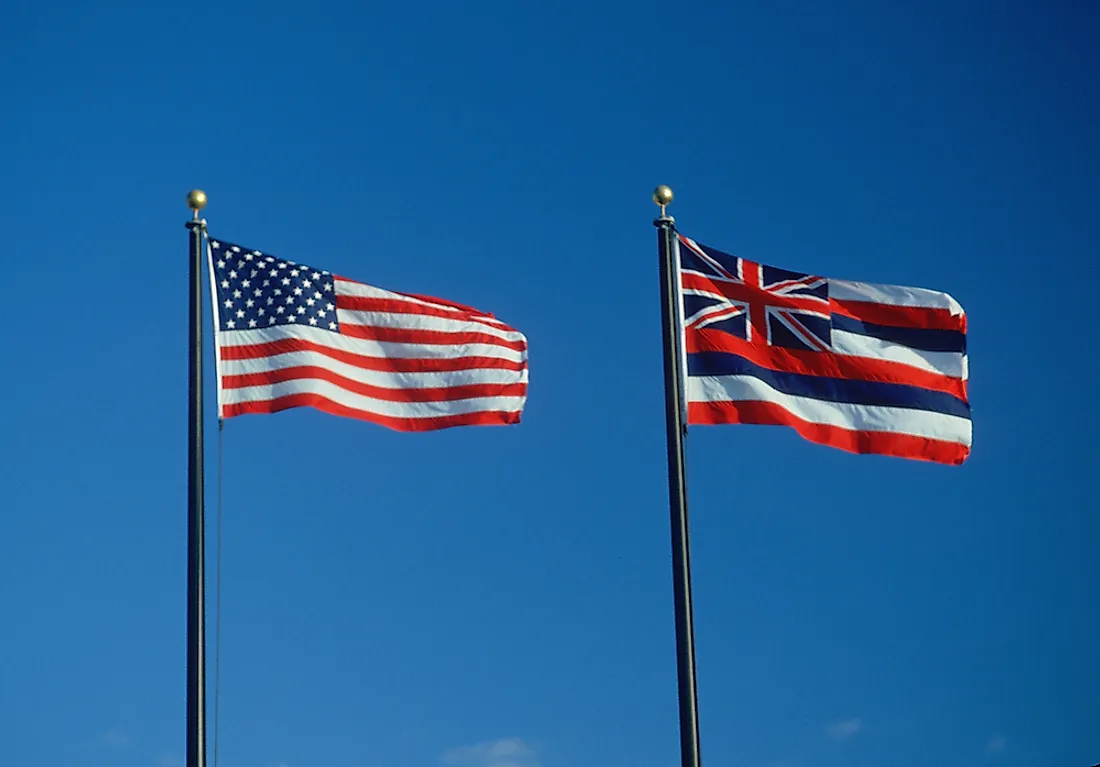
With renewed urgency and political will, Congress passed the Newlands Resolution on July 7, 1898. This joint resolution effectively annexed the Republic of Hawaii to the United States. The formal transfer of sovereignty took place on August 12, 1898, with the Hawaiian flag lowered and the American flag raised over Iolani Palace. This date marks the official incorporation of Hawaii into the U.S. as an organized incorporated territory, not yet a state, but firmly under American jurisdiction. For travelers today, visiting historical sites like Pearl Harbor offers a poignant reminder of Hawaii’s strategic importance and its subsequent role in global conflicts.
From Territory to Statehood: Shaping Modern Hawaii
Following its annexation in 1898, Hawaii entered a new chapter as a U.S. territory. This period, spanning over six decades, was characterized by significant economic development, social changes, and a persistent, often challenging, movement towards full statehood. It was during these years that the foundations for modern Hawaii as a global tourism hub began to take shape.
The Territorial Years (1900-1959)
On April 30, 1900, the Hawaiian Organic Act was signed into law, officially establishing the Territory of Hawaii. This act provided for a territorial government with a governor appointed by the U.S. President, a bicameral legislature, and a non-voting delegate to the U.S. House of Representatives. While residents of the territory were U.S. citizens, they did not have the right to vote in presidential elections, nor did their delegate have full voting power in Congress.
Economically, the territorial period saw the continued dominance of the “Big Five” corporations, which controlled the sugar and pineapple industries, alongside shipping and banking. These industries brought immense wealth to some, but also created a highly stratified society. However, the early 20th century also marked the nascent stages of Hawaii’s tourism industry. With improvements in steamship travel, affluent Americans began to discover the islands’ pristine beauty. Iconic resorts like the Moana Hotel in Waikiki, Oahu, opened in 1901, catering to this burgeoning market.
The military presence in Hawaii also grew substantially, cementing its role as a crucial strategic outpost in the Pacific. This military significance tragically came to the forefront on December 7, 1941, when the Japanese launched a surprise attack on Pearl Harbor on Oahu, drawing the United States into World War II. The war years further integrated Hawaii into the national consciousness, highlighting its sacrifices and its unique position within the U.S. sphere. For today’s travelers, sites like the USS Arizona Memorial at Pearl Harbor offer a somber yet essential historical experience, connecting visitors to this pivotal moment in global history.
The Birth of the 50th State
The desire for statehood among Hawaii’s residents was a long-standing aspiration, fueled by a desire for equal representation and full democratic rights. After decades of petitions, congressional hearings, and political advocacy, the post-World War II era saw renewed momentum. Arguments for statehood included Hawaii’s loyalty during the war, its economic self-sufficiency, and its diverse population embodying the American melting pot ideal.
Finally, on March 12, 1959, the U.S. Congress passed the Hawaii Admission Act, which was subsequently signed into law by President Dwight D. Eisenhower. This act allowed for a plebiscite (a direct vote by eligible voters) to be held in Hawaii to determine if its residents wished to become a state. On June 27, 1959, an overwhelming 94.3% of voters chose statehood, demonstrating a clear mandate.
On August 21, 1959, President Eisenhower officially signed the proclamation admitting Hawaii to the Union as the 50th state. This historic moment marked the culmination of a journey that began with the overthrow of a kingdom and ended with full integration into the United States. Statehood brought full political rights, further economic integration, and most significantly for today’s context, an explosion in tourism, aided by the advent of commercial jet travel. The transformation from a distant territory to an easily accessible, popular U.S. state paved the way for the Hawaii we know today – a vibrant tapestry of cultures, history, and unparalleled natural beauty, drawing millions of visitors annually.
Hawaii Today: A Legacy of History and a Tourist Haven
The complex history of Hawaii — from its ancient Polynesian roots to a sovereign kingdom, through annexation as a U.S. territory, and finally to statehood — has shaped it into the extraordinary destination it is today. This layered past is woven into the very fabric of the islands, offering travelers far more than just pristine beaches. It presents a unique blend of historical significance, vibrant local culture, and world-class tourism infrastructure.
Experiencing Hawaii’s Rich Heritage
For visitors interested in delving beyond the surface, Hawaii offers a wealth of opportunities to connect with its past. On Oahu, a visit to Iolani Palace provides an intimate look into the lives of Hawaiian royalty and the dramatic events of the monarchy’s overthrow. Nearby, the Pearl Harbor memorials, including the USS Arizona Memorial and the Battleship Missouri, offer a profound reflection on World War II and Hawaii’s strategic role. The Polynesian Cultural Center on the North Shore of Oahu provides an immersive experience into the diverse cultures of Polynesia, including ancient Hawaii, allowing visitors to understand the islands’ deep roots.
Each island also tells its own story. On Maui, the historic town of Lahaina was once a whaling port and the capital of the Kingdom of Hawaii, with its Front Street now a lively hub of shops and restaurants. The Big Island of Hawaii, home to Kilauea volcano, is a living testament to the land’s ongoing creation and the spiritual power of Pele, the goddess of fire and volcanoes. Even natural landmarks like Diamond Head on Oahu or the lush Na Pali Coast on Kauai carry layers of history and cultural significance, having been sacred sites or strategic lookouts for centuries. Engaging with local guides, attending hula performances, or visiting farmers’ markets are excellent ways to absorb the contemporary impact of this rich heritage, connecting with the aloha spirit that defines the islands.
Planning Your Hawaiian Getaway
For travelers planning a trip to this extraordinary destination, understanding Hawaii’s history only enhances the experience. Whether you’re seeking a luxury escape, a budget-friendly adventure, or a family-focused vacation, Hawaii offers diverse options.
For accommodation, Hawaii boasts everything from world-renowned resorts like the Grand Hyatt Kauai Resort & Spa or the Four Seasons Resort Maui at Wailea, offering exquisite suites, multiple pools, and fine dining, to charming boutique hotels, vacation apartments, and even long-term stay villas. Booking in advance is always recommended, especially during peak seasons, and comparing reviews helps ensure you find the perfect fit for your lifestyle and budget. Many hotels and resorts often weave Hawaiian culture into their amenities and experiences, providing hula lessons, lei making, or luau performances that connect guests to the islands’ heritage.
When it comes to tourism, consider the array of activities: hiking the trails of Maui’s Haleakala National Park, snorkeling in the protected waters of Hanauma Bay on Oahu, or stargazing atop Mauna Kea on the Big Island. Each island provides unique experiences, from the serene beauty of Kauai’s garden isle to the bustling energy of Waikiki. Local culture is celebrated through food, music, and art, inviting travelers to explore beyond the beaches and immerse themselves in the mana (spiritual power) of the islands.
Travel tips include embracing the local customs, learning a few Hawaiian phrases, and being mindful of the fragile ecosystems. Responsible tourism ensures that future generations can continue to enjoy the beauty and cultural richness of Hawaii. Whether your lifestyle leans towards adventure, relaxation, or deep cultural immersion, Hawaii’s blend of historical depth and modern hospitality makes it an unparalleled travel destination.
In conclusion, the question “When did Hawaii become part of the United States?” is answered by two key dates: August 12, 1898, for annexation as a territory, and August 21, 1959, for official statehood. However, this factual timeline only scratches the surface of a story steeped in royal heritage, political struggle, and cultural resilience. This rich history is not confined to textbooks; it lives in the majestic landscapes, the vibrant traditions, and the warm hospitality that defines Hawaii today. For every traveler, understanding this journey transforms a simple vacation into an enriching exploration of one of the world’s most captivating destinations.
LifeOutOfTheBox is a participant in the Amazon Services LLC Associates Program, an affiliate advertising program designed to provide a means for sites to earn advertising fees by advertising and linking to Amazon.com. Amazon, the Amazon logo, AmazonSupply, and the AmazonSupply logo are trademarks of Amazon.com, Inc. or its affiliates. As an Amazon Associate we earn affiliate commissions from qualifying purchases.