
The question of “When did Hurricane Maria hit Puerto Rico?” often evokes memories of one of the most devastating natural disasters in modern history. For travelers and those interested in the vibrant culture and breathtaking landscapes of this Caribbean gem, understanding the timeline and impact of Maria is crucial. It’s a story not just of destruction, but of incredible resilience, a testament to the spirit of the Puerto Rican people, and the island’s remarkable journey back to becoming a thriving travel destination. While the storm’s immediate aftermath brought unprecedented challenges, it also forged a stronger, more sustainable tourism landscape that continues to welcome visitors with open arms and a unique blend of heritage, adventure, and warmth.
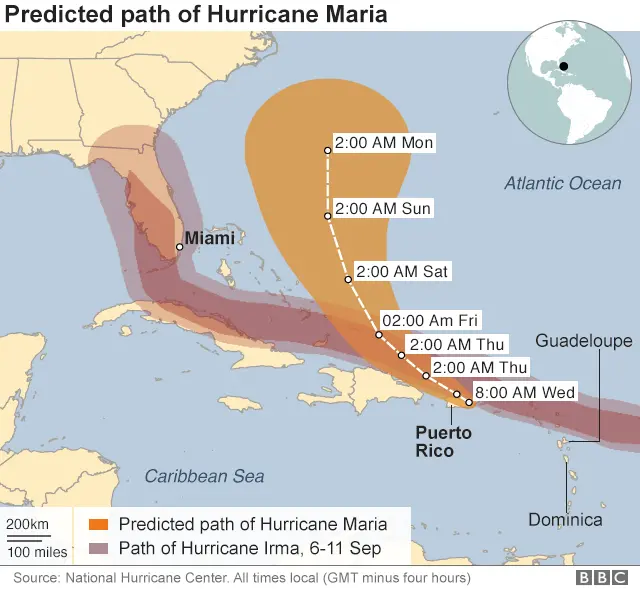
The catastrophic Category 4 hurricane made landfall on Puerto Rico on September 20, 2017, forever etching that date into the island’s collective memory. For anyone planning a trip or reflecting on the island’s journey, this date marks a pivotal moment, signaling the beginning of an arduous but ultimately inspiring path to recovery and renewal. This article will delve into the timeline of Maria’s impact, the remarkable recovery efforts, and what visitors can expect when exploring the vibrant island today, illustrating how Puerto Rico has not only rebuilt but reimagined its identity as a premier travel destination.
The Devastating Impact: September 2017
The approach of Hurricane Maria in September 2017 was met with increasing alarm across Puerto Rico. Having already ravaged parts of the Lesser Antilles and strengthening significantly, Maria was a force of nature unlike anything the island had experienced in nearly a century. Its direct hit brought about widespread devastation that halted daily life and severed the island from the outside world.
Maria’s Arrival and Immediate Aftermath
In the early morning hours of September 20, 2017, Hurricane Maria made landfall near Yabucoa, a municipality on the southeastern coast of Puerto Rico. With sustained winds of 155 mph, just shy of a Category 5 hurricane, it was the strongest storm to hit the island since 1928. Maria carved a destructive path diagonally across the entire island for several hours, leaving an indelible mark on every city, town, and natural landscape.
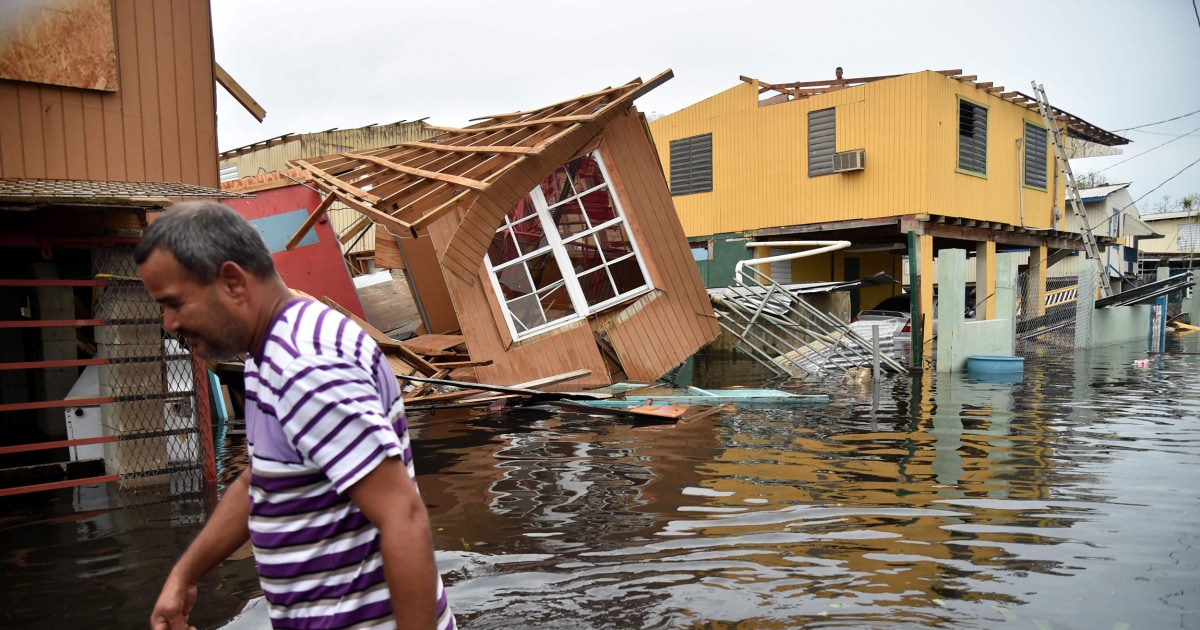
The immediate aftermath was characterized by total darkness and silence. The island’s aging power grid was completely destroyed, plunging all 3.4 million residents into a blackout that would become the longest in United States history. Communication infrastructure crumbled, with cell towers downed and landlines rendered inoperable, effectively isolating Puerto Rico from the world and its own communities. Roads were impassable due to landslides, fallen trees, and utility poles, making assessment and immediate relief efforts incredibly challenging. Homes were unroofed, businesses decimated, and agricultural lands — including vital coffee and plantain crops — were utterly wiped out. The sheer scale of the damage was unprecedented, creating a humanitarian crisis that garnered international attention.
Disruption to Travel and Tourism
The impact on Puerto Rico’s burgeoning travel and tourism industry was immediate and severe. Luis Muñoz Marín International Airport (SJU) in San Juan, the primary gateway for air travel, was closed indefinitely due to structural damage, flooding, and a complete lack of power. Flights were canceled, leaving thousands of tourists stranded and preventing aid from arriving swiftly. Cruise ship itineraries were diverted, bypassing the island’s once-bustling port.
Hotels and resorts, particularly those along the popular tourist corridors of Condado and Isla Verde in San Juan, suffered extensive damage. Roofs were torn off, windows shattered, and interiors flooded. Many of these properties, which represent significant investments and employment for locals, were forced to close for months, if not years, for comprehensive repairs and renovations. Iconic landmarks like El Morro and Castillo San Cristobal in Old San Juan, while structurally resilient, faced operational challenges and temporary closures.
The natural attractions that draw millions to Puerto Rico were also severely affected. El Yunque National Forest, the only tropical rainforest in the U.S. National Forest System, was stripped of its lush canopy, transforming its verdant landscape into a skeleton of broken trees. The enchanting Bioluminescent Bays in Vieques, Fajardo, and Lajas, which rely on delicate ecosystems, experienced disruptions. The idyllic beaches of Vieques and Culebra, including the world-renowned Flamenco Beach, were littered with debris. This comprehensive disruption meant that Puerto Rico, for a time, ceased to be a viable tourist destination, shifting its focus entirely to survival and recovery.
Puerto Rico’s Resilient Journey: The Road to Recovery
In the wake of Hurricane Maria, the journey to recovery was daunting, but the spirit of the Puerto Rican people proved indomitable. The island embarked on a massive rebuilding effort, not just to restore what was lost, but to emerge stronger and more resilient, particularly within its critical tourism sector.
Rebuilding Infrastructure and Tourist Facilities
The immediate priority was the restoration of basic services. Utility crews from Puerto Rico Electric Power Authority (PREPA) and thousands of external workers labored tirelessly to rebuild the power grid from scratch. This monumental task involved replacing thousands of miles of downed power lines and poles, often in challenging mountainous terrain. While a full restoration took over a year in some remote areas, vital tourist hubs saw power return more quickly, signaling hope for a tourism comeback. Roads were cleared and repaired, improving accessibility to key attractions and facilitating the movement of goods and people.
The hospitality industry played a crucial role in the recovery. Many hotels that sustained damage, such as the historic Condado Vanderbilt Hotel and the Caribe Hilton, undertook extensive renovations, often using the opportunity to upgrade facilities, incorporate sustainable practices, and enhance guest experiences. Resorts like Dorado Beach, a Ritz-Carlton Reserve and El Conquistador Resort invested heavily in rebuilding and redesigning their properties, often exceeding their pre-Maria standards. These efforts were not just about repairing structures; they were about instilling confidence in future travelers and showing the world that Puerto Rico was open for business again.
A Phased Reopening for Tourism
The tourism sector’s recovery was a phased approach, beginning with essential services and gradually expanding to full-scale operations. Luis Muñoz Marín International Airport resumed limited commercial flights within weeks, primarily facilitating humanitarian aid and the departure of non-essential personnel. Over the subsequent months, airlines steadily increased their flight schedules, re-establishing vital air links.
By early 2018, just months after Maria, many of Puerto Rico’s most popular attractions began to reopen. Old San Juan, with its cobblestone streets and colorful colonial architecture, was among the first areas to bounce back, welcoming cruise ship passengers and day-trippers. Historic sites like El Morro and Castillo San Cristobal became beacons of resilience, offering visitors a glimpse into the island’s enduring history.
The natural wonders, though slower to recover, eventually reopened. Sections of El Yunque National Forest gradually welcomed hikers again, revealing the forest’s astonishing ability to regenerate. The Bioluminescent Bays, a testament to nature’s resilience, also returned to their glowing glory, captivating visitors once more. This phased reopening demonstrated a strategic and determined effort by the Puerto Rican government, local businesses, and communities to restore the island’s appeal as a diverse and captivating destination. The commitment to rebuilding better, with an emphasis on sustainability and improved infrastructure, laid the groundwork for a stronger tourism future.
Visiting Puerto Rico Today: A Thriving Destination Transformed
Today, Puerto Rico stands as a testament to unparalleled resilience and a spirit of renewal. Far from merely recovering, the island has transformed, emerging as an even more vibrant, diverse, and appealing travel destination than before Hurricane Maria. For travelers, this means an experience that combines the familiar charm with exciting new developments and a profound sense of community.
What Travelers Can Expect: A Resurgent Paradise
Visitors to Puerto Rico today will discover an island fully open and thriving. The infrastructure has been largely restored and, in many cases, upgraded. Luis Muñoz Marín International Airport handles millions of passengers annually, with numerous direct flights connecting the island to major cities in the United States and beyond. The roads are well-maintained, making it easy to explore diverse regions from the bustling capital of San Juan to the tranquil west coast.
The hospitality sector is flourishing, offering a wide array of accommodations to suit every preference and budget. Luxury travelers can indulge in the opulent amenities of resorts like the St. Regis Bahia Beach Resort or the Hyatt Regency Grand Reserve Puerto Rico. Budget-conscious visitors will find charming boutique hotels in Old San Juan or comfortable guesthouses along the coasts. Beyond traditional hotels, there’s a growing selection of vacation rentals, apartments, and villas, offering more localized and long-term stay options, appealing to families and business travelers alike.
Attractions are in full swing. Old San Juan continues to charm with its historic forts, vibrant plazas, and eclectic shops. El Yunque National Forest is once again a verdant haven, crisscrossed with hiking trails leading to stunning waterfalls. The Bioluminescent Bays glow brightly, offering magical nighttime kayaking tours. Beach lovers can revel in the pristine sands of Luquillo Beach, Condado, and the stunning Flamenco Beach on Culebra, often listed among the world’s best.
Supporting Local Tourism and Sustainable Travel
One of the most profound shifts in Puerto Rico’s tourism landscape post-Maria is a heightened emphasis on supporting local businesses and sustainable travel practices. Travelers are encouraged to immerse themselves in the local culture, which is richer and more vibrant than ever. This means exploring the culinary scene, from street food vendors serving savory mofongo to upscale restaurants blending traditional flavors with modern twists. Visiting farmers’ markets, engaging with artisans, and participating in cultural experiences like salsa lessons or bomba and plena performances directly contributes to the local economy and strengthens communities.
Many tour operators now offer eco-tourism experiences, highlighting Puerto Rico’s commitment to preserving its natural beauty. Kayaking through mangrove forests, birdwatching in nature reserves, or learning about the island’s unique flora and fauna offers a deeper connection to the destination. Responsible tourism also extends to choosing accommodations that prioritize environmental stewardship and community engagement.

Planning Your Trip: Accommodation and Experiences
Planning a trip to Puerto Rico is easier than ever, with numerous resources available for booking flights, hotels, and activities. Online travel agencies and local tourism boards provide comprehensive guides and tips. When considering accommodation, weigh options from luxurious beachfront resorts offering suites and villas with extensive amenities to more intimate, locally-owned hotels that provide a unique insight into Puerto Rico through their local culture and food offerings. Reviews and comparison sites can help travelers find the perfect fit, whether it’s a family-friendly stay with pools and kids’ clubs, a romantic adults-only escape, or a budget-friendly base for adventurous exploration.
For experiences, consider mixing relaxation with adventure. Explore the vibrant nightlife of La Placita de Santurce, known for its live music and salsa dancing. Take a day trip to the charming colonial city of Ponce, known for its unique architecture and art museums. For adrenaline junkies, zip-lining through the central mountains or surfing on the west coast near Rincón offers thrilling opportunities. And, of course, no visit is complete without sampling local delicacies like piña coladas (reportedly invented in Puerto Rico) and freshly caught seafood.
In conclusion, while Hurricane Maria undoubtedly left a lasting scar, it also sparked a remarkable transformation. Puerto Rico has not just rebuilt; it has innovated, creating a more resilient, diverse, and welcoming destination for travelers from all walks of life. The island’s spirit, beauty, and cultural richness are more profound than ever, making it an irresistible choice for your next adventure. Visiting today isn’t just a trip; it’s an opportunity to experience the enduring strength and vibrant rebirth of a truly special place.