
The question “When did Hurricane Katrina hit New Orleans?” brings to mind one of the most significant natural disasters in United States history. The date etched into the memory of the city, and indeed the nation, is August 29, 2005. On that fateful day, the powerful storm made landfall, forever altering the landscape and the lives of countless individuals in New Orleans and across the Gulf of Mexico coast. While the immediate answer is a specific date, understanding the full impact of Katrina requires delving into the event itself, the subsequent recovery, and how this resilient city has not only rebuilt but thrived, reaffirming its status as a unique and essential global travel destination.
This article will explore the timeline of Hurricane Katrina, its profound effects, and the incredible journey of New Orleans from devastation to a vibrant hub of culture, tourism, and unforgettable experiences. For anyone considering a trip to this enchanting Louisiana jewel, appreciating its history, including its moments of greatest challenge, adds a profound layer to the travel experience.

The Day the Storm Made Landfall: August 29, 2005
Hurricane Katrina was a formidable force of nature. Originating as a tropical depression over the Bahamas on August 23, 2005, it quickly intensified as it moved across the warm waters of the Gulf of Mexico. By the time it approached the coast, it had reached a terrifying Category 5 hurricane status, though it weakened slightly before making its final landfall.
A Catastrophic Event Unfolds
On the morning of August 29, 2005, Hurricane Katrina officially made landfall near Buras-Triumph, Louisiana, as a strong Category 3 storm with sustained winds of 125 mph (205 km/h). While New Orleans itself was spared a direct hit from the eye of the storm, its geographical vulnerability—much of the city lies below sea level—meant the impending disaster was not just about the wind. The primary cause of devastation for New Orleans was the catastrophic failure of its levee system.
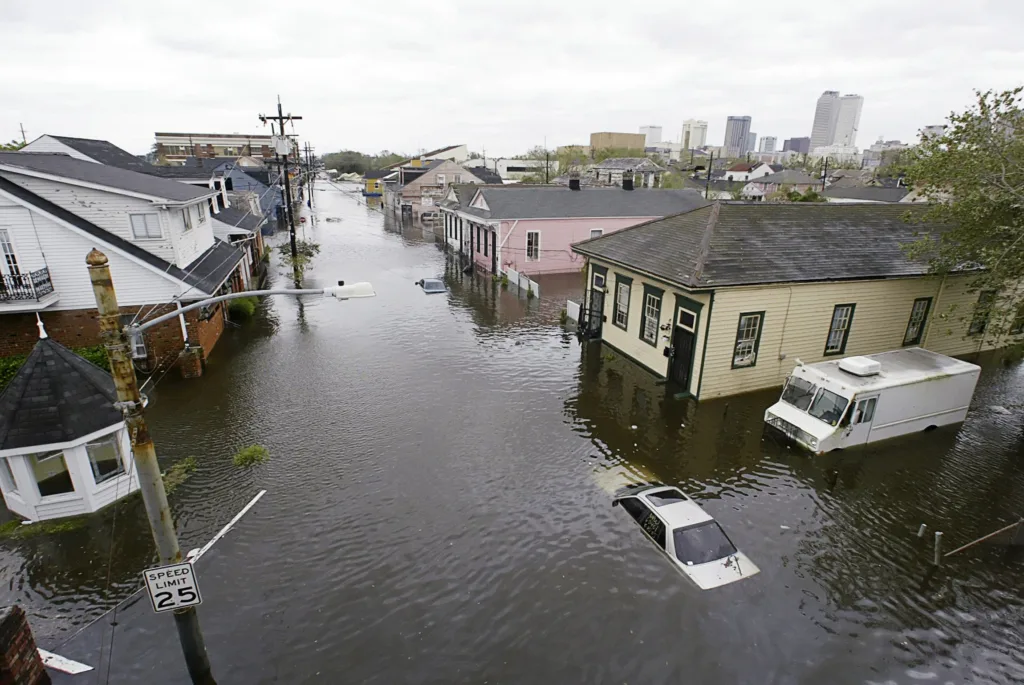
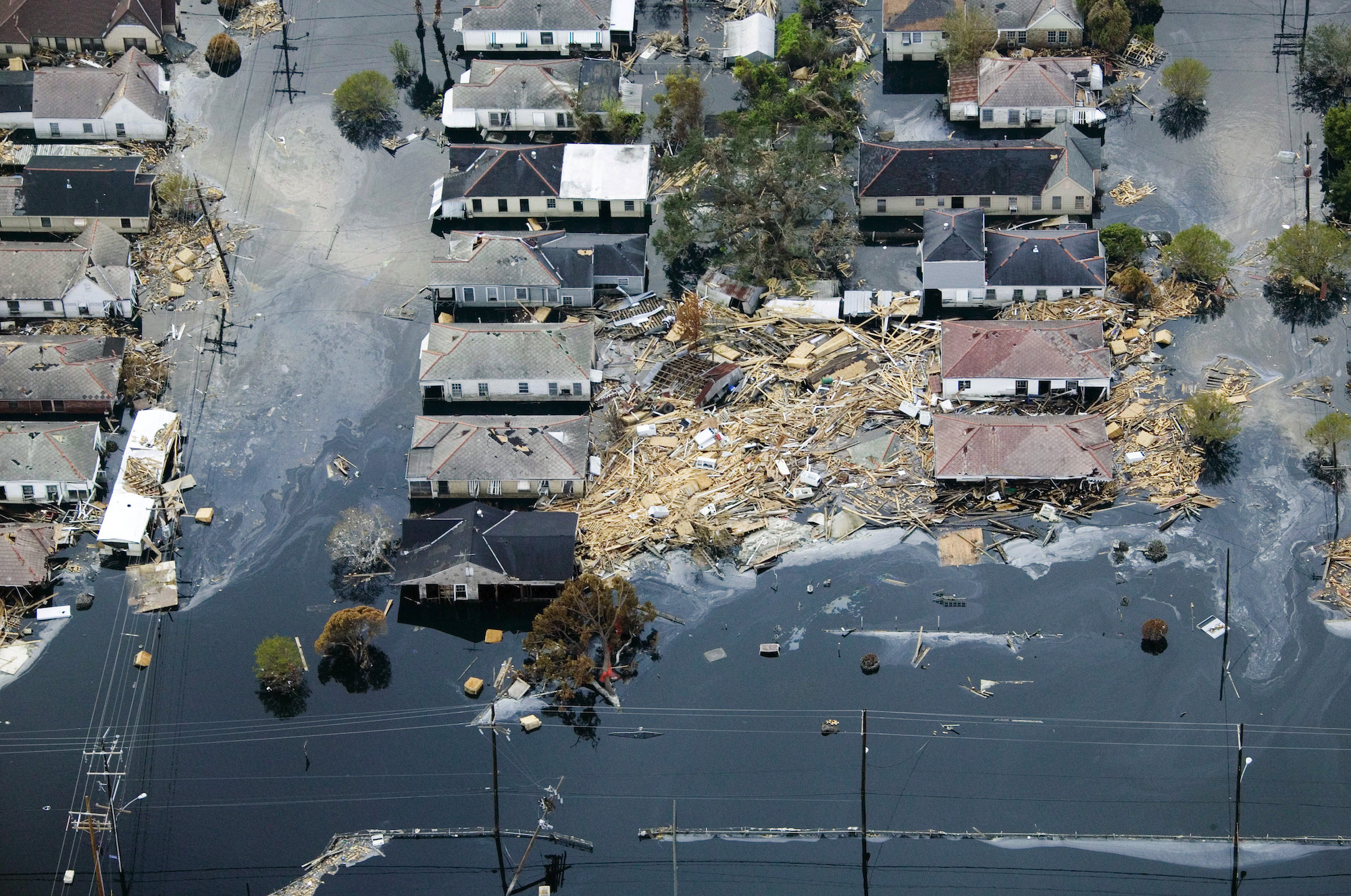
The storm surge, exacerbated by the powerful winds, overwhelmed and breached numerous levees and floodwalls designed to protect the city. Within hours, approximately 80% of New Orleans was underwater, with some areas submerged under 15 feet (4.6 meters) of water. The flooding was extensive and rapid, turning streets into canals and houses into submerged islands. This wasn’t merely a natural disaster; it became a monumental humanitarian crisis, leading to mass evacuations, displacement, and a heartbreaking loss of life. The city’s infrastructure collapsed, power outages were widespread, and communication systems failed, plunging the city into chaos.
Thousands sought refuge in the Superdome and the New Orleans Convention Center, quickly leading to dire conditions due to lack of food, water, and sanitation. The world watched in horror as images of stranded residents on rooftops, desperate pleas for help, and the sheer scale of the destruction unfolded. This period remains a stark reminder of the fragile balance between human civilization and the immense power of nature.
The Immediate Aftermath and Global Response
In the immediate aftermath, New Orleans became a ghost town, submerged and inaccessible. Rescue efforts were slow and arduous, complicated by the widespread damage and the sheer number of people needing assistance. The federal, state, and local responses faced intense scrutiny for their perceived failures in preparedness and reaction. The human cost was immense, with thousands losing their homes, livelihoods, and, tragically, their lives. The diaspora of New Orleans residents scattered across the United States marked a profound social and demographic shift for the city.
The global community responded with an outpouring of aid, support, and volunteers. Charities, governments, and individuals from around the world rallied to help, recognizing the unique cultural significance of New Orleans and the profound tragedy that had befallen its people. This collective effort laid the groundwork for what would be one of the most ambitious urban reconstruction projects in modern history.
From Devastation to Determination: New Orleans’ Incredible Recovery
The story of New Orleans post-Katrina is not just one of disaster, but of remarkable resilience, community spirit, and an unwavering determination to rebuild. The recovery process was long, complex, and fraught with challenges, yet it ultimately showcased the indomitable spirit of a city deeply proud of its heritage.
Rebuilding the Spirit of the Crescent City
The rebuilding efforts in New Orleans were monumental. Beyond the physical reconstruction of homes, schools, and infrastructure, there was an equally critical task of revitalizing the city’s unique spirit. Residents, many returning from temporary displacement, rolled up their sleeves alongside volunteers from across the nation and the world. Neighborhoods like the Lower Ninth Ward, which suffered some of the most catastrophic damage, became symbols of both loss and nascent rebirth.
Billions of dollars were invested in repairing and upgrading the levee system, creating a more robust and resilient defense against future storms. Infrastructure was modernized, and communities came together to plan for a stronger, more sustainable future. This period of intense collaboration and shared purpose helped to reinforce the bonds that define New Orleans – a powerful sense of community, a dedication to its distinct culture, and an ability to find joy even in adversity. The recovery wasn’t just about restoring what was lost; it was about building a better, safer, and more equitable city for its residents and visitors alike.
Preserving Culture Amidst Reconstruction
One of the most remarkable aspects of New Orleans’ recovery was the unwavering commitment to preserving its unparalleled cultural heritage. The city’s identity is inextricably linked to its music, food, festivals, and historic architecture. As homes were rebuilt and infrastructure repaired, equal attention was given to nurturing the vibrant arts scene, reopening historic landmarks, and ensuring that the unique Creole and Cajun traditions would not only survive but flourish.
Musicians, chefs, artists, and Mardi Gras krewes all played a pivotal role in bringing life back to the city, drawing upon their traditions to heal and inspire. This dedication to cultural preservation meant that as the city physically recovered, its soul remained intact and, in many ways, became even stronger and more appreciated. This emphasis on local culture and traditional practices is a cornerstone of the city’s tourism appeal today, offering visitors an authentic and deeply enriching experience.
New Orleans Today: A Resilient Hub of Culture, Travel, and Tourism
Today, New Orleans stands as a testament to human resilience and the enduring power of culture. It is a world-class travel destination, inviting millions of visitors annually to immerse themselves in its vibrant atmosphere. The city has emerged from its greatest challenge not only rebuilt but also enhanced, with a renewed sense of purpose and a profound appreciation for its unique place in the world.
Iconic Landmarks and Attractions That Define the City
For travelers, New Orleans offers an unparalleled array of landmarks and attractions that blend history, architecture, and pure entertainment.
- French Quarter: The historic heart of New Orleans, the French Quarter (or Vieux Carré) is a labyrinth of narrow streets, wrought-iron balconies, and colorful Creole townhouses. It was largely spared the worst of Katrina’s flooding and quickly became a symbol of the city’s enduring charm. Here, visitors can stroll through Jackson Square, admire the majestic St. Louis Cathedral, and explore the lively shops and art galleries.
- Bourbon Street: Famous worldwide for its vibrant nightlife, live Jazz clubs, and festive atmosphere, Bourbon Street is an essential stop for those seeking an energetic experience.
- Garden District: A stark contrast to the French Quarter, the Garden District showcases stunning antebellum mansions and lush gardens. It’s perfect for architectural enthusiasts and those seeking a more serene experience.
- Parks and Green Spaces: Audubon Park and City Park offer vast green expanses for relaxation, recreation, and cultural attractions like the New Orleans Museum of Art.
- The National WWII Museum: An internationally acclaimed institution, this museum offers an immersive and moving experience dedicated to the story of World War II. Its presence in New Orleans adds a significant historical dimension to the city’s attractions.
These landmarks, along with countless others, provide a rich tapestry of history, art, and entertainment that caters to every type of traveler.
A Culinary Journey Through New Orleans
The culinary scene in New Orleans is legendary, a delicious fusion of Creole, Cajun, French, Spanish, and African influences. Food is not just sustenance here; it’s an integral part of the culture and a major draw for tourism.
Visitors can indulge in iconic dishes like hearty Gumbo, spicy Jambalaya, savory Po’boys, and delicate Beignets dusted with powdered sugar, best enjoyed with a café au lait at the iconic Café Du Monde. From fine dining establishments to casual neighborhood eateries and bustling food markets, New Orleans offers a gastronomic adventure unlike anywhere else. Exploring the local cuisine is a journey through the city’s history and its diverse cultural tapestry.
Music, Festivals, and the Vibrant Lifestyle
New Orleans is famously the birthplace of Jazz and continues to be a global epicenter for music. Live music pours from clubs on Frenchmen Street and Bourbon Street, ranging from traditional Jazz and Blues to contemporary funk and rock. The city’s vibrant festival calendar is another huge draw, with events celebrating everything from food and film to literary arts.
The most famous of these is Mardi Gras, a spectacular, multi-week celebration leading up to Ash Wednesday, drawing millions with its parades, elaborate costumes, and infectious energy. These festivals, alongside daily musical performances and street art, epitomize the unique lifestyle of New Orleans, where joy, creativity, and community are always at the forefront.
Accommodation and Travel Experiences
The accommodation landscape in New Orleans is as varied and charismatic as the city itself. Travelers can choose from luxurious boutique hotels housed in historic French Quarter buildings, grand resorts offering extensive amenities, charming guesthouses in the Garden District, or budget-friendly options further afield. Many hotels incorporate the city’s unique architectural styles and offer a truly immersive stay, blending modern comfort with historic ambiance. Booking reviews and comparisons are widely available, allowing visitors to find the perfect stay to match their lifestyle and budget, whether it’s a romantic getaway, a family trip, or a business stay.
Beyond traditional lodging, New Orleans offers a plethora of unique travel experiences. Visitors can take a steamboat cruise down the mighty Mississippi River, explore the mysterious bayous and swamps on an airboat tour, delve into the city’s ghostly legends on a haunted history walk, or take a cooking class to master Creole cuisine. Each experience offers a deeper connection to the local culture and the vibrant tapestry of New Orleans life.
Planning Your Visit to Resilient New Orleans
For those planning to experience the magic of New Orleans, a few travel tips can enhance your journey and ensure you make the most of this exceptional destination.
Best Time to Visit and Travel Tips
The best times to visit New Orleans are during the cooler, drier months of February to May (spring) and October to January (fall/winter). During these periods, the weather is pleasant for exploring, and the city often hosts its vibrant festivals, including Mardi Gras (usually February or March) and the New Orleans Jazz & Heritage Festival (late April/early May). Summers can be extremely hot and humid, and this also coincides with the peak hurricane season (June to November), though the city’s improved levee systems offer significantly enhanced protection.
When visiting, comfortable walking shoes are a must, as the best way to experience New Orleans is often on foot, allowing you to wander through its charming neighborhoods and discover hidden gems. Don’t be afraid to venture beyond the main tourist arteries into areas like the Marigny or Bywater to discover local haunts and artistic communities. Engaging with local tour guides can also provide invaluable insights into the city’s history, culture, and ongoing recovery efforts.
Supporting Local Businesses and Experiencing Authenticity
One of the most meaningful ways to experience New Orleans is by actively supporting its local businesses. From independent restaurants and artisan shops to local musicians and tour operators, these establishments are the heartbeat of the community and play a crucial role in maintaining the city’s authentic character. Choosing local helps ensure that your tourism dollars directly benefit the residents who have poured their heart and soul into rebuilding and sustaining their beloved city.
By seeking out authentic experiences—whether it’s catching a street performance, dining at a non-touristy restaurant, or exploring lesser-known historical sites—you contribute to a more sustainable tourism model and gain a deeper, more personal appreciation for the spirit of New Orleans.
In conclusion, while August 29, 2005, marks a somber chapter in the history of New Orleans, the city’s story is ultimately one of triumph and enduring spirit. Today, it stands as a shining example of resilience, a destination that offers an unparalleled blend of history, culture, and celebration. Visiting New Orleans isn’t just a trip; it’s an immersion into a living legacy, a testament to the power of a community that refused to be defeated, welcoming all to experience its irresistible charm.
LifeOutOfTheBox is a participant in the Amazon Services LLC Associates Program, an affiliate advertising program designed to provide a means for sites to earn advertising fees by advertising and linking to Amazon.com. Amazon, the Amazon logo, AmazonSupply, and the AmazonSupply logo are trademarks of Amazon.com, Inc. or its affiliates. As an Amazon Associate we earn affiliate commissions from qualifying purchases.