
The vast and captivating expanse of land known today as Montana, often dubbed “Big Sky Country,” officially joined the United States as its 41st state on November 8, 1889. This momentous event marked the culmination of decades of exploration, resource discovery, and the relentless pioneering spirit that shaped the American West. Beyond a simple date, Montana’s journey to statehood is a rich tapestry woven with threads of Native American heritage, the allure of gold and copper, the building of transcontinental railways, and the establishment of vibrant communities. Understanding this historical context not only enriches our appreciation for the state but also highlights its enduring appeal as a premier destination for travel, tourism, and unforgettable experiences.
From its stunning natural landmarks like Glacier National Park and the edges of Yellowstone National Park to its charming historic cities like Helena and Bozeman, Montana offers a unique blend of adventure and culture. Its statehood story is intrinsically linked to the development of its towns, the establishment of accommodation for burgeoning populations, and the very foundation of its local culture and lifestyle.
The Road to Statehood: A Journey Through Time
The path to Montana’s statehood was long and complex, reflecting the dramatic transformation of the American frontier. It wasn’t merely a political formality but a response to massive economic booms, population influxes, and the need for structured governance in a rugged land. This historical journey provides fascinating insights for any traveler interested in the roots of the West.
Early Exploration and Territorial Days
Long before European-American settlers arrived, Montana was home to numerous Native American tribes, including the Blackfeet, Crow, Cheyenne, Kootenai, and Salish, each with rich cultures and deep connections to the land. Their presence shaped the early history and remains a vital part of Montana’s cultural heritage, influencing everything from place names to local celebrations.
The first significant documented exploration by non-natives came with the Lewis and Clark Expedition between 1804 and 1806. Following the monumental Louisiana Purchase of 1803, which dramatically expanded the United States’ territory, President Thomas Jefferson commissioned Meriwether Lewis and William Clark to chart the newly acquired lands, seek a water route to the Pacific Ocean, and document the region’s natural resources and indigenous peoples. Their journey through what is now Montana was arduous but incredibly informative, providing the first detailed accounts of its majestic Rocky Mountains, the vast Great Plains, and the mighty Missouri River. Travelers today can retrace parts of their historic route, visiting interpretive centers and scenic overlooks that bring their epic adventure to life, offering a profound sense of connection to early American exploration.

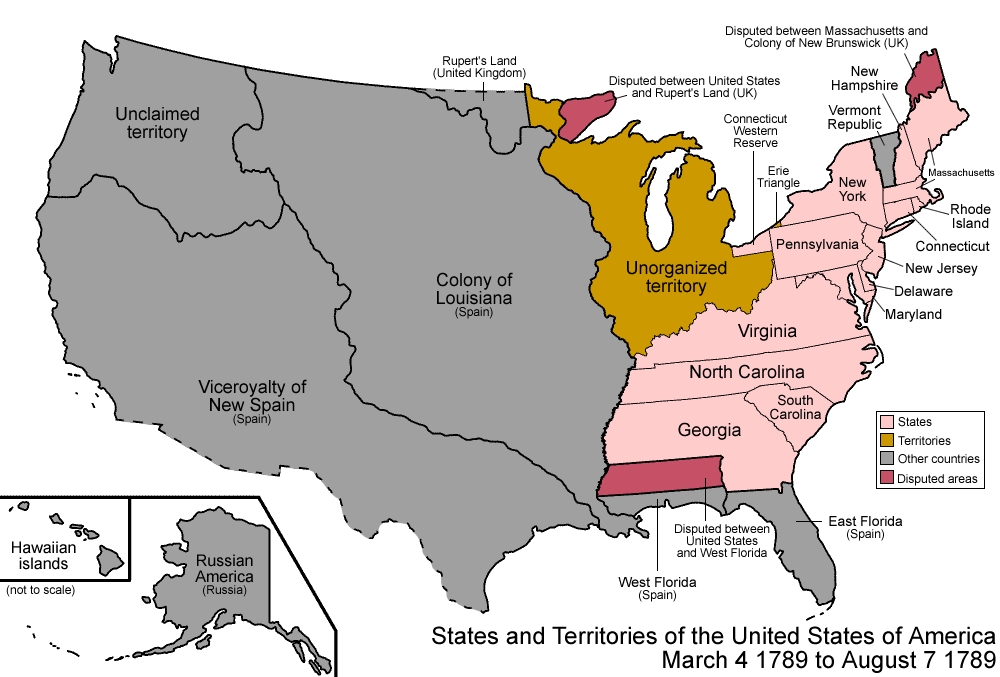
For decades after Lewis and Clark, the region remained primarily a fur-trapping frontier, with isolated trading posts dotting the landscape. Gradually, more permanent settlements began to form. The land that would become Montana was successively part of various larger territories: initially the Oregon Territory (1848), then portions were absorbed into the Washington Territory (1853), and later the Nebraska Territory (1854) and Idaho Territory (1863). The constant reorganization reflected the dynamic westward expansion and the challenges of governing such distant and rapidly developing lands.
The Gold Rush Era and Rapid Growth
The true catalyst for Montana’s transformation and its eventual push for statehood was the discovery of gold. The 1860s brought a series of dramatic gold strikes that ignited a furious rush, drawing thousands of prospectors, merchants, and fortune-seekers from across the nation. Places like Bannack (1862), Alder Gulch (1863), and Last Chance Gulch (1864) became boomtowns almost overnight. Virginia City, born from the Alder Gulch strike, quickly became the largest settlement and a center of early territorial governance. Last Chance Gulch would eventually grow into Helena, the future state capital.
The influx of population created an urgent need for law and order, infrastructure, and a more stable form of governance. The lawless nature of the mining camps, often plagued by vigilante justice, underscored the inadequacy of being merely a remote part of the Idaho Territory. Recognizing this, on May 26, 1864, Congress passed the Organic Act establishing the Montana Territory. This was a crucial step, granting the region its own territorial government, including a governor, a legislature, and a judicial system. This period also saw the rise of cattle ranching and homesteading, further diversifying the economy and bringing more permanent residents to the territory.

As the gold veins began to dwindle, another precious metal took center stage: copper. The late 1870s and 1880s saw the emergence of vast copper deposits, particularly around Butte. Butte rapidly transformed into one of the most significant mining towns in the world, attracting thousands of laborers and immense capital. Figures like Marcus Daly, one of the legendary “Copper Kings,” built vast industrial empires, creating an economic powerhouse that would fuel Montana’s development for decades. The intense rivalry and wealth generated by the copper industry profoundly influenced Montana’s politics and identity. Travelers to Butte today can explore its rich mining heritage, delve into its storied past at the World Museum of Mining, and marvel at the historic architecture that tells tales of immense wealth and hard labor.
Political Maneuvering and Congressional Action
With a burgeoning population, a diversified economy, and a growing sense of self-identity, the push for statehood intensified in the 1880s. The completion of the transcontinental railroads, notably the Northern Pacific Railway in 1883 and later the Great Northern Railway, connected Montana to the rest of the nation, facilitating trade, travel, and further settlement. These railway networks were not just about commerce; they were arteries of civilization, bringing new settlers, goods, and ideas into the heart of the West, shaping early tourism and making remote areas more accessible.
However, political considerations in Washington D.C. often delayed the process. The Democratic and Republican parties were wary of admitting new states that might upset the delicate balance of power in Congress. Eventually, a compromise was reached, leading to the “Omnibus Bill” of 1889. This bill paved the way for the admission of four new western states: North Dakota, South Dakota, Washington, and Montana.
After much debate and convention work to draft a state constitution, Montana’s constitution was ratified by its citizens in August 1889. Finally, on November 8, 1889, President Benjamin Harrison signed the proclamation officially admitting Montana to the Union. This milestone was met with celebrations across the new state, marking the dawn of a new era for its people and its vast landscapes. The elegant State Capitol building in Helena, a significant landmark, stands as a testament to this achievement and features stunning artwork, including famous paintings by Charles M. Russell, which depict the state’s rugged beauty and historical narrative.
Montana’s Allure: Beyond Statehood, A Tourist’s Paradise
Montana’s rich history is just one facet of its appeal. Today, the state is a world-renowned travel destination, offering an unparalleled array of natural wonders, cultural experiences, and adventures for every type of visitor. From luxurious resorts to rustic campgrounds, the state caters to diverse lifestyles and preferences, making it an ideal choice for a memorable trip.
Iconic Natural Landmarks and National Parks
The undisputed crown jewels of Montana’s natural heritage are its national parks and vast wilderness areas.
Glacier National Park: Often called the “Crown of the Continent,” this park is a UNESCO World Heritage Site famous for its pristine forests, alpine meadows, rugged mountains, and over 700 lakes. Driving the iconic Going-to-the-Sun Road is an experience in itself, offering breathtaking views and access to numerous hiking trails. From challenging backcountry treks to leisurely strolls, Glacier promises awe-inspiring beauty and abundant wildlife viewing opportunities.
Yellowstone National Park: While primarily in Wyoming, Montana boasts three of Yellowstone’s five entrances (West Yellowstone, Gardiner, and Cooke City), making it a vital gateway to the world’s first national park. Visitors staying in Montana can easily access Yellowstone’s geysers, hot springs, and diverse wildlife, including bison, elk, and grizzly bears.
Beyond the national parks, Montana is home to countless other natural wonders:
- Flathead Lake: The largest freshwater lake west of the Mississippi River in the contiguous United States, offering unparalleled opportunities for boating, fishing, and swimming.
- Big Sky Resort: A world-class ski resort in winter and a hub for hiking, mountain biking, and zip-lining in summer, epitomizing the adventurous lifestyle that Montana promotes.
- Rocky Mountains and the Continental Divide**: These majestic ranges define much of Montana’s landscape, providing endless opportunities for outdoor exploration, from fly-fishing in the Gallatin River or Madison River to wilderness backpacking.
Historic Cities and Cultural Gems
Montana’s cities and towns are vibrant hubs that blend historical charm with modern amenities, offering rich cultural experiences.
- Helena: The state capital, born from a gold rush, boasts a beautifully preserved historic downtown, the magnificent State Capitol, and the Montana Historical Society Museum, which showcases the state’s past. The Old Governor’s Mansion and Reeder’s Alley offer a glimpse into the late 19th-century Helena.
- Bozeman: A rapidly growing city known for its vibrant arts scene, outdoor access, and proximity to Big Sky Resort and Yellowstone National Park. The Museum of the Rockies is a must-visit, famous for its dinosaur fossil collection.
- Missoula: A liberal, university town nestled in the Bitterroot Valley, offering excellent fly-fishing on the Clark Fork River, lively breweries, and a thriving cultural scene.
- Butte: The “Richest Hill on Earth,” Butte is a testament to Montana’s copper mining heritage. Its historic architecture and industrial landmarks are a National Historic Landmark District.
- Virginia City and Nevada City: Well-preserved 1860s gold rush towns that transport visitors back in time with their historic buildings, stagecoach rides, and old-timey shops. These living museums offer a palpable connection to Montana’s territorial era.
- Livingston: A charming town on the Yellowstone River, known for its historic downtown and as a gateway to Yellowstone’s north entrance.
- Whitefish and Kalispell: Located near Flathead Lake and Glacier National Park, these towns offer resort amenities, outdoor adventures, and a welcoming atmosphere.
Planning Your Montana Adventure: Accommodation and Experiences
Whether you’re drawn by history, nature, or adventure, planning a trip to Montana means considering the diverse accommodation and myriad experiences available. Montana’s statehood history laid the groundwork for the development of infrastructure that now supports a robust tourism industry.
Diverse Accommodation Options
From luxury resorts to cozy cabins, Montana offers a wide spectrum of lodging choices to suit every budget and style of travel.
- Luxury Hotels and Resorts: For those seeking a lavish experience, Montana boasts world-class establishments like The Resort at Paws Up near Greenough, offering glamping tents and luxury homes with unparalleled amenities. Chico Hot Springs Resort near Livingston combines historic charm with natural hot springs, perfect for relaxation after a day of exploration. Many cities also offer boutique hotels and upscale suites with modern comforts.
- Vacation Rentals and Apartments: Ideal for families or longer stays, platforms offer numerous villas, cabins, and apartments across the state, especially near popular attractions like Glacier National Park or ski areas. This allows visitors to enjoy local lifestyle and self-catering flexibility.
- Dude Ranches: For a truly authentic Montana experience, consider a stay at a working dude ranch. These accommodations offer horseback riding, cattle drives, and a taste of cowboy lifestyle, making them a unique attraction in themselves.
- Budget-Friendly Options: Beyond luxury, Montana has plenty of motels, campgrounds, and economical hotels that provide comfortable stays for budget travel adventurers. Detailed booking and comparison guides are readily available online to help plan your perfect trip.
Experiencing Montana’s Lifestyle
Montana is synonymous with an active, outdoor lifestyle.
- Outdoor Adventures: Engage in world-class fly-fishing on the Missouri River or Flathead River, hike countless trails in the National Forests, or explore by mountain bike. In winter, skiing and snowboarding at resorts like Big Sky and Whitefish Mountain Resort are paramount.
- Wildlife Viewing: Montana is a haven for wildlife. Spot grizzly bears, elk, moose, and bald eagles in their natural habitats, especially in and around the national parks.
- Cultural Immersion: Beyond the grand landmarks, delve into Montana’s vibrant local culture. Visit the C.M. Russell Museum Complex in Great Falls to appreciate the iconic cowboy artist’s work, or attend a rodeo for a taste of authentic Western heritage. Explore smaller, charming towns like Philipsburg, famous for its candy store and sapphire mining, or the historic St. Ignatius Mission, a testament to early missionary efforts and Native American history.
- Food and Drink: Sample local bison burgers, huckleberry treats, and craft beers from Montana’s numerous microbreweries. The farm-to-table movement is strong, offering fresh, local ingredients for a truly Montanan culinary experience.
From the political machinations that led to its statehood to the wild beauty that continues to define it, Montana offers a compelling narrative for anyone interested in history, nature, and adventure. Its journey to becoming the 41st state on November 8, 1889, created the foundation for the vibrant, diverse, and stunning destination that captivates travelers worldwide today. Whether you’re planning a family trip to Glacier, a business stay in Bozeman, or a long-term stay exploring the state’s hidden gems, Montana truly embodies the spirit of the American West.
LifeOutOfTheBox is a participant in the Amazon Services LLC Associates Program, an affiliate advertising program designed to provide a means for sites to earn advertising fees by advertising and linking to Amazon.com. Amazon, the Amazon logo, AmazonSupply, and the AmazonSupply logo are trademarks of Amazon.com, Inc. or its affiliates. As an Amazon Associate we earn affiliate commissions from qualifying purchases.