
The vibrant and diverse state of Nevada, often hailed as the “Silver State” or the “Battle Born State,” officially joined the United States of America on October 31, 1864. Its admission as the 36th state occurred during one of the most tumultuous periods in American history, the American Civil War, a factor that profoundly shaped its path to statehood and its early development. From its humble beginnings as a vast, arid frontier explored by pioneers and prospectors, Nevada transformed into a land of incredible wealth, political significance, and, eventually, a global hub for tourism, entertainment, and unique lifestyle experiences. Understanding when and why Nevada became a state offers a fascinating glimpse into the interwoven narratives of manifest destiny, resource exploitation, national unity, and the enduring human quest for opportunity and adventure.
Today, Nevada stands as a testament to reinvention and resilience, attracting millions of visitors annually to its dazzling cities, majestic natural landmarks, and an array of accommodation options ranging from opulent resorts to charming boutique hotels. Its journey from a sparsely populated territory to a modern marvel is not just a tale of political maneuvering but also a narrative rich in cultural heritage, geological wonders, and the entrepreneurial spirit that continues to define its identity.
The Path to Statehood: A Silver-Lined Destiny
The land that would become Nevada was initially part of the vast territories claimed by Spain and later the Mexican Republic. Following the Mexican-American War and the subsequent Treaty of Guadalupe Hidalgo in 1848, the region, along with much of the American Southwest, was ceded to the United States. Initially, this expansive territory was integrated into the newly formed Utah Territory in 1850, a decision largely influenced by the presence of Mormon settlers led by Brigham Young, who had established communities in what is now modern-day Utah. The western reaches of this territory, however, remained largely unsettled by non-Native Americans, with its rugged mountains and arid deserts posing significant challenges. Indigenous tribes such as the Paiute, Shoshone, and Washoe had inhabited these lands for millennia, their ancestral way of life deeply intertwined with the unique environment.
Early Exploration and Territorial Beginnings
Before the discovery that would irrevocably alter its trajectory, Nevada was primarily a transit point for pioneers heading to the California Gold Rush in the late 1840s. These early travelers often viewed the territory as merely an obstacle to overcome, a harsh desert landscape between the Great Plains and the promised riches of California. Isolated trading posts and small settlements began to emerge to serve these weary travelers, laying the very nascent groundwork for future communities. The logistical challenges of governing such a vast and remote area from Salt Lake City – the capital of the Utah Territory – quickly became apparent. Disputes over legal jurisdiction, land ownership, and the rights of miners vs. settlers created a clamor for a more localized form of governance. These early rumblings of self-determination, though minor at first, hinted at a future separate from Utah.
The Comstock Lode and the Population Boom
The true catalyst for Nevada’s rapid development and eventual statehood came in 1859 with the monumental discovery of the Comstock Lode near present-day Virginia City. This massive deposit of silver and gold was one of the richest ore bodies ever discovered in North America. News of the Comstock Lode sparked a frantic rush similar to the California Gold Rush a decade earlier. Prospectors, miners, merchants, and adventurers from across the United States and beyond flocked to the rugged hills of western Nevada.
Towns like Virginia City exploded overnight, transforming from desolate outposts into bustling, cosmopolitan centers boasting opera houses, grand hotels, and thriving businesses. The sudden influx of tens of thousands of people brought immense wealth but also created significant administrative and social challenges. The burgeoning population, largely independent and often at odds with the distant Mormon government in Salt Lake City, demanded a government more attuned to their specific needs. This growing sentiment for autonomy led to the establishment of the Nevada Territory on March 2, 1861, officially separating it from Utah. The stage was now set for the next, even more dramatic, phase of its history.
Statehood Amidst Conflict: Nevada’s Role in the Civil War
The timing of Nevada’s territorial organization and its subsequent push for statehood was inextricably linked to the escalating tensions and eventual outbreak of the American Civil War. As the nation plunged into a bloody conflict between the Union and the Confederacy, the vast mineral wealth of the Comstock Lode in Nevada suddenly took on immense national importance.
The Urgent Need for Union Support
President Abraham Lincoln and the Union government recognized the strategic value of Nevada’s silver and gold mines. These precious metals were crucial for financing the Union war effort, paying soldiers, purchasing supplies, and maintaining economic stability during a period of unprecedented national crisis. Securing direct control over these resources was paramount. Furthermore, Lincoln sought to bolster the Union’s political strength in Congress. Adding new states that were firmly aligned with the Union cause meant additional electoral votes, two new senators, and more representatives in the House, all of which would help pass crucial wartime legislation, including the Thirteenth Amendment to abolish slavery.
The territorial government of Nevada, populated largely by individuals from Northern states and those with strong anti-slavery sentiments, was staunchly pro-Union. Despite its relatively small population compared to other states, its strategic importance made it a prime candidate for rapid statehood.
The Speedy Ratification Process
The path to statehood for Nevada was remarkably swift, driven by the pressing needs of the Union. After two failed attempts to draft a state constitution (one rejected by voters for controversial tax provisions and another falling short on technicalities), a third constitutional convention was convened in 1864. This time, the process was streamlined, and the constitution was approved by a popular vote in September 1864.
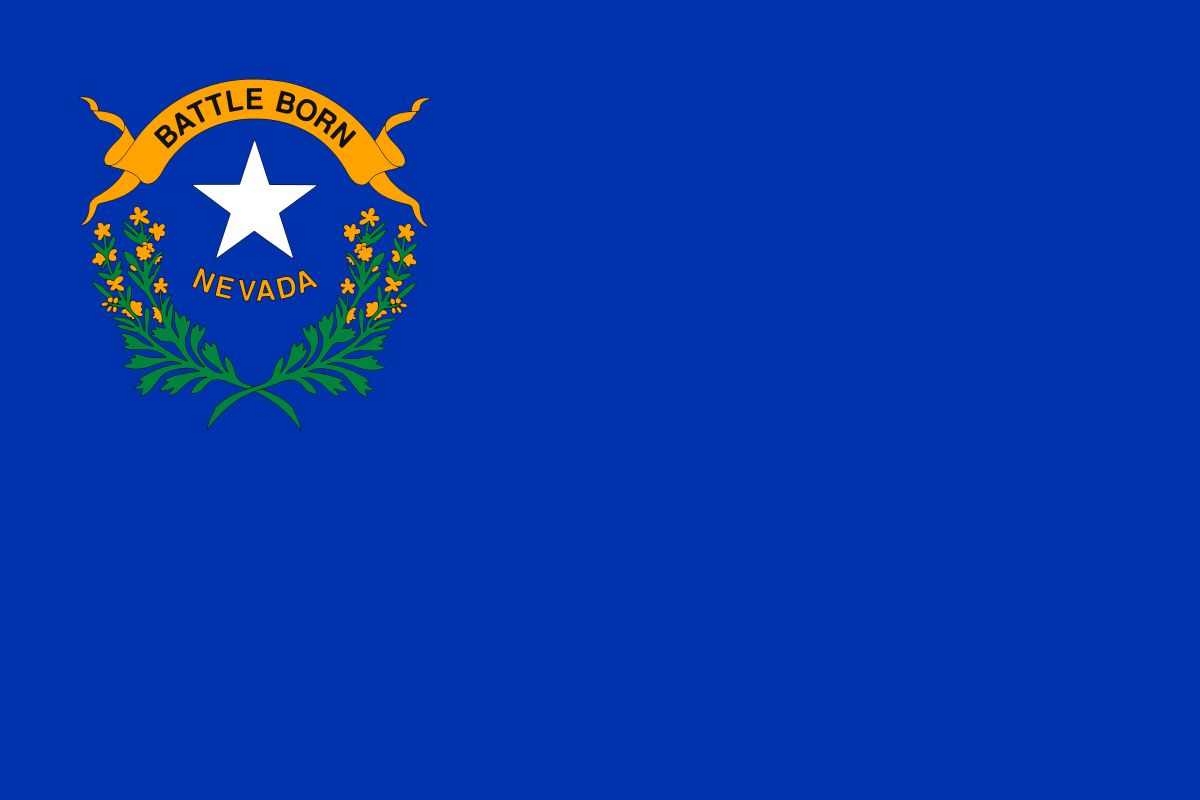
What followed was a truly extraordinary event in American history. To ensure its timely admission before the presidential election of 1864 and to prevent any delays that could hinder the Union cause, the entire text of the Nevada Constitution – all 16,000 words – was telegraphed directly to Washington D.C. This monumental telegraph transmission, costing an astronomical (for the time) $4,303.27, allowed President Lincoln to formally declare Nevada a state on October 31, 1864, just eight days before the election. This incredible feat of communication and political urgency solidified Nevada’s nickname, the “Battle Born State,” a moniker proudly displayed on its state flag, reflecting its birth during the crucible of the Civil War. Its contributions of silver and gold played a vital role in financing the Union, and its votes helped secure Lincoln’s re-election, proving its pivotal, if unexpected, role in shaping the nation’s destiny.

From Mining Frontier to Modern Marvel: Nevada’s Evolution
Following statehood, Nevada’s economic fortunes remained largely tied to mining for several decades. While the initial boom of the Comstock Lode eventually waned, new discoveries of silver, copper, and other minerals across the state led to a series of smaller booms and busts. Towns sprang up and disappeared with the discovery and depletion of ore, painting a vivid picture of frontier life. The state’s vast, arid landscape continued to pose challenges for agriculture and traditional industries, leading its leaders to seek innovative ways to drive economic growth and attract population.
The Rise of Reno and Las Vegas: Entertainment Capitals
The early 20th century marked a significant turning point for Nevada. Recognizing its unique geographic and demographic position, the state began to craft a distinct identity based on liberal laws and a welcoming attitude towards entertainment and rapid divorce. In 1931, in an effort to generate revenue and attract visitors, Nevada legalized open gambling, a decision that would forever change its future. Concurrently, the state also enacted famously lenient divorce laws, making it a popular destination for those seeking quick marital dissolution, particularly in Reno, which earned the nickname “The Biggest Little City in the World.”
However, it was Las Vegas, a small railroad town in the southern part of the state, that would eventually eclipse Reno and become a global phenomenon. The construction of the Hoover Dam in the 1930s brought thousands of workers to the region, creating a demand for entertainment and services. Post-World War II, with the rise of organized crime figures who saw potential in the legalized gambling and liberal environment, Las Vegas began its spectacular transformation. The development of opulent hotels and casinos along the famed Las Vegas Strip, such as the Flamingo and later iconic establishments like the Bellagio, Caesars Palace, and The Venetian Resort, cemented its status as the “Entertainment Capital of the World.” Today, Las Vegas offers an unparalleled array of experiences, from world-class dining and shopping to spectacular shows, concerts, and nightlife, defining a unique lifestyle for millions.
Natural Wonders and Iconic Landmarks
Beyond the glittering lights of its cities, Nevada is a land of stunning natural beauty and historical landmarks. The diverse landscape includes vast deserts, towering mountain ranges, and pristine alpine lakes, offering a stark contrast to its urban centers. The majestic Lake Tahoe, straddling the border with California, is renowned for its crystal-clear waters and surrounding ski resorts, offering year-round outdoor activities and a picturesque escape. The aforementioned Hoover Dam, a colossal engineering marvel on the Colorado River, not only powers much of the Southwest but also stands as a testament to human ingenuity and a popular tourist attraction.
The state is also home to significant protected areas, including parts of Death Valley National Park, known for its extreme temperatures and unique desert ecosystems, and the entirely Nevada-based Great Basin National Park, which features ancient bristlecone pines, Lehman Caves, and a diverse range of flora and fauna. Near Las Vegas, the Red Rock Canyon National Conservation Area provides breathtaking scenic drives, hiking trails, and rock-climbing opportunities amidst vibrant red sandstone formations. These natural wonders provide ample opportunity for adventure travel and exploration, showcasing another facet of Nevada’s appeal.
Nevada Today: A Premier Destination for Travel and Lifestyle
Today, Nevada continues to evolve, embracing its history while constantly innovating. It remains a magnet for travel, tourism, and those seeking a dynamic lifestyle. The state’s economy, while still heavily reliant on gaming and hospitality, has diversified into technology, renewable energy, and logistics, attracting a new wave of residents and businesses. Its unique blend of urban sophistication and untamed wilderness offers an unparalleled range of experiences for every type of visitor.
Diverse Attractions and Accommodations
From the pulsating energy of Las Vegas with its world-class hotels, Michelin-starred restaurants, and electrifying entertainment, to the serene beauty of Lake Tahoe offering skiing in winter and water sports in summer, Nevada caters to a wide spectrum of preferences. Reno and its surrounding areas provide a blend of outdoor adventure and casino entertainment, while historic towns like Virginia City transport visitors back to the silver rush era with their preserved buildings and vibrant history.
When it comes to accommodation, Nevada offers everything from ultra-luxury resorts on the Strip offering all-inclusive experiences, to cozy cabins nestled in the Sierra Nevada mountains, and family-friendly hotels equipped with extensive amenities. For longer stays, there are numerous apartment-style options and villas available, particularly appealing for business travelers or those seeking an extended escape. The state’s infrastructure is geared towards making every trip memorable, with efficient booking systems, comprehensive reviews, and comparison tools readily available for planning the perfect stay.
Experiencing the Silver State’s Unique Appeal
Nevada embodies a spirit of freedom and possibility. It’s a place where history intertwines with modernity, where natural beauty coexists with man-made marvels, and where diverse cultures create a vibrant tapestry of experiences. Whether one is drawn to the high-stakes excitement of the casinos, the tranquility of a desert hike, the adrenaline of winter sports, or the rich historical narratives of its mining towns, the Silver State promises an adventure. Its “Battle Born” heritage reminds us of its pivotal role in American history, a legacy it continues to honor through its dynamic growth and its unwavering commitment to offering unique and unforgettable travel and lifestyle opportunities for everyone who visits. From its origins as a territorial outpost to its current status as a global destination, Nevada’s journey is a compelling testament to its enduring allure and its significant place within the United States of America.