
The question of “When did New Mexico become a state?” is a fascinating dive into American history, revealing a journey fraught with political struggles, cultural complexities, and the enduring spirit of its people. For travelers, understanding this history enriches any visit to the “Land of Enchantment,” providing context for its unique blend of Native American, Spanish Colonial, and Anglo American influences. The definitive answer is January 6, 1912, when New Mexico officially joined the United States as the 47th state. This momentous occasion, however, was the culmination of more than six decades of persistent effort, marked by numerous petitions, congressional debates, and the unwavering resolve of its residents.
The path to statehood for New Mexico was exceptionally long and challenging, making it one of the last continental territories to achieve this status. Its unique cultural makeup, primarily Spanish-speaking and Catholic, alongside significant Native American populations, created specific hurdles in a Protestant and largely English-speaking nation grappling with westward expansion and evolving identity. Today, these very characteristics are what make New Mexico an unparalleled destination for travelers seeking authentic cultural experiences, stunning landscapes, and a deep connection to history.
The Long Road to Statehood: A Century in the Making
The journey to becoming a state was not a straightforward process for New Mexico; it was a saga that began long before the idea of formal U.S. statehood was even conceived. Its roots trace back to ancient civilizations and the arrival of European powers.
From Ancient Cultures to Spanish Colonial Rule
Before any European set foot in what is now New Mexico, the region was home to thriving Native American cultures, most notably the Ancestral Puebloans, whose sophisticated cliff dwellings and vast settlements, like those found at Chaco Culture National Historical Park or Bandelier National Monument, attest to a rich history spanning millennia. The descendants of these peoples, the modern-day Pueblo peoples, along with the Navajo and Apache nations, continue to maintain their unique traditions and presence throughout the state.
The Spanish arrived in the late 16th century, establishing what would become the oldest continuously inhabited European settlement in the United States at Ohkay Owingeh Pueblo and later Santa Fe in 1610. For over two centuries, New Mexico was a remote outpost of New Spain, developing a distinct Hispano culture that blended Spanish traditions with local indigenous practices. This deep-seated heritage is visible today in the architecture, cuisine, language, and spiritual practices found across the state, particularly in cities like Santa Fe and Taos.

Following Mexico’s independence from Spain in 1821, New Mexico became a province of the new nation of Mexico. This period saw increased trade along the Santa Fe Trail, bringing American traders and influences into the region. However, Mexican rule was relatively brief.
The Territory of New Mexico and the Struggle for Admission
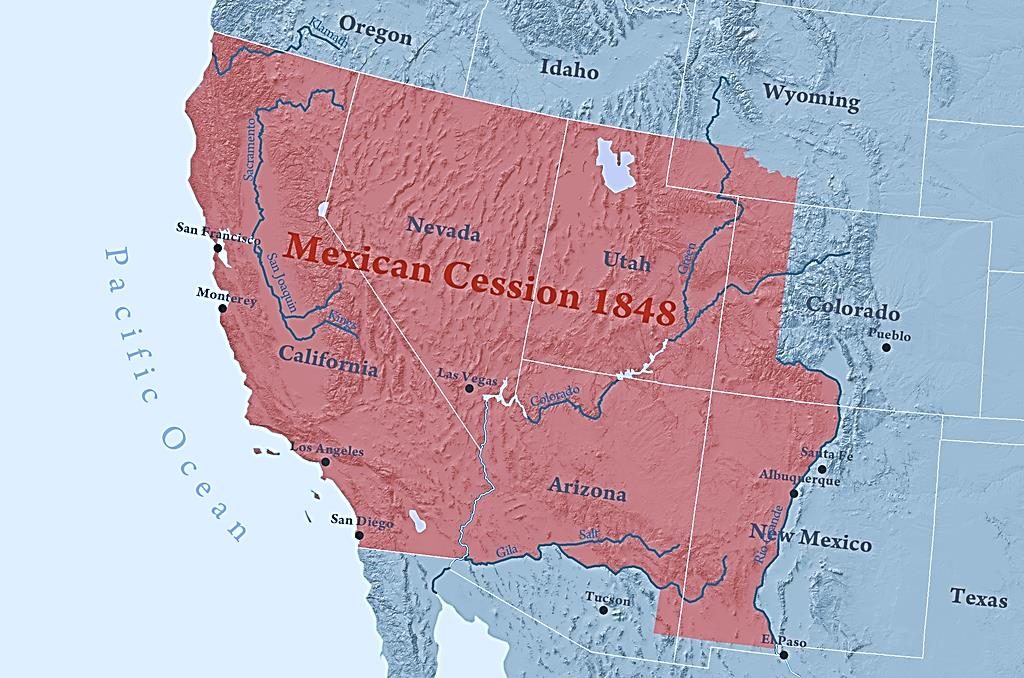
The turning point came with the Mexican-American War (1846-1848). Following U.S. victory, the Treaty of Guadalupe Hidalgo ceded vast territories, including New Mexico, to the United States. In 1850, as part of the Compromise of 1850, the Territory of New Mexico was established. This marked the official beginning of its quest for statehood, a journey that would span over 60 years.
The reasons for this prolonged delay were manifold and complex:
- Slavery Debate: The looming national crisis over slavery made Congress hesitant to admit new states that might tip the balance between free and slave states. New Mexico’s stance on slavery was often ambiguous or divided, leading to a political deadlock.
- Cultural and Linguistic Differences: The predominantly Hispano population, with its Spanish language and Catholic faith, was viewed with suspicion by some Anglo-American politicians who questioned their loyalty and fitness for self-governance within the United States. Concerns were raised about whether these populations could adequately assimilate.
- Perceived “Wild West” Image: Despite its long history of organized governance, New Mexico was often stereotyped as a lawless frontier, which further fueled congressional reluctance.
- Political Inertia and Partisan Politics: Statehood bills repeatedly failed due to shifting political tides, partisan rivalries (Democrats versus Republicans), and the fluctuating priorities of the U.S. House of Representatives and the U.S. Senate. At times, statehood for New Mexico was linked to the admission of Arizona, often hindering both.
Despite these obstacles, the people of New Mexico Territory never ceased their advocacy. They drafted numerous state constitutions, sent delegates to Washington D.C. to lobby Congress, and consistently demonstrated their capacity for self-governance. The turn of the 20th century brought renewed momentum, as the nation increasingly looked to complete its continental expansion.
January 6, 1912: A New Chapter Begins
The early 20th century saw a shift in political dynamics that finally cleared the path for New Mexico’s long-awaited statehood.
The Official Proclamation and Its Significance
After decades of legislative wrangling, a statehood bill for both New Mexico and Arizona was passed by Congress in 1910, following considerable political maneuvering by proponents from both territories. The act outlined specific requirements, including the drafting of an acceptable state constitution and a popular vote on its adoption. New Mexico moved swiftly to meet these requirements.
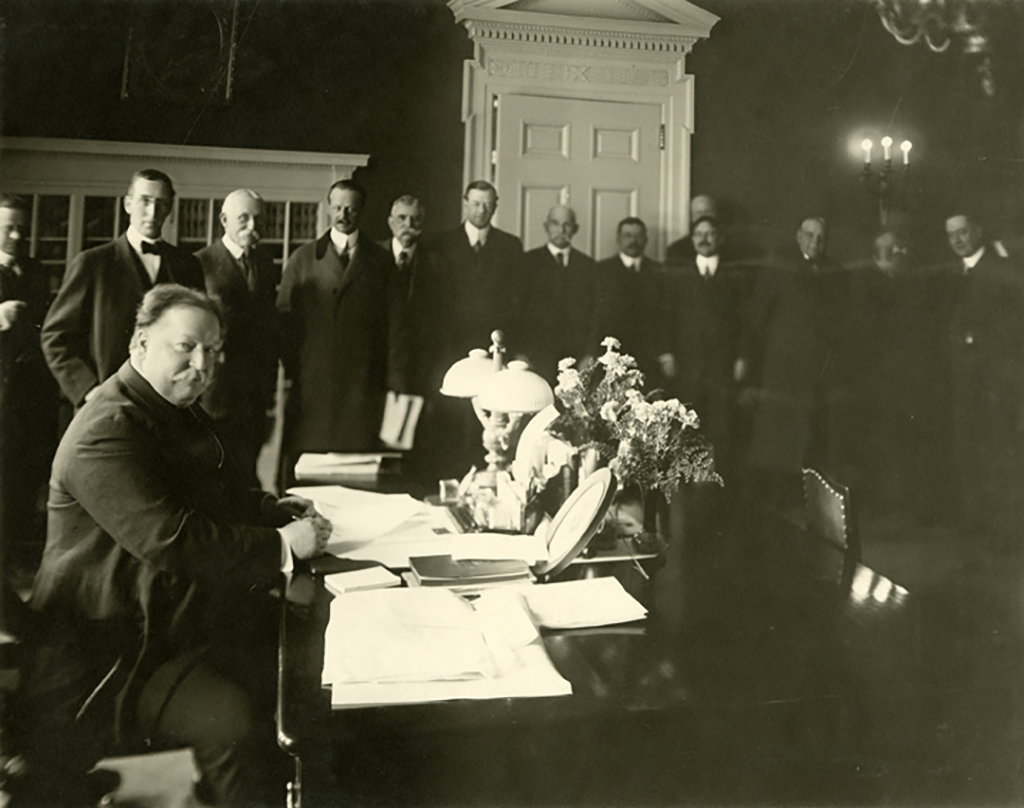
On January 6, 1912, the moment finally arrived. President William Howard Taft signed the proclamation admitting New Mexico into the Union as the 47th state. Just over a month later, on February 14, 1912, Arizona would follow as the 48th, completing the continental United States with the exception of Alaska and Hawaii.
The declaration of statehood was met with widespread celebration across New Mexico. It represented not just political emancipation but also a recognition of its distinct cultural identity within the broader American mosaic. For the people of New Mexico, it meant full representation in the U.S. Congress and an equal voice in national affairs, marking the end of a long period of territorial subservience and the dawn of a new era of self-determination and growth.
New Mexico Today: A Land of Enchantment for Travelers
The history that shaped New Mexico’s path to statehood is precisely what makes it such an extraordinary destination for travel and tourism today. Its deep cultural layers, combined with breathtaking natural beauty, offer an experience unlike any other in the United States.
Iconic Destinations and Unforgettable Experiences
For visitors, New Mexico offers a plethora of destinations and activities that cater to every interest:
- Santa Fe: The state capital, Santa Fe, is a cultural hub renowned for its adobe architecture, vibrant art scene, and historic Plaza. Travelers can explore the Palace of the Governors, visit the Georgia O’Keeffe Museum, or wander through the galleries on Canyon Road. The city’s unique ambiance makes it a top choice for those seeking a blend of history, art, and exquisite dining.
- Taos: Nestled in the Sangre de Cristo Mountains, Taos is famous for Taos Pueblo, a multi-story adobe complex that has been continuously inhabited for over 1,000 years and is a UNESCO World Heritage Site. The town is also a haven for artists, with numerous galleries and outdoor adventure opportunities, including skiing at Taos Ski Valley and hiking in the surrounding wilderness.
- Albuquerque: As New Mexico’s largest city, Albuquerque blends urban sophistication with rich heritage. Its historic Old Town offers a glimpse into its Spanish Colonial past, while modern attractions like the Indian Pueblo Cultural Center celebrate Native American traditions. Albuquerque is also home to the spectacular Albuquerque International Balloon Fiesta each October, drawing visitors from around the globe.
- Natural Wonders: Beyond its cities, New Mexico boasts incredible natural landmarks. White Sands National Park, with its pristine gypsum dunes, offers a surreal landscape perfect for sledding or photography. Carlsbad Caverns National Park reveals a hidden subterranean world of magnificent cave formations. For hikers and history buffs, the Gila Cliff Dwellings National Monument provides a glimpse into the lives of ancient peoples.
- Historic Route 66: A significant stretch of the iconic “Mother Road” runs through New Mexico, offering nostalgic road trips through towns like Tucumcari and Gallup, complete with classic diners and roadside attractions.
A Fusion of Cultures: Food, Art, and Festivals
The cultural tapestry woven by New Mexico’s history is perhaps most evident in its vibrant culinary scene and lively festivals. New Mexican cuisine, distinct from Tex-Mex or traditional Mexican food, is famous for its use of Hatch green chile, often asked as “red or green?” (referring to the color of the chile sauce). Dishes like enchiladas, breakfast burritos, and chile rellenos take on a unique, flavorful dimension here. Food tours are a popular way to explore this delicious heritage, tasting everything from sophisticated fine dining to authentic street food.
The arts thrive in New Mexico, reflecting its diverse heritage. Native American art, including pottery, jewelry, and weaving, is celebrated at numerous markets and galleries, particularly during events like the Santa Fe Indian Market. Spanish Colonial art, from retablos to santos, can be found in historic churches and museums. The state’s landscape has also inspired countless artists, from Georgia O’Keeffe to contemporary figures, making art galleries and studios a common sight in towns like Santa Fe and Taos.
Festivals punctuate the calendar year, offering deep dives into local culture. Beyond the Albuquerque International Balloon Fiesta, there’s Santa Fe Fiestas, celebrating the reconquest by Don Diego de Vargas, and numerous Pueblo feast days and dances that visitors can respectfully attend, experiencing ancient traditions firsthand.
Where to Stay: Accommodations Blending History and Comfort
Accommodation in New Mexico often reflects its unique heritage and commitment to hospitality. From luxurious resorts to cozy historic inns, there are options to suit every travel style and budget.
- Luxury Resorts and Spas: Cities like Santa Fe boast world-class resorts such as La Posada de Santa Fe, a Tribute Portfolio Resort & Spa, which offers upscale amenities, exquisite dining, and often features traditional adobe architecture. For wellness and relaxation, places like Ojo Caliente Mineral Springs Resort & Spa or Ten Thousand Waves near Santa Fe provide unique spa experiences inspired by local traditions.
- Boutique Hotels and Historic Inns: Many towns feature charming boutique hotels housed in historic buildings, offering a blend of modern comforts and authentic regional character. These often provide a more intimate and personalized experience, allowing guests to soak in the local atmosphere.
- Unique Stays: For those seeking a truly immersive experience, consider booking a traditional casita or a room in a historic hacienda. These types of accommodation offer a glimpse into New Mexico’s past, complete with kiva fireplaces, hand-carved furniture, and beautiful courtyards.
- Modern Hotels and Vacation Rentals: In larger cities like Albuquerque, a wide range of chain hotels and vacation rentals are available, offering convenience and amenities for families, business travelers, and budget-conscious adventurers. The Hotel Albuquerque at Old Town is an excellent example of a hotel that marries modern comfort with a historic setting.
Planning Your Enchanting New Mexico Adventure
When planning your visit to this captivating state, consider the time of year. Each season offers a different charm: vibrant springs with blooming cacti, warm summers perfect for exploring high-altitude trails, breathtaking autumns painted with golden aspens and the spectacle of the Balloon Fiesta, and serene winters ideal for skiing or enjoying cozy adobe fireplaces.
To truly appreciate New Mexico’s essence, allow ample time to explore beyond the main cities. Venture into smaller towns like Chimayo, home to the sacred El Santuario de Chimayo, or Truth or Consequences, known for its hot springs. Embrace the slow pace, engage with local artisans, and savor the distinct flavors.
The story of “When Did New Mexico Become A State?” is far more than a simple date; it’s an epic tale of resilience, cultural preservation, and the enduring allure of a place that fought to maintain its identity while integrating into a larger nation. Today, this rich history is the bedrock of New Mexico’s appeal as a premier travel destination, inviting visitors to uncover its magic one adobe building, one chile dish, and one ancient landscape at a time. Whether you’re a history buff, an art enthusiast, an outdoor adventurer, or a culinary explorer, New Mexico offers an enchanting journey that promises to leave a lasting impression.
LifeOutOfTheBox is a participant in the Amazon Services LLC Associates Program, an affiliate advertising program designed to provide a means for sites to earn advertising fees by advertising and linking to Amazon.com. Amazon, the Amazon logo, AmazonSupply, and the AmazonSupply logo are trademarks of Amazon.com, Inc. or its affiliates. As an Amazon Associate we earn affiliate commissions from qualifying purchases.