
The question of when Puerto Rico became a territory is not merely a historical footnote but a pivotal moment that profoundly shaped the island’s identity, culture, and political landscape. For travelers drawn to its vibrant streets, sun-kissed beaches, and rich heritage, understanding this transition offers a deeper appreciation of what makes Puerto Rico such a unique destination. The answer lies at the crossroads of international conflict and diplomatic negotiation, specifically stemming from the Spanish-American War and solidified by the Treaty of Paris in late 1898. This article delves into the historical context leading up to this transformation, its immediate and long-term consequences, and how this unique territorial status has contributed to Puerto Rico’s enduring appeal as a travel hotspot today.
A Brief History of Puerto Rico Before U.S. Acquisition
To fully grasp the significance of Puerto Rico’s shift to a U.S. territory, it’s essential to understand its centuries-long history under Spanish rule. This era laid the foundation for much of the island’s distinctive culture, architecture, and traditions that visitors experience today.
Indigenous Roots and Spanish Colonization
Before the arrival of Europeans, Puerto Rico was home to the Taino people, an indigenous Arawakan group who called the island “Borikén,” meaning “land of the brave lord.” Their sophisticated society thrived on agriculture, fishing, and a rich oral tradition, leaving an indelible mark on the island’s early history and nomenclature.
The course of Puerto Rico’s destiny dramatically altered in 1493 when Christopher Columbus landed on its shores during his second voyage to the Americas. He claimed the island for Spain, initially naming it San Juan Bautista. Over the ensuing decades, Spanish colonization took root, marked by the establishment of settlements, the introduction of European diseases and agricultural practices, and the tragic decline of the Taino population.
The first major European settlement, now the capital city of San Juan, was founded in 1521. Its strategic location made it a crucial military outpost for Spain in the Caribbean, protecting its vast colonial empire from rival European powers and pirates. This necessity led to the construction of formidable fortifications that stand as majestic landmarks today, such as El Morro (Castillo San Felipe del Morro) and La Fortaleza. These colossal fortresses, with their imposing walls and intricate designs, are not only testaments to Spanish colonial engineering but also serve as magnets for tourists, offering panoramic views and a tangible connection to centuries of history. Visitors can walk the same ramparts where Spanish soldiers once stood guard, imagining a time of galleons and cannon fire. The streets of Old San Juan, with their vibrant colonial architecture, cobblestone thoroughfares, and charming plazas, further immerse travelers in this rich historical tapestry, reflecting the profound Spanish influence on the island’s urban planning and cultural aesthetics.

The Quest for Autonomy
By the 19th century, as Spain‘s vast empire began to wane and nationalist sentiments swept across Latin America, movements for greater autonomy and independence gained momentum in Puerto Rico. Educated elites and various political factions increasingly called for reforms, seeking a greater say in their own governance and economy. The late 1800s saw a burgeoning political consciousness, with prominent figures advocating for self-rule.
In a significant move that underscored the growing pressure for self-governance, Spain granted Puerto Rico an Autonomic Charter in November 1897. This charter provided for a local parliament with substantial powers and represented a crucial step towards greater self-determination. Had events unfolded differently, Puerto Rico might have charted a very different course. However, this newfound autonomy was short-lived, as geopolitical forces were already at play that would dramatically alter the island’s future, pulling it away from its Spanish roots and into the orbit of a rising global power: the United States. The promise of internal self-government, a dream nurtured by many Puerto Ricans for decades, would soon be supplanted by a new colonial relationship.
The Dawn of a New Era: The Spanish-American War and the Treaty of Paris
The year 1898 marked a definitive turning point for Puerto Rico, pivoting it from a centuries-old Spanish colony to an unincorporated territory of the United States. This dramatic shift was the direct outcome of a swift and decisive conflict that reshaped global power dynamics.
The Conflict Unfolds
The Spanish-American War erupted in April 1898, primarily driven by United States intervention in the Cuban War of Independence. Growing American economic interests in Cuba and a strong public outcry over alleged Spanish atrocities, sensationalized by the “yellow journalism” of the era, created an atmosphere ripe for conflict. The sinking of the USS Maine in Havana harbor served as the immediate catalyst, igniting hostilities between the United States and Spain.
Though much of the initial fighting focused on Cuba and the Philippines, Puerto Rico quickly became a strategic target for the United States. On July 25, 1898, U.S. troops landed in Guánica, on Puerto Rico‘s southern coast, beginning the invasion of the island. The invasion was relatively brief, met with varying degrees of resistance and, in some cases, even welcome from Puerto Ricans hopeful for an end to Spanish rule and the promise of greater liberties. Key battles and skirmishes occurred across the island, but the overwhelming military superiority of the United States quickly brought Spanish defenses to their knees. The cessation of hostilities came swiftly, paving the way for diplomatic negotiations that would formalize Puerto Rico‘s new status.

The Treaty of Paris: December 10, 1898
The definitive answer to “When did Puerto Rico become a territory?” can be pinpointed to December 10, 1898. On this day, representatives from the United States and Spain gathered in Paris, France, to sign the Treaty of Paris, officially ending the Spanish-American War.
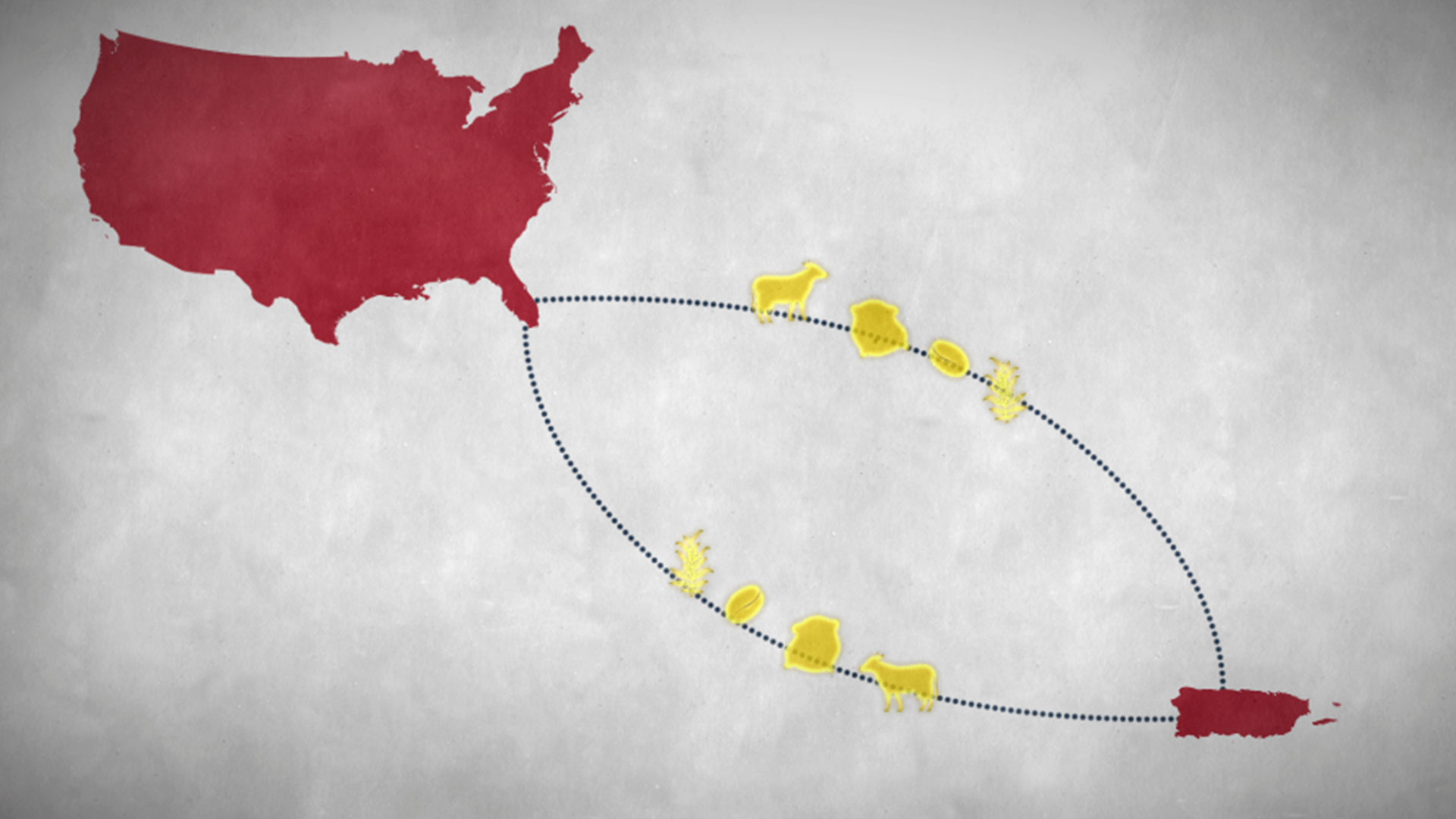
Under the terms of this landmark treaty, Spain ceded Cuba and Puerto Rico, along with the island of Guam in the Pacific, directly to the United States. Furthermore, Spain sold the Philippines to the United States for $20 million. For Puerto Rico, this meant an immediate transfer of sovereignty from Spain to the United States. Overnight, after more than four centuries of Spanish dominion, the island became a possession of the United States, with its future political status left ambiguous but unequivocally outside of Spanish control. This act irrevocably changed Puerto Rico‘s trajectory, ushering in a new era defined by American influence, governance, and eventually, the complex relationship that defines its territorial status to this day. For travelers, understanding this moment explains the unique blend of Spanish colonial charm and American conveniences that characterize the island, making it a fascinating cultural crossroads.
Establishing U.S. Sovereignty and Shaping Modern Puerto Rico
Following the Treaty of Paris, the United States set about establishing its administrative control over Puerto Rico. This period saw the introduction of American laws, institutions, and economic policies, fundamentally reshaping the island’s governance and society.
The Foraker Act of 1900
The initial years of U.S. rule were characterized by military governance. However, recognizing the need for a more permanent civil administration, the U.S. Congress passed the Foraker Act (officially the Organic Act of 1900) on April 12, 1900. This act was instrumental in defining Puerto Rico‘s early relationship with the United States.
The Foraker Act officially established a civilian government for Puerto Rico, replacing the military administration. Crucially, it designated Puerto Rico as an “unincorporated territory” of the United States. This legal classification meant that the U.S. Constitution did not apply in full to the island, and its residents were not automatically granted U.S. citizenship. Instead, they were considered citizens of Puerto Rico and subject to U.S. federal laws, but without full constitutional rights or representation in the U.S. Congress. The act provided for a governor and an executive council appointed by the U.S. president, alongside a locally elected House of Delegates. Economically, it abolished customs duties between Puerto Rico and the mainland United States, integrating the island into the American economic system, but also imposed tariffs on foreign goods, redirecting Puerto Rico‘s trade relations. This period saw significant infrastructure development, including roads, schools, and public health initiatives, reflecting American investment and influence.
The Jones-Shafroth Act of 1917
Seventeen years later, in response to growing calls for greater self-governance and the need to clarify the status of Puerto Ricans, the U.S. Congress passed the Jones-Shafroth Act (officially the Organic Act of 1917) on March 2, 1917. This act represented another significant milestone in Puerto Rico‘s territorial evolution.
The most profound change brought about by the Jones-Shafroth Act was the granting of U.S. statutory citizenship to Puerto Ricans. While it wasn’t full constitutional citizenship, it provided Puerto Ricans with the right to travel freely to the mainland United States and, notably, made them eligible for military service, just as the United States was preparing to enter World War I. The act also restructured the local government, establishing a locally elected Senate and expanding the powers of the House of Representatives, granting Puerto Ricans more control over their internal affairs. It also included a Bill of Rights, extending certain fundamental protections. However, key federal positions, such as the governor and certain members of the judiciary, continued to be appointed by the U.S. president, and the U.S. Congress retained ultimate authority over the island.
The Jones-Shafroth Act solidified Puerto Rico‘s status as a U.S. territory, albeit one with a unique political relationship that continues to be debated. The question of statehood, independence, or enhanced commonwealth status remains a central theme in Puerto Rican politics, reflecting the enduring legacy of 1898 and the subsequent legislative acts that defined its bond with the United States. For visitors, this unique political history translates into a fascinating cultural blend, where American efficiency meets Latin charm, offering a travel experience unlike any other.
Puerto Rico Today: A Vibrant U.S. Territory and Premier Travel Destination
While its historical journey to becoming a U.S. territory is complex, today, Puerto Rico thrives as a vibrant and accessible travel destination, its unique status contributing to its allure. The island’s rich history, diverse landscapes, and dynamic culture offer an unparalleled experience for every type of traveler.
Exploring the Island’s Rich Heritage and Natural Beauty
The historical narrative, from Taino heritage to Spanish colonization and U.S. territorial status, is woven into the very fabric of Puerto Rico‘s attractions. The colonial splendor of Old San Juan remains a primary draw, designated a UNESCO World Heritage site. Its narrow, brightly painted streets, adorned with blue cobblestones (adoquines), lead visitors to architectural marvels like El Morro and Castillo San Cristóbal (often referred to simply as San Cristobal). These magnificent forts not only tell tales of military strategy and defense but also offer breathtaking views of the Atlantic Ocean, making them perfect spots for photography and historical immersion. Exploring these landmarks is like stepping back in time, revealing the layers of history that have shaped the island.
Beyond the historical urban centers, Puerto Rico boasts an astonishing array of natural wonders. The El Yunque National Forest, the only tropical rainforest in the U.S. National Forest system, is a haven for nature lovers. Its lush trails, cascading waterfalls (like La Coca Falls), and diverse biodiversity invite visitors to hike, explore, and connect with nature. Imagine swimming in cool, natural pools after a scenic trek – an unforgettable experience.
For something truly magical, Puerto Rico is home to several bioluminescent bays, where microorganisms glow when disturbed. Kayaking through these glowing waters at night in places like Vieques, Fajardo, or La Parguera is an otherworldly adventure that captivates all who witness it. And, of course, no visit to a Caribbean island is complete without beach time. Puerto Rico offers an abundance of pristine beaches, from the surfing paradise of Rincon on the west coast to the world-renowned Flamenco Beach on the island of Culebra, often cited as one of the best beaches globally, famous for its white sand and turquoise waters. These natural landmarks and attractions are a testament to the island’s incredible diversity, offering everything from historical exploration to thrilling outdoor adventures.
Experiencing Puerto Rican Culture, Food, and Lifestyle
The blend of Taino, Spanish, and African influences, seasoned with a dash of American modernity, creates a unique Puerto Rican culture that is vibrant, resilient, and incredibly welcoming. Music is the heartbeat of the island, with salsa, bomba y plena, and reggaeton filling the air in plazas and dance halls. Festivals, like the San Sebastian Street Festival in Old San Juan, are exuberant celebrations of music, art, and community, offering an authentic glimpse into local life.
The food scene is a destination in itself. Puerto Rican cuisine, known as cocina criolla, is a delicious fusion of flavors. Staples include mofongo (fried plantains mashed with garlic and pork cracklings), lechón (slow-roasted whole pig), and alcapurrias (fried fritters). Don’t forget to sample the island’s famous rum, with distilleries offering tours and tastings. From fine dining restaurants in San Juan to roadside kiosks (chinchorros) offering authentic snacks, there’s something to tantalize every palate. The warm hospitality of Puerto Ricans makes every meal and interaction a memorable experience, reflecting a lively lifestyle deeply rooted in family and tradition.
Planning Your Puerto Rico Getaway: Accommodation and Tips
For travelers planning a visit, Puerto Rico offers a wide range of accommodation options to suit every budget and style, reinforcing its status as a premier destination. In San Juan, you can find everything from luxurious resorts like the historic Condado Vanderbilt Hotel or sophisticated boutique hotels such as the O:live Boutique Hotel, which offers a chic, intimate experience in the Condado district. For those seeking a more local feel, charming guesthouses and vacation rentals are plentiful, especially in areas like Old San Juan or beachfront neighborhoods.
Outside of San Juan, coastal towns like Rincon cater to surfers and bohemian travelers with surf hostels and boutique hotels. The upscale area of Dorado offers exclusive resorts and villas for luxury seekers. Booking in advance, especially during peak season (December to April), is always recommended.
Tips for your trip:
- Getting Around: Renting a car offers the most flexibility for exploring beyond San Juan. Ride-sharing services are available in the capital, and taxis are plentiful.
- Language: Spanish and English are the official languages. While English is widely spoken in tourist areas, knowing a few Spanish phrases is always appreciated.
- Currency: As a U.S. territory, the U.S. dollar is the official currency, making travel seamless for Americans.
- Safety: Puerto Rico is generally safe for tourists, but like any destination, it’s wise to be aware of your surroundings, especially at night.
- Connectivity: Given its U.S. territory status, major U.S. cell carriers often treat Puerto Rico as domestic, meaning no roaming charges for many visitors.
In conclusion, Puerto Rico officially became a territory of the United States on December 10, 1898, through the Treaty of Paris. This historical moment transformed the island’s destiny, integrating it into the American political and economic sphere while preserving its rich Spanish and indigenous cultural heritage. Today, this unique blend is precisely what makes Puerto Rico such an enticing destination – a place where ancient forts meet modern resorts, rainforests spill onto vibrant beaches, and a complex history underpins a truly unforgettable travel experience.
LifeOutOfTheBox is a participant in the Amazon Services LLC Associates Program, an affiliate advertising program designed to provide a means for sites to earn advertising fees by advertising and linking to Amazon.com. Amazon, the Amazon logo, AmazonSupply, and the AmazonSupply logo are trademarks of Amazon.com, Inc. or its affiliates. As an Amazon Associate we earn affiliate commissions from qualifying purchases.