
The question “When did Puerto Rico become part of America?” is more complex than a simple date. It encapsulates a rich, intricate history spanning centuries, marked by shifts in colonial power, evolving political statuses, and a distinct cultural identity that makes the island a truly unique destination. While it never officially became a “state” in the sense of the United States of America, Puerto Rico has been a territory under US sovereignty since the late 19th century, profoundly shaping its governance, economy, and the vibrant lifestyle experienced by both its residents and countless visitors. Understanding this historical backdrop is essential for appreciating the island’s captivating blend of Spanish heritage and American influence, which today manifests in everything from its architecture and cuisine to its political landscape and modern tourism appeal.
This article delves into the historical timeline that led to Puerto Rico’s current relationship with the United States, exploring the pivotal moments that defined its journey. Beyond the historical facts, we will also explore what makes Puerto Rico an unparalleled travel destination, from its breathtaking natural beauty and iconic landmarks to its diverse accommodation options and the enriching cultural experiences that await every traveler.
A Historical Journey: From Discovery to Commonwealth
The narrative of Puerto Rico’s relationship with the United States is rooted in centuries of colonial rule, first under Spain and later under American sovereignty. To fully grasp its current status, one must look back at the key events that shaped its destiny.
Spanish Colonial Roots: The Age of Exploration
The story of Puerto Rico in the Western world begins in 1493 when Christopher Columbus landed on its shores during his second voyage to the Americas. He named the island San Juan Bautista, though it later became known as Puerto Rico (Rich Port) due to the abundance of gold believed to be found there. For over four centuries, Puerto Rico remained a strategic Spanish colony, serving as a vital military outpost in the Caribbean and a key port for the transatlantic trade routes.
During this period, the island developed a unique culture, blending indigenous Taíno influences with Spanish traditions and African heritage brought by enslaved people. The Spanish language, Catholicism, and distinct architectural styles, exemplified by the fortifications of Old San Juan, became deeply ingrained. Despite various attempts by other European powers, such as the British and Dutch, to seize control, Puerto Rico remained under Spanish dominion until the late 19th century. By the 1890s, with growing calls for self-governance across its remaining colonies, Spain granted Puerto Rico a Carta Autonómica (Charter of Autonomy) in 1897, giving the island greater self-rule, a significant step towards independence that was tragically short-lived.
The Spanish-American War and Its Aftermath: A New Era Begins
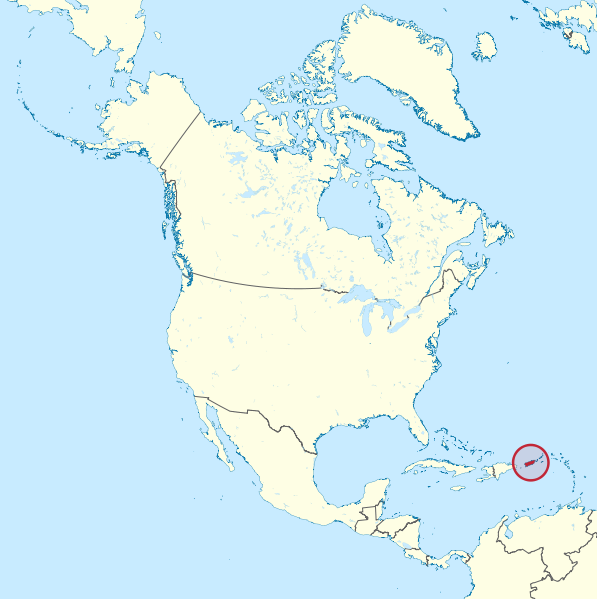
The crucial turning point in Puerto Rico’s history, and the direct answer to when it became part of America in a territorial sense, occurred in 1898. The Spanish-American War, a conflict primarily sparked by events in Cuba, saw the United States emerge as a new global power. As part of this conflict, American forces invaded Puerto Rico on July 25, 1898. The fighting was brief, and by the end of the war, Spain was forced to cede several of its territories to the United States.
The transfer of Puerto Rico to the United States was formalized by the Treaty of Paris, signed on December 10, 1898. This treaty officially ended the Spanish-American War and, along with Cuba and Guam, Puerto Rico became an unincorporated territory of the United States. This date, therefore, marks the moment Puerto Rico formally became part of the American sphere of influence, ending over four centuries of Spanish rule and ushering in a new era of American governance.

Defining a Relationship: The Evolving Status of Puerto Rico
Following the Treaty of Paris, the relationship between Puerto Rico and the United States began to evolve through a series of legislative acts. The Foraker Act of 1900 established a civilian government in Puerto Rico, including a governor appointed by the US President and a local legislature. It also declared Puerto Rico an unincorporated territory, meaning that while it belonged to the United States, the US Constitution did not automatically apply in full.
A more significant change occurred in 1917 with the passage of the Jones-Shafroth Act. This act granted US citizenship to Puerto Ricans, allowing them to serve in the American military, but it did not grant them full voting rights in US presidential elections (unless they reside in one of the 50 states) or full representation in Congress.
The current political status of Puerto Rico was established in 1952 when the island became a commonwealth, adopting its own constitution. While still an unincorporated territory, this status granted Puerto Rico a degree of self-governance, allowing it to manage its internal affairs while remaining subject to US federal law, defense, and foreign policy. This unique arrangement makes Puerto Rico distinct from both independent nations and US states, a complex dynamic that continues to be a subject of ongoing debate and referendums regarding its future status.

Unveiling Puerto Rico’s Allure: A Traveler’s Paradise
Beyond its fascinating political history, Puerto Rico stands as a beacon for travelers seeking a vibrant mix of historical depth, cultural richness, and stunning natural beauty. As a US territory, it offers the convenience of travel without a passport for US citizens, while presenting an exotic Caribbean experience that feels a world away.
Iconic Landmarks and Cultural Tapestry
Puerto Rico’s historical journey has left an indelible mark on its landscape, creating a treasure trove of landmarks that captivate history buffs and casual tourists alike. The crown jewel is undoubtedly Old San Juan, a UNESCO World Heritage site. Its cobblestone streets, colorful colonial buildings, and grand fortresses transport visitors back to the Spanish colonial era.
- El Morro: Officially known as the Castillo San Felipe del Morro, this massive fortress has stood guard over the entrance to San Juan Bay for centuries. Its imposing walls, intricate tunnels, and breathtaking views of the Atlantic Ocean offer a profound sense of history and engineering marvel. Exploring its ramparts and turrets is an immersive experience, revealing tales of pirates, colonial battles, and enduring resilience.
- Castillo San Cristóbal: The largest fortification built by the Spanish in the New World, Castillo San Cristóbal protected San Juan from land-based attacks. Its expansive network of tunnels, moats, and formidable walls provides a comprehensive insight into defensive strategies of the past.
- La Fortaleza: This blue-hued mansion, also a UNESCO World Heritage site, serves as the official residence of the Governor of Puerto Rico. Originally built as a fortress, it’s a stunning example of colonial architecture and a symbol of the island’s enduring governance.
- Ponce: Beyond San Juan, the city of Ponce on the southern coast boasts its own distinct charm with neoclassical architecture, grand plazas, and the iconic Parque de Bombas, a bright red and black former fire station that is now a museum. It offers a different perspective on Puerto Rico’s rich cultural heritage.
The island’s cultural tapestry is woven with vibrant traditions. Music, particularly salsa and reggaeton, is the heartbeat of Puerto Rico, heard everywhere from lively street festivals to elegant dance halls. Art galleries showcase local talent, while museums delve into indigenous Taíno history, colonial artifacts, and modern Puerto Rican identity. Food is another cornerstone of the culture, with a rich culinary scene blending Spanish, African, and Taíno influences to create flavors unique to the island.
Natural Wonders and Outdoor Adventures
Puerto Rico’s geography is as diverse as its history, offering everything from lush rainforests to pristine beaches and mystical bioluminescent bays. It’s an adventurer’s playground and a nature lover’s dream.
- El Yunque National Forest: The only tropical rainforest in the US National Forest System, El Yunque is a natural marvel. Its dense canopy, cascading waterfalls (like La Coca and Juan Diego Falls), and diverse flora and fauna create an enchanting ecosystem. Hiking trails range from easy strolls to challenging ascents, rewarding visitors with panoramic views and the soothing sounds of the coquí frog.
- Beaches of Paradise: Puerto Rico is synonymous with stunning beaches. Flamenco Beach on the island of Culebra is consistently ranked among the world’s best, renowned for its crescent-shaped white sands and crystal-clear turquoise waters, perfect for swimming and snorkeling. Other notable beaches include Luquillo Beach for its calm waters and palm-lined shores, and the surf-centric beaches of Rincón on the west coast.
- Bioluminescent Bays: Puerto Rico is home to three of the world’s five bioluminescent bays, making it a unique natural phenomenon. Mosquito Bay on Vieques is arguably the brightest, where microscopic dinoflagellates light up the water with every disturbance. Kayaking through these glowing waters at night is an ethereal, unforgettable experience.
- Caves and Karst Country: The central and western regions of Puerto Rico feature dramatic karst topography, characterized by limestone hills, sinkholes, and extensive cave systems. The Río Camuy Cave Park, with its vast subterranean chambers and underground river, is one of the largest cave systems in the world and offers guided tours into its mysterious depths.
From ziplining through the rainforest to diving in vibrant coral reefs, Puerto Rico offers an endless array of outdoor activities that cater to every type of adventurer.
Planning Your Puerto Rican Escape: Accommodation & Lifestyle
As a premier travel destination, Puerto Rico excels in offering diverse accommodation options and a lifestyle that seamlessly blends relaxation with exhilarating exploration. Whether you’re seeking luxury, adventure, or a taste of local life, the island caters to every preference.
Choosing Your Stay: From Luxury Resorts to Boutique Hotels
The accommodation landscape in Puerto Rico is as varied as its attractions, ensuring a perfect fit for any traveler and budget.
- Luxury Resorts: For those seeking an opulent escape, the northern coast near Rio Grande and Dorado hosts world-class resorts. Properties like The St. Regis Bahia Beach Resort offer pristine beachfront access, championship golf courses, exquisite dining, and unparalleled service. In San Juan’s fashionable Condado district, the Condado Vanderbilt Hotel blends historic grandeur with modern amenities, providing a sophisticated urban resort experience. These establishments often come with extensive amenities, including spas, infinity pools, private beaches, and concierge services, making them ideal for honeymooners, families, or those simply wishing to indulge.
- Boutique Hotels and Guesthouses: For a more intimate and culturally immersive experience, Old San Juan and other charming towns offer a plethora of boutique hotels. These often occupy beautifully restored colonial buildings, providing unique character, personalized service, and a strong sense of place. Examples include Hotel El Convento in Old San Juan, a former Carmelite nunnery transformed into a luxurious yet historic retreat. Guesthouses and bed-and-breakfasts, especially outside the main tourist hubs, offer a local touch and often provide excellent value.
- Vacation Rentals (Villas and Apartments): For families, groups, or travelers desiring more space and independence, vacation rentals are a popular choice. Platforms like Airbnb and Vrbo offer everything from beachfront villas in Luquillo to stylish apartments in trendy neighborhoods like Santurce or dorms in surf towns like Rincón. These accommodations often come with kitchens, allowing for self-catering and a more budget-friendly approach to dining. Long-term stays are also easily accommodated through these options, perfect for digital nomads or those seeking an extended cultural immersion.
- Budget-Friendly Options: Travelers on a budget will find hostels, basic hotels, and guesthouses throughout the island, particularly in less-trafficked areas. These options provide clean, comfortable stays without the frills, allowing visitors to allocate more of their budget to experiences and activities.
Booking in advance, especially during peak season (December to April), is always recommended to secure the best rates and availability. Reviews and comparisons across various booking platforms can help ensure you find the perfect accommodation to match your travel style.
Culinary Delights and Vibrant Nightlife
Puerto Rico’s lifestyle is deeply intertwined with its food and vibrant social scene. The island’s cuisine, known as comida criolla, is a delicious fusion of Spanish, African, and Taíno flavors, characterized by savory stews, fresh seafood, and tropical fruits.
- Must-Try Dishes:
- Mofongo: A quintessential Puerto Rican dish made from fried green plantains mashed with garlic, olive oil, and pork cracklings (chicharrón), often served with a savory broth and filled with choice of meat, seafood, or vegetables.
- Lechón Asado: Slow-roasted whole pig, a staple for festive occasions, boasting crispy skin and tender, flavorful meat. The best place to experience this is often at a “lechonera” in the central mountain region, such as in Guavate.
- Pasteles: Similar to tamales, these are made from a masa of grated green bananas, plantains, and other root vegetables, filled with stewed meat, wrapped in banana leaves, and boiled.
- Fresh Seafood: Given its island location, fresh catch like snapper, mahi-mahi, and octopus are abundant, often prepared al ajillo (with garlic) or fried.
- Piña Colada: Allegedly invented in Puerto Rico, this iconic cocktail of rum, coconut cream, and pineapple juice is a refreshing treat. A visit to the Barrachina Restaurant in Old San Juan or the Caribe Hilton (both claim its invention) is a must.
The nightlife in Puerto Rico is legendary, especially in San Juan. From sophisticated rooftop bars offering panoramic city views to lively salsa clubs where locals and tourists dance until dawn, there’s an energy that is contagious. The La Placita de Santurce transforms from a bustling farmer’s market by day into one of the city’s hottest nightlife spots by night, with numerous bars and restaurants spilling music and chatter onto the streets. For a taste of the island’s rum heritage, a tour of the Bacardí Rum Distillery (Casa Bacardí) across San Juan Bay offers insights into rum production and, of course, tastings.
Practical Tips for a Memorable Trip
To maximize your Puerto Rican adventure, consider these practical tips:
- Transportation: Renting a car is highly recommended for exploring beyond San Juan and reaching natural attractions like El Yunque or the more secluded beaches. Roads are generally well-maintained, but some rural areas can be winding. In San Juan, ride-sharing services and taxis are readily available.
- Language: While Spanish is the primary language, English is widely spoken in tourist areas and by many younger residents. Learning a few basic Spanish phrases, however, will enhance your experience and is always appreciated by locals.
- Currency: The official currency is the US dollar, making transactions straightforward for American travelers.
- Weather: Puerto Rico enjoys a tropical climate year-round. Pack light clothing, swimwear, and rain gear, especially if visiting during the rainy season (May to November). Hurricane season typically runs from June to November, so monitoring forecasts is advisable during these months.
- Safety: Puerto Rico is generally safe for tourists, especially in designated tourist areas. As with any travel, exercise common sense, be aware of your surroundings, and safeguard valuables.
- Connectivity: Puerto Rico uses US phone carriers and electrical outlets, making it easy to stay connected and charge devices. Wi-Fi is widely available in hotels, restaurants, and public areas.
In conclusion, Puerto Rico’s unique status as a US territory, stemming from its transfer to American sovereignty in 1898, has created a destination unlike any other. It offers the convenience and familiarity of American infrastructure alongside the vibrant, distinct culture of the Caribbean. This rich blend of history, culture, and stunning natural beauty, complemented by diverse accommodation and an enticing lifestyle, ensures that any trip to Puerto Rico is not just a vacation, but a profound and unforgettable journey.
LifeOutOfTheBox is a participant in the Amazon Services LLC Associates Program, an affiliate advertising program designed to provide a means for sites to earn advertising fees by advertising and linking to Amazon.com. Amazon, the Amazon logo, AmazonSupply, and the AmazonSupply logo are trademarks of Amazon.com, Inc. or its affiliates. As an Amazon Associate we earn affiliate commissions from qualifying purchases.