
The iconic, undulating streets of San Francisco are often a subject of fascination and a quintessential part of the city’s identity. From the thrilling descents of Lombard Street to the gentle slopes that define its neighborhoods, the topography of San Francisco is anything but flat. However, the question of when San Francisco’s roads became “flattened” is a curious one, hinting at a misunderstanding or perhaps a romanticized notion of the city’s development. This article will delve into the historical evolution of San Francisco’s street grid, explore the geological and engineering challenges that shaped its landscape, and explain why the idea of “flattened roads” is more of a conceptual query than a historical event.
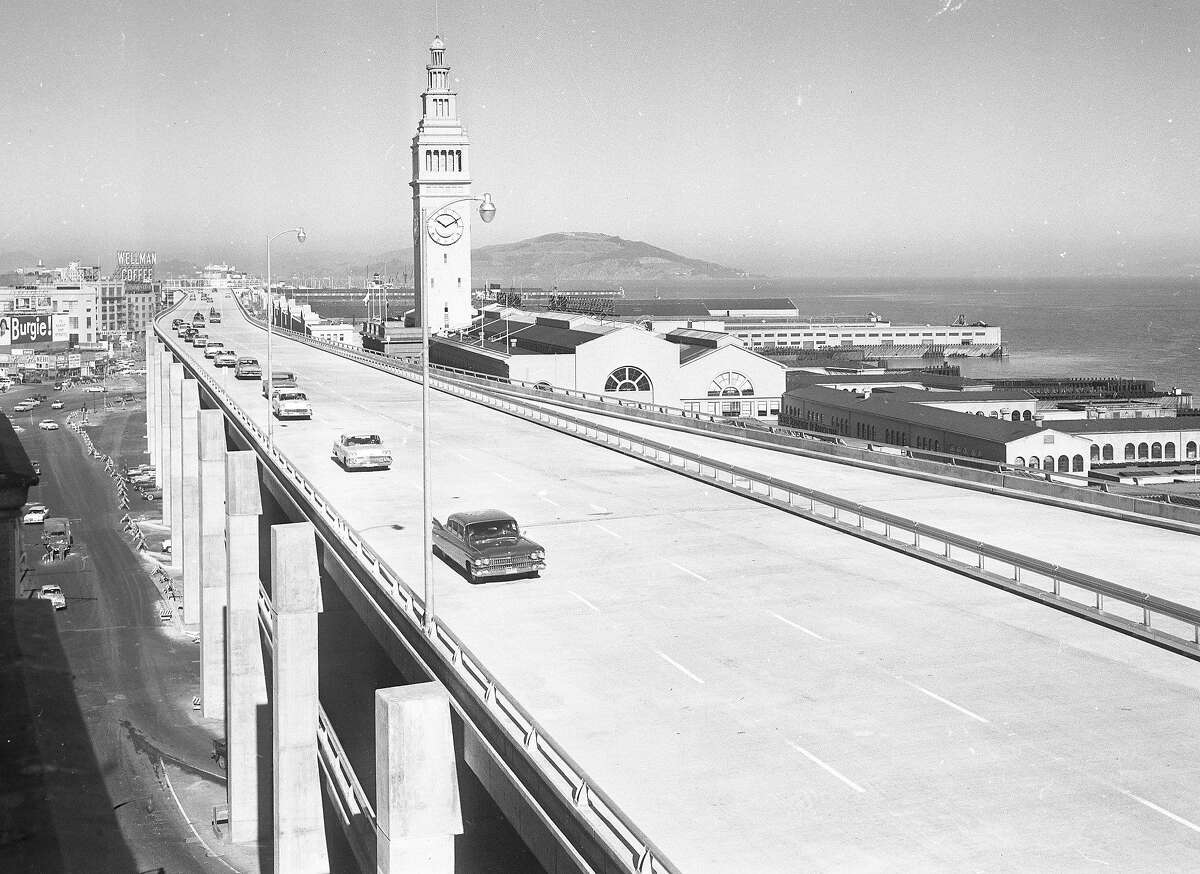
The Untamed Topography of Early San Francisco
When the first settlers and gold-rush prospectors arrived in San Francisco in the mid-19th century, they found a city characterized by dramatic hills and rugged terrain. The natural landscape was far from the manicured urban environments found elsewhere. Steep, windswept hills dominated the peninsula, with valleys and ravines cutting through the nascent settlement. The early street plans were often laid out with a degree of optimism, attempting to impose a grid system onto this challenging topography. However, the reality of building roads and infrastructure in such an environment was a monumental task.
The Grid System and Its Geometric Aspirations
Like many American cities, San Francisco adopted a grid system for its street layout. This urban planning approach, championed for its perceived order and efficiency, aimed to divide the city into uniform blocks. However, the implementation of this grid in San Francisco was consistently at odds with the existing natural contours. Streets were drawn as straight lines, often disregarding the steep inclines and sharp drops that characterized the land. This led to the creation of streets that, on paper, were straight but in reality, became incredibly steep, winding, or even impassable.
Early cartographers and city planners, particularly those involved in the initial subdivisions of land, often projected a relatively level terrain. The vision was one of orderly expansion, with clear street boundaries and block formations. This idealized vision, however, frequently clashed with the actual geography. The gold rush era saw rapid population growth and an urgent need for infrastructure, but the focus was on expediency rather than meticulously engineering roads to conform to the land. The result was a city where the imposed grid met the wild hills, creating a unique and often challenging urban fabric.
The early settlements were concentrated in flatter areas near the waterfront and in sheltered valleys. As the city expanded, pioneers began to tackle the hills, creating rudimentary paths that would eventually be formalized into streets. These early roads were often little more than graded tracks, cut into the hillsides or built up with timber and fill. The concept of “flattening” them, in the sense of leveling them completely, was neither practical nor the primary objective. Instead, the focus was on making them navigable for carts, wagons, and eventually, pedestrians.
Engineering the Hills: A Constant Battle Against Gravity
The history of San Francisco’s street development is a testament to human ingenuity and perseverance in the face of formidable natural obstacles. The steep inclines presented significant engineering challenges, requiring innovative solutions to make transportation feasible. The idea of “flattening” the roads, in a literal sense, was a recurring aspiration, but one that was pursued through various engineering techniques rather than a single historical event.
The Era of Hill-Cutting and Filling
From the mid-19th century onwards, San Francisco embarked on ambitious projects to modify its landscape. Hill-cutting, the process of excavating the tops of hills to reduce their steepness, and filling, the use of excavated material to create level areas or build up low-lying ground, were commonplace. These operations were labor-intensive and often involved basic tools and sheer manpower. Entire hills were reshaped, their summits lowered, and their slopes graded to accommodate the expanding city.
One of the most famous examples of this transformative engineering is the work done in areas like Nob Hill and Telegraph Hill. These neighborhoods, once formidable natural barriers, were significantly altered to allow for construction and the development of street networks. The material removed from the hilltops was often used to fill in ravines, create new land along the waterfront, or further grade existing streets. This process of aggressively reshaping the land fundamentally altered the city’s topography, bringing some degree of “flattening” to previously inaccessible areas.
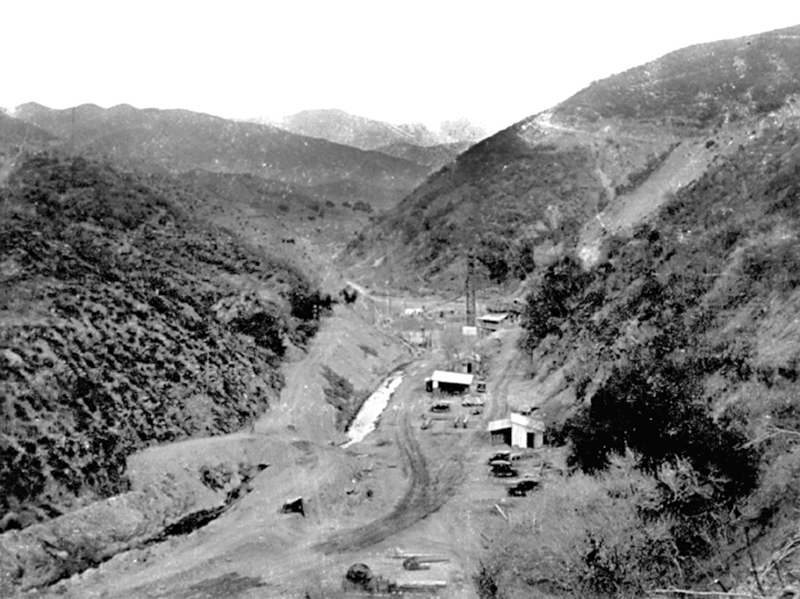
The technological advancements of the time, while rudimentary by today’s standards, were crucial. Steam-powered excavators and grading equipment began to appear, allowing for larger-scale modifications. However, these projects were expensive and time-consuming. The desire to “flatten” roads often meant a compromise: not to make them perfectly level, but to reduce their gradient to a manageable slope that could be traversed by horses and carriages.
The Rise of Cable Cars and Innovative Transit
While engineering efforts aimed to mitigate the steepest inclines, the inherent nature of San Francisco’s hills meant that perfectly flat roads were an unrealistic goal in many areas. This led to the development of unique transportation solutions that embraced, rather than fought, the city’s topography. The most iconic of these is the cable car system.
The invention of the cable car in the late 19th century by Andrew Smith Hallidie was a direct response to the challenges posed by San Francisco’s steep streets. The first successful cable car line, the Clay Street Hill Railroad, began operation in 1873. This revolutionary system used a continuously moving underground cable to pull streetcars up and down the steep inclines, eliminating the need for horses to battle the gradient. The cable cars became a symbol of San Francisco and an integral part of its transportation network, allowing for development in areas previously deemed too challenging for conventional streetcars.
The cable car system did not “flatten” the roads themselves, but it provided a way to navigate them effectively. The streets remained as they were, with their dramatic ups and downs, but the technology offered a smooth and reliable ascent and descent. This innovation allowed the city to expand upwards and outwards, making its hilly terrain a feature rather than an insurmountable obstacle. The cable car’s success underscored the idea that San Francisco’s roads would retain their character, with their gradients being a defining aspect of the urban experience.
The Modern San Francisco: A Blend of History and Pragmatism
Today, San Francisco’s street network is a complex tapestry woven from its natural topography, early grid planning, extensive engineering modifications, and iconic transportation systems. The concept of “flattened roads” in San Francisco is not tied to a specific date or a singular event, but rather represents a continuous process of adaptation and compromise.
Preserving the Character: The Limits of “Flattening”
While significant engineering has occurred over the decades, San Francisco has also made a conscious effort to preserve the unique character of its neighborhoods. Many of the steep, winding streets that were integral to the city’s early development remain largely unchanged, a testament to its history and distinctive charm. Efforts to “flatten” these roads entirely would fundamentally alter the city’s visual identity and its sense of place.
For instance, Lombard Street is famous for its “most crooked street” section, a series of hairpin turns that descend a steep hill. This iconic stretch has been deliberately preserved in its undulating form, a popular tourist attraction that draws visitors from around the world. Similarly, many residential streets in areas like Russian Hill and Pacific Heights retain their steep gradients, offering breathtaking views and a unique urban experience.
The modern city balances the need for accessible infrastructure with the desire to maintain its historical aesthetic. While newer developments might incorporate more conventional grading, older, established streets are often maintained with their existing profiles. This pragmatic approach means that the idea of San Francisco getting “flattened roads” as a singular historical event is inaccurate. Instead, the city has evolved, with some areas becoming more accessible through engineering, while others have retained their dramatic inclines.
The Enduring Allure of the Hills
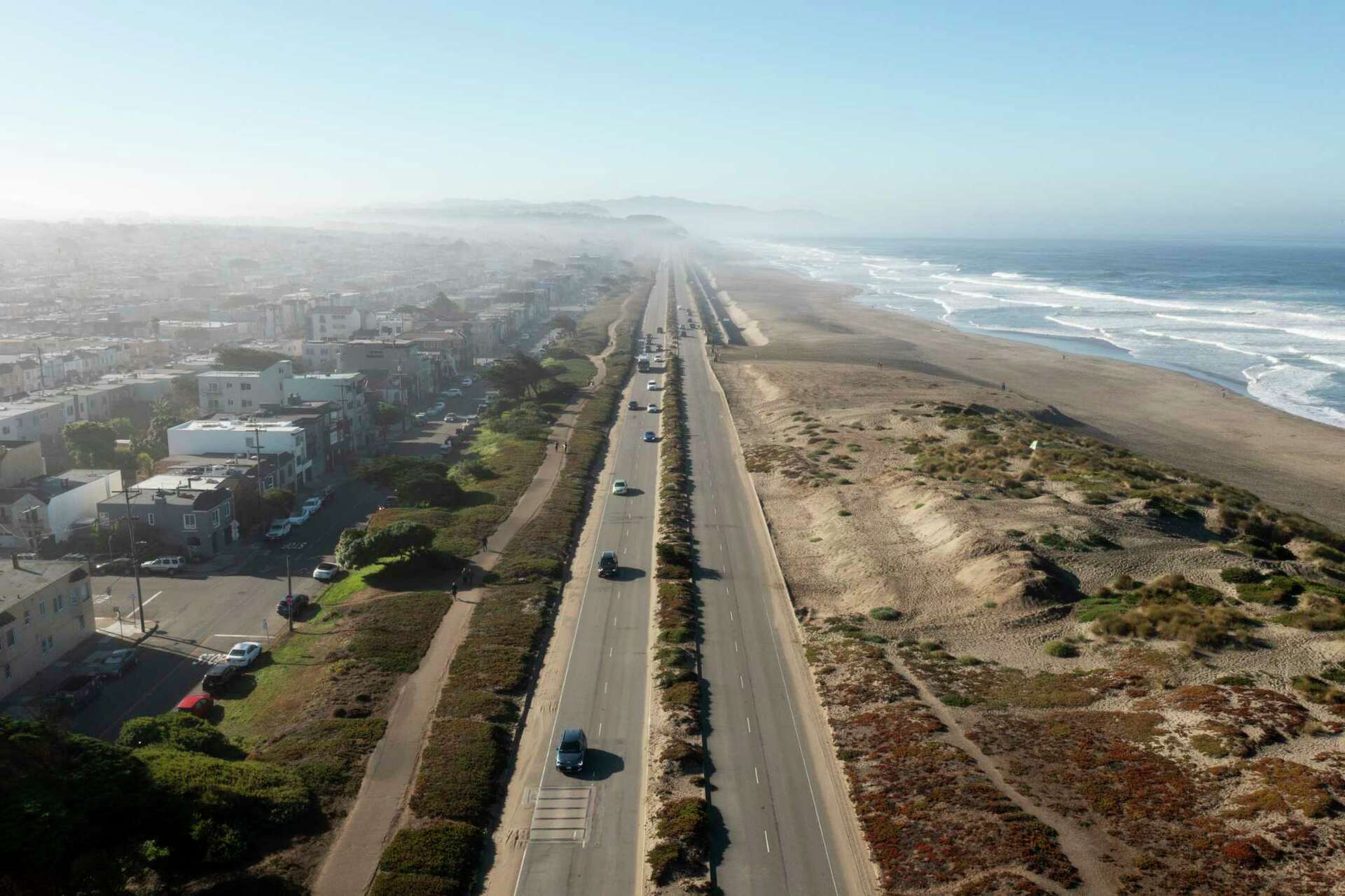
The question of “When Did San Francisco Get Flattened Roads?” is best answered by understanding that the city’s roads were never truly “flattened” in their entirety. Instead, they have been shaped, engineered, and navigated by innovative solutions. The natural topography, with its dramatic hills and valleys, remains a defining characteristic of San Francisco, influencing its architecture, its transportation, and its overall urban experience.
From the pioneering efforts of hill-cutting and filling to the ingenious invention of the cable car, San Francisco has a long history of adapting to its challenging landscape. The city embraces its slopes, turning them into an iconic feature that attracts tourists and defines its unique lifestyle. While some streets have been made more manageable, the spirit of San Francisco’s hilly terrain endures, making it a city that is, in many ways, defined by its undulations rather than its flatness. The charm of San Francisco lies precisely in this dynamic interplay between human ambition and the raw beauty of its natural setting, a characteristic that continues to captivate residents and visitors alike.
LifeOutOfTheBox is a participant in the Amazon Services LLC Associates Program, an affiliate advertising program designed to provide a means for sites to earn advertising fees by advertising and linking to Amazon.com. Amazon, the Amazon logo, AmazonSupply, and the AmazonSupply logo are trademarks of Amazon.com, Inc. or its affiliates. As an Amazon Associate we earn affiliate commissions from qualifying purchases.