
The story of the Los Angeles Lakers is one interwoven with basketball royalty, celebrity glamour, and the vibrant spirit of the City of Angels. For many, the iconic purple and gold jersey immediately conjures images of sunny California, Hollywood stars courtside, and championship parades down Figueroa Street. Yet, the team’s roots lie far from the palm trees and Pacific breezes of Los Angeles. The journey of this legendary franchise is a fascinating tale of evolution, relocation, and the pursuit of a market that could truly embrace its grand ambitions. The definitive answer to when the Lakers made their pivotal move to Los Angeles is 1960. This relocation wasn’t just a change of address; it was a foundational shift that would redefine the team, the sport, and the very culture of professional basketball in America.
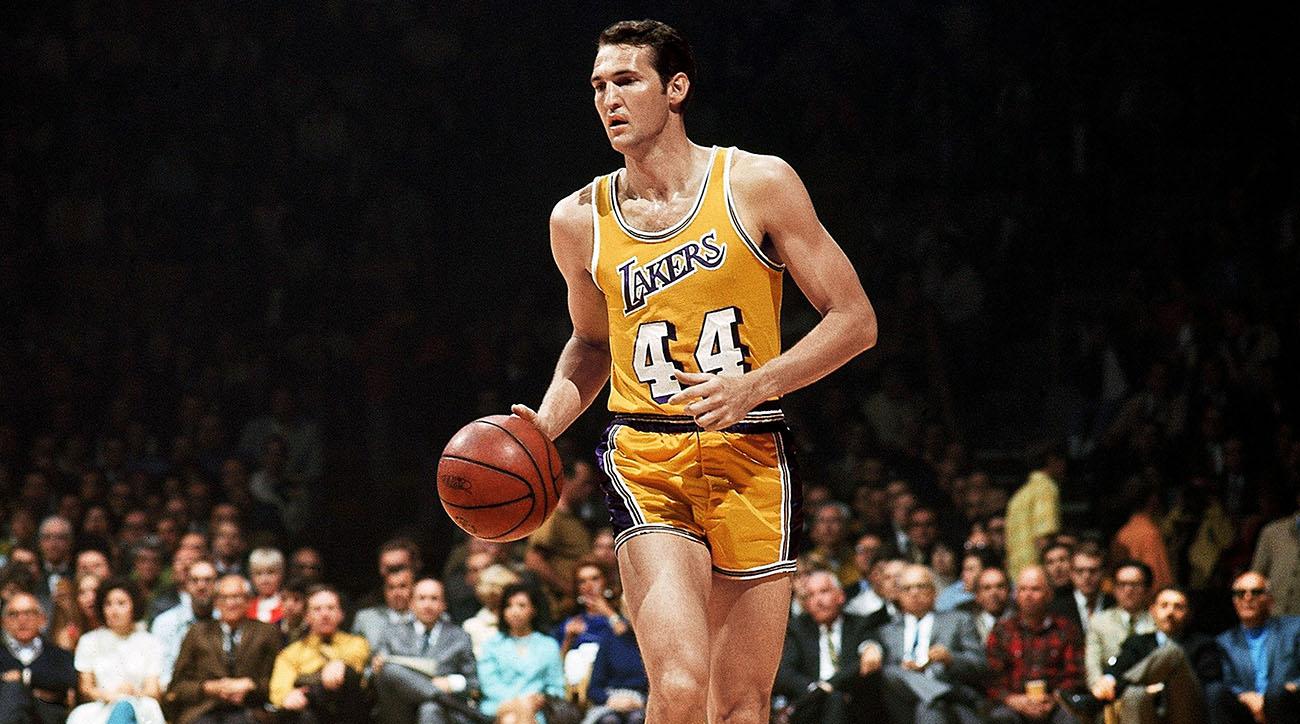
The Minneapolis Roots: A Dynasty Forged in the North
Before they became synonymous with the West Coast lifestyle, the Lakers were the beloved franchise of Minneapolis, Minnesota. Founded in 1947, the team initially played in the National Basketball League (NBL) before joining the Basketball Association of America (BAA), which later merged to form the modern National Basketball Association (NBA). It was in the land of 10,000 lakes that the franchise established its first dynasty, laying the groundwork for the winning tradition that would follow it to California.
Early Success and Local Impact
The Minneapolis Lakers quickly rose to prominence, fueled by the dominant play of their star center, George Mikan. Mikan, often considered the NBA’s first true superstar, led the team to an incredible five championships in a six-year span between 1949 and 1954. During this era, Minneapolis was a bustling Midwest hub, and the Lakers were a source of immense civic pride. Fans flocked to arenas like the Minneapolis Auditorium to witness the team’s unparalleled success. The team’s name itself, “Lakers,” was a direct homage to Minnesota’s reputation as the “North Star State” adorned with numerous bodies of water and nestled amidst the Great Lakes region.
For residents and visitors alike, a trip to Minneapolis during the Lakers era was an experience centered around sports fervor. While modern Minneapolis today boasts attractions like the Mill City Museum, the Stone Arch Bridge, and a vibrant arts scene, in the 1950s, the Lakers were arguably its most famous export. The team’s success put the city on the national sports map and created a deep, albeit ultimately short-lived, connection between the franchise and its original home.
The Shifting Sands of Professional Sports
Despite their on-court glory, the Minneapolis Lakers faced significant challenges off the court as the 1950s drew to a close. The retirement of George Mikan in 1956 marked a turning point, leading to a decline in the team’s performance and, consequently, in attendance and revenue. The economic realities of running a professional basketball franchise in a relatively smaller market like Minneapolis began to bite. The NBA was still a fledgling league, struggling to gain widespread popularity against the dominance of baseball and football. Travel was more arduous, media coverage was limited, and the financial models for sports teams were less sophisticated.
Owner Bob Short found himself grappling with dwindling profits and the mounting costs of operating a professional team. He began to explore options for relocation, eyeing larger, more lucrative markets that could sustain an NBA franchise. The lure of a burgeoning market on the West Coast, specifically Los Angeles, became increasingly attractive. The city offered a larger population base, a growing economy, and a promising future for professional sports. It was a classic case of supply and demand, where the demand for high-level basketball entertainment was outstripping the capacity of the smaller market to provide adequate financial support.
The Transformative Journey Westward: A New Horizon
The decision to move the Lakers from Minneapolis to Los Angeles in 1960 was a pivotal moment not just for the franchise, but for the NBA itself. It signaled a new era of expansion and recognition for the league, tapping into the vibrant and rapidly growing Southern California market.
The Visionary Move to Los Angeles
In 1960, Bob Short made the audacious decision to relocate his struggling Minneapolis Lakers to Los Angeles. This move was seen as a gamble, as professional basketball had yet to truly capture the imagination of the California populace in the same way it had in other regions. However, Short saw the immense potential in the sprawling metropolis, a city rapidly expanding and embracing a new, glamorous identity. He envisioned a team that could embody the California Dream – exciting, dynamic, and star-studded.
The move wasn’t merely about financial survival; it was about ambition. Los Angeles offered a larger media market, a growing population, and the promise of attracting top talent. It was a strategic decision that would prove to be one of the most impactful in NBA history. The team’s name, “Lakers,” was retained despite the obvious lack of natural lakes in Los Angeles, serving as a charming nod to their Midwest heritage, even as they embraced their new identity.
Establishing a Foothold in a New City
Upon their arrival in 1960, the Los Angeles Lakers initially played their home games at the Los Angeles Memorial Sports Arena, a landmark venue that had also hosted events for the 1932 Summer Olympics. The arena, located adjacent to the iconic Los Angeles Memorial Coliseum, provided a grand stage for the team’s early years in LA.
The immediate success of the Lakers in their new home was greatly aided by the presence of two burgeoning superstars: Elgin Baylor and Jerry West. Their electrifying play captivated audiences and quickly established the team as a force to be reckoned with. Baylor’s graceful athleticism and West’s clutch shooting brought a level of excitement that began to draw fans to the Sports Arena. Their partnership not only brought the Lakers to contention but also instilled a winning mentality that would become a hallmark of the franchise. The city of Los Angeles, ever hungry for new entertainment, slowly but surely embraced its new basketball team, setting the stage for decades of unparalleled success and a deep cultural connection.
The Lakers and the Birth of a Los Angeles Legend
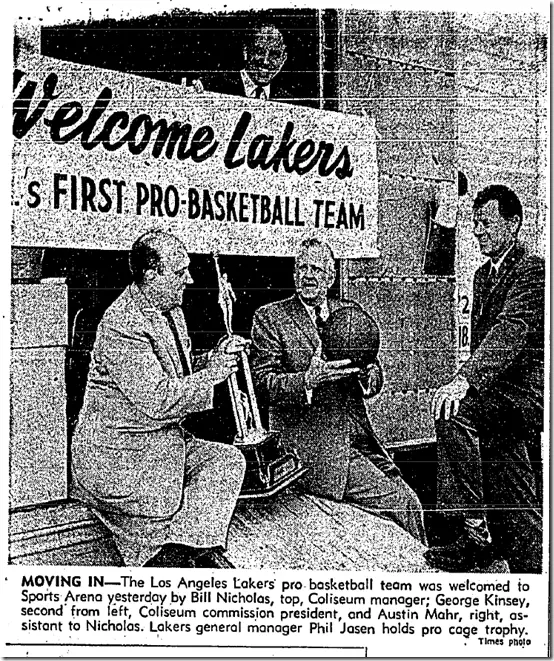
The relocation marked the beginning of a transformation, turning a successful Midwest team into a global phenomenon. The subsequent decades saw the Lakers grow into an integral part of Los Angeles’s identity, influencing everything from celebrity culture to local tourism.
Iconic Arenas and Unforgettable Moments
The Lakers’ journey through Los Angeles is marked by a succession of iconic home arenas, each representing a distinct era in the team’s history. After their initial tenure at the Los Angeles Memorial Sports Arena, the team moved to the opulent The Forum in Inglewood in 1967. Commissioned by then-owner Jack Kent Cooke, The Forum became the ultimate symbol of Lakers glamour and was affectionately known as “The Great Western Forum.” It was here, under the stewardship of later owner Dr. Jerry Buss, that the legendary “Showtime Lakers” dynasty of the 1980s was born, featuring superstars like Magic Johnson, Kareem Abdul-Jabbar, and James Worthy. The dazzling fast-break offense and celebrity-filled courtside seats solidified the team’s reputation as basketball’s ultimate show.
In 1999, the franchise moved to its current state-of-the-art home in Downtown Los Angeles, the Crypto.com Arena (originally known as the Staples Center). This modern marvel became the stage for subsequent championship runs led by dynamos such as Kobe Bryant and Shaquille O’Neal, and more recently, LeBron James. Each arena change marked not just a structural upgrade, but an evolution in the Lakers story, constantly pushing the boundaries of what a professional sports franchise could achieve in terms of entertainment and cultural impact.
Weaving into the Fabric of Southern California Culture
Beyond the court, the Los Angeles Lakers became an integral part of the Southern California lifestyle and the city’s self-perception. Their success mirrored Los Angeles’s own rise as a global center of entertainment, fashion, and innovation. The team’s games became a destination, attracting not just sports fans but also A-list celebrities from Hollywood and Beverly Hills, adding a unique layer of glamour that few other sports teams could replicate. Courtside seats at a Lakers game are as much a fashion statement and a social event as they are an opportunity to watch elite basketball.
This fusion of sports and entertainment solidified the Lakers’ identity as more than just a basketball team; they became a cultural institution. Their impact extended to music, film, and fashion, with the purple and gold colors becoming a recognizable symbol worldwide. The franchise’s ethos of “Showtime” under Dr. Jerry Buss wasn’t just about winning; it was about winning with style, panache, and a relentless pursuit of excellence that resonated deeply with the aspirations of Los Angeles itself. The Lakers became an experience, a quintessential piece of the LA puzzle that draws millions to visit and experience the city’s unique charm.
Experiencing the Lakers Legacy: Travel, Tourism, and Lifestyle in LA
For travelers and basketball enthusiasts alike, experiencing the Los Angeles Lakers legacy offers a unique blend of sports, tourism, and lifestyle that epitomizes the vibrant spirit of Los Angeles. Visiting LA during the basketball season provides an unparalleled opportunity to immerse oneself in the city’s rich culture, where the Lakers are more than just a team; they are a central attraction.
Game Day Immersion: Beyond the Court
A Lakers game day in Los Angeles is an event in itself, drawing visitors from across the globe. The journey begins long before tip-off, with the atmosphere building around the Crypto.com Arena in Downtown Los Angeles. The adjacent L.A. LIVE entertainment complex transforms into a hub of activity, offering a plethora of dining options, from casual eateries to upscale restaurants, perfect for a pre-game meal or post-game celebration. Whether you’re seeking gourmet burgers, authentic tacos, or fine dining, L.A. LIVE caters to every palate, reflecting LA’s diverse culinary scene.
Beyond the food, the area around the arena is a cultural destination. Visitors can explore the Grammy Museum, catch a concert at the Microsoft Theater, or simply soak in the lively ambiance. For those keen on souvenirs, the official Lakers team store offers everything from jerseys and hats to exclusive memorabilia, allowing fans to take a piece of the purple and gold home with them. The walk through L.A. LIVE on game day is an experience in itself, filled with excited fans, street performers, and the palpable energy of a city united by its passion for basketball.
Where to Stay and Explore for the Ultimate Fan Experience
For travelers planning a trip around a Lakers game, Downtown Los Angeles offers a fantastic array of accommodation options to suit every budget and lifestyle. Luxury seekers might opt for a stay at the JW Marriott Los Angeles L.A. LIVE or The Ritz-Carlton, Los Angeles, both providing unparalleled amenities, exquisite dining, and breathtaking city views, just steps away from the arena. These hotels often offer special packages and are perfect for those looking for a high-end travel experience combined with convenient access to the game.
Mid-range options like the AC Hotel Downtown Los Angeles or the historic Hotel Figueroa offer stylish comfort without breaking the bank, providing excellent value for money. For budget-conscious travelers or those looking for longer stays, there are numerous apartment-style accommodations and boutique hotels scattered throughout Downtown LA, many with easy access to public transport for exploring the wider city.
Beyond game day, Los Angeles itself is a treasure trove of landmarks and attractions. A visit to the iconic Hollywood Walk of Fame allows you to literally walk among the stars, while the Griffith Observatory offers stunning panoramic views of the city skyline and the famous Hollywood Sign. For those seeking relaxation, the beaches of Santa Monica Pier offer a classic California experience. Theme park enthusiasts can venture out to Disneyland or Universal Studios Hollywood for world-class entertainment. The Lakers experience thus becomes a gateway to exploring the broader tapestry of Los Angeles, blending sports tourism with iconic attractions and diverse lifestyle offerings.
An Enduring Legacy: The Lakers as a Global Icon
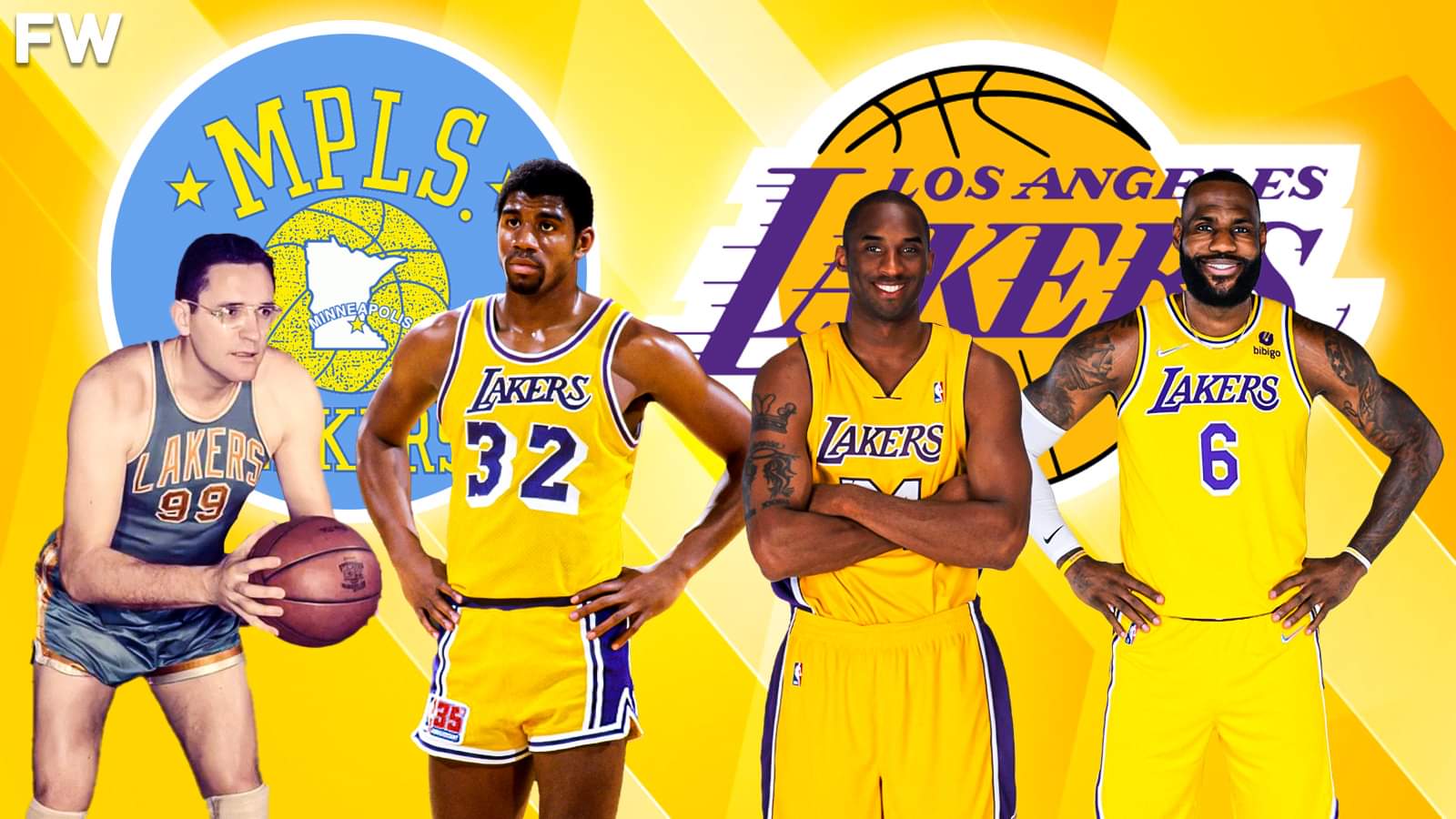
The move in 1960 from Minneapolis to Los Angeles wasn’t just a physical relocation; it was the birth of a global brand. The Los Angeles Lakers have transcended the realm of professional sports to become a cultural touchstone, embodying the ambition, glitz, and dynamic energy of their adopted home. Their legacy is one of consistent excellence, star power, and an unwavering commitment to putting on a show, earning them legions of fans worldwide.
From the quiet, lake-filled landscapes of Minnesota to the sprawling, sun-drenched metropolis of California, the Lakers’ journey is a testament to the transformative power of vision and relocation. They are not merely a basketball team; they are an experience, a symbol of Los Angeles’s relentless pursuit of greatness, and an integral part of the city’s global appeal for travelers seeking both iconic sports moments and unforgettable lifestyle experiences. The answer to “When did the Los Angeles Lakers move to Los Angeles?” is 1960, but the story of their integration into the heart of LA continues to unfold, captivating new generations of fans and visitors alike.
LifeOutOfTheBox is a participant in the Amazon Services LLC Associates Program, an affiliate advertising program designed to provide a means for sites to earn advertising fees by advertising and linking to Amazon.com. Amazon, the Amazon logo, AmazonSupply, and the AmazonSupply logo are trademarks of Amazon.com, Inc. or its affiliates. As an Amazon Associate we earn affiliate commissions from qualifying purchases.