
The story of Hawaii’s acquisition by the United States is a fascinating narrative, steeped in history, international relations, and cultural shifts. While the question “When did the US acquire Hawaii?” might seem to have a straightforward answer, the path to formal annexation was a complex journey spanning decades, marked by pivotal events and figures. The official date of acquisition, through the passage of the Newlands Resolution, was July 7, 1898. However, understanding this moment requires a deeper dive into the sovereign Kingdom of Hawaii that preceded it, the burgeoning American interests in the Pacific, and the dramatic events that ultimately led to its integration into the United States. This historical transition not only reshaped the political landscape of the islands but also laid the foundation for Hawaii to become the unparalleled travel destination it is today, offering a unique blend of indigenous culture, American influence, and breathtaking natural beauty. From its majestic volcanoes and pristine beaches to its vibrant cities and luxurious resorts, Hawaii embodies a rich tapestry of experiences, deeply intertwined with its storied past.
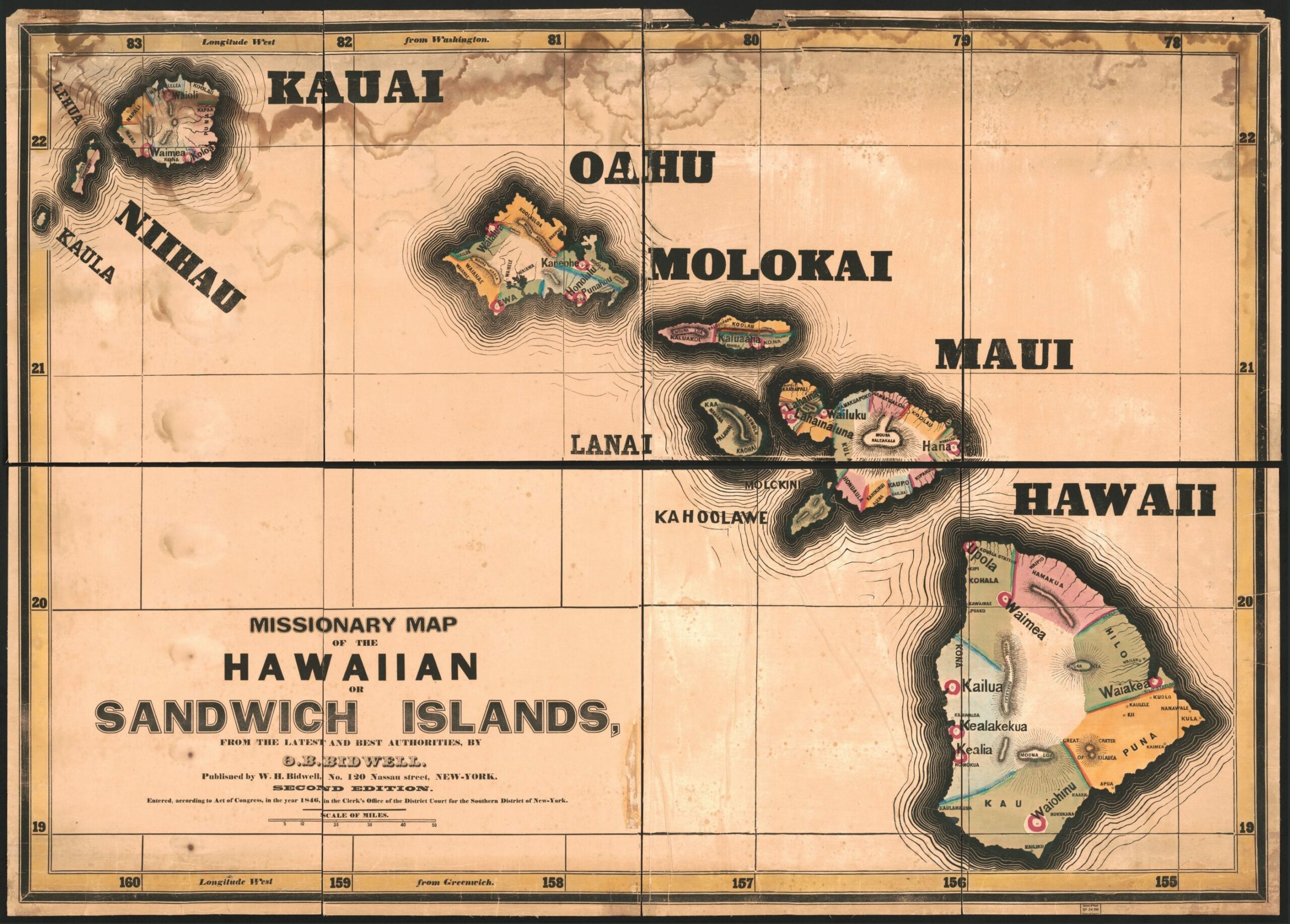
A Kingdom in the Pacific: The Pre-Annexation Era
Before it became a US territory and later the 50th state, Hawaii thrived as an independent kingdom, unified under a powerful monarchy. The islands’ strategic location in the central Pacific Ocean made them a coveted point of interest for various global powers, but it was the increasing American presence that would ultimately prove decisive.
The Rise of the Hawaiian Monarchy
For centuries, the Hawaiian Islands were governed by independent chiefdoms. This changed dramatically at the turn of the 19th century when King Kamehameha I, through a series of fierce battles and strategic alliances, successfully unified all the main islands by 1810. He established the Kingdom of Hawaii, creating a stable political entity that would endure for nearly a century. This era saw the development of a unique Hawaiian culture, distinct customs, and a self-sufficient society living in harmony with the land. The legacy of the monarchy is still celebrated today, with landmarks like Iolani Palace in Honolulu standing as a testament to its grandeur. This majestic structure, the only official residence of royalty in the United States, is a must-visit for travelers interested in local history and architecture, offering a glimpse into the opulent lifestyle of Hawaiian monarchs and the political heart of the kingdom.
Foreign Influence and Economic Interests
The arrival of Captain James Cook in 1778 marked the beginning of sustained contact with Westerners. While initially bringing trade and new technologies, it also introduced diseases that devastated the native Hawaiian population. In the 19th century, American missionaries arrived, bringing Christianity and Western education, significantly influencing Hawaiian society. Concurrently, American businessmen, particularly those involved in whaling and later sugar plantations, began to exert considerable economic power.
The fertile volcanic soil and ideal climate made Hawaii perfect for cultivating sugarcane, leading to a boom in the sugar industry. American entrepreneurs, like Sanford B. Dole, amassed vast landholdings and political influence. Treaties like the Reciprocity Treaty of 1875 (and its renewal in 1887, which granted the US exclusive rights to Pearl Harbor as a naval base) further tied Hawaii’s economy to the United States. This period saw a shift in the islands’ lifestyle, with the introduction of new industries, labor forces from various countries, and the growing prominence of Western political and economic structures. The deep-water harbor at Pearl Harbor would become a strategic military asset, playing a crucial role in US Pacific policy and cementing American interest in the islands’ future. Today, the Pearl Harbor National Memorial is a profound destination for visitors seeking to understand a pivotal moment in 20th-century history.
The Path to Annexation: A Tumultuous Period
The late 19th century was a turbulent time for Hawaii, as internal political struggles and external pressures from American business interests converged, ultimately leading to the downfall of the monarchy and the path towards annexation.
Overthrow of the Monarchy
The increasing power of American and European businessmen, who were largely non-native residents but held significant economic sway, led to friction with the Hawaiian monarchy. In 1887, a group of these foreign residents, backed by an armed militia, forced King Kalākaua to sign the Bayonet Constitution. This document significantly curtailed the monarch’s power and disenfranchised many native Hawaiians, granting voting rights primarily to wealthy landowners (mostly American).
Upon King Kalākaua’s death in 1891, his sister, Queen Liliʻuokalani, ascended to the throne. A staunch nationalist, she sought to restore power to the monarchy and native Hawaiians by proposing a new constitution. Her efforts, however, were met with fierce opposition from the pro-annexationist elements. On January 17, 1893, a group of primarily American and European residents, aided by the landing of US Marines from the USS Boston, overthrew the Queen Liliʻuokalani and the Kingdom of Hawaii. The Queen, to avoid bloodshed, yielded under protest. This event, known as the Overthrow of the Hawaiian Kingdom, remains a deeply sensitive and significant moment in Hawaiian history. Visiting Iolani Palace today, one can almost feel the echoes of this dramatic period, as the palace gardens and rooms bear witness to the end of a royal era.
The Republic of Hawaii
Following the overthrow, the conspirators established a Provisional Government, with Sanford B. Dole as its president, and immediately sought annexation by the United States. However, US President Grover Cleveland, a vocal anti-imperialist, condemned the overthrow as an “act of war” and attempted to restore Queen Liliʻuokalani to power. His efforts were thwarted by the Provisional Government, which declared itself the Republic of Hawaii in 1894.
This republic, led by American expatriates, governed Hawaii for four years. During this period, the islands continued to be a crucial economic asset, particularly for sugar production, solidifying American business ties. The political climate was fraught with tension, as native Hawaiians largely opposed annexation, while the Republic’s leaders actively lobbied for it. This era highlights the resilience of the Hawaiian people and their deep connection to their cultural identity, even as external forces reshaped their political destiny.
The Annexation Resolution
The political tides in the United States shifted with the election of President William McKinley, who was sympathetic to annexation. The outbreak of the Spanish-American War in 1898 provided a crucial catalyst. The strategic importance of Hawaii as a mid-Pacific naval base and coaling station became undeniably clear during naval operations in the Philippines.
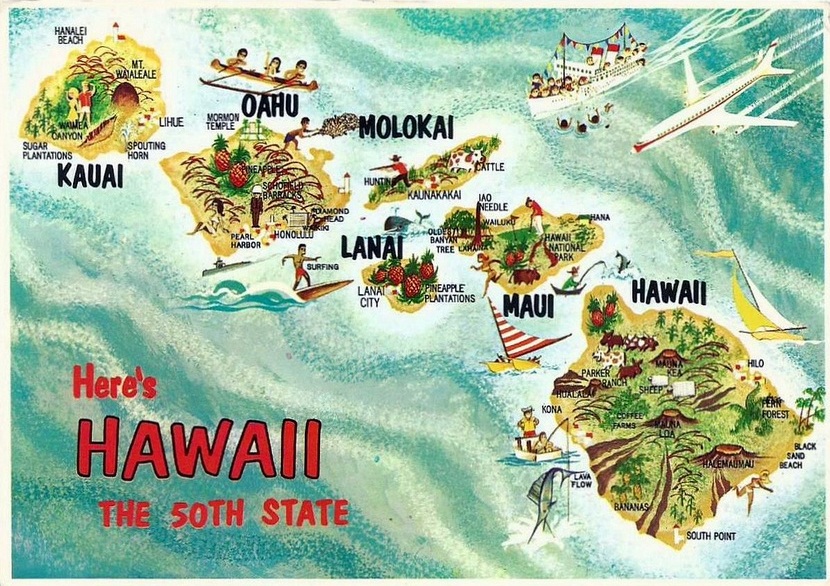
Capitalizing on this newfound urgency, annexationists pushed for a resolution in Congress. Despite opposition from native Hawaiians and some anti-imperialist voices, the Newlands Resolution was passed by both the House and Senate and signed into law by President McKinley on July 7, 1898. This act officially annexed the Republic of Hawaii to the United States, effectively concluding its status as an independent nation. The transfer of sovereignty took place on August 12, 1898, with the formal lowering of the Hawaiian flag and the raising of the Stars and Stripes at Iolani Palace. This momentous event officially marked the date the US acquired Hawaii, transitioning it from a sovereign kingdom to an American territory.
Hawaii as a US Territory and State: Growth and Transformation
Following annexation, Hawaii embarked on a new chapter as a US territory, undergoing significant economic, social, and cultural transformations that ultimately paved the way for its status as a premier global travel destination.
From Territory to Statehood
For over 60 years, Hawaii operated as a US territory. During this period, the islands experienced substantial economic growth driven primarily by agriculture, particularly pineapple and sugarcane plantations. The population became increasingly diverse as laborers from Japan, China, the Philippines, and Portugal migrated to work on the farms, contributing to Hawaii’s rich multicultural fabric. The strategic importance of Pearl Harbor grew, culminating in the devastating attack on December 7, 1941, which propelled the United States into World War II. This event underscored Hawaii’s critical role in national defense.
After decades of lobbying and several attempts, Hawaii finally achieved statehood on August 21, 1959, becoming the 50th state of the United States. This momentous occasion brought full political representation and further integrated the islands into the American mainstream, while still preserving their unique identity. The journey from monarchy to territory to statehood is a testament to Hawaii’s complex evolution.
The Dawn of Modern Tourism
Statehood, coupled with advancements in air travel, ushered in the golden age of Hawaiian tourism. What was once a destination accessible primarily by ship for the wealthy became increasingly available to a broader range of travelers. The development of major tourism infrastructure, particularly in areas like Waikiki Beach on Oahu, transformed the islands. Iconic resorts like the Moana Surfrider and The Royal Hawaiian, which had existed since the early 20th century, saw renewed popularity and expansion.
Today, Waikiki is a vibrant hub of hotels, shopping, and dining, offering everything from luxury suites to budget-friendly apartments. Beyond Oahu, other islands like Maui, Kauai, and the Hawaii Island (often called the Big Island) also saw their tourism industries flourish, each developing its distinct appeal. From the lavish accommodations of the Four Seasons Resort Maui at Wailea to the serene retreats of the Grand Hyatt Kauai Resort & Spa, Hawaii diversified its offerings to cater to every kind of traveler, solidifying its reputation as a dream destination for honeymoons, family trips, and adventurous escapes alike.
Hawaii Today: A Global Travel Gem
The history of Hawaii’s acquisition by the United States is integral to understanding its unique identity as a travel destination. It’s a place where ancient traditions blend seamlessly with modern amenities, offering an unparalleled experience for visitors.
Diverse Island Experiences
Each of Hawaii’s main islands offers a distinct flavor of paradise, catering to a wide array of travel preferences.
- Oahu: Known as “The Gathering Place,” Oahu is home to the bustling capital city of Honolulu and the world-famous Waikiki Beach. Here, you can immerse yourself in city life with luxurious hotels, high-end shopping, and diverse culinary experiences, from local food trucks to Michelin-starred restaurants. Historic landmarks like Diamond Head Crater offer incredible hiking and panoramic views, while the Polynesian Cultural Center provides an immersive journey into Pacific island traditions. For history buffs, a visit to Pearl Harbor is a poignant and essential experience.
- Maui: “The Valley Isle” is renowned for its stunning beaches, lush landscapes, and upscale resorts, particularly in areas like Wailea and Ka’anapali. Travelers can drive the legendary Road to Hana, a winding coastal highway leading to waterfalls and black sand beaches, or witness the sunrise from the summit of Haleakala National Park, a dormant volcano. Lahaina, a historic whaling town, offers charming boutiques and waterfront dining.
- Kauai: “The Garden Isle” is a haven for nature lovers and adventure seekers, with dramatic cliffs, verdant rainforests, and cascading waterfalls. The iconic Na Pali Coast is best explored by helicopter tour, boat trip, or challenging hike, revealing breathtaking vistas. Waimea Canyon, often called the “Grand Canyon of the Pacific,” offers spectacular viewpoints and hiking trails. Accommodation options range from secluded villas to luxury resorts, perfect for those seeking tranquility and natural beauty.
- Hawaii Island (The Big Island): The largest and youngest island, the Big Island boasts incredible ecological diversity, from volcanic deserts to snow-capped mountains. Hawaii Volcanoes National Park is home to Kilauea, one of the world’s most active volcanoes, where visitors can witness glowing lava flows. The west coast, particularly around Kailua-Kona, offers excellent snorkeling, diving, and coffee farm tours, while the east side, near Hilo, is known for its lush rainforests and waterfalls.
Regardless of which island you choose, Hawaii provides a unique blend of adventure travel, luxury leisure, and deep cultural immersion, making it an ideal destination for family vacations, romantic getaways, or solo exploration.

Preserving Culture Amidst Tourism
While tourism is the backbone of Hawaii’s modern economy, there’s a growing emphasis on sustainable tourism and the preservation of authentic Hawaiian culture. Many resorts and tour operators now offer experiences that educate visitors about the importance of malama ‘aina (caring for the land) and aloha ‘aina (love of the land). Travelers can engage in cultural activities like lei making, hula lessons, or traditional Hawaiian luaus that showcase local food and entertainment. Community-based tourism initiatives support local artisans, farmers, and cultural practitioners, ensuring that the benefits of tourism are shared and that the rich heritage of the islands continues to thrive. Efforts are also underway to protect Hawaii’s fragile ecosystems, from coral reefs to native forests, through responsible travel practices and conservation programs. When planning your trip, consider accommodations that champion sustainability, like eco-friendly resorts or locally-run boutique hotels, and choose activities that support the local economy and respect the environment.
The story of Hawaii is a dynamic one, where the echoes of its monarchical past and the complexities of its annexation resonate in its vibrant present. It offers a travel experience unlike any other, inviting visitors to explore not just stunning landscapes and luxurious amenities, but also a profound history and a resilient culture.
In conclusion, the United States officially acquired Hawaii on July 7, 1898, through the Newlands Resolution, concluding a dramatic period of political intrigue and foreign influence. This historical turning point transformed the independent Kingdom of Hawaii into a US territory, eventually leading to its statehood in 1959. Today, Hawaii stands as a testament to its rich and complex past, offering travelers an unparalleled fusion of history, natural wonders, and warm hospitality. Whether you’re seeking the thrills of surfing in Waikiki, hiking through volcanic landscapes, or simply relaxing in a luxurious beachfront villa, Hawaii promises an unforgettable journey that connects you to both its captivating history and its enduring spirit of aloha.
LifeOutOfTheBox is a participant in the Amazon Services LLC Associates Program, an affiliate advertising program designed to provide a means for sites to earn advertising fees by advertising and linking to Amazon.com. Amazon, the Amazon logo, AmazonSupply, and the AmazonSupply logo are trademarks of Amazon.com, Inc. or its affiliates. As an Amazon Associate we earn affiliate commissions from qualifying purchases.