
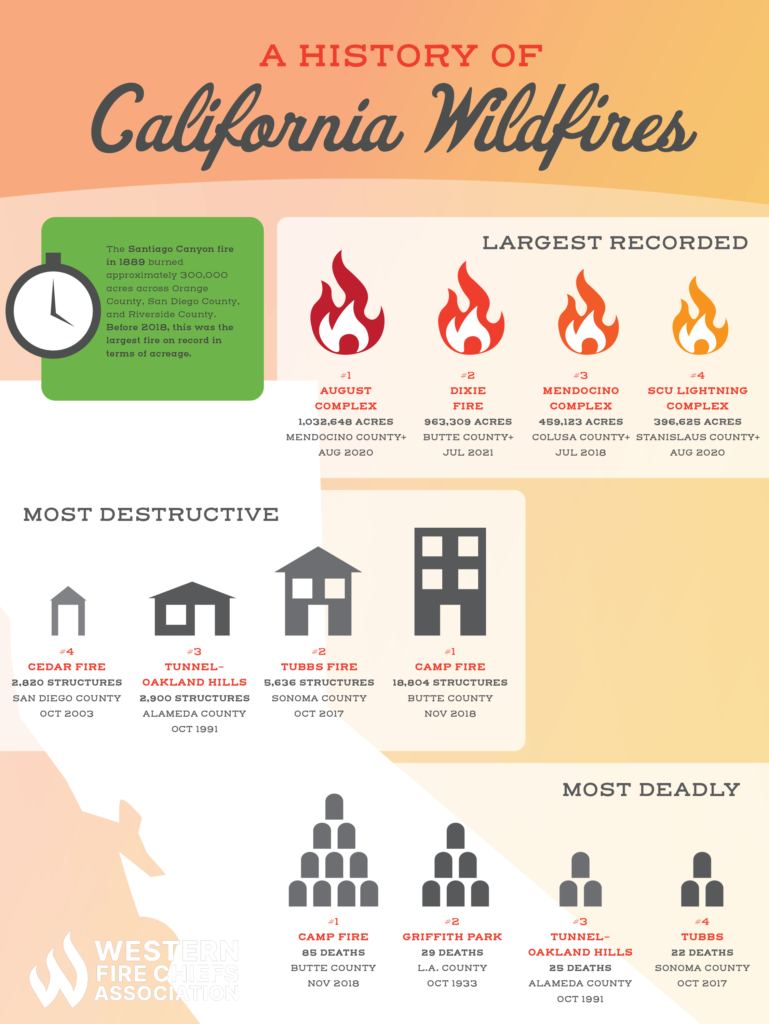
The question of “When did the wildfires in California start?” is not a simple one, as California’s history is punctuated by recurring wildfire seasons. These infernos are an intrinsic, albeit increasingly destructive, part of the state’s natural landscape, influenced by a complex interplay of climate, vegetation, and human activity. Understanding the genesis of these fires, both in terms of specific ignition events and the broader patterns of their occurrence, is crucial for comprehending the challenges faced by residents, travelers, and the environment of the Golden State.
California’s climate, characterized by dry summers and mild, wet winters, creates a perennial risk of wildfires. The accumulation of dry vegetation, acting as fuel, becomes particularly susceptible to ignition during the warmer months. For decades, fire suppression policies, while aimed at protecting communities, inadvertently led to the buildup of dense undergrowth, creating a tinderbox effect. When ignition does occur, the fires can spread with terrifying speed and intensity, transforming iconic landscapes and impacting numerous aspects of life, from travel and tourism to the availability of accommodation.
Understanding the Drivers of California’s Wildfires
To truly grasp “When did the wildfires in California start?”, we must delve into the underlying factors that contribute to their ignition and propagation. These fires are not isolated incidents but rather a recurring phenomenon shaped by natural cycles and exacerbated by modern conditions.
Natural Ignition Sources and Seasonal Patterns
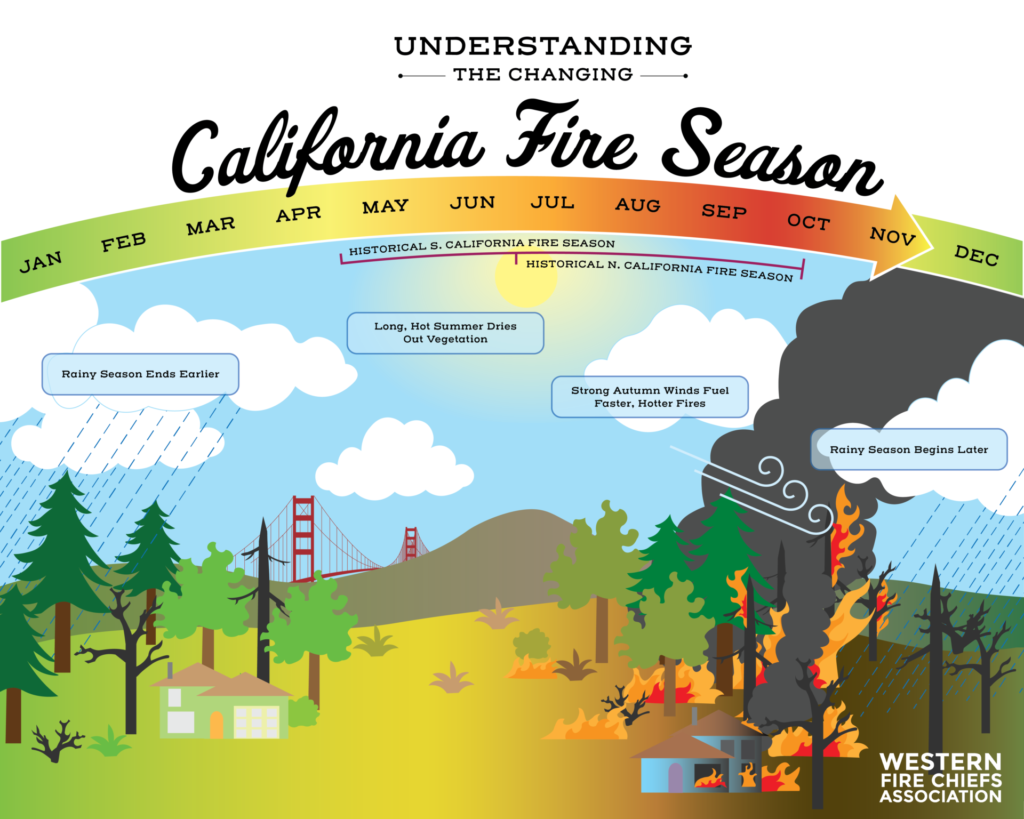
Historically, lightning strikes have been a primary natural cause of wildfires in California. These strikes, particularly common during intense thunderstorms that can occur even in dry periods, ignite dry vegetation. The timing of these lightning-induced fires often dictated the start of the wildfire season. For instance, early summer thunderstorms could trigger fires in the mountainous regions, setting the stage for further burning as the season progressed.
The natural ignition patterns are deeply intertwined with the state’s diverse ecosystems. The chaparral and shrubland ecosystems, prevalent in Southern California, are adapted to fire and rely on it for regeneration. These areas experience their driest conditions from late spring through autumn, making them particularly vulnerable. Similarly, the conifer forests of Northern California, while also adapted to fire, can become extremely susceptible when drought conditions persist for extended periods.
The Growing Influence of Climate Change and Human Factors
While lightning has always been a factor, the frequency, intensity, and duration of wildfires in California have been significantly amplified by more recent influences. Climate change plays a pivotal role, leading to higher average temperatures, prolonged droughts, and earlier snowmelt. These conditions dry out vegetation more thoroughly and for longer periods, creating an environment where fires ignite more easily and spread more rapidly.
Furthermore, human activities, both accidental and intentional, contribute to a substantial portion of wildfire ignitions. Faulty power lines, unattended campfires, equipment use, and arson are unfortunately common causes. As California’s population has grown and expanded into wildland-urban interface areas, the proximity of human settlements to fire-prone landscapes has increased the risk of both ignition and devastating impacts on communities and their infrastructure. This juxtaposition of human life with flammable natural environments is a critical element in understanding the modern wildfire narrative. The question of when fires start is thus increasingly tied to when human-caused ignitions occur during these heightened risk periods.
Navigating California: Travel, Tourism, and the Impact of Wildfires
The recurring wildfires in California have a profound and often disruptive impact on the state’s vibrant travel and tourism industries. The allure of its diverse landscapes, from the sun-drenched beaches of Southern California to the majestic peaks of the Sierra Nevada, draws millions of visitors annually. However, the specter of wildfires can cast a long shadow over these experiences, influencing travel decisions, the availability of attractions, and the overall perception of the state as a travel destination.
Impact on Travel Destinations and Attractions
Wildfires can drastically alter the accessibility and appeal of popular travel destinations. When fires rage, roads may be closed, national parks and forests can be shut down, and air quality can deteriorate significantly due to smoke. This directly affects travelers planning trips to iconic locations such as Yosemite National Park, the Redwood National and State Parks, or the scenic beauty of Big Sur.

The smoke generated by large wildfires can travel hundreds or even thousands of miles, impacting air quality in cities far from the actual fire zones. Cities like Los Angeles, San Francisco, and Sacramento can experience days of hazy skies and unhealthy air, deterring outdoor activities and potentially leading to cancellations of events and reservations. The visual spectacle of clear blue skies, often a key draw for photographers and sightseers, is replaced by an eerie, orange-tinged gloom.
For travelers seeking specific experiences, such as hiking in the mountains, visiting wineries in Napa Valley or Sonoma County, or exploring the historic sites of Southern California, the presence of active wildfires can mean a complete change of plans. Last-minute cancellations of flights into major airports like Los Angeles International Airport or San Francisco International Airport can occur due to smoke, further disrupting travel. The unpredictability of wildfire behavior means that even areas not directly threatened can be indirectly impacted by closures and evacuations.
Accommodation and Tourism Experiences
The impact extends deeply into the realm of accommodation and the broader tourism experience. Hotels, resorts, and rental properties in fire-affected regions often face cancellations and reduced bookings. Even in areas not directly experiencing flames, the fear of potential spread or the lingering effects of smoke can deter visitors.
Tour operators and local businesses that rely on outdoor activities, such as guided hikes, scenic drives, and beach excursions, can suffer significant financial losses. The decision of when to resume operations after a fire is complex, balancing the safety of staff and visitors with the economic necessity of reopening.
The charm of exploring local culture and food can also be diminished. Evacuations may force restaurants to close temporarily, and the general atmosphere of a town affected by fire can be subdued, impacting the authentic experiences that tourists seek. Furthermore, the long-term recovery of areas devastated by wildfires can take years, affecting the landscape and the availability of attractions for future travel seasons.
Planning Your California Adventure: Tips for Travelers
Given the reality of wildfires in California, travelers are increasingly advised to incorporate wildfire preparedness into their planning. The question of “When did the wildfires in California start?” becomes less about historical curiosity and more about understanding current risks and future projections for any given travel period.
Staying Informed and Flexible
The most crucial piece of advice for travelers is to stay informed. Before and during your trip, monitor official sources for wildfire updates. Websites like those of the California Department of Forestry and Fire Protection (CAL FIRE), the National Forest Service, and local emergency management agencies provide real-time information on fire incidents, road closures, and air quality. News outlets also play a vital role in disseminating this information.
Flexibility is key. Have alternative plans in place in case your initial itinerary is disrupted by wildfires. If a national park you planned to visit is closed due to fire, research nearby state parks or alternative attractions. Be prepared to adjust your accommodation bookings if your original choice becomes inaccessible or if air quality becomes a concern.
Choosing Accommodation and Experiences Wisely
When booking accommodation, consider its location in relation to known fire-prone areas. While it’s impossible to predict every fire, understanding the historical patterns of wildfires in certain regions can inform your decisions. Read recent reviews for any mentions of wildfire impacts or air quality issues.
For those seeking specific experiences, such as luxury travel or family trips, research the availability of indoor activities or attractions that are less likely to be affected by smoke or closures. Many museums, art galleries, and indoor entertainment venues in cities like San Diego, San Jose, and Oakland offer excellent alternatives when outdoor exploration is compromised.
Budget travelers might find that wildfire seasons can sometimes lead to discounted rates in areas not directly impacted, as demand might temporarily decrease. However, always prioritize safety and be prepared for potential disruptions. The allure of California’s diverse offerings remains, but a well-informed and adaptable approach is essential for a fulfilling and safe journey.
In conclusion, the question of when California’s wildfires start is a multifaceted one, rooted in natural cycles but increasingly shaped by human influence and a changing climate. While specific ignition events mark the beginning of individual fires, the underlying conditions for widespread burning are a recurring feature of the California landscape. By understanding these dynamics, travelers can better plan their adventures, ensuring they can still experience the magic of the Golden State, even in the face of its challenging natural environment.