
The Plaza Hotel stands as an enduring symbol of luxury, elegance, and New York City grandeur. A truly iconic landmark, it has witnessed over a century of history, hosting royalty, celebrities, and countless discerning travelers. Its story is intertwined with the city’s own development, its golden age, and the various figures who have shaped its destiny. Among these influential owners, Donald Trump‘s tenure stands out as a particularly tumultuous yet defining chapter. For many, his name became synonymous with the opulent property, raising questions about when this prominent real estate magnate eventually relinquished control of what he famously called “the only truly great deal” he ever made. This article delves into the fascinating history of The Plaza Hotel, charting its journey from a vision of grandeur to Donald Trump’s ambitious ownership, the financial challenges that necessitated its sale, and its subsequent evolution into the timeless retreat it remains today.
The Plaza Hotel: A Jewel in New York City’s Crown
Before delving into the specifics of Donald Trump’s ownership and eventual sale, it’s crucial to understand the unparalleled legacy of The Plaza Hotel. More than just a place to stay, it is a living monument to luxury travel, an essential New York landmark, and a beacon for global tourism.
A Legacy Forged in Luxury and History
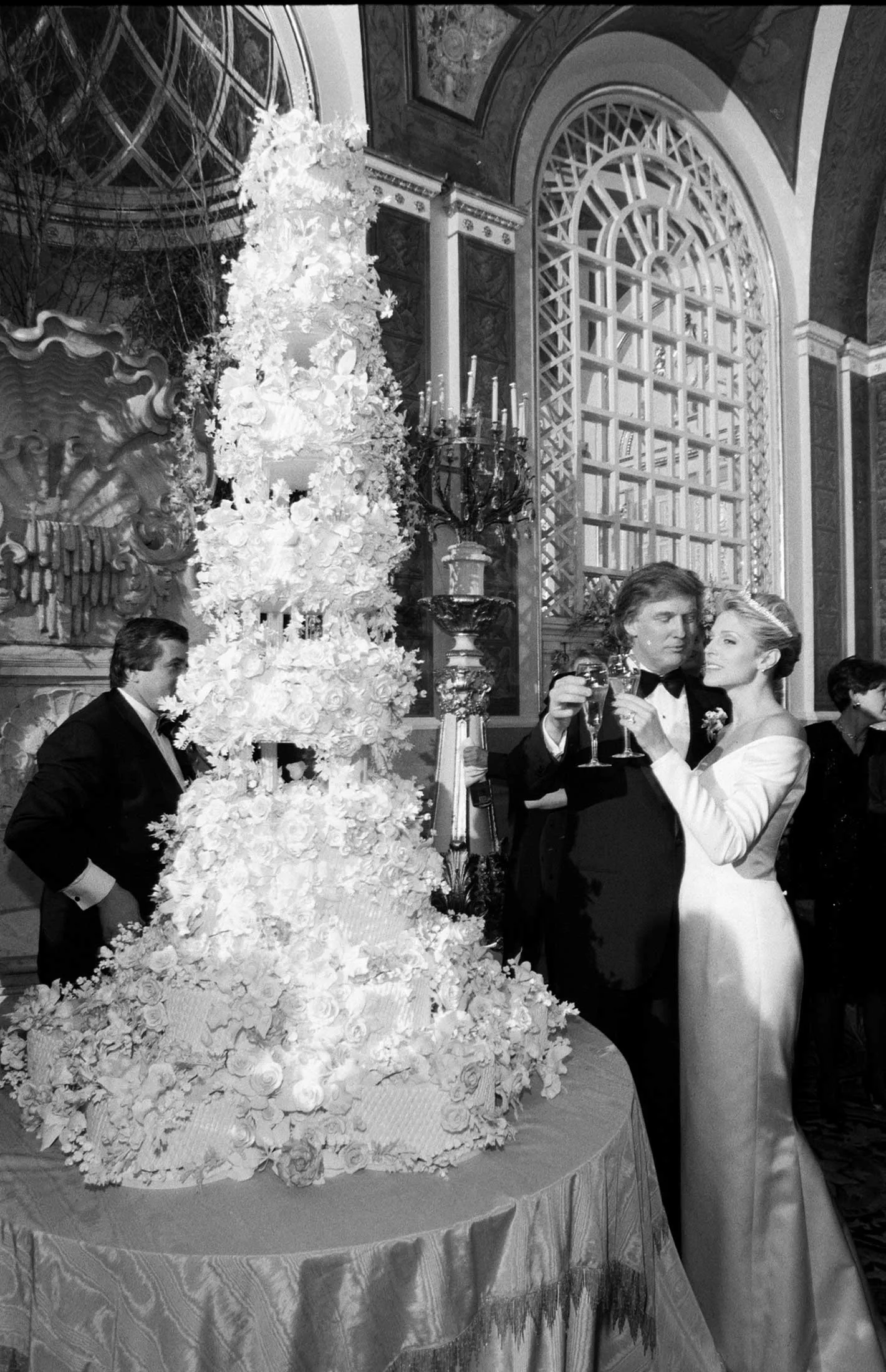
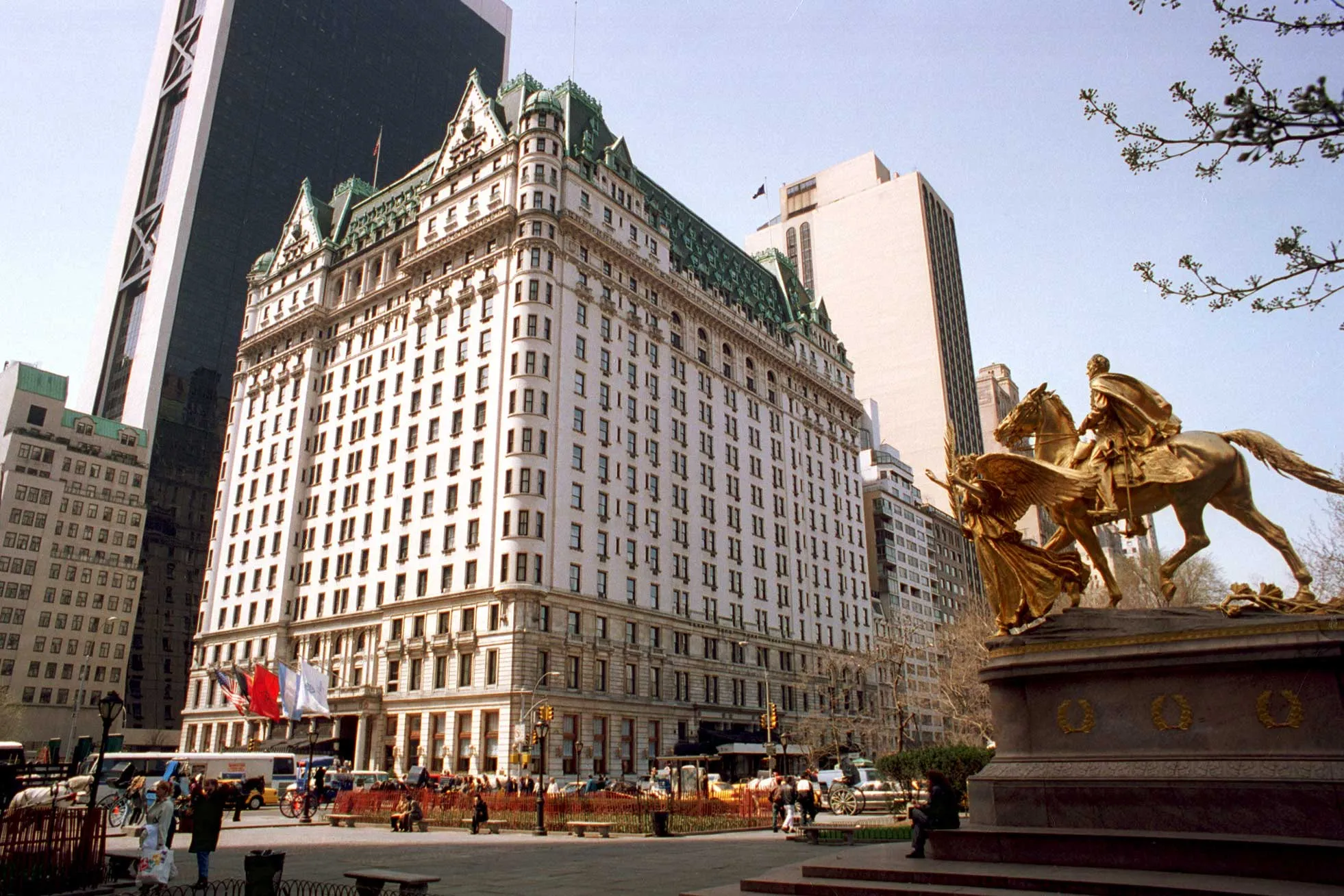
Opened in 1907, The Plaza Hotel was envisioned as the most luxurious hotel in the world. Designed by Henry Janeway Hardenbergh, its French Renaissance château style instantly captivated the elite, setting a new standard for urban hospitality. Strategically located on Fifth Avenue at Grand Army Plaza, directly overlooking Central Park, its address alone spoke volumes of its prestige. From the very beginning, The Plaza attracted an illustrious clientele. Legendary figures such as F. Scott Fitzgerald and Ernest Hemingway frequented its halls, contributing to its mystique. It played host to monumental events, including Truman Capote’s iconic “Black and White Ball” in 1966, a defining moment in American high society.
Its architectural splendor and historical significance earned it the prestigious designation as a National Historic Landmark in 1986, a testament to its irreplaceable status not just within New York City but across the United States. The hotel’s interiors, with their soaring ceilings, glittering chandeliers, and ornate detailing, reflect an era of unparalleled elegance, transporting guests back to a time of gilded glamour. The iconic Palm Court, renowned for its exquisite afternoon tea service, and the timeless Champagne Bar have long been places where visitors and locals alike gather to soak in the atmosphere. For anyone interested in the history of grand hotels or seeking a taste of classic New York, The Plaza is an unmissable destination. Its rich past not only adds to its allure but also makes it a significant part of the global tourism landscape, drawing millions of curious onlookers and discerning guests each year.
The Quintessential New York Experience
Beyond its historical gravitas, The Plaza Hotel offers an accommodation experience that is truly unique, blending old-world charm with modern luxury. For travelers, it represents the epitome of a sophisticated lifestyle, whether they are on a family trip, a romantic getaway, or a high-powered business stay. Staying at The Plaza isn’t just about booking a room; it’s about immersing oneself in an experience. Each suite and room is meticulously designed, offering breathtaking views of Central Park or the dazzling Fifth Avenue. The white-gloved service, the attention to detail, and the opulent surroundings redefine what luxury accommodation means.
The hotel also holds a special place in popular culture, perhaps most notably as the setting for Kay Thompson’s beloved Eloise books. This whimsical connection has endeared The Plaza to generations, making it a dream destination for children and adults alike. Its presence in countless films, from North by Northwest to Home Alone 2: Lost in New York, further cements its status as a cultural icon. For many international visitors, a visit to The Plaza Hotel is as essential as seeing the Statue of Liberty or visiting Times Square. It symbolizes a particular kind of elegant New York lifestyle, making it a bucket-list destination for anyone seeking a truly memorable travel experience.
Donald Trump’s Ambition: Acquiring an Icon
In the late 1980s, Donald Trump was at the zenith of his real estate empire, famous for his audacious deals and the acquisition of high-profile properties. His gaze, inevitably, fell upon The Plaza Hotel.
The High-Stakes Acquisition of 1988
It was in 1988 that Donald Trump made headlines by purchasing The Plaza Hotel for a staggering $407 million. At the time, this was considered an exorbitant sum, particularly for a property that, despite its grandeur, was facing significant operational challenges. The previous owner, Robert Bass of the Bass Group, had acquired it just a few years prior and had invested heavily in renovations. However, Trump, known for his instinct for trophy assets and his flair for publicity, saw immense potential. He famously declared that he had not just bought a building, but “a masterpiece” – a “great lady.”
His acquisition of The Plaza Hotel was a quintessential Trump move: bold, highly leveraged, and laden with personal guarantees. He envisioned restoring The Plaza to its former glory, enhancing its luxury offerings, and cementing its status as the premier hotel in New York. His wife at the time, Ivana Trump, was appointed president of the hotel, signaling a hands-on approach to management. Under her leadership, significant efforts were made to revitalize the hotel’s image and operational efficiency, including a widely publicized renovation. This period marked a distinct era for The Plaza, as it was firmly under the spotlight of one of the world’s most recognizable businessmen, attracting both admiration and scrutiny for its operations and financial dealings. The hotel’s amenities, suites, and overall guest experience were intended to reflect the high-end, luxury lifestyle Trump was known for promoting, making it a prime destination for those seeking opulent travel and accommodation.

Navigating Economic Turbulence and Debt
Despite Donald Trump’s grand ambitions, his ownership of The Plaza Hotel was fraught with financial difficulties. The late 1980s and early 1990s brought an economic downturn, coupled with a highly competitive hotel market in New York City. The massive debt incurred during the acquisition, combined with the cost of ongoing renovations and operational expenses, placed an immense strain on the hotel’s finances. By 1992, just four years after its purchase, The Plaza Hotel was teetering on the brink of bankruptcy.
Trump’s personal guarantees on the hotel’s debt meant that his entire real estate empire was at risk. He engaged in complex negotiations with a consortium of banks, including Citibank, Chase Manhattan, and Manufacturers Hanover. The eventual agreement saw him relinquish a significant portion of his equity in the hotel in exchange for more favorable loan terms and a reduction in personal liability. While he technically retained ownership, the banks gained substantial control, transforming his outright ownership into more of a partnership with his creditors. This period highlighted the inherent risks of highly leveraged property deals, even for someone as experienced and audacious as Donald Trump. For the hotel itself, these financial struggles underscored the challenges of maintaining a luxury landmark in a fluctuating economic environment, even one that was consistently rated among the top accommodations for both tourism and business stays.
The Pivotal Sale: A New Era for The Plaza
The financial pressures and restructuring eventually paved the way for Donald Trump’s departure from The Plaza Hotel, ushering in a new chapter for the venerable institution.
The Transaction of 1995: Handing Over the Keys
The precise answer to the question “When did Donald Trump sell The Plaza Hotel?” is 1995. After years of financial gymnastics and amidst a period of personal and professional re-evaluation, Trump finally sold his controlling interest in the property. The buyers were a consortium led by Prince Al-Waleed bin Talal of Saudi Arabia, a prominent global investor, and the Singaporean-based hotel group Millennium & Copthorne Hotels. The sale price was reported to be around $325 million, a figure lower than what Trump had originally paid, reflecting the financial distress and market conditions at the time.
This transaction marked the official end of Donald Trump’s direct ownership of The Plaza Hotel after a seven-year tenure. While controversial and financially challenging, his period of ownership undoubtedly kept the hotel in the public eye and spurred significant investments in its physical plant. The sale allowed Trump to shed a substantial debt burden and refocus on other ventures, while The Plaza gained new ownership with fresh capital and a long-term vision for its future. For travelers and enthusiasts of luxury hotels, this sale was a significant moment, signifying a shift in the hotel’s trajectory while maintaining its commitment to being a premier destination for tourism and upscale accommodation.
Post-Trump Ownerships and Enduring Grandeur
Following Donald Trump’s sale in 1995, The Plaza Hotel embarked on a new phase of its storied existence. For a period, it was managed by Fairmont Hotels and Resorts, a renowned operator of luxury properties worldwide, ensuring that the high standards of service and accommodation were maintained. The hotel continued to attract an international clientele, solidifying its reputation as a leading choice for those seeking exceptional travel experiences and unparalleled service.
In 2004, a significant transformation occurred when the Israeli-owned Elad Properties acquired The Plaza for $675 million. Elad Properties embarked on an ambitious and controversial plan to convert many of the hotel rooms into luxury condominiums, a trend seen in several historic New York hotels. This conversion led to a temporary closure for extensive renovations. When it reopened in 2008, The Plaza was a hybrid property, featuring 282 hotel rooms and suites, alongside 152 private condominium units. While some purists lamented the change, the residential component injected new life and capital into the landmark, securing its financial future. The remaining hotel rooms, now fewer in number, were even more luxurious, catering to an ultra-high-end market.
Subsequent ownership changes saw India’s Sahara Group acquire a majority stake in 2012, followed by a full acquisition in 2018 by Katara Hospitality, a hospitality arm of the Qatar government. Each ownership group has contributed to preserving the hotel’s heritage while adapting it to the demands of modern luxury travel. Despite these various transitions, The Plaza Hotel has consistently maintained its status as a premier global landmark. Its blend of historic charm, lavish amenities, and prime location continues to make it a central pillar of New York City’s tourism and luxury lifestyle scene.
Experiencing The Plaza Today: Timeless Elegance for Modern Travelers
Even decades after Donald Trump’s divestment, The Plaza Hotel remains an icon, continually reinventing itself while honoring its storied past. It continues to draw visitors from around the globe, eager to experience its legendary hospitality.
Unforgettable Stays and Culinary Delights
Today, The Plaza Hotel offers an unparalleled experience for those seeking luxury accommodation in New York City. Guests can choose from a range of exquisitely appointed rooms and suites, each designed with meticulous attention to detail, featuring elegant furnishings, cutting-edge technology, and stunning views. The hotel’s signature white-glove butler service ensures that every need is anticipated and met, providing a level of personalized attention rarely found elsewhere. For luxury travelers, a stay at The Plaza is not merely a booking; it’s an immersion into a world of refined comfort and impeccable service, making it ideal for everything from romantic escapes to significant family trips.
Beyond the luxurious rooms, The Plaza continues to be a culinary destination. The iconic Palm Court remains the heart of the hotel, famous for its elaborate Afternoon Tea service – a quintessential New York experience blending tradition with modern flair. The Champagne Bar, with its glittering chandeliers and sophisticated ambiance, is the perfect spot for pre-dinner drinks or a celebratory toast, while the Rose Club offers a more intimate setting for cocktails and live jazz. For those seeking relaxation, the luxurious Guerlain Spa provides a sanctuary of wellness, offering bespoke treatments that reflect the hotel’s commitment to indulgence. These diverse offerings not only cater to hotel guests but also attract a vibrant local and tourist crowd, cementing The Plaza’s role as a vibrant hub of New York City life and culture.
A Landmark Beyond Compare
In conclusion, while Donald Trump’s ownership of The Plaza Hotel between 1988 and 1995 was a dramatic and financially challenging period, it represents just one chapter in the hotel’s long and illustrious history. His sale of the property in 1995 marked a turning point, allowing new owners to invest and reimagine its future. Today, The Plaza Hotel endures as a paragon of timeless elegance, a cherished National Historic Landmark, and an indispensable part of the New York City landscape.
For travelers, it embodies the ultimate luxury lifestyle, offering an accommodation experience that transcends the ordinary. It stands as a testament to architectural grandeur, historical significance, and the enduring appeal of opulent travel. Whether you are visiting for its legendary afternoon tea, celebrating a special occasion, or simply marveling at its exterior from Central Park, The Plaza Hotel continues to define what it means to experience the very best of New York. Its legacy as a beacon of world-class tourism and a symbol of unwavering luxury remains as strong as ever, promising an unforgettable journey through history and indulgence for every guest who walks through its iconic doors.
LifeOutOfTheBox is a participant in the Amazon Services LLC Associates Program, an affiliate advertising program designed to provide a means for sites to earn advertising fees by advertising and linking to Amazon.com. Amazon, the Amazon logo, AmazonSupply, and the AmazonSupply logo are trademarks of Amazon.com, Inc. or its affiliates. As an Amazon Associate we earn affiliate commissions from qualifying purchases.