
The mesmerizing dance of hummingbirds, with their iridescent plumage and impossibly swift wings, is a spectacle that captivates nature enthusiasts across the Lone Star State. For those planning a trip to Texas, or simply looking to enhance their backyard birdwatching experience, understanding the migratory patterns of these tiny dynamos is key. Texas serves as a crucial corridor for several hummingbird species during their annual journeys, making it a prime destination for observing these avian jewels. This guide delves into the fascinating world of hummingbird migration in Texas, exploring when they arrive, which species to expect, and the best places to witness their aerial ballets.
The Pulsating Rhythm of Migration: Timing is Everything
The arrival and departure of hummingbirds in Texas are dictated by a complex interplay of factors, including breeding seasons, food availability, and the changing seasons. Generally, hummingbird migration in Texas can be divided into two main waves: spring migration and fall migration.
Spring Migration: A Dash for the North
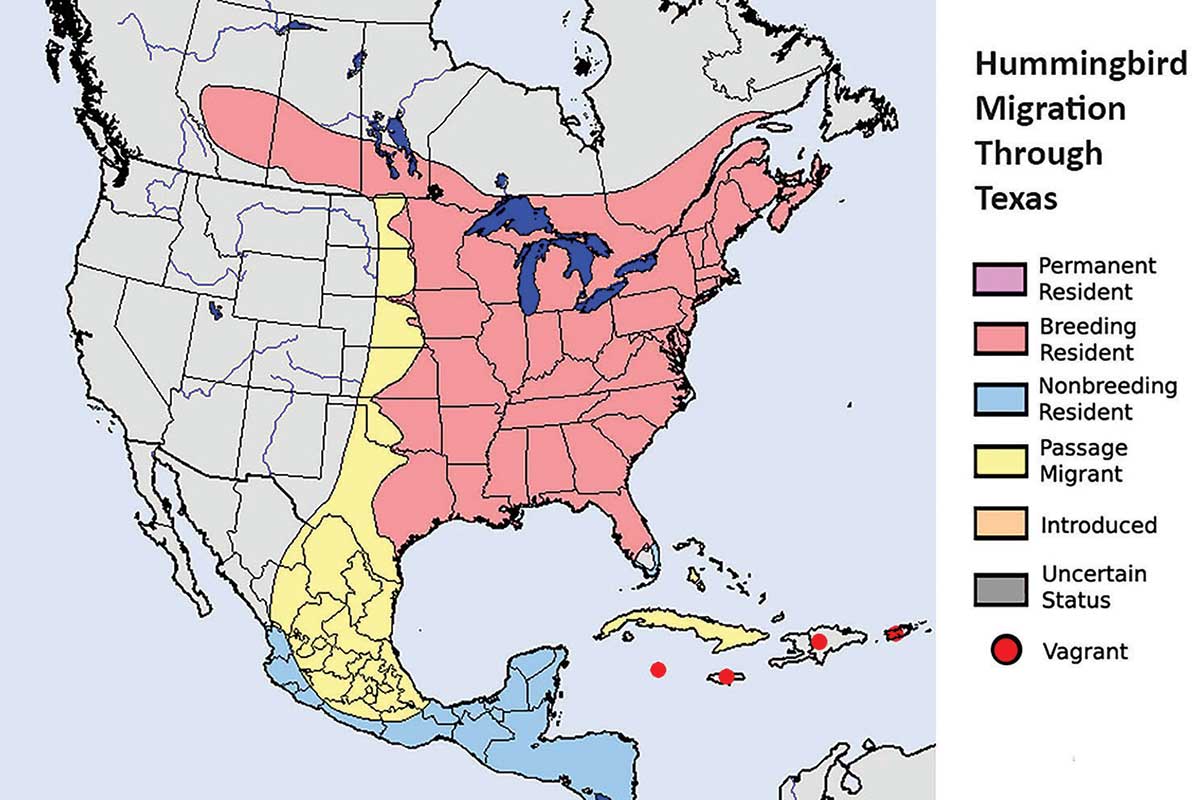
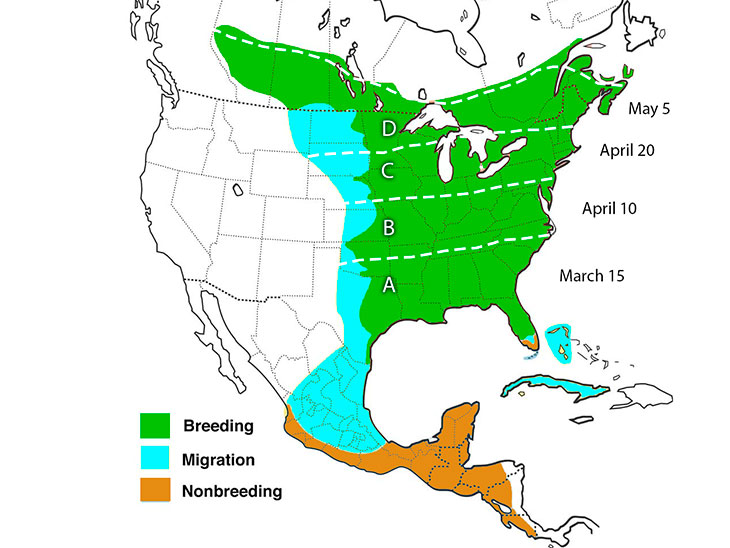
As the days lengthen and the chill of winter recedes, Texas becomes a vital staging ground for hummingbirds embarking on their northward journey to breeding grounds in the United States and Canada. This migration typically begins in early February and extends through May. The earliest arrivals are often seen in South Texas, taking advantage of the abundant early spring blooms.
Early Arrivals and South Texas Hotspots
South Texas, particularly regions like the Rio Grande Valley, is renowned for its early hummingbird sightings. By late February and early March, the Ruby-throated Hummingbird, the most common species east of the Rocky Mountains, begins to appear. These energetic birds have undertaken an impressive flight across the Gulf of Mexico, and Texas offers them crucial refueling opportunities. Areas like Bentsen-Rio Grande Valley State Park and the National Butterfly Center in Mission, Texas, are excellent locations to witness these early migrants.
The Main Wave and Central Texas Delights
As spring progresses into April and May, the migration spreads northward. Central Texas cities like Austin and San Antonio then become prime viewing spots. The Balcones Canyonlands Conservation Plan area, encompassing parts of Travis and Burnet counties, is a haven for many species. In Austin, many residents actively attract hummingbirds to their gardens with feeders and nectar-rich flowers, turning backyards into miniature avian sanctuaries. The Lady Bird Johnson Wildflower Center in Austin is also a fantastic place to see hummingbirds amidst a stunning display of native Texas flora.
Late Departures and the Northern Frontier
By late May and into June, the majority of hummingbirds have reached their northern breeding territories. However, some individuals, particularly late migrants or those that may have bred further south, can still be spotted in the northern parts of Texas. Birding hotspots in the Texas Panhandle might see lingering visitors during this period.
Fall Migration: A Generous Stopover
The return journey south in the fall is often a more drawn-out affair, with hummingbirds migrating in smaller numbers and at a more leisurely pace than during the spring rush. This migration typically begins in late July or August and can continue through November. Texas once again plays a crucial role as a refueling station for these birds as they prepare for their arduous flight across the Gulf of Mexico to their wintering grounds in Mexico and Central America.
Late Summer Visitors and Continued Abundance
Even as summer begins to wane, hummingbirds continue to be a common sight in Texas. Many species that breed further north will pass through Texas during their southward migration. The fall migration offers another opportunity to spot familiar species like the Ruby-throated Hummingbird, as well as a chance to see less common visitors.
The Importance of Fall Feeders
During the fall migration, feeders become even more critical. Hummingbirds need to build up sufficient fat reserves for their journey, and supplemental nectar provided by well-maintained feeders can be a lifesaver. Areas along the coast, such as Galveston Island, can be particularly good for spotting southbound migrants, as they gather before making the perilous flight across the Gulf.
The Last Hummingbirds of the Year
By late October and into November, the majority of hummingbirds will have completed their journey. However, it’s not uncommon to see a few stragglers, especially if food sources remain abundant and weather conditions are favorable. These late visitors are a testament to the resilience and adaptability of these remarkable creatures.
The Cast of Characters: Hummingbird Species in Texas

Texas is a flyway for several hummingbird species, each with its own unique characteristics and migratory habits. While some are regular visitors, others are considered rare but sought-after sightings.
The Ubiquitous Ruby-throated Hummingbird
The Ruby-throated Hummingbird (Archilochus colubris) is by far the most common species encountered in Texas. Males are easily identifiable by their brilliant, iridescent red throats. They breed in eastern North America, including much of Texas, and winter in Mexico and Central America. They are avid users of feeders and are a frequent sight in gardens and parks throughout the state.
The Fierce and Feisty Rufous Hummingbird
The Rufous Hummingbird (Selasphorus rufus) is a smaller, more aggressive species known for its rusty-red plumage and its remarkable migratory feats. These birds breed in Alaska and western Canada and winter in Mexico. Texas is an important stopover point during their fall migration, and they are often seen in the western and central parts of the state. Their territorial nature means they can sometimes be seen chasing away other hummingbirds from feeders.
The Elegant Black-chinned Hummingbird
The Black-chinned Hummingbird (Archilochus alexandri) is another common breeder in Texas, particularly in the western and central regions. Males have a characteristic black chin and throat, with iridescent purple on their crown. They breed in the western United States and winter in Mexico. Their arrival in Texas typically coincides with the spring bloom.
Other Notable Visitors
While the above species are the most frequently encountered, Texas also plays host to a variety of other hummingbirds, often as migrants or rare vagrants. These can include:
- Anna’s Hummingbird (Calypte anna): Primarily a resident of the West Coast, but increasingly being seen in Texas, especially during the winter months.
- Broad-tailed Hummingbird (Selasphorus platycercus): A western species that can be seen in Texas during migration.
- Calliope Hummingbird (Selasphorus calliope): The smallest bird in North America, this tiny hummingbird is a rare but exciting sight during migration.
Observing these different species adds another layer of excitement to the hummingbird watching experience in Texas.
Maximizing Your Hummingbird Encounters: Tips for Travelers and Residents
Whether you’re a seasoned birder or a curious traveler, there are several ways to enhance your chances of seeing hummingbirds in Texas.
Attracting Hummingbirds to Your Garden
For residents of Texas, the most rewarding way to experience hummingbirds is to invite them into your own backyard.
- Plant Nectar-Rich Flowers: Native Texas plants are often the best choice, as they provide a natural and sustainable food source. Look for flowers with trumpet or tubular shapes in vibrant colors like red, orange, and pink. Popular choices include:
- Texas Sage (Leucophyllum frutescens)
- Turk’s Cap (Malvaviscus arboreus)
- Lantana (Lantana camara)
- Salvia species (e.g., Autumn Sage)
- Indian Paintbrush (Castilleja spp.)
- Provide Feeders: Nectar feeders filled with a simple solution of one part granulated white sugar to four parts boiled and cooled water are a great supplement. Avoid red dyes, commercial nectar mixes, and honey, as these can be harmful to hummingbirds. Clean feeders regularly to prevent mold and bacterial growth.
- Offer Water Sources: Hummingbirds also need water for drinking and bathing. A fine mist from a garden hose or a shallow birdbath with a gentle mister can be irresistible.
- Create Shelter: Planting shrubs and trees provides resting and nesting sites for hummingbirds.
Birdwatching Destinations and Etiquette
For travelers planning a trip to Texas specifically for hummingbird viewing, several locations offer exceptional opportunities.
- State Parks: Texas State Parks are excellent locations for birdwatching. Bentsen-Rio Grande Valley State Park, Lost Maples State Natural Area, and Davis Mountains State Park are known for their diverse birdlife, including hummingbirds. Many parks offer guided bird walks and nature programs.
- Wildlife Refuges: National and state wildlife refuges are managed to provide critical habitat for migratory birds. The Aransas National Wildlife Refuge on the coast and the San Bernard National Wildlife Refuge in Brazoria County are valuable stops for migrating hummingbirds.
- Botanical Gardens and Arboretums: These cultivated spaces often feature a wide variety of nectar-producing plants, making them magnets for hummingbirds. The Fort Worth Botanic Garden and the San Antonio Botanical Garden are prime examples.
- Birding Festivals: Texas hosts several birding festivals throughout the year, some of which focus on hummingbird migration. These events often include expert-led tours, workshops, and opportunities to connect with fellow enthusiasts.
When observing hummingbirds, it’s essential to practice responsible birding etiquette. Maintain a safe distance, avoid making sudden movements, and never disturb their nests. The goal is to appreciate these incredible creatures in their natural habitat without causing them stress.
The arrival of hummingbirds in Texas is a recurring natural event that brings beauty and wonder to the state. By understanding their migratory patterns and providing suitable habitats, both residents and visitors can ensure these dazzling avian visitors continue to grace Texas skies for generations to come. Whether you’re staying in a luxurious resort in the Hill Country, a cozy bed and breakfast in Fredericksburg, or simply enjoying the natural beauty of your own backyard, the arrival of hummingbirds is a signal of nature’s enduring magic.